
Have you ever wondered why your car’s exhaust sounds the way it does? Or why some vehicles have a smoother, quieter roar while others sound loud and harsh?
The secret often lies in a small but powerful part called the resonator. Understanding what a resonator does in your exhaust system can change the way you think about your car’s performance and sound. Keep reading to discover how this simple component can make a big difference in your driving experience.
Role Of A Resonator In Exhausts
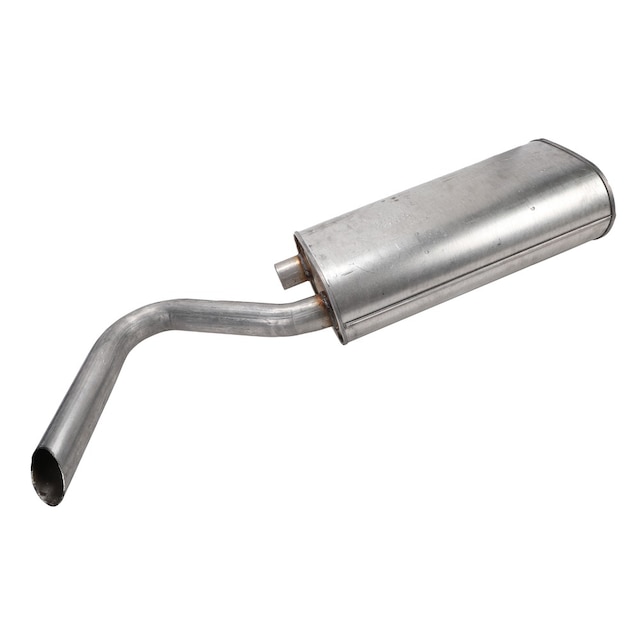
The resonator is a key part of a vehicle’s exhaust system. It helps control the noise that the engine makes. The resonator works with the muffler to create a smoother sound.
Besides sound, the resonator also affects how exhaust gases flow out. This can impact engine performance and efficiency.
How Resonators Shape Sound
The main job of a resonator is to reduce unwanted noise. It changes the sound waves made by the engine. This makes the exhaust sound less harsh and more pleasant.
- Resonators cancel out certain sound frequencies.
- They reduce droning noise inside the vehicle.
- They help produce a deeper, smoother exhaust tone.
- They work by reflecting sound waves back to cancel noise.
Impact On Exhaust Flow
Resonators also influence how exhaust gases move through the system. They create a path that smooths the flow of gases. This can help the engine breathe better.
| Effect | Benefit |
| Reduces backpressure | Improves engine efficiency |
| Improves gas flow | Supports better power output |
| Limits turbulence | Enhances exhaust sound quality |
Credit: parts.cadillac.com
Types Of Resonators
Resonators reduce unwanted noise in an exhaust system. They help make the engine sound smoother and quieter.
There are different kinds of resonators. Each type works in its own way to control sound waves.
Chamber Resonators
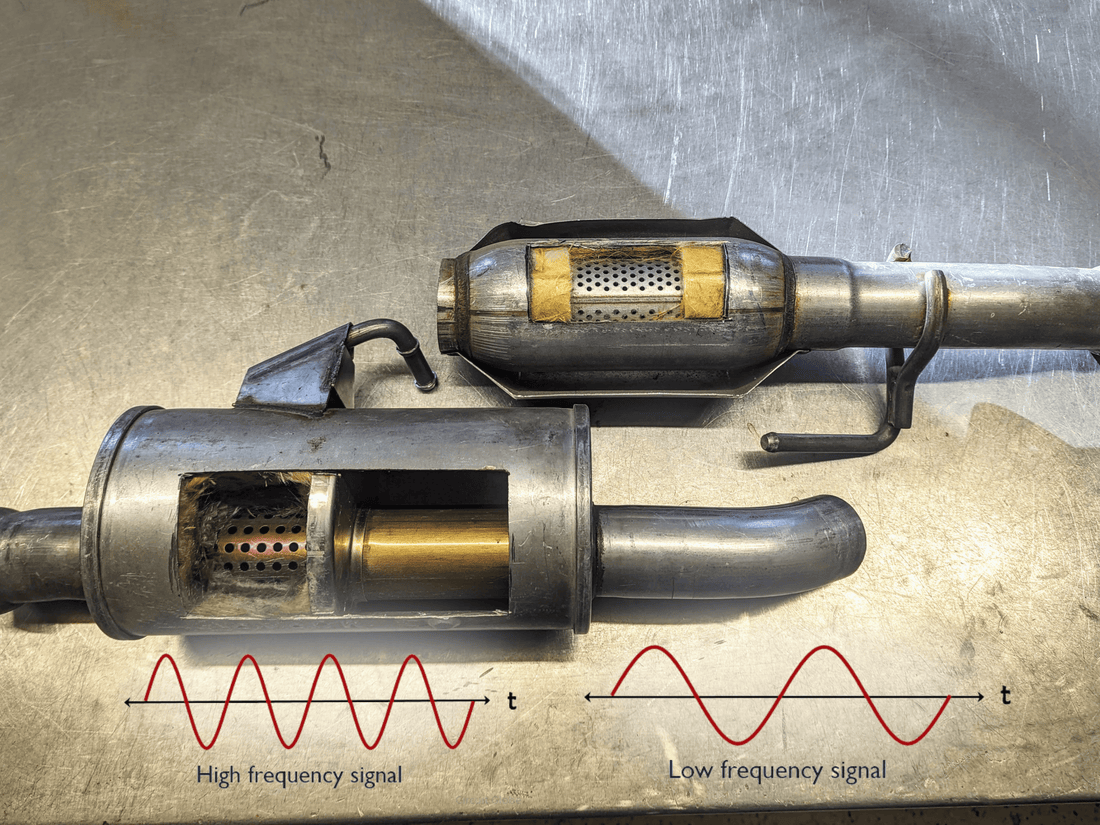
Chamber resonators use empty chambers to cancel sound waves. The sound waves enter the chamber and bounce around. This reduces certain noise frequencies.
- Simple design with hollow space
- Blocks mid to high-frequency sounds
- Common in many car exhausts
- Works by reflecting sound waves
Helmholtz Resonators
Helmholtz resonators use a small neck and a larger cavity. This setup absorbs specific sound frequencies. It works like blowing across a bottle top.
| Feature | Description |
| Design | Small neck with large cavity |
| Function | Absorbs specific sound frequencies |
| Use | Targets problem noises in exhaust |
| Effect | Reduces drone and harsh sounds |
Benefits Of Using Resonators
A resonator is a part of the exhaust system in a car. It works with the muffler to control sound and airflow.
Using a resonator brings many benefits. It helps reduce noise, improve engine work, and make driving more comfortable.
Noise Reduction
Resonators lower the loud sounds from the engine. They stop certain sound waves from passing through the exhaust.
This makes the car noise softer and less harsh. It helps keep the noise level within legal limits.
- Blocks unwanted sound frequencies
- Reduces engine roar
- Keeps noise inside safe levels
Improved Engine Efficiency
A resonator helps the exhaust gases flow smoothly out of the engine. This reduces back pressure in the system.
With less back pressure, the engine breathes easier. This can improve fuel use and power output.
- Supports better exhaust flow
- Reduces engine strain
- Can improve fuel efficiency
Enhanced Driving Comfort
The resonator makes the car ride quieter and smoother. It reduces vibrations and unpleasant sounds inside the cabin.
Drivers and passengers enjoy a peaceful drive. This helps reduce fatigue on long trips.
- Decreases cabin noise
- Reduces vibrations
- Improves passenger comfort
Credit: www.b2fabrication.com
Resonators Vs Mufflers
Resonators and mufflers are parts of a car’s exhaust system. Both help control the sound your car makes. They also affect how the exhaust flows through the system.
Though they seem similar, resonators and mufflers have different jobs. Knowing these differences can help you understand your car’s sound and performance.
Function Differences
A muffler mainly reduces the noise from the engine. It uses chambers and baffles inside to block and cancel sound waves.
A resonator works with the muffler. It changes certain sound waves to improve how the exhaust sounds. It also helps make the airflow smoother.
- Muffler:Reduces overall engine noise.
- Resonator:Tones the sound to make it less harsh.
- Muffler:Uses sound-absorbing materials inside.
- Resonator:Uses chambers to cancel specific sound waves.
- Muffler:Usually larger and placed near the rear.
- Resonator:Usually smaller and placed before the muffler.
Sound Characteristics
Both parts change how your car sounds, but in different ways. The muffler makes the sound quieter. The resonator changes the tone and pitch.
| Component | Sound Effect | Purpose |
| Muffler | Quiets the engine noise | Reduces loud sounds for comfort |
| Resonator | Smooths and tones the sound | Removes harsh or droning noises |
Common Resonator Issues
The resonator is an important part of a car’s exhaust system. It helps reduce noise and smooth out the engine sound. Over time, resonators can face problems that affect performance and noise levels.
Knowing the signs of failure and how to maintain the resonator can keep your vehicle running quietly and efficiently.
Signs Of Failure
Resonator issues show up in several ways. You may notice louder exhaust noise or strange sounds. Sometimes the engine runs less smoothly.
- Loud or unusual exhaust noise
- Rattling sounds from underneath the vehicle
- Reduced fuel efficiency
- Visible rust or holes on the resonator
- Check engine light turning on
Maintenance Tips
Proper care can extend the life of your resonator. Regular checks and cleaning help avoid problems.
| Maintenance Task | Frequency | Notes |
| Visual inspection for rust or damage | Every 6 months | Look for holes or cracks |
| Clean exhaust system | Annually | Remove dirt and debris |
| Check for loose parts | Every oil change | Tighten bolts and clamps |
| Listen for changes in sound | Monthly | Unusual noise may indicate issues |

Credit: www.ebay.com
Upgrading Your Exhaust With Resonators
A resonator is a part of your car’s exhaust system. It helps change the sound your car makes.
Adding a resonator can improve how your exhaust sounds and works. It can make your engine quieter or smoother.
Choosing The Right Resonator
Pick a resonator that fits your car’s make and model. Different cars need different sizes and shapes.
Think about the sound you want. Some resonators make the exhaust louder. Others make it softer.
- Match size to your exhaust pipe diameter
- Choose a resonator type: chambered or straight-through
- Consider materials like stainless steel for durability
- Check if it fits with other exhaust parts
Installation Considerations
Install your resonator in the right spot. Usually, it goes after the catalytic converter.
Make sure the connections are tight to avoid leaks. Use proper tools and safety gear during installation.
- Measure your exhaust system before installation
- Use clamps or welds to secure the resonator
- Check local laws about exhaust modifications
- Test the sound after installation to ensure it meets your preference
Frequently Asked Questions
What Is The Main Purpose Of A Resonator In Exhaust?
A resonator reduces unwanted sound frequencies in the exhaust system. It works with the muffler to create a smoother, quieter engine sound. It also helps improve exhaust flow, which can enhance engine performance and fuel efficiency.
How Does A Resonator Differ From A Muffler?
A resonator targets specific sound frequencies, while a muffler reduces overall noise. Resonators fine-tune exhaust tone, making it less harsh. Mufflers focus on lowering the total sound level. Both components work together for optimal exhaust sound control.
Can A Resonator Improve Car Performance?
Yes, a resonator can improve exhaust flow, reducing backpressure. This helps the engine breathe better and operate efficiently. Improved flow can lead to slight gains in horsepower and fuel economy. It also contributes to a more refined exhaust sound.
Is A Resonator Necessary For All Vehicles?
Not all vehicles require a resonator. It depends on the exhaust design and desired sound quality. Some performance cars use resonators for sound tuning. Others may run efficiently with just a muffler or straight pipes.
Conclusion
A resonator in an exhaust system enhances sound quality. It reduces unwanted noise and improves the car’s tone. The resonator optimizes the exhaust flow. This leads to a smoother engine performance. It works alongside the muffler for better efficiency. Choosing the right resonator can impact your driving experience.
It’s essential for those who value sound and performance. Understanding its role helps in making informed decisions. So, if you want a quieter, smoother ride, consider a resonator. It’s a small component with a big impact.