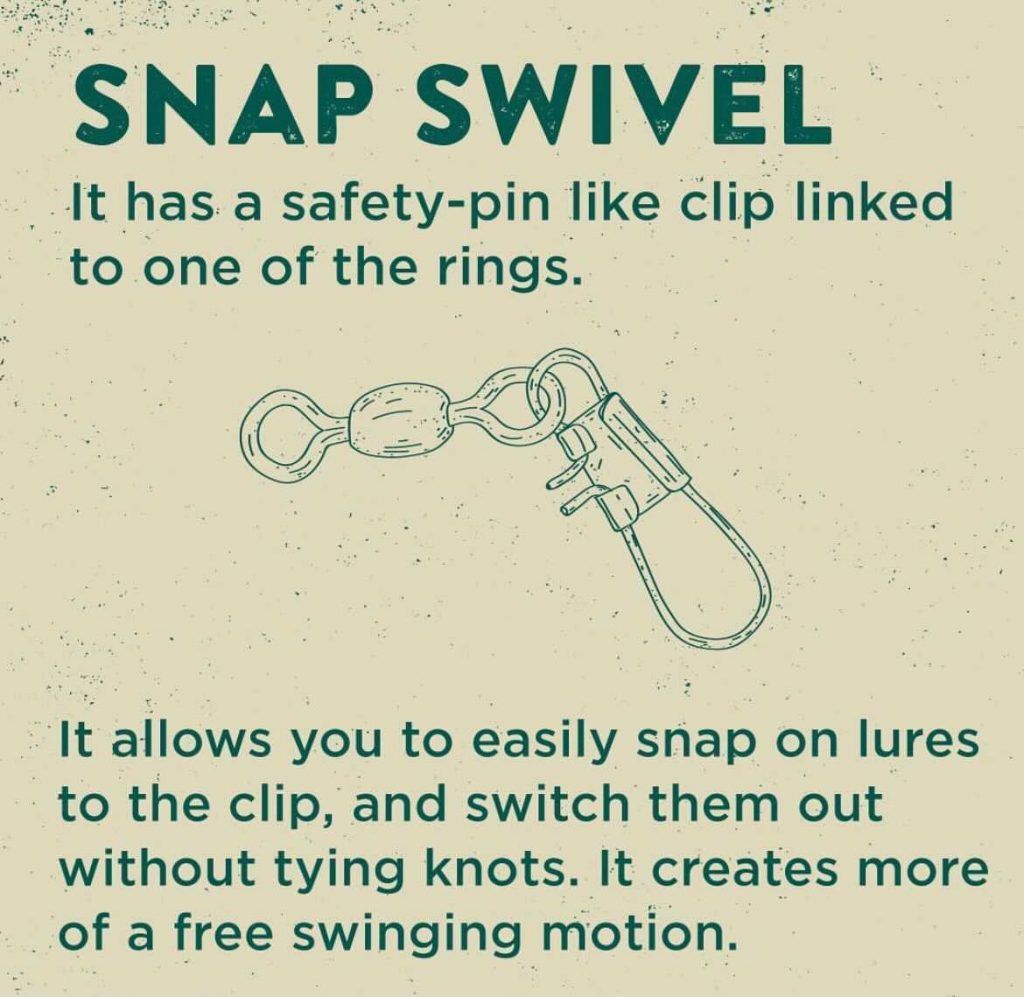
If you want to make your fishing experience smoother and more successful, knowing how to tie swivels on your fishing line is a must. A properly tied swivel keeps your line from twisting and tangling, saving you time and frustration on the water.
Whether you’re a beginner or have some experience, mastering this simple skill will boost your confidence and improve your catch rate. Keep reading, and you’ll learn easy, step-by-step methods to tie swivels quickly and securely every time.
Choosing The Right Swivel
Swivels help keep your fishing line from twisting. Picking the right swivel makes your fishing easier and better.
There are different types and sizes of swivels. Knowing how to match them to your line is important.
Types Of Swivels
Swivels come in several types. Each type has a specific use in fishing.
- Barrel swivels are common and simple to use.
- Ball bearing swivels spin freely and reduce line twist better.
- Crane swivels have a strong design for heavy loads.
- Three-way swivels connect three lines for special rigs.
Choose the swivel type based on the fish and fishing style you use.
Matching Swivel Size To Line
Swivels come in different sizes. Match the swivel size to your fishing line strength.
Using the right size prevents breaks and improves fishing results.
| Swivel Size | Line Strength (lb test) |
|---|---|
| Small (00 to 1) | 2 to 10 lbs |
| Medium (2 to 4) | 10 to 25 lbs |
| Large (5 to 7) | 25 to 50 lbs |
| Extra Large (8 and up) | 50+ lbs |
Check the swivel package for size and strength info. This helps pick the best match for your line.
Preparing The Fishing Line
Preparing your fishing line correctly helps you tie swivels securely. Good preparation makes the knot stronger and lasts longer.
Before tying a swivel, you should cut and moisten the line. These steps help the line hold better and avoid damage.
Cutting The Line
Cut the fishing line cleanly using sharp scissors or a line cutter. A clean cut prevents fraying and makes tying easier.
Do not bite the line or use dull tools. This can weaken the line and cause knots to slip.
- Use sharp scissors or a line clipper
- Cut the line straight and clean
- Avoid biting or tearing the line
- Trim the tag end after tying
Moistening The Line
Before tightening the knot, moisten the line with water or saliva. This reduces friction and heat.
Moistening helps the knot slide into place smoothly. It also prevents the line from weakening or breaking.
- Wet your fingers or the knot with water
- Use saliva if water is not available
- Moisten the line before pulling tight
- Avoid drying out the knot area
Basic Knot For Swivels
Tying swivels on your fishing line is important for smooth fishing. A good knot keeps the swivel strong and secure.
The basic knot for swivels is simple to learn. It helps stop the line from twisting and breaking.
Step-by-step Tying
Start by threading the fishing line through the swivel eye. Leave enough line for wrapping.
Wrap the tag end of the line around the main line five times. Keep the wraps tight and neat.
Pass the tag end back through the small loop near the swivel eye. Pull both ends slowly to tighten the knot.
- Thread line through swivel eye
- Wrap tag end around main line five times
- Pass tag end through small loop
- Pull tight to secure knot
Common Mistakes To Avoid
Do not leave the wraps loose. Loose wraps make the knot weak and easy to slip.
Do not cut the tag end too short. A short tag end may cause the knot to fail.
- Avoid loose wraps around the main line
- Keep the tag end long enough before trimming
- Do not pull the knot too fast or harshly
- Check the knot before fishing

Credit: www.youtube.com
Improved Clinch Knot
The Improved Clinch Knot is popular for tying swivels to fishing lines. It is strong and reliable, making it a top choice for many anglers.
This knot works well with most fishing lines, including monofilament and fluorocarbon. It is easy to learn and quick to tie on the water.
Tying Process
Thread the line through the swivel eye.
Wrap the loose end around the standing line five to seven times.
Pass the loose end through the small loop near the swivel eye.
Then, pass the loose end through the larger loop just created.
Moisten the knot with water or saliva.
Pull the loose end and standing line slowly to tighten the knot.
Trim the excess tag end close to the knot.
Advantages Of This Knot
Strong hold that resists slipping under pressure.
Easy to tie even in low light or cold conditions.
Works well with different types of fishing lines.
Compact knot that passes easily through rod guides.
Reliable for both freshwater and saltwater fishing.
| Feature | Benefit |
| Strength | Holds firmly under tension |
| Simplicity | Easy to tie and remember |
| Versatility | Works with many line types |
| Size | Small knot fits rod guides |
Palomar Knot Technique
The Palomar knot is a strong and simple knot used to tie swivels on fishing lines. It keeps your line secure and works well with many types of fishing lines.
This knot holds its strength even with slippery lines like braided ones. It is easy to tie and reliable for fishing.
Step-by-step Guide
Start by doubling about six inches of line. Pass the loop through the swivel eye.
Make a loose overhand knot with the doubled line, but do not tighten it yet.
Pass the swivel through the loop of the overhand knot.
Pull both ends of the line slowly to tighten the knot. Make sure the knot tightens evenly around the swivel eye.
Trim the tag end close to the knot, leaving a small tail for security.
When To Use Palomar Knot
Use the Palomar knot when you need a strong, reliable connection. It works well with monofilament, fluorocarbon, and braided lines.
This knot is best for attaching swivels, hooks, and lures. It keeps your tackle secure during casting and fighting fish.
- Use it with slippery fishing lines
- Good for heavy or light tackle
- Ideal for saltwater and freshwater fishing

Credit: mysterytacklebox.com
Testing Knot Strength
Knowing how strong your fishing knot is can save your catch. Testing knot strength helps avoid losing fish or gear.
Always check knots after tying swivels on your fishing line. A simple test shows if the knot holds well.
Pull Test Method
The pull test is an easy way to check knot strength. Hold the line near the knot and pull hard.
- Grip the fishing line close to the swivel knot.
- Pull the line steadily, increasing force.
- Watch if the knot slips or loosens.
- Stop pulling if the knot holds firmly.
- If the knot breaks or slips, retie it.
Signs Of A Weak Knot
| Sign | Description |
|---|---|
| Slipping | Knot moves along the line under tension |
| Loosening | Knot starts to untie or open up |
| Line Damage | Frayed or crushed fishing line near the knot |
| Breakage | Line snaps at or near the knot |
Check for these signs before fishing. A weak knot can cause you to lose fish and gear.
Tips For Knot Durability
Tying swivels on fishing lines needs strong knots. Durable knots keep your line safe and prevent losing fish.
Good knot care helps you fish longer without problems. Learn how to keep knots durable with simple tips.
Line Maintenance
Keep your fishing line clean and dry. Dirt and moisture weaken the knot and line strength.
- Rinse the line with fresh water after fishing.
- Dry the line before storing it.
- Check for frays or damage near the knot.
- Replace the line if it shows wear.
Re-tie Frequency
Regularly re-tying knots keeps your line strong. Old knots can slip or break easily.
| Time Fished | When to Re-tie |
| Less than 2 hours | Check knot, re-tie if loose |
| 2 to 6 hours | Re-tie before next use |
| More than 6 hours | Always re-tie |

Credit: www.ohero.com
Frequently Asked Questions
How Do I Tie A Swivel To Fishing Line Securely?
To tie a swivel securely, use the improved clinch knot or Palomar knot. These knots provide strong, reliable connections. Wet the line before tightening to prevent friction damage. Trim excess tag ends for a neat finish.
Why Should I Use Swivels In Fishing Lines?
Swivels prevent line twisting and tangling, improving casting and retrieval. They also allow lures or bait to move naturally in water. This increases the chance of attracting fish and reduces line wear.
What Is The Best Knot For Tying Swivels?
The Palomar knot is the best for tying swivels. It is strong, easy to tie, and works well with various line types. The knot retains high line strength and ensures the swivel stays secure.
Can I Tie Swivels On Braided Fishing Line?
Yes, you can tie swivels on braided lines. Use knots like the Palomar or improved clinch knot. Make sure to moisten the line before tightening to avoid weakening the braid fibers.
Conclusion
Mastering swivel tying boosts your fishing success. It keeps your line secure. Easy steps help avoid tangles. Practice makes perfect. With patience, you’ll tie like a pro. Enjoy a smooth fishing experience. Your catch rate may improve with time. Always use the right knot for the job.
Stay patient and persistent. Each trip brings new learning. Happy fishing adventures await you.