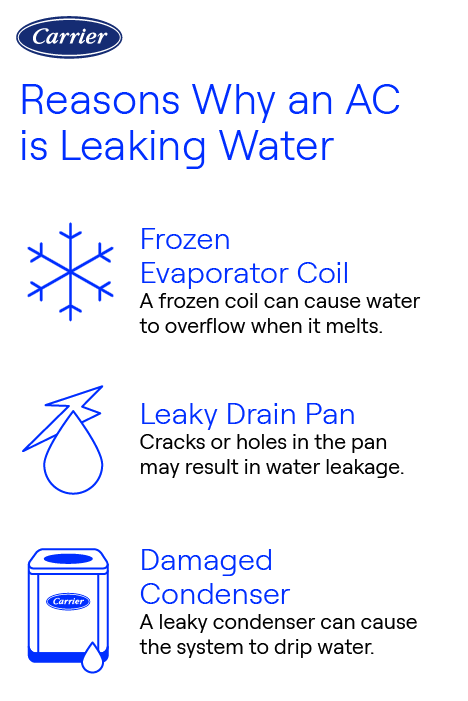
Is your air conditioner leaking water and leaving puddles around your home? This can be frustrating and worrying, especially when you rely on your AC to keep you cool and comfortable.
But don’t ignore this problem—water leaks can lead to bigger issues if not fixed quickly. You’ll discover the common reasons why your air conditioner is leaking water and what you can do to stop it. By understanding the causes, you’ll save money, avoid damage, and keep your home feeling just right.
Keep reading to find out how to protect your AC and your space from unwanted water leaks.
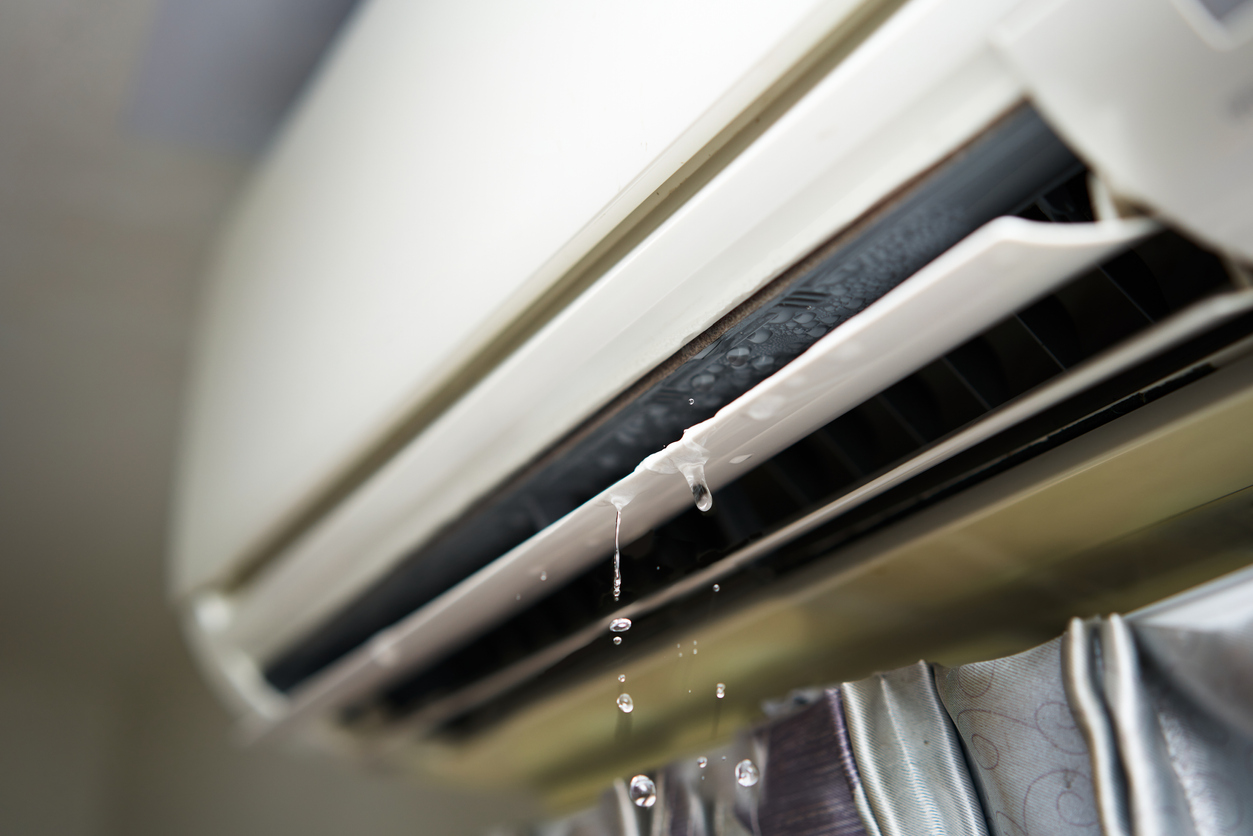
Credit: www.schaafsma.com
Common Causes Of Ac Water Leaks
Air conditioners sometimes leak water. This can cause damage to walls and floors.
Understanding the common causes helps fix the problem quickly. Here are some main reasons why your AC may be leaking water.
Clogged Drain Line
The drain line removes water from your AC. Dust and dirt can block it. This blockage causes water to back up and leak inside.
Frozen Evaporator Coil
The evaporator coil cools the air. If it freezes, ice forms and melts later. This extra water can leak from the AC unit.
Damaged Or Rusted Drain Pan
The drain pan collects water from the evaporator coil. Rust or damage can cause holes. Water then leaks onto the floor instead of draining properly.
Improper Installation
If the AC is not installed level, water does not flow to the drain line. This causes water to pool and leak inside your home.
Low Refrigerant Levels
Low refrigerant makes the evaporator coil too cold. This leads to ice forming and melting later. The melted ice can cause water leaks.
Dirty Air Filters
Dirty filters block airflow. This can cause the coil to freeze. When it melts, water leaks outside the drain pan.
- Check and replace air filters regularly.
- Keep the drain line clean and clear.
- Inspect the drain pan for damage or rust.
- Ensure the AC is installed properly and level.
- Maintain correct refrigerant levels with a professional.

Credit: honorservices.com
Signs Of A Leaking Air Conditioner
Air conditioners sometimes leak water, which can cause problems. Knowing the signs helps you fix leaks early.
Watch for clear signs to avoid damage and keep your home comfortable.
Visible Water Around Unit
Water pooling near or under the air conditioner shows a leak. This can happen inside or outside the house.
Check for wet spots or dripping water on the floor or ground near the AC unit.
- Wet patches on the floor under the unit
- Dripping water from the indoor vents
- Water stains on walls or ceilings near the AC
Unusual Musty Smell
A leaking air conditioner may cause a musty or moldy smell. This happens when water builds up inside the unit.
The smell can spread through your home with the airflow from the AC vents.
- Musty odor near air vents
- Smell grows stronger when AC runs
- Possible mold growth inside the unit
Reduced Cooling Efficiency
Leaks can stop the AC from cooling your home properly. Water buildup may block airflow or damage parts.
You might notice your home stays warmer than usual even when the AC is on.
- Longer time to cool rooms
- Warm air from AC vents
- Higher energy bills without better cooling
Increased Humidity Indoors
Water leaks cause more moisture inside your home. This raises indoor humidity levels, making rooms feel damp.
High humidity can make the air uncomfortable and may harm furniture or walls.
- Sticky or clammy feeling indoors
- Condensation on windows and walls
- Possible mold or mildew growth in rooms
Quick Fixes For Ac Water Leaks
An air conditioner that leaks water can cause damage to your home. It may also reduce the cooling efficiency. Fixing leaks quickly helps keep your AC running well.
Here are some simple ways to stop your air conditioner from leaking water. These fixes do not require special tools or skills.
Clearing The Drain Line
The drain line can get blocked by dirt and algae. This blockage causes water to back up and leak inside. Cleaning the drain line clears the path for water to flow out.
- Turn off the AC and power supply
- Locate the drain line outside the house
- Use a wet-dry vacuum to suck out blockages
- Pour a mixture of water and vinegar into the drain line
- Run the AC to check if water drains properly
Replacing Air Filters
Dirty air filters reduce airflow. This makes the coils freeze and then leak water when they thaw. Replace filters every 1–3 months to keep air flowing well.
Check the filter size before buying a new one. Slide the old filter out gently and insert the new one in the same direction.
Fixing Or Replacing Drain Pan
The drain pan collects water from the air conditioner. It can rust or crack over time. A damaged pan lets water leak onto floors or walls.
| Drain Pan Problem | Quick Fix |
| Small cracks or holes | Seal with waterproof tape or sealant |
| Large rust spots or damage | Replace the drain pan completely |
| Improper pan position | Adjust pan to sit level under coils |
Checking Refrigerant Levels
Low refrigerant makes coils freeze and drip water when thawing. You may notice less cooling or strange noises. A professional should check and refill refrigerant safely.
Repositioning The Unit
If the AC unit is tilted the wrong way, water will not drain properly. This causes leaks inside your home. Make sure the unit sits level or slightly tilted toward the drain line.
Use a carpenter’s level to check the tilt. Adjust the unit by adding shims or moving the mounting brackets as needed.
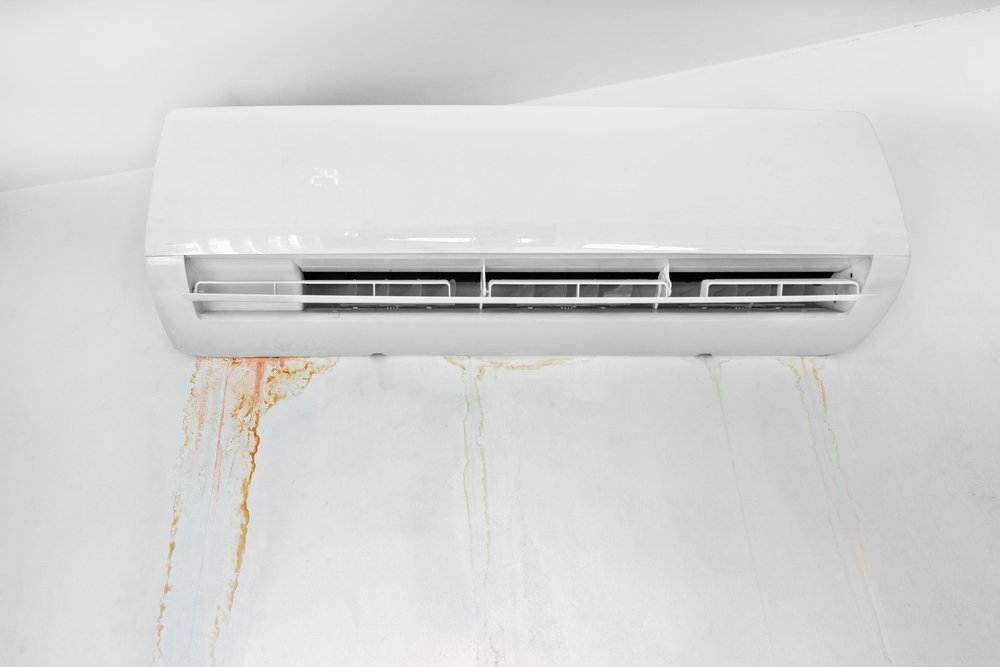
Credit: www.austingsmechanical.com
Preventive Tips To Avoid Water Leaks
Air conditioners can leak water if not cared for properly. Water leaks cause damage and reduce cooling.
Following simple preventive tips helps keep your AC dry and working well. Regular checks are key.
Regular Maintenance Schedule
Keep a regular maintenance schedule to avoid water leaks. Check and clean the drain line every few months.
- Turn off power before cleaning.
- Clear the drain pan of dirt and debris.
- Flush the drain line with water or vinegar.
- Check for cracks or clogs in the drain pipe.
Professional Inspections
Have a professional inspect your AC yearly. Experts spot hidden leaks and fix problems early.
| Inspection Focus | Purpose |
| Drain line | Check for blockages or damage |
| Coils | Look for ice buildup that causes leaks |
| Filters | Ensure they are clean and fitted well |
| Drain pan | Inspect for rust or holes |
Keeping Area Around Unit Clean
Clear the space around your AC. Dirt and leaves block airflow and cause moisture build-up.
- Remove leaves and grass near outdoor unit.
- Keep indoor space free from dust and clutter.
- Avoid placing plants too close to the AC.
- Ensure good airflow around the unit.
Using High-quality Filters
Use good quality filters and change them often. Dirty filters reduce airflow and cause leaks.
| Filter Type | Change Frequency |
|---|---|
| Basic fiberglass | Every 30 days |
| Pleated filters | Every 3 months |
| HEPA filters | Every 6 months |
When To Call A Professional
Air conditioner leaks can cause damage and discomfort. Sometimes, you can fix the problem yourself. Other times, it is best to call a professional technician.
Knowing when to seek expert help saves time and prevents bigger problems. Here are key signs that you need a professional to fix your leaking air conditioner.
Persistent Leaks After Diy Fixes
If water keeps leaking after you clean or unclog the drain line, it is time to call a professional. Persistent leaks may mean there is a deeper issue.
- Drain line blockages that are hard to reach
- Damaged or rusted drain pan
- Improper unit installation
Complex Mechanical Issues
Some mechanical problems require expert tools and knowledge. Do not try to repair complex parts yourself as this can cause more damage.
| Problem | Cause | Why Call a Professional |
| Broken condensate pump | Pump failure or electrical issue | Needs specialized repair or replacement |
| Clogged evaporator coil | Dirt buildup inside the coil | Requires professional cleaning tools |
| Damaged drain pan | Rust or cracks causing leaks | Needs proper replacement and sealing |
Refrigerant Handling Needs
Refrigerant leaks can cause water to drip and reduce cooling. Handling refrigerant requires certification and safety measures.
Reasons to call a pro for refrigerant issues:
- Proper leak detection
- Safe refrigerant recharging
- Compliance with environmental laws
Electrical Component Problems
Faulty electrical parts can cause the AC to malfunction and leak water. Professionals can safely diagnose and fix wiring or control board issues.
- Damaged wiring causing system failure
- Faulty thermostat or sensors
- Malfunctioning fan motors
Frequently Asked Questions
Why Is My Air Conditioner Leaking Water Inside?
Water leaks inside often due to clogged drain lines or blocked condensate pans. Dirt and debris block water flow, causing overflow and leakage.
Can A Dirty Air Filter Cause Ac Water Leakage?
Yes, a dirty air filter restricts airflow, causing ice buildup on coils. When ice melts, excess water can leak inside the unit.
How Does Improper Installation Cause Ac Water Leaks?
Incorrect installation can misalign drainage pipes or damage seals. This leads to water not draining properly, causing leaks inside or outside the unit.
What Role Does Low Refrigerant Play In Ac Leaks?
Low refrigerant causes evaporator coils to freeze. When the ice melts, it produces excess water that may leak from the air conditioner.
Conclusion
Water leaks from air conditioners cause concern for many. Simple issues often lead to these leaks. Clogged drains or dirty filters are common culprits. Regular maintenance can prevent such problems. Check your air conditioner periodically. Clean or replace filters when needed.
Ensure drain lines stay clear. Detecting leaks early saves money and stress. Protect your home from water damage. Hire a professional if unsure. A well-maintained air conditioner runs efficiently. It also keeps your home comfortable and dry. Remember, proactive care is key.
Stay cool and worry-free.