You rely on your motorcycle tires to keep you safe on every ride. But have you ever wondered how long your tires really last?
Knowing how many years motorcycle tires are good for can save you from unexpected blowouts and costly repairs. You’ll discover the key signs of tire aging, why tire lifespan matters, and how to make sure your tires are always ready to hit the road.
Keep reading to protect yourself and get the most from your ride.
Tire Lifespan Basics
Motorcycle tires wear out over time and need replacement. Knowing how long they last helps keep you safe on the road.
Tire lifespan depends on use, storage, and weather. Regular checks can prevent accidents and improve performance.
Average Years For Motorcycle Tires
Most motorcycle tires last about five years from the date of manufacture. This is true even if they look fine.
Using tires beyond this time can lead to cracks and loss of grip. It is best to replace tires within this period.
- New tires often have a date code on the sidewall
- Use tires within five years for best safety
- Even unused tires age and degrade over time
Factors Affecting Tire Longevity
Many things affect how long motorcycle tires last. Riding style, road conditions, and tire care all matter.
Proper storage and regular inspection can help extend tire life. Avoiding harsh weather keeps tires in good shape.
- Aggressive riding wears tires faster
- Hot or cold climates can age tires quickly
- Proper tire pressure prevents uneven wear
- Storing tires in cool, dry places helps longevity
- Road types like gravel or rough pavement increase wear

Credit: www.dunlopmotorcycletires.com
Signs Of Tire Aging
Motorcycle tires wear out over time and use. Old tires can be unsafe to ride on.
Knowing the signs of tire aging helps you decide when to replace them. Look closely for these signs.
Tread Wear Indicators
Tread wear indicators are small bars inside the tire grooves. They show how much tread remains.
- If the tread is level with these bars, the tire is worn out.
- Low tread depth reduces grip on the road.
- Replace tires before tread wears out completely.
Cracks And Dry Rot
Cracks appear on the tire surface as it ages. Dry rot causes the rubber to become brittle and break.
| Type of Damage | What to Look For | Risk Level |
| Small Cracks | Fine lines on sidewall or tread | Medium |
| Dry Rot | Hard, brittle patches and deep cracks | High |
| Deep Cracks | Large splits in rubber | Very High |
Deformation And Bulges
Deformation or bulges on the tire surface show internal damage. This can cause tire failure.
- Look for bumps or uneven shapes on sidewalls.
- Check for soft spots by pressing the tire surface.
- Deformed tires must be replaced immediately.
Storage Impact On Tire Life
Motorcycle tires do not last forever. How you store them affects their life. Proper storage can keep tires safe for many years.
Bad storage damages tires quickly. It can cause cracks, dryness, and loss of grip. Knowing how to store tires helps keep them fresh longer.
Proper Storage Conditions
Store tires in a cool, dry place away from sunlight. Keep them off the ground and avoid hot or humid areas. Use tire covers or bags to protect them from dust.
- Keep tires in a dark place to prevent UV damage
- Store at temperatures below 77°F (25°C)
- Use airtight bags to reduce exposure to air
- Place tires on shelves or hang them to avoid floor moisture
Rotate tires if stored on rims. This avoids flat spots and keeps the shape intact. Check tires regularly for any signs of damage.
Effects Of Poor Storage
Poor storage causes tires to age faster. Heat and sunlight break down rubber. Moisture causes mold and weakens tire structure.
- Cracks and dry rot appear on tire surface
- Loss of tire pressure due to leaks
- Deformation and flat spots form on tires
- Grip and safety reduce significantly
Tires stored in garages with chemicals or gasoline can absorb harmful substances. This makes the rubber brittle and unsafe to use.
Riding Habits And Tire Durability
Motorcycle tires wear out over time. How fast they wear depends a lot on how you ride. Your riding habits can shorten or lengthen the life of your tires.
It is important to understand how your style and the roads you ride on affect tire durability. This helps you know when to replace your tires safely.
Influence Of Riding Style
Aggressive riding speeds up tire wear. Hard braking, quick acceleration, and sharp turns put more stress on tires. Smooth and steady riding helps tires last longer.
- Fast acceleration heats tires, causing faster wear.
- Sharp turns wear out tire edges quickly.
- Hard braking can create flat spots on tires.
- Riding gently can extend tire life by months or years.
Impact Of Road Conditions
Road surfaces affect tire durability a lot. Rough or uneven roads cause more wear than smooth pavement. Riding on gravel or dirt can damage tires faster.
| Road Type | Effect on Tires |
| Smooth Asphalt | Low wear, longer tire life |
| Rough Pavement | Moderate wear, shorter life |
| Gravel or Dirt | High wear, possible damage |
| Wet Roads | Can reduce grip and increase wear |
Manufacturer Recommendations
Motorcycle tires have a limited lifespan, even if they look fine. Manufacturers give guidelines to help riders know when to replace tires. These rules keep you safe on the road.
Understanding these recommendations helps you avoid riding on old or worn tires. Always check your tire’s age and condition regularly.
Typical Expiry Dates
Most motorcycle tire makers say tires last between 5 and 7 years from the date of manufacture. This time frame varies by brand and tire type. Even if the tread looks good, the rubber can weaken with age.
- Racing tires may last only a year or two.
- Touring tires can last up to 7 years.
- Storage in heat or sunlight can shorten tire life.
- Check your tire’s sidewall for specific expiry info.
Checking Tire Date Codes
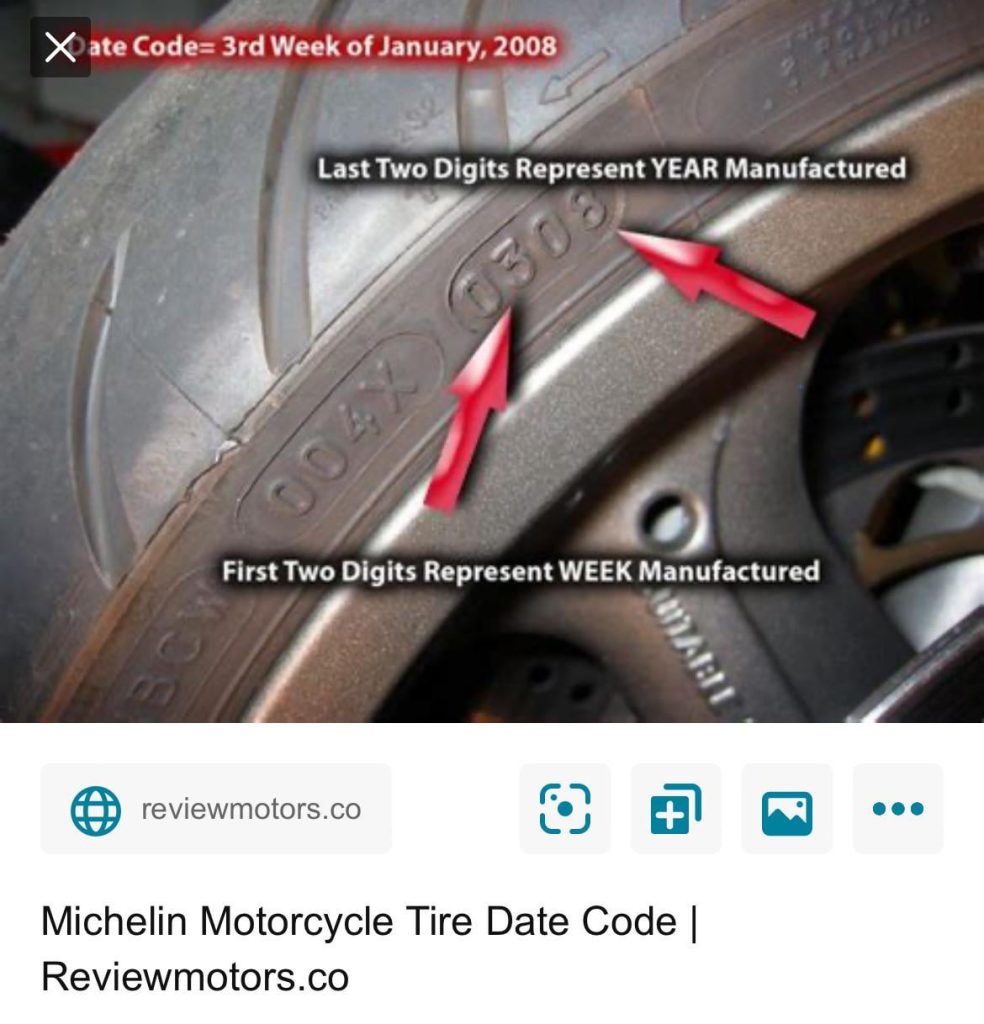
Every motorcycle tire has a date code on its sidewall. This code tells you when it was made. It uses a four-digit number where the first two digits are the week and the last two are the year.
| Date Code | Meaning |
| 2319 | 23rd week of 2019 |
| 0418 | 4th week of 2018 |
| 5217 | 52nd week of 2017 |
Check this code before buying or using tires. Replace tires that are over 5 years old, even if they look new.
Maintenance Tips To Extend Tire Life
Motorcycle tires do not last forever. Proper care can help you get more years out of them. Simple maintenance keeps your tires safe and strong.
Following easy steps can stop early wear and tear. Check your tires often and fix small issues quickly.
Regular Inspections
Look at your tires before each ride. Check for cracks, cuts, or objects stuck in the tread. Small problems can grow if ignored.
Also, check the tread depth. Tires with low tread lose grip and wear faster. Replace tires if tread is too thin.
- Check for cracks or cuts on the sidewall
- Look for nails or stones in the tread
- Measure tread depth regularly
- Replace tires with uneven wear or damage
Correct Tire Pressure
Keep your tires at the right pressure. Too much or too little air causes fast wear and poor handling. Use a pressure gauge often to check.
Check the pressure when tires are cold. Adjust to the pressure recommended by the motorcycle maker. This helps tires last longer and ride better.
- Check tire pressure weekly
- Use a quality pressure gauge
- Inflate tires to the recommended PSI
- Adjust pressure for heavy loads or long trips
Balancing And Alignment
Balanced tires spin evenly and wear out slower. Unbalanced tires cause vibration and uneven tread wear. Have your tires balanced by a professional.
Proper wheel alignment keeps tires from wearing on one side. Misalignment leads to fast tire damage. Check alignment during regular service visits.
- Get tires balanced after new installation
- Check balance if you feel vibrations
- Have wheel alignment checked yearly
- Fix alignment issues quickly
When To Replace Motorcycle Tires
Motorcycle tires wear out over time and use. Knowing when to replace them keeps you safe on the road.
Old or worn tires can cause poor handling and increase the risk of accidents. Check your tires regularly.
Mileage Benchmarks
Most motorcycle tires last between 3,000 to 15,000 miles. The exact mileage depends on the tire type and riding style.
Sport tires wear faster, often around 3,000 to 5,000 miles. Touring tires can last up to 15,000 miles or more.
- Check your tire’s expected mileage in the manual
- Replace tires near or after their mileage limit
- Do not rely on mileage alone; inspect tires visually too
Visual And Performance Cues
Look for signs of wear like low tread depth or cracks. These clues show your tires need replacing.
Performance changes such as poor grip or wobbling also mean it is time for new tires.
- Tread depth below 1/32 inch is unsafe
- Cracks or dry rot on the tire surface
- Bulges or flat spots on the tire
- Vibrations or wobbling while riding
- Poor grip on wet or dry roads

Credit: www.motorcyclistonline.com

Credit: www.motorcyclistonline.com
Frequently Asked Questions
How Long Do Motorcycle Tires Last Without Use?
Motorcycle tires generally last 5 to 6 years without use. Over time, rubber degrades even if unused. Store tires in a cool, dry place to extend lifespan.
What Factors Reduce Motorcycle Tire Lifespan?
Heat, UV exposure, improper storage, and infrequent use degrade tires faster. Riding habits and road conditions also affect tire longevity. Regular inspection helps identify wear and aging.
Can Old Motorcycle Tires Be Unsafe?
Yes, old tires can lose grip and develop cracks. This increases risks of blowouts and accidents. Replace tires every 5-6 years regardless of tread depth.
How To Check Motorcycle Tire Age?
Look for the DOT code on the tire sidewall. The last four digits indicate the week and year of manufacture. This helps determine if a tire is too old to use.
Conclusion
Understanding motorcycle tire lifespan helps ensure safety and performance. Regular checks are crucial. Look for signs like cracks and tread wear. Replace tires every five years as a rule. Weather and riding style affect tire life too. Store tires properly to extend their use.
Always prioritize safety over cost. A good tire means a smoother ride. Investing in quality tires pays off. Keep your bike ready for every journey. Stay aware and ride with confidence. Your safety depends on those wheels. Happy riding!