Are you tired of your fishing line slipping or your weight falling off just when you need it most? Knowing how to tie a weight onto your fishing line correctly can make all the difference between a frustrating day and a successful catch.
In this guide, you’ll learn simple, step-by-step techniques that anyone can master. By the time you finish reading, you’ll feel confident and ready to improve your fishing experience instantly. Keep reading to discover the easy tricks that will keep your weight secure and your line strong every time.

Credit: www.youtube.com
Choosing The Right Weight
Choosing the right weight for your fishing line is very important. The weight helps the bait sink to the right depth.
The right weight makes casting easier and helps catch more fish.
Types Of Fishing Weights
Fishing weights come in different shapes and materials. Each type works best in certain fishing spots.
- Split Shot: Small round weights that pinch on the line.
- Egg Sinkers: Oval shaped and slide freely on the line.
- Bullet Weights: Pointed shape for fishing in weeds or rocks.
- Bank Sinkers: Heavier and shaped like a triangle for strong currents.
- Pyramid Sinkers: Pointed for holding in sandy or muddy bottoms.
Selecting Weight Size For Conditions
Pick the size of the weight based on water and weather conditions. Heavier weights work better in strong currents or deep water.
Lighter weights are good for calm water and shallow fishing. Use the right size to keep your bait where fish are.
- Light weights (1/16 to 1/8 oz) for calm lakes and small streams.
- Medium weights (1/4 to 3/8 oz) for moderate currents and river fishing.
- Heavy weights (1/2 oz and up) for strong currents and deep water.
Preparing Your Fishing Line
Before tying a weight onto your fishing line, you must prepare the line properly. This ensures the weight stays secure and your fishing works well.
Proper preparation helps avoid line breaks and keeps your fishing gear strong. Two key steps are cutting the line and checking its strength.
Cutting The Line
Cut the fishing line cleanly to make tying easier. Use sharp scissors or a line cutter for a smooth cut.
A jagged or frayed end can cause knots to slip or break. Cut the line close to the spool or lure for the best result.
Checking Line Strength
Check the strength of your fishing line before adding a weight. Pull the line gently to test its durability.
Look for any thin spots, damage, or wear. Replace the line if you find weak points to avoid losing fish or tackle.
- Inspect the line for cuts or abrasions
- Test the line by pulling it moderately
- Replace weak or old line before fishing
Popular Knots For Attaching Weights
Tying weights securely to your fishing line is important for better casting and control. Different knots work well for this task. Choosing the right knot can keep your gear safe and reliable.
Below are three popular knots used by anglers to attach weights firmly and easily.
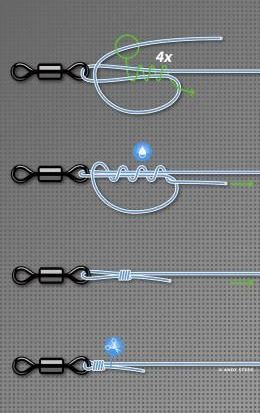
Improved Clinch Knot
The Improved Clinch Knot is common and simple. It works well with light to medium fishing lines. The knot holds the weight tightly and is easy to tie.
- Thread the line through the eye of the weight.
- Wrap the tag end around the standing line five to seven times.
- Pass the tag end through the small loop near the eye.
- Then, pass it back through the big loop just formed.
- Moisten the knot and pull it tight slowly.
- Trim the excess tag end close to the knot.
Palomar Knot
The Palomar Knot is strong and easy to tie. It works great with braided and monofilament lines. This knot keeps the weight secure even under pressure.
- Double about six inches of line and pass it through the eye.
- Tie a loose overhand knot with the doubled line.
- Pass the weight through the loop of the overhand knot.
- Pull both ends of the line to tighten the knot.
- Trim the tag end if needed.
Uni Knot
The Uni Knot is versatile and strong. It works well for attaching weights and other terminal tackle. This knot is easy to adjust before tightening.
- Pass the line through the eye of the weight.
- Make a loop by laying the tag end alongside the standing line.
- Wrap the tag end around both lines five times.
- Pull the tag end to tighten the coils.
- Slide the knot down to the eye.
- Pull the standing line to secure the knot.
- Cut the extra tag end.
Step-by-step Knot Tying
Tying a weight onto your fishing line helps your bait sink better. It also keeps your fishing setup stable in the water.
Follow these steps to tie a strong knot that will hold your weight securely.
Threading The Weight
Start by threading your fishing line through the hole in the weight. Make sure the line passes all the way through.
If your weight has a clip or loop, open it carefully and slide the line inside. Then close the clip to hold the weight in place.
Forming The Knot
Hold the end of the line and wrap it around the main line five times. Make sure the wraps are neat and tight.
After wrapping, pass the end of the line through the small loop near the weight. This creates a strong connection.
- Wrap line 5 times around the main line
- Thread line end through the small loop
- Keep wraps tight and close together
Tightening And Securing
Pull the knot end slowly while holding the main line. This tightens the knot and secures the weight firmly.
Wet the knot with water or saliva before tightening to reduce friction. Trim the extra line close to the knot for a clean finish.
Tips For Perfect Casting
Adding weight to your fishing line helps your bait reach the right depth. Good casting needs the right balance and care to avoid problems.
This guide covers key tips to improve your casting with weight on your line.
Balancing Weight And Bait
Balance the weight with your bait size. Too much weight can scare fish. Too little weight may not cast well.
- Use lighter weights for small or live bait.
- Heavier weights work better for bigger bait or stronger currents.
- Adjust weight based on how far you want to cast.
- Test your setup before casting to find the right feel.
Avoiding Line Twist
Line twist weakens your line and reduces casting accuracy. The way you tie the weight affects this.
Use these tips to reduce line twist:
| Method | Description |
|---|---|
| Use a swivel | Connect the weight to a swivel to let it spin freely. |
| Proper knot | Use knots like the Palomar or improved clinch knot. |
| Check line | Inspect your line often for twists and untangle if needed. |
Adjusting For Wind And Current
Wind and water flow change how your cast behaves. Change your weight and technique to fit conditions.
- Use heavier weights in strong wind or fast current.
- Cast at an angle to reduce wind impact.
- Lower your casting speed to keep control.
- Watch the water and adjust your setup as needed.

Credit: www.youtube.com
Common Mistakes To Avoid
Tying a weight onto fishing line may seem simple. But many anglers make mistakes that cause lost fish or broken lines. Avoid these errors for better fishing results.
Below are common problems to watch for. Fixing them helps your fishing line stay strong and your weight stay secure.
Loose Knots
Loose knots can easily slip or come undone. This causes the weight to fall off while fishing. Always tighten your knot well before casting.
- Make sure to wet the line before tightening the knot.
- Pull the knot slowly and firmly to avoid slipping.
- Trim excess line close to the knot for a neat finish.
- Practice tying common fishing knots like the improved clinch or Palomar knot.
Using Incorrect Weight
Choosing the wrong weight size causes problems. Too heavy weight can break the line or scare fish. Too light weight may not sink properly.
| Weight Size | Use For |
| 1/8 oz or less | Small fish in calm water |
| 1/4 oz to 1/2 oz | General fishing in moderate currents |
| 3/4 oz or more | Large fish or strong currents |
Ignoring Line Wear
Fishing line wears out over time. Old or damaged line weakens knots and increases breakage risk.
Check your line often for:
- Frays or nicks near the weight
- Discoloration or stiffness
- Thin spots from rubbing on rocks or guides
Replace line if you find damage to keep your setup strong.

Credit: www.youtube.com
Frequently Asked Questions
How Do I Tie A Weight Onto Fishing Line?
To tie a weight, thread the line through the weight’s hole. Make a loop, wrap the line around itself five times, then pull tight. This secures the weight firmly without slipping during casting or fishing.
What Is The Best Knot For Attaching Weights?
The Improved Clinch Knot is ideal for weights. It’s strong, simple, and reliable. This knot prevents the weight from sliding and maintains line strength, ensuring better fishing performance.
Can I Tie A Weight Without Special Tools?
Yes, you can tie a weight by hand. Use your fingers to hold the line and create loops. No special tools are needed, just practice to make the knot tight and secure.
Why Is Attaching Weight Properly Important In Fishing?
Properly attaching weight improves casting distance and accuracy. It also helps keep bait at the desired depth. A secure weight prevents line damage and loss of tackle, enhancing overall fishing success.
Conclusion
Tying a weight onto a fishing line is simple. Follow these easy steps. Secure knots ensure your weight stays in place. Practice makes perfect. Use the right weight for your fishing needs. Adjust as necessary. Properly attached weights improve your fishing success.
Enjoy the process. Fishing offers relaxation and excitement. Share your newfound skills with friends. Happy fishing!