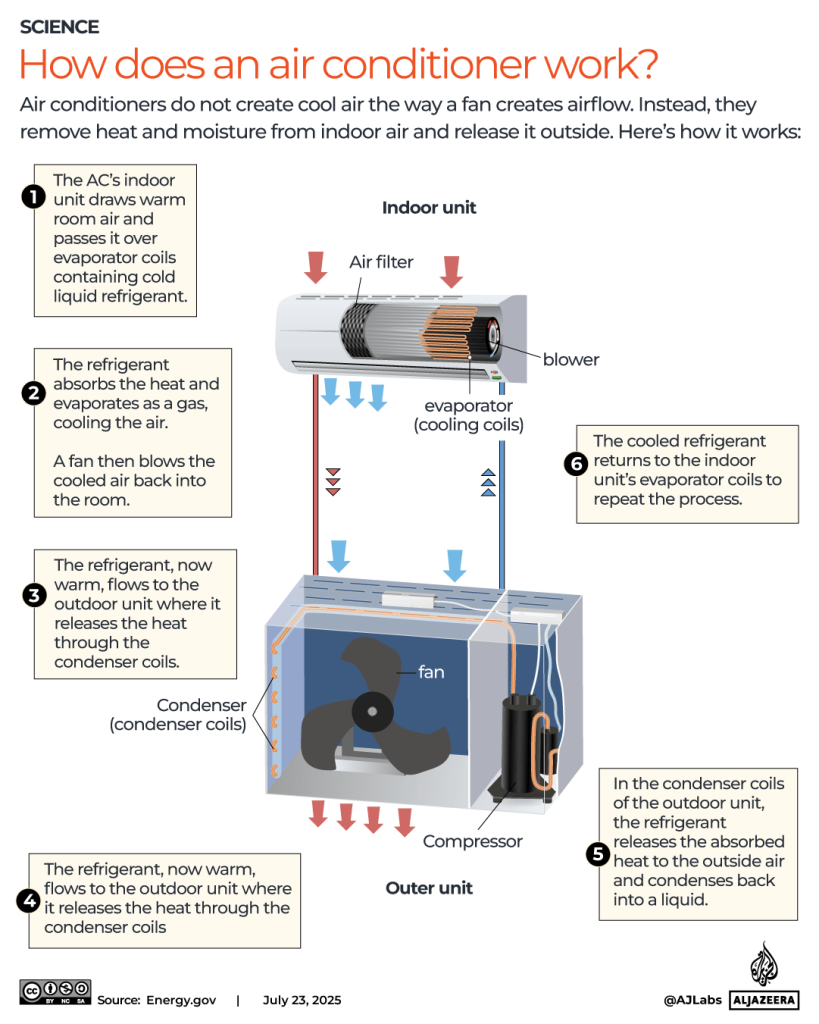
Have you ever wondered how your air conditioner keeps your home cool and comfortable on a hot day? Understanding how an air conditioner works can help you use it more effectively and even save on energy bills.
You’ll discover the simple steps behind your AC’s cooling process. By the end, you’ll know exactly what’s happening every time you switch it on—and how to get the most from your unit. Ready to become your own cooling expert? Let’s dive in.
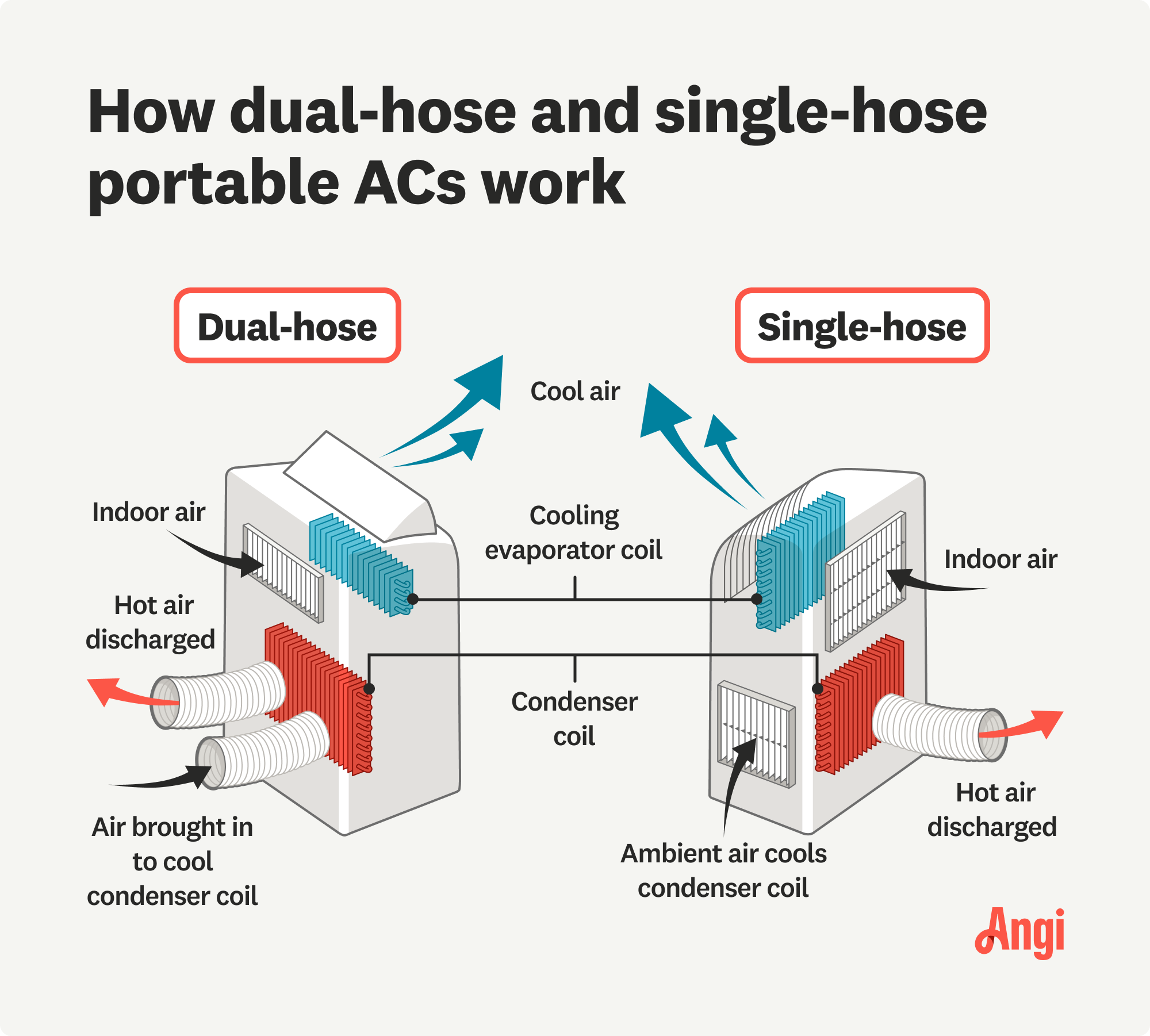
Credit: www.angi.com
Air Conditioner Basics
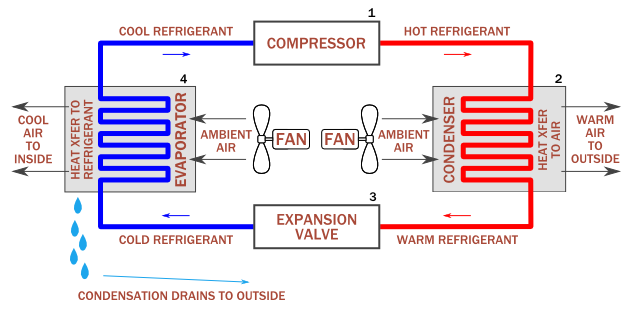
An air conditioner has several key componentsthat help it cool the air. The compressorsqueezes the refrigerant gas, making it hot. The condensercools this gas into a liquid. The expansion valvelowers the pressure of the liquid. The evaporatorabsorbs heat from the room, turning the liquid back into gas.
The cooling cycleworks by moving heat from inside to outside. The refrigerant changes between gas and liquid to carry heat away. This cycle keeps the room cool and comfortable.
| Type | Description |
|---|---|
| Window AC | Fits in a window, cools one room |
| Split AC | Has two units, quiet and efficient |
| Portable AC | Easy to move, cools small spaces |
| Central AC | Cools entire building through ducts |
Credit: medium.com
Setting Up Your Ac
Choosing the right sizeof an air conditioner is very important. An AC that is too small will not cool well. One that is too big will waste energy and cause humidity problems. Check the room size in square feet. Usually, 20 BTU per square foot is a good guide. For example, a 500 sq ft room needs a 10,000 BTU unit.
Good installationhelps the AC work well and last longer. Make sure the unit is level and secure. Use the correct screws and supports. Connect the power supply safely and follow the manual. Avoid placing the AC near heat sources or direct sunlight.
For best cooling, place the AC where air can flow freely. Avoid blocking vents with furniture or curtains. A spot near a window or wall is usually best. Keep the outdoor unit away from dust and plants. Proper placement helps the AC cool evenly and save energy.
Operating Your Air Conditioner
The control panel shows buttons and icons to manage the air conditioner.
Power button turns the unit on or off. Mode button changes how it cools or heats.
Temperature buttons set how cold or warm the air gets. Fan speed controls airflow strength.
| Cooling Mode | Purpose | Description |
|---|---|---|
| Auto | Automatic cooling | Adjusts temperature and fan speed by itself. |
| Cool | Cooling only | Keeps room cool at set temperature. |
| Dry | Dehumidify air | Removes moisture without much cooling. |
| Fan | Air circulation | Only moves air without cooling. |
- Press temperature up or down to set desired coldness.
- Change fan speed to low, medium, or high for airflow.
- Use remote or control panel buttons to make adjustments.
- Display shows current settings for easy reading.
Maximizing Efficiency
Energy-saving settingshelp reduce power use and save money. Set your air conditioner to a higher temperature when not at home. Use the “eco” or “energy saver” mode if available. These settings keep your room cool but use less electricity.
Using timers and smart features lets you control cooling times. Set the timer to turn off the AC when you don’t need it. Smart thermostats can learn your schedule and adjust automatically. This avoids running the AC too long.
Sealing and insulating your space keeps cool air inside. Check windows and doors for gaps and use weather stripping. Proper insulation in walls and ceilings stops heat from entering. This helps the AC cool your space faster and keeps it cool longer.
Maintenance Practices
Cleaning filtersregularly helps your air conditioner work better. Dirty filters block airflow and reduce cooling. Remove the filters and wash them with water. Let them dry before putting them back. This keeps the air clean and fresh.
Checking refrigerant levelsis key for cooling power. Low refrigerant means the AC can’t cool well. Look for signs like weak airflow or warm air. A professional can check and refill refrigerant safely.
Scheduling professional servicingonce a year keeps your AC in good shape. Experts clean parts, check for leaks, and fix problems early. This helps the AC last longer and saves money on repairs.
Troubleshooting Common Issues
Poor coolingoften happens due to dirty filters blocking airflow. Clean or replace filters regularly. Check if the thermostat is set to the right temperature. Make sure doors and windows are closed to keep cool air inside. Low refrigerant levels can also cause poor cooling and need a professional to fix.
Strange noisesmay come from loose parts or debris in the unit. Tighten screws and clear any blockages. A buzzing sound might mean electrical issues, requiring expert help. Rattling could be a fan problem; inspect the fan blades for damage or dirt.
Water leaksusually occur from clogged drain pipes or a frozen coil. Clear the drain line to let water flow freely. Check for ice buildup and turn off the AC to let it thaw. Ensure the unit is level to prevent water from leaking inside.
Upgrading And Replacing
Upgrading an air conditioner makes sense if your unit is old or breaks often. Units over 10-15 years often use more energy and cost more to run. Newer models cool better and use less power.
- Choose models with Energy Starlabel for better efficiency.
- Look for units with a high SEER rating(Seasonal Energy Efficiency Ratio).
- Smaller, properly sized units save energy and money.
Disposing of old AC units must be done carefully. Many units contain harmful refrigerantsthat need special handling.
- Take the old unit to a certified recycling center.
- Check if local waste services offer appliance pickup.
- Recycling helps recover metal parts and protects the environment.
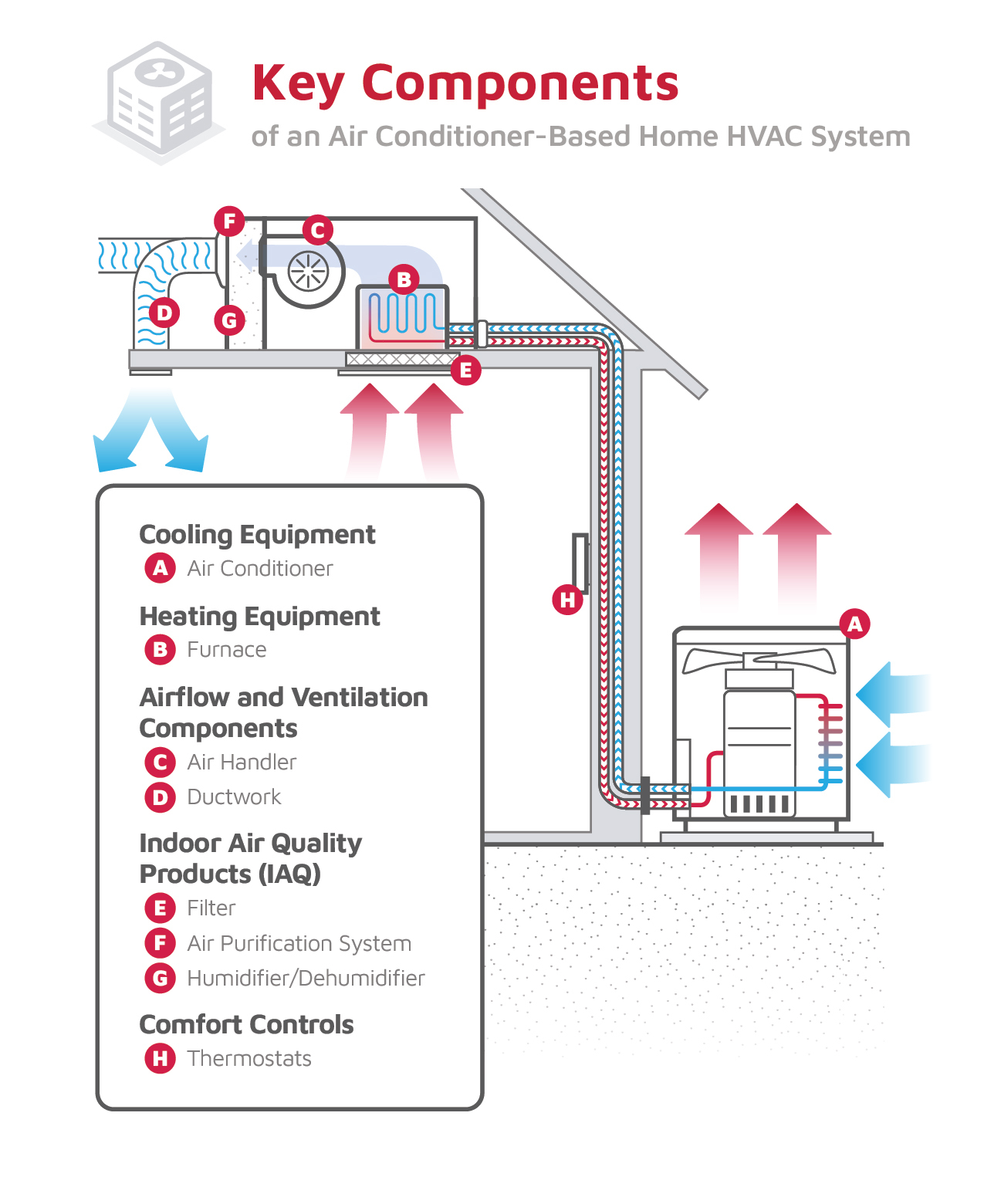
Credit: www.lennox.com
Frequently Asked Questions
How Does An Air Conditioner Cool A Room?
An air conditioner cools by removing heat and humidity from indoor air. It uses a refrigerant to absorb heat and expel it outside. The cooled air is then circulated inside, lowering the room temperature efficiently and maintaining comfort.
What Are The Main Components Of An Air Conditioner?
The main components include the compressor, condenser, expansion valve, and evaporator coil. The compressor pumps refrigerant, the condenser releases heat, the expansion valve regulates flow, and the evaporator absorbs heat from indoor air to cool the room.
How Does The Thermostat Control An Air Conditioner?
The thermostat detects room temperature and signals the AC to turn on or off. It maintains a set temperature by cycling the air conditioner, ensuring energy efficiency and consistent cooling based on user preferences.
Why Is Regular Maintenance Important For Air Conditioners?
Regular maintenance improves efficiency and prolongs AC life. Cleaning filters, coils, and checking refrigerant levels prevent breakdowns. It ensures optimal cooling, reduces energy costs, and keeps the air conditioner running smoothly.
Conclusion
Understanding your air conditioner boosts comfort and efficiency. Start with basic controls. Experiment with settings for the perfect temperature. Clean filters regularly to ensure smooth operation. Avoid overworking your unit for longer lifespan. Address unusual noises promptly to prevent major issues.
Routine maintenance keeps everything running well. Energy-efficient use saves money and reduces wear. Simple steps enhance performance and extend life. Keep an eye on changes in cooling. Stay informed about newer models and technologies. Learning how to use your AC effectively benefits everyone in your home.