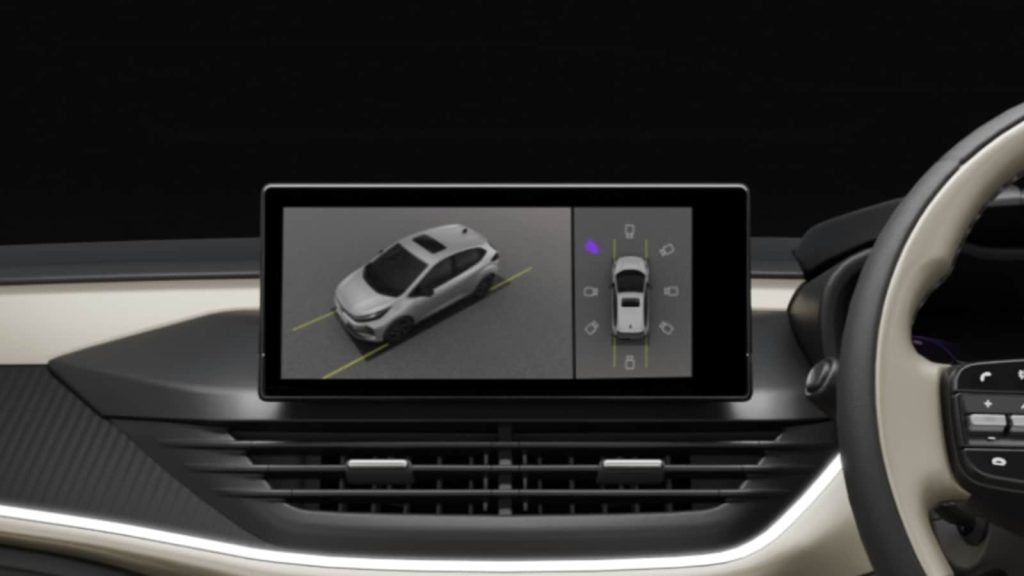
Have you ever wished you could see every angle around your car without turning your head? A 360 degree car camera makes that possible.
It gives you a full view of what’s happening all around your vehicle, helping you park better, avoid blind spots, and drive more safely. But how exactly does this amazing technology work? By the time you finish reading, you’ll understand the simple yet clever way these cameras give you a complete picture of your surroundings—and why they’re becoming a must-have for every driver like you.
Keep reading to discover how this smart system keeps your car safer and your driving stress-free.
360 Degree Camera Basics
A 360 degree car camera shows a full view around the vehicle. It helps drivers see all sides without turning their heads.
This system combines images from several cameras. It creates one clear picture of the car’s surroundings.
Components Of The System
The system has several key parts. Each part plays a role in showing a full view around the car.
Main components include cameras, a control unit, and a display screen inside the car.
- Cameras:Mounted on different car sides to capture images.
- Control Unit:Combines images into one 360 view.
- Display Screen:Shows the stitched image to the driver.
- Wiring or Wireless Links:Connect cameras and control unit.
Types Of Cameras Used
Different cameras capture the full area around the vehicle. Each camera type has unique features.
- Wide-Angle Cameras:Capture a large area with one lens.
- Fish-Eye Cameras:Offer a very wide view but slightly curved images.
- Standard Cameras:Provide clear, straight images but cover less area.
Most systems use fish-eye or wide-angle cameras. They help create a seamless 360 degree image.

Credit: www.rearviewsafety.com
Installation Process
Installing a 360 degree car camera improves your driving safety. The process involves placing cameras and connecting wires.
This guide explains how to install the system step by step. It covers camera placement and wiring details.
Camera Placement Around The Vehicle
Four cameras are placed around the car for full view. Common locations are the front, rear, and both side mirrors.
Each camera must be fixed securely for a stable image. The lens should face outward without obstruction.
- Front camera mounts near the grille or bumper
- Rear camera fits above the license plate
- Side cameras attach under side mirrors
- Ensure cameras are clean and free from dirt
Wiring And Connectivity
The cameras connect to a control box inside the car. Wires run from each camera to this central unit.
Wiring must be neat and hidden to avoid damage. Use clips or tape to secure cables along the car frame.
- Connect power wires to the car battery or fuse box
- Use video cables to link cameras to the control unit
- Check all connections for tightness and safety
- Test the system before finalizing the setup
Image Stitching Technology
360 degree car cameras create a full view around a vehicle. They use several small cameras placed on different sides. Image stitching technology joins these views into one clear picture.
This technology helps drivers see all angles without blind spots. It improves safety and makes parking easier.
How Cameras Combine Views
Each camera captures a part of the surroundings. These images overlap slightly at the edges. The system matches these overlaps to blend images smoothly. It removes repeated parts and adjusts colors for a natural look.
- Capture images from multiple cameras
- Align overlapping areas
- Blend edges to avoid seams
- Correct color and brightness differences
- Create one wide, continuous view
Software Algorithms Involved
Advanced software runs the stitching process. It uses algorithms to detect matching points in images. These points help align the pictures correctly. The software also fixes distortions caused by wide-angle lenses.
| Algorithm | Function |
| Feature Detection | Finds common points in images |
| Image Alignment | Matches and aligns overlapping areas |
| Blending | Combines images to hide seams |
| Color Correction | Balances colors and brightness |
| Distortion Correction | Fixes lens shape errors |
Real-time Monitoring
A 360 degree car camera shows live video from all around the vehicle. It helps drivers see blind spots and nearby objects. This improves safety while driving and parking.
The camera system uses multiple small cameras placed on the car’s front, back, and sides. Their video feeds combine to create one full view. Drivers watch this view on a screen inside the car.
Display Interfaces In Cars
The 360 degree camera system connects to the car’s display screen. This screen shows the stitched video in real time. It can be the main infotainment screen or a separate monitor.
Some cars offer different viewing modes. Drivers can switch between a top-down view, front view, or side views. The screen updates instantly as the car moves or turns.
- Central infotainment screen
- Digital instrument cluster
- Heads-up display (HUD)
- Dedicated camera monitor
User Controls And Settings
Drivers can control the camera views using buttons or touch controls. They can zoom in, change angles, or select specific cameras. Some systems adjust views automatically when parking or turning.
Settings allow customization of brightness, contrast, and guide lines. Users can save preferences for different driving situations. The controls make it easy to get the best view at any time.
- Touchscreen controls
- Physical buttons or dials
- Voice commands in some cars
- Automatic mode switching
Enhancing Driving Safety
A 360 degree car camera helps drivers see all around their vehicle. It uses several cameras placed on the car’s front, back, and sides.
This system improves awareness and reduces risks on the road. It supports safer driving in many ways.
Blind Spot Detection
The cameras show areas that are hard to see using mirrors alone. This helps drivers notice cars or obstacles in blind spots.
Alerts can warn the driver if another vehicle is in a blind spot. This lowers the chance of side collisions when changing lanes.
Parking Assistance
The 360 degree view makes parking easier and safer. Drivers see a full view around their car on the screen.
- Spot tight parking spaces quickly
- Avoid hitting curbs or objects
- Park smoothly in reverse or forward
- Get better distance control near obstacles
Collision Prevention
The system helps avoid accidents by showing a wide view of the road and surroundings. It can detect moving objects and alert the driver.
| Feature | How It Helps |
| Wide Angle Cameras | Show hidden pedestrians and vehicles |
| Real-Time Alerts | Warn driver of possible collisions |
| Automatic Braking | Stops car if collision risk is high |

Credit: www.vantrue.com
Limitations And Challenges
360 degree car cameras offer a wide view around the vehicle. They help drivers see blind spots and park easily. Still, these cameras face some limits and challenges. These affect how well they work in daily use.
Understanding these limits helps users know when to rely on the system. It also guides in keeping the system working well. Two main areas to consider are image quality in different conditions and system maintenance.
Image Quality In Different Conditions
The camera’s image quality can change a lot based on weather and light. Bright sunlight can cause glare, making it hard to see details. At night, low light can blur the image or hide objects.
- Rain or snow can cover camera lenses and reduce clarity.
- Dirt and dust on lenses lower image sharpness.
- Strong reflections from wet roads confuse the camera sensors.
- Fog causes blurry images and reduces distance visibility.
These conditions mean drivers should not depend only on camera images. Using mirrors and checking surroundings remain important for safety.
System Maintenance
Keeping the 360 degree camera system in good shape needs regular care. Without proper maintenance, the system may fail or give wrong images.
| Maintenance Task | Reason | Frequency |
| Clean camera lenses | Remove dirt, water, and dust | Weekly or after bad weather |
| Check wiring and connections | Prevent signal loss or shorts | Monthly |
| Update software | Fix bugs and improve performance | When updates are available |
| Inspect mounting points | Secure cameras firmly | Every 3 months |
Ignoring maintenance can cause camera misalignment or system errors. This leads to poor image quality or system shutdowns, reducing safety benefits.
Future Developments
360 degree car cameras will keep getting better in the future. New technology will make them smarter and more useful.
These cameras will help cars become safer and easier to drive. Let’s look at two big areas of growth.
Integration With Autonomous Driving
360 degree cameras will work closely with self-driving systems. They will provide a full view around the car to help it make decisions.
This will allow cars to detect obstacles, other vehicles, and pedestrians better. The cameras will send real-time data to the car’s computer.
- Help cars park automatically
- Guide lane changes safely
- Improve emergency braking
- Assist in navigating tight spaces
Advances In Camera Technology
Camera sensors will improve with higher resolution and better night vision. This will give clearer images in all conditions.
New cameras will be smaller and use less power. They will also connect better with other car systems for faster data sharing.
- Higher image quality
- Improved low-light performance
- Smaller and lighter cameras
- Faster data processing

Credit: www.prestigeautosound.com
Frequently Asked Questions
What Is A 360 Degree Car Camera System?
A 360 degree car camera system uses multiple cameras around the vehicle. It stitches images to create a bird’s-eye view. This helps drivers see all angles for safer parking and driving.
How Do 360 Degree Car Cameras Improve Driving Safety?
These cameras eliminate blind spots by showing a complete view. They assist in tight parking and avoiding obstacles. This reduces the risk of collisions and enhances overall road safety.
Can 360 Degree Cameras Work In Low Light?
Yes, most 360 degree cameras use infrared or night vision technology. This ensures clear visibility even in dark or low-light conditions. It helps drivers navigate safely at night.
How Is The 360 Degree Camera Image Displayed?
The system combines feeds from all cameras into one seamless image. This is shown on the car’s infotainment or dashboard screen. It provides a real-time, easy-to-understand surround view.
Conclusion
A 360-degree car camera boosts driving safety. It offers a complete view around the vehicle. This technology helps avoid blind spots and potential hazards. Drivers gain confidence with improved visibility. Parking becomes simpler. Maneuvering tight spaces is less stressful. This system enhances awareness on the road.
It’s a practical tool for modern drivers. Better safety. Easier driving. Consider it for your next vehicle upgrade. Stay safe with a 360-degree view. It’s more than a gadget; it’s peace of mind. Enjoy the road with added security. Drive smart and stay protected.