Have you noticed your car tires losing air more often than they should? It’s frustrating to find your tires flat or low, especially when you haven’t driven much.
You might wonder if there’s a hidden problem or if you’re just unlucky. The truth is, there are common reasons why your tires keep losing air, and understanding them can save you time, money, and stress. Keep reading to discover why this happens and what you can do to stop it for good.

Credit: www.reddit.com
Common Causes Of Air Loss
Car tires can lose air for many reasons. It is important to find the cause to keep your tires safe and working well.
This guide explains common causes of air loss in car tires. Knowing these helps you prevent flat tires and costly repairs.
Punctures From Sharp Objects
Tires often lose air because sharp objects like nails or glass pierce the rubber. These punctures make small holes that leak air slowly.
Driving over rough or debris-filled roads increases the risk of punctures. Small holes may not cause a sudden flat but will lower tire pressure over time.
- Nails
- Glass shards
- Metal fragments
- Sharp stones
Damaged Valve Stems
The valve stem is the part where you add air to the tire. If it is cracked or broken, air can escape easily.
Valve stems can wear out from age or get damaged by dirt and road debris. Even a small crack can cause slow air leaks that are hard to notice.
- Cracks from weather exposure
- Loose valve caps
- Dirt blocking the valve
Leaking Rim Seals
The rim seal is the area where the tire meets the wheel. If this seal is damaged, air can leak out slowly.
Corrosion or dirt on the wheel rim can break the seal. This problem often causes slow leaks that are hard to find without a close check.
- Rust on the wheel rim
- Dirt or debris between tire and rim
- Improper tire mounting
Credit: riiroo.com
Environmental Factors Affecting Tires
Your car tires can lose air for many reasons. Environmental conditions play a big role in this problem.
Changes in weather and exposure to chemicals can cause slow leaks or damage. Knowing these factors helps you keep your tires healthy.
Temperature Fluctuations
Air inside tires expands when it is warm and shrinks when it is cold. This causes tire pressure to change daily.
Cold weather can make tires lose air faster. This is because colder air holds less pressure. Check tire pressure often during winter and summer.
- Warm air increases tire pressure
- Cold air lowers tire pressure
- Rapid temperature changes can cause leaks
- Regular pressure checks prevent flat tires
Exposure To Harsh Chemicals
Harsh chemicals like oils, gasoline, and road salt can damage your tires. These substances can eat away the rubber and cause cracks.
Damaged tires lose air more quickly. Avoid parking where chemicals spill or pile up. Clean tires if they come in contact with these substances.
- Oils soften tire rubber
- Gasoline can cause tire cracks
- Road salt speeds up tire wear
- Cleaning tires removes harmful chemicals
Tire Wear And Age
Tires lose air for many reasons. Two common causes are wear and age. Old tires or worn tires often leak air without visible damage.
Understanding cracks, dry rot, and worn tread helps keep your tires safe and full of air longer.
Cracks And Dry Rot
Tires develop cracks as they age. Sunlight and heat can dry the rubber. This dry rot causes small cracks on the tire surface and sidewalls.
- Cracks let air escape slowly.
- Dry rot weakens the tire structure.
- Old tires are more prone to air loss.
- Cracked tires may fail suddenly while driving.
Worn Tread Impact
Worn tread reduces tire grip and increases air leaks. As tread wears down, the tire’s ability to hold air drops.
| Wear Level | Effect on Air Loss |
|---|---|
| New Tires | Minimal air loss |
| Moderate Wear | Some air leakage possible |
| Severe Wear | High risk of leaks and blowouts |
Improper Tire Maintenance
Your car tires lose air for many reasons. One common cause is poor tire maintenance.
If you do not care for your tires properly, air loss can happen often. This can make driving unsafe.
Incorrect Inflation Pressure
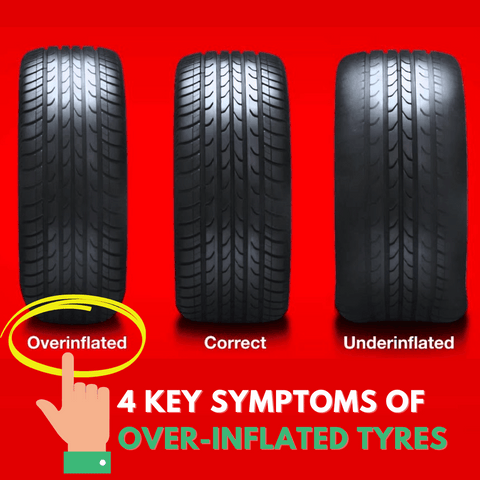
Keeping the right tire pressure is very important. If the pressure is too low or too high, tires lose air.
Too low pressure can cause the tire to flex more. This wears out the tire and causes leaks.
- Check tire pressure monthly with a gauge
- Use the pressure recommended in your car manual
- Adjust pressure before long trips or heavy loads
Neglected Tire Inspections
Regular tire checks help find problems early. If you ignore inspections, small issues can cause air loss.
Look for cracks, nails, or worn spots. These can let air escape slowly or suddenly.
- Inspect tires weekly for cuts or objects
- Check the tread depth to avoid bald tires
- Replace tires that show damage or uneven wear
How To Detect Air Leaks
Your car tires lose air when there is a leak. Finding the leak helps you fix it fast. Some leaks are easy to see, others need tests.
Use simple checks to find leaks. This saves money and keeps your tires safe.
Visual Inspection Techniques
Look closely at your tires for signs of damage. Check for nails, cuts, or cracks on the tire surface.
Also, inspect the valve stem where air enters the tire. Dirt or cracks there can cause leaks.
- Check tread and sidewalls for sharp objects
- Look for bubbles or blisters on the tire
- Inspect valve stem for damage or dirt
- Examine the area where the tire meets the rim
Using Soapy Water Test
Mix water and soap to make a bubbly solution. Apply it on the tire where you suspect air leaks.
Watch for bubbles forming. Bubbles show air escaping from a small hole or crack.
- Mix one part soap with three parts water
- Use a spray bottle or sponge to apply
- Cover valve stem, tread, and sidewalls
- Look carefully for bubbling areas
Preventive Measures
Car tires lose air for many reasons. Taking simple steps helps keep tires inflated longer. Regular care can prevent frequent air loss.
These preventive measures protect your tires and improve driving safety. Focus on rotation, inflation, and repairs.
Regular Tire Rotation
Rotating tires moves them to different positions on the car. This spreads wear evenly. Uneven wear causes leaks and air loss.
- Rotate tires every 5,000 to 7,000 miles
- Follow your vehicle’s rotation pattern
- Check tires for damage during rotation
- Keep track of rotation dates for maintenance
Proper Inflation Practices
Correct tire pressure helps tires last longer and avoids leaks. Under-inflated tires lose air faster and wear out unevenly.
| Action | Details |
|---|---|
| Check Pressure | Use a tire gauge monthly and before long trips |
| Maintain Pressure | Inflate tires to the car maker’s recommended PSI |
| Adjust for Temperature | Check pressure changes in cold or hot weather |
| Avoid Over-Inflation | Do not inflate beyond the max PSI on the tire sidewall |
Timely Repairs And Replacements
Fixing tire issues quickly stops slow leaks and air loss. Replace tires that show deep cuts or sidewall damage.
- Inspect tires monthly for nails, cracks, or holes
- Repair punctures under 1/4 inch promptly
- Replace tires older than 6 years or with worn tread
- Use professional services for repairs and replacements

Credit: americandreamautoprotect.com
Frequently Asked Questions
Why Do Car Tires Lose Air Quickly?
Car tires lose air due to small punctures, valve issues, or poor rim seals. Temperature changes also cause pressure drops. Regular checks help identify leaks early and maintain proper tire pressure for safety and performance.
How To Find Slow Leaks In Car Tires?
Slow leaks can be found by applying soapy water on the tire. Bubbles indicate air escaping. Inspect valve stems and rims closely. Using a tire pressure gauge regularly helps detect gradual pressure loss.
Can Weather Changes Cause Tire Air Loss?
Yes, cold weather contracts air inside tires, lowering pressure. Hot weather expands air but can cause leaks if tires are damaged. Monitoring tire pressure during seasonal changes ensures optimal tire performance and safety.
Is A Faulty Valve Responsible For Air Loss?
A faulty valve often causes slow air leaks. Damaged or corroded valve stems fail to seal air properly. Replacing faulty valves is a quick fix to prevent continuous tire deflation.
Conclusion
Tire issues can frustrate any car owner. Common causes include punctures, valve stem problems, or temperature changes. Regular checks help maintain tire pressure. This extends tire life and improves safety. Proper maintenance prevents unexpected deflation. Ensure to inspect your tires routinely.
Always use a reliable pressure gauge. Replace damaged tires promptly. Consult a professional for persistent issues. Good tire care leads to a smooth driving experience. Keep your tires in top shape. Drive safely and confidently.