Are you wondering if running a dehumidifier can make your air conditioner work better? You’re not alone.
When the air feels sticky and heavy, it’s natural to want to find a simple way to feel cooler and more comfortable. But does adding a dehumidifier actually help your AC, or could it waste energy and money? You’ll discover how these two devices interact, and whether using a dehumidifier is the secret to a cooler, fresher home.
Keep reading to find out how you can make your indoor air feel just right without breaking the bank.
How Dehumidifiers Work
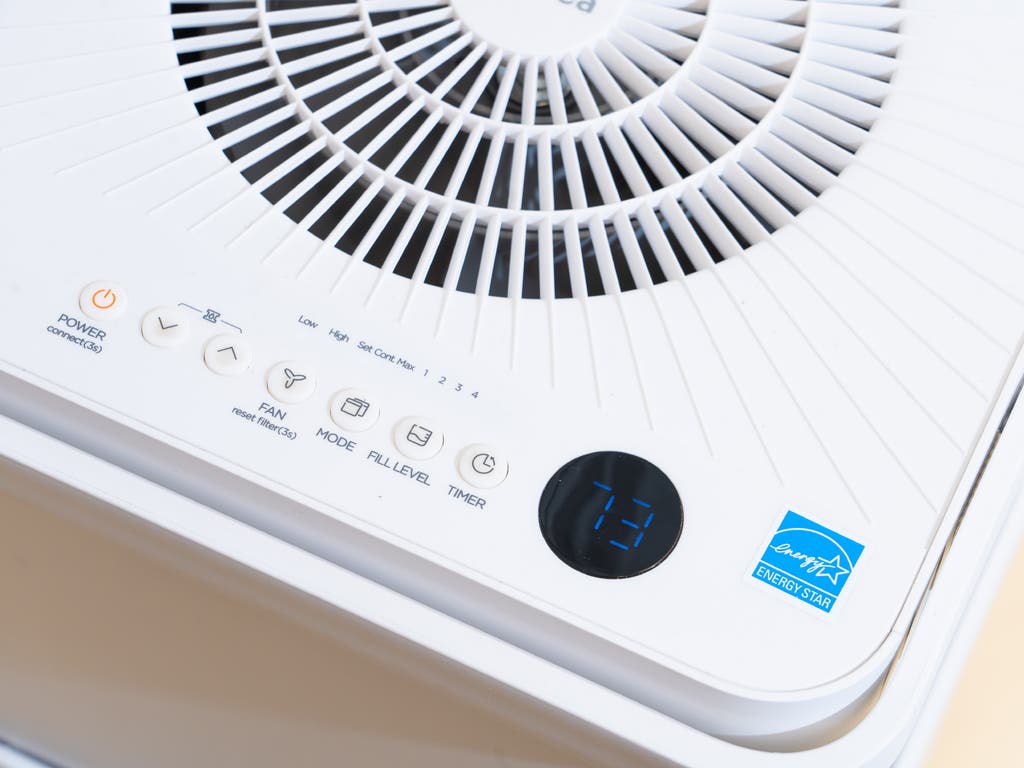
A dehumidifierpulls moisture from the air. It uses a fan to draw air inside. The air passes over cold coils. Water condenses on the coils and collects in a tank or drains out. This process lowers the room’s humidity level. Dryer air feels cooler and more comfortable.
| Type | How It Works | Best For |
|---|---|---|
| Refrigerant | Air cools on cold coils, water collects | Homes and offices |
| Desiccant | Uses a material to absorb moisture | Low temperatures and basements |
| Thermo-electric | Uses Peltier effect to cool air | Small rooms or personal use |

Credit: www.nytimes.com
Impact Of Humidity On Air Conditioners
Humidityaffects how well an air conditioner cools a room. High humidity makes the air feel warmer and heavier. This forces the air conditioner to work harder to remove moisture and cool the space. It lowers the cooling efficiencyand can cause the system to run longer.
Running a dehumidifier reduces the moisture in the air. This helps the air conditioner cool more easily and quickly. The air feels cooler and more comfortable without extra moisture.
| Humidity Level | Effect on Air Conditioner | Energy Use |
|---|---|---|
| Low (30%-40%) | Easy cooling, faster cycle | Lower energy consumption |
| Moderate (40%-60%) | Normal cooling, moderate cycle | Moderate energy consumption |
| High (60%+) | Hard cooling, longer cycle | Higher energy consumption |
Reducing humidity can save energyand lower electricity bills. It also helps the air conditioner last longer by reducing strain.
Energy Savings With Dehumidifiers
Running a dehumidifiercan help reduce the work of an air conditioner. By removing extra moisture from the air, the AC does not need to cool the air as much. This lowers energy useand can save money on electricity bills.
Keeping humidity at the right level also makes rooms feel cooler and more comfortable. This means you might set the AC at a higher temperature and still feel cool.
| Humidity Level | Comfort Level |
|---|---|
| 30% – 50% | Optimal for comfort and energy saving |
| Above 60% | Feels sticky and uncomfortable |
| Below 30% | Air feels dry and may cause irritation |
- Dehumidifiers reduce moisture, easing AC load.
- Lower AC use means less energy spent.
- Ideal humidity is between 30% and 50%.
- Comfort improves when humidity is controlled.
When Using A Dehumidifier Helps
High humidity climatesmake air feel heavy and uncomfortable. Running a dehumidifier can remove excess moisture from the air. This helps the air conditioner work more efficiently. The AC does not have to cool as much water vapor, so it uses less energy. Rooms feel cooler and more comfortable with lower humidity. Dehumidifiers also help stop mold and mildew growth, which thrive in moist conditions.
Indoor air quality benefitsinclude cleaner air and less dust. Dehumidifiers reduce moisture that dust mites and allergens love. This can help people with allergies or asthma breathe easier. The air feels fresher and less sticky. Using a dehumidifier with an air conditioner can improve overall home comfort.
Potential Drawbacks
Running a dehumidifier uses extra electricity, which can raise energy bills. It works alongside the air conditioner but adds to the total power use. This means the energy savings might not be as highas expected.
Placement of the dehumidifier matters a lot. It should be in a spot with good air flow. Poor placement makes it work harder and less efficiently. Regular cleaning and maintenance are needed to keep it running well. Filters and water tanks must be checked often to avoid problems.

Credit: www.nytimes.com
Tips For Maximizing Energy Efficiency
Combining a smart thermostatwith a dehumidifiercan cut energy use. The smart thermostat keeps room temperature steady, so the air conditioner runs less. The dehumidifier removes moisture, making air feel cooler without extra cooling.
Use the smart thermostat to set higher temperatures on humid days. The dehumidifier will handle the dampness, so the AC does not need to work hard. This saves electricity and keeps you comfortable.
- Set the smart thermostat to adjust based on humidity levels.
- Run the dehumidifier during peak humidity times.
- Keep doors and windows closed to trap dry air.
- Clean filters regularly for both devices to work well.

Credit: www.everydayhealth.com
Frequently Asked Questions
Will Running A Dehumidifier Reduce Ac Energy Use?
Yes, a dehumidifier lowers indoor humidity, easing AC workload. This can reduce energy consumption and improve cooling efficiency.
Can A Dehumidifier Improve Indoor Air Comfort?
Absolutely. Removing excess moisture with a dehumidifier makes the air feel cooler and less sticky, enhancing comfort during hot days.
Does Using A Dehumidifier Extend Air Conditioner Lifespan?
Using a dehumidifier reduces strain on the AC by lowering humidity. This can help prolong the air conditioner’s lifespan and performance.
Should I Run A Dehumidifier And Ac Simultaneously?
Running both together can be beneficial in very humid climates. The dehumidifier tackles moisture while the AC cools, improving overall air quality.
Conclusion
Running a dehumidifier can support your air conditioner’s efficiency. It reduces humidity, making your home more comfortable. This combination can lower energy use and save money. Air conditioners cool better in drier air. Less humidity means less strain on your unit.
You may notice cooler air and a more pleasant environment. Consider a dehumidifier if your air feels sticky or damp. It can improve air quality and comfort. A simple way to enhance your cooling system’s performance.