Have you ever wondered how your room air conditioner keeps you cool on a hot day? You might think it’s magic, but there’s a fascinating process behind that refreshing breeze.
Understanding how your air conditioner works can help you use it more efficiently and even save on energy bills. You’ll discover the simple steps your AC takes to turn warm air into cool comfort. Keep reading—you’ll be surprised at how easy it is to grasp what’s happening inside that box on your wall.
Credit: www.dreo.com
Basic Principles Of Room Air Conditioners
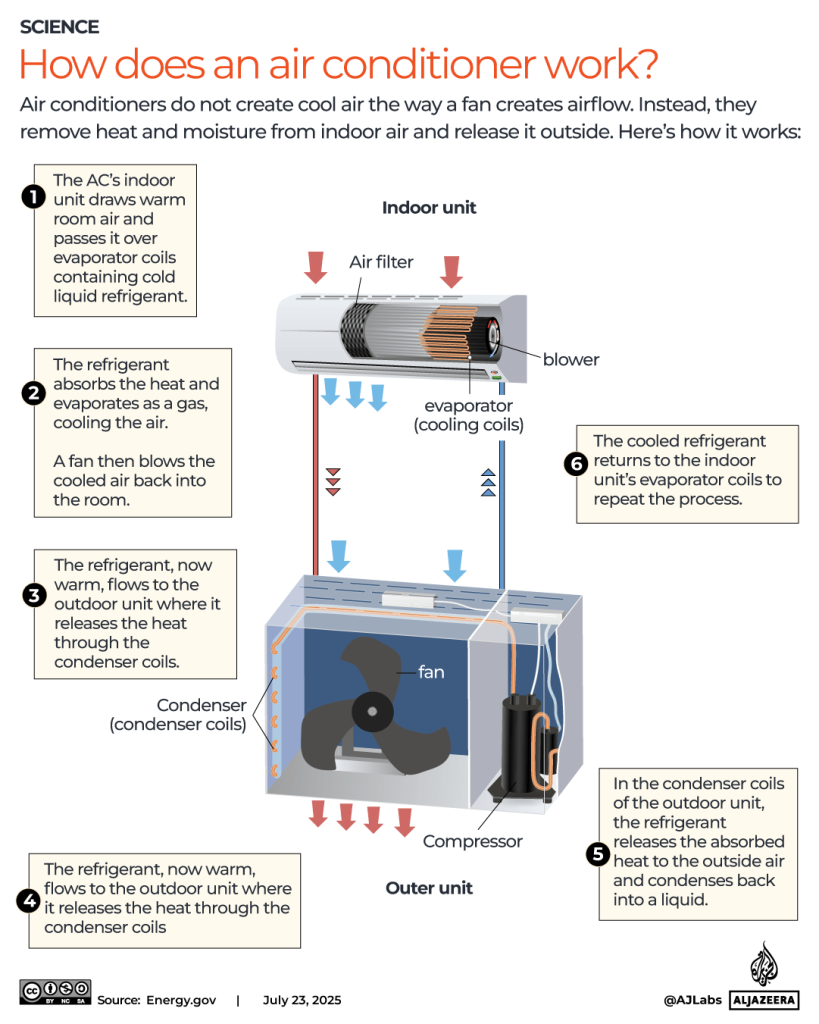
Room air conditioners work by moving heat from insidea room to the outside. This process uses a special liquid called a refrigerant. The refrigerant changes between liquid and gas to help cool the air.
The cooling cyclestarts when warm air from the room passes over cold coils. These coils contain the refrigerant, which absorbs heatand turns into gas. The gas then moves outside, releasing heat and turning back into liquid.
This heat transferprocess keeps repeating. It removes heat from inside and sends it outdoors. This way, the air conditioner cools the room efficiently.
| Step | Description |
|---|---|
| Cooling Cycle | Warm air cools as refrigerant absorbs heat and changes state |
| Role of Refrigerants | Absorb and release heat by changing from liquid to gas and back |
| Heat Transfer | Heat moves from inside to outside, cooling the room air |
Credit: www.angi.com
Key Components Of Air Conditioners
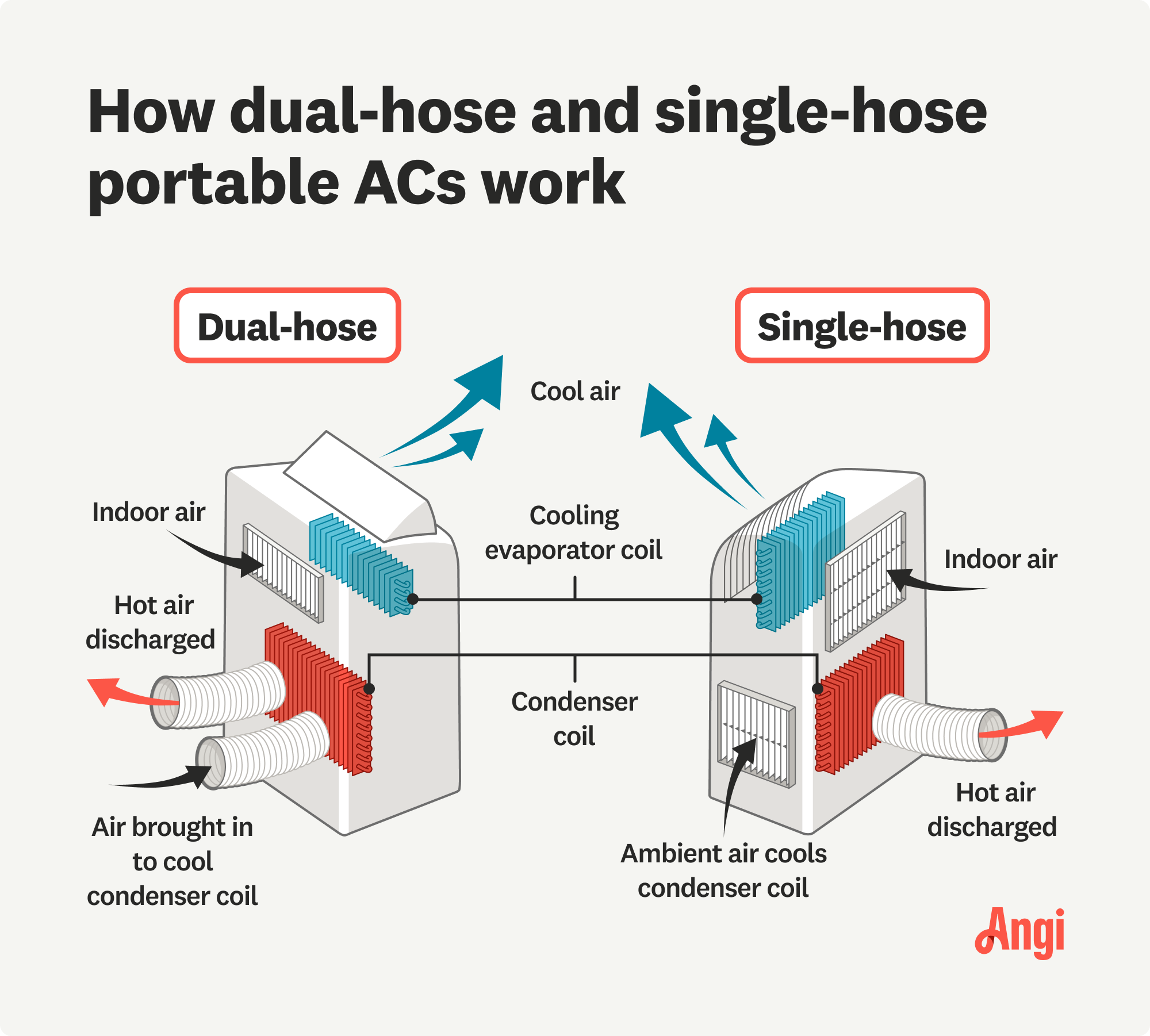
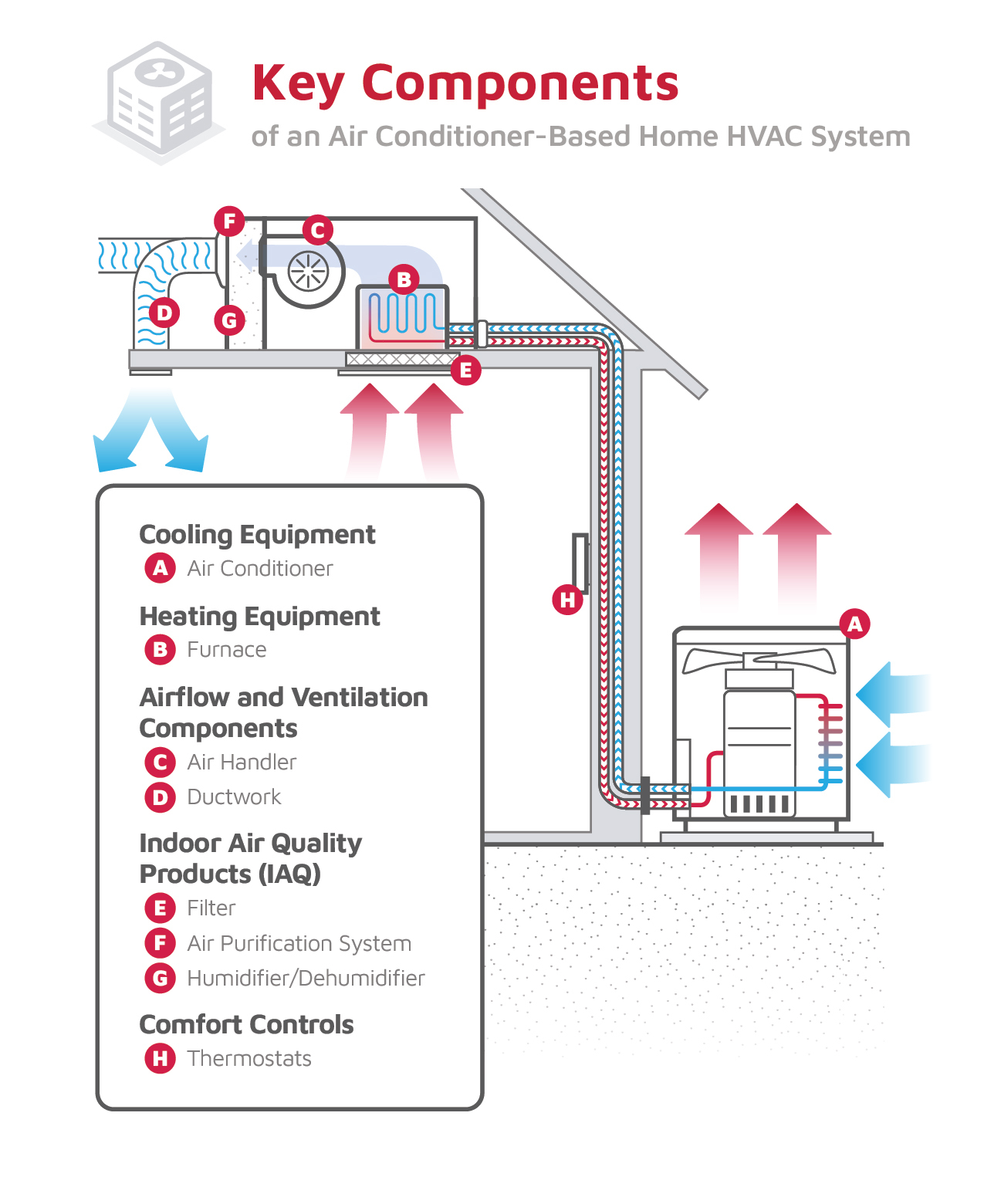
Compressorpumps refrigerant through the system. It raises the refrigerant’s pressure and temperature, turning it into a hot gas.
Condenser unitcools the hot gas. It turns the gas into a liquid by releasing heat outside the room.
Evaporator coilabsorbs heat from the room air. The liquid refrigerant evaporates here, cooling the air around it.
Expansion valvecontrols the flow of refrigerant. It lowers the pressure and temperature before the refrigerant enters the evaporator coil.
Air filtersclean the air that flows into the unit. They trap dust and dirt, helping the air conditioner work well and keep the air fresh.
How Air Is Cooled And Circulated
Air intakehappens as the air conditioner pulls warm air inside. A filtertraps dust and dirt to keep the air clean. This step is important for health and machine life.
The heat removal mechanismuses a refrigerant. It absorbs heat from the air inside the room. The refrigerant then moves outside where it releases heat. This cools the air before it returns inside.
Air distributionhappens through a fan. It blows the cooled air back into the room. The air spreads evenly to cool the whole space. This keeps the room comfortable and fresh.
Energy Efficiency And Performance
SEER ratingsshow how well an air conditioner saves energy. Higher SEER means better efficiency. Typical ratings range from 13 to 21. A unit with a higher SEER uses less electricity to cool the same space.
Several factors affect efficiency:
- Size of the room and AC unit
- Proper insulation and sealing
- Outdoor temperature and humidity
- Maintenance like cleaning filters
Simple tips to improve performanceinclude:
- Keep filters clean to allow airflow
- Close windows and doors when AC runs
- Use curtains to block direct sunlight
- Set thermostat at a moderate temperature
- Schedule regular professional check-ups
Common Issues And Troubleshooting
Insufficient coolingoften happens due to a dirty filter blocking air flow. Check if the filter needs cleaning or replacement. Another cause is low refrigerant levels, which require a professional to fix. Poor sealing around windows or doors also lets warm air in, making cooling less effective.
Unusual noisescan signal problems inside the unit. A rattling sound may mean loose parts or debris inside. Buzzing noises often come from electrical issues or a failing motor. Humming could mean the compressor is struggling. Turn off the unit and call a technician if noises persist.
Maintenance practiceskeep your air conditioner running well. Clean or replace filters every month during use. Wipe down the coils to remove dust and dirt. Clear debris around the outside unit for good airflow. Regular checks help spot small issues before they grow.
Choosing The Right Room Air Conditioner
Choosing the right room air conditioner means focusing on size, type, and installation. A unit too small cools poorly. Too large wastes energy and money.
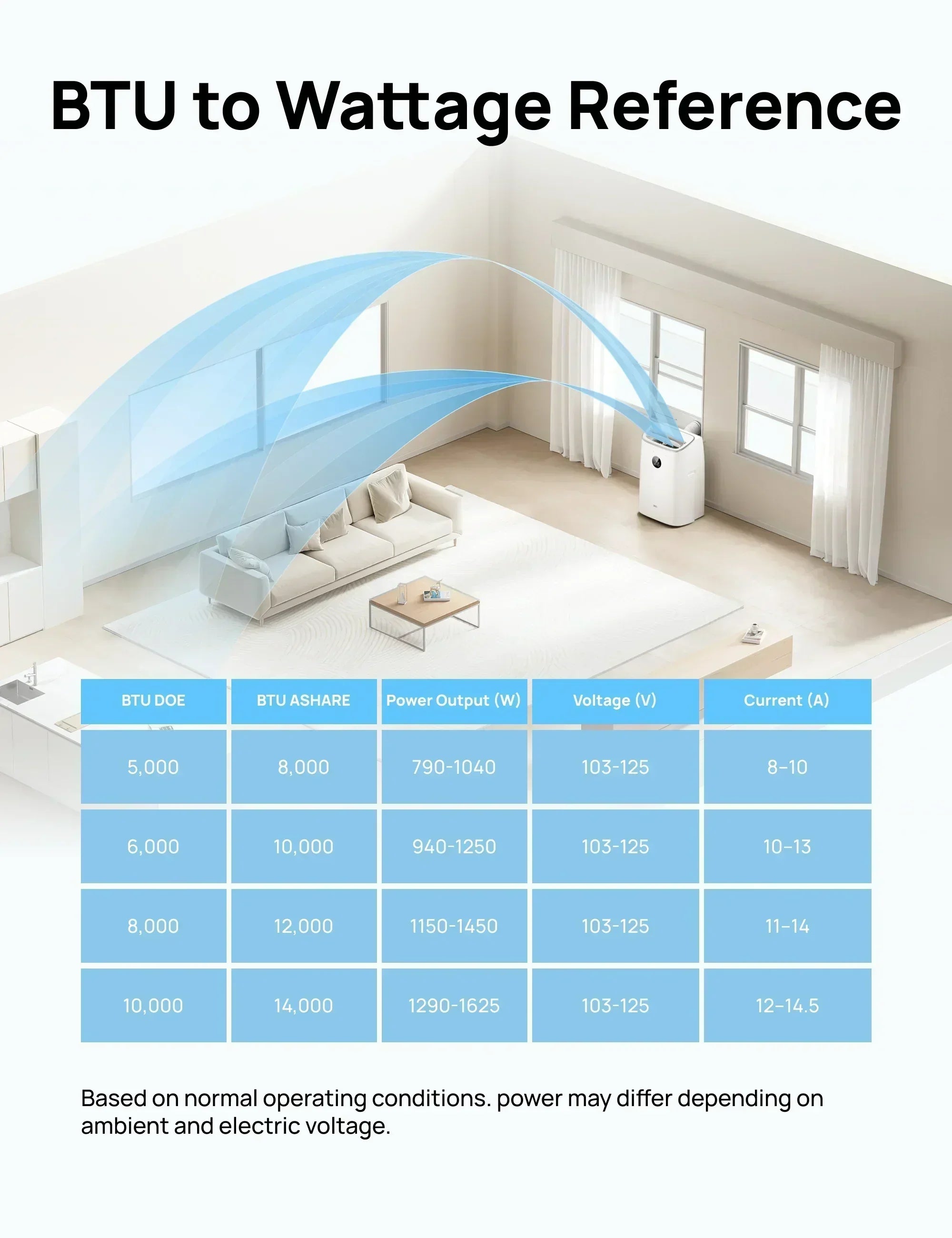
Sizing your unit depends on room size and sun exposure. Measure the room’s square feet. About 20 BTUs cool one square foot well. More sunlight needs a bigger unit.
| Type of Room AC | Description | Best For |
|---|---|---|
| Window AC | Fits in a window frame, easy to install | Small to medium rooms |
| Portable AC | Can be moved; needs venting through a window | Rooms where window installation is not possible |
| Through-the-wall AC | Installed through a hole in the wall | Permanent cooling for one room |
- Check for proper power supply and outlet type.
- Ensure good airflow around the unit.
- Seal gaps to prevent cool air loss.
- Follow manufacturer’s instructions for installation.
Credit: www.lennox.com
Frequently Asked Questions
How Does A Room Air Conditioner Cool A Room?
A room air conditioner removes heat from indoor air using a refrigerant. It absorbs heat, compresses it, then expels it outside. This cycle cools and dehumidifies the room efficiently.
What Components Make Up A Room Air Conditioner?
Key components include the compressor, condenser coil, evaporator coil, expansion valve, and fan. These parts work together to transfer heat and circulate cool air inside the room.
How Efficient Are Room Air Conditioners?
Room air conditioners vary in efficiency, often measured by EER or SEER ratings. Higher ratings mean better energy use and lower electricity bills while maintaining comfortable indoor temperatures.
Can Room Air Conditioners Improve Indoor Air Quality?
Yes, many units include filters that trap dust, pollen, and allergens. Regular filter cleaning or replacement helps maintain better air quality and system performance.
Conclusion
Room air conditioners cool spaces efficiently. They circulate and filter air. This helps maintain a comfortable temperature. Energy-efficient models save electricity. Regular maintenance ensures optimal performance. Clean filters enhance airflow. Avoid overloading the unit. Proper installation matters for effective cooling.
Understand the basic components. Compressor, evaporator, and condenser work together. Each plays a vital role. Choosing the right size is crucial. It impacts cooling efficiency. Know your space requirements. This knowledge helps in making better choices. Enjoy a cooler, more comfortable home environment.
Stay cool, stay comfortable.