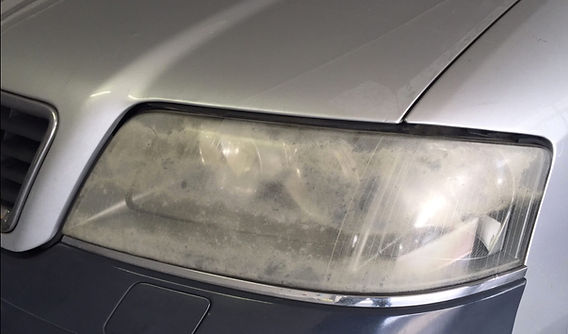
Have you ever noticed your car’s headlights looking dull and cloudy? You’re not alone.
This common issue affects many vehicles, and it can be more than just an eyesore. Cloudy headlights reduce visibility, making nighttime driving more dangerous. But why do headlights get cloudy in the first place? Understanding the reasons behind this problem can help you keep your lights clear and your driving safe.
We’ll explore the causes of cloudy headlights and reveal simple steps you can take to restore their brightness. Keep reading to discover how you can maintain clear and bright headlights, enhancing both your car’s appearance and your safety on the road.

Credit: www.reddit.com
Common Causes Of Cloudy Headlights
Car headlights can get cloudy over time. This makes them less bright and harder to see through.
Many things cause this cloudiness. Understanding these causes helps you keep headlights clear.
Uv Damage And Oxidation
Sunlight has ultraviolet (UV) rays that harm headlight lenses. UV rays break down the plastic surface.
This damage leads to oxidation. Oxidation creates a cloudy, yellowish layer on the lens.
- UV rays degrade plastic
- Oxidation causes yellowing
- Plastic loses its clear finish
Road Debris And Scratches
Small stones and dirt hit headlights while driving. These hits cause tiny scratches on the lens.
Scratches make the lens surface rough. Rough surfaces scatter light and look cloudy.
- Gravel and sand cause scratches
- Scratches reduce light clarity
- Damage builds up over time
Moisture And Condensation
Water can enter headlight cases if seals fail. Moisture builds up inside the lens.
Condensation forms droplets on the inside surface. This water causes a foggy look.
- Broken seals let water in
- Condensation fogs the lens
- Water can damage bulbs too
Aging Plastic Lens
Plastic lenses wear down as cars get older. They lose clarity from long use and weather.
Older lenses become cloudy and brittle. This makes headlights less effective and less safe.
Credit: www.subaruoutback.org
Risks Of Driving With Cloudy Headlights
Cloudy headlights can make night driving dangerous. They reduce the light your car shines on the road. This makes it hard to see obstacles and signs.
Many drivers do not realize the risks. Cloudy headlights can cause accidents and legal trouble. Knowing these risks helps you stay safe.
Reduced Visibility At Night
Cloudy headlights block the light output. This lowers your visibility at night. You might miss important details on the road.
- Road signs become harder to read
- Pedestrians and animals are less visible
- Hazards appear late and leave less time to react
- Other drivers may not see your vehicle clearly
Increased Accident Risk
Cloudy headlights raise the chance of crashes. Poor lighting affects your judgment and reaction time. This puts you and others in danger.
| Cause | Effect |
| Faded headlights | Poor road illumination |
| Reduced visibility | Delayed response to hazards |
| Hard-to-see objects | Increased collision chance |
| Unsafe driving conditions | Higher accident rates |
Legal Implications
Driving with cloudy headlights may break traffic laws. Many states require headlights to be clear and working. You can face fines or fail vehicle inspections.
Here are common legal risks:
- Traffic tickets for poor lighting
- Vehicle inspection failures
- Insurance claims issues after accidents
- Liability if accidents happen due to bad headlights
Simple Diy Methods To Clear Headlights
Car headlights get cloudy because of dirt, UV rays, and oxidation. This makes lights dim and unsafe for driving.
You can fix cloudy headlights at home with simple tools. These easy methods save money and improve visibility.
Using Toothpaste Or Baking Soda
Toothpaste or baking soda works as a mild abrasive. They help remove the cloudy layer on the headlights.
Apply toothpaste or baking soda paste on a soft cloth. Rub it on the headlight in small circles for several minutes.
- Clean headlights with water before starting
- Use a soft cloth to avoid scratches
- Rinse and dry headlights after rubbing
- Repeat if needed for clearer results
Wet Sanding Techniques
Wet sanding removes heavy oxidation from headlights. This method uses fine sandpaper with water to smooth the surface.
Start with wet sandpaper of 1000 grit and move to finer grits like 2000. Keep the headlight wet while sanding for safety.
- Clean headlights before sanding
- Soak sandpaper in water for 10 minutes
- Sand evenly in horizontal and vertical strokes
- Use finer grit paper to polish after sanding
- Dry and apply a protective coating if possible
Applying Headlight Restoration Kits
Headlight restoration kits include all tools needed to clear cloudy lights. These kits often have polish, sandpaper, and sealant.
Follow the instructions carefully. Kits simplify the cleaning process and give longer-lasting results.
- Clean headlights before starting
- Use included sandpaper or pads as directed
- Apply polish with a cloth or buffer
- Finish with sealant to protect headlights
- Let sealant dry fully for best effect
Professional Restoration Options
Car headlights can get cloudy due to exposure to sunlight, dirt, and moisture. Over time, this cloudiness reduces visibility and safety. Professional restoration services offer a way to clear up headlights effectively.
These services use special tools and products to remove the cloudiness and protect the headlights from future damage. Choosing professional help can save time and improve results.
Benefits Of Professional Services
Professionals have the right equipment to restore headlights better than DIY methods. They can remove deep scratches and oxidation that cause cloudiness.
The process also includes sealing the headlights with protective coatings. This helps keep them clear longer and improves your car’s appearance.
- Use of advanced tools and materials
- Better removal of oxidation and scratches
- Application of protective coatings
- Improved headlight brightness and clarity
Cost Considerations
Professional restoration costs vary by location and service provider. The price usually depends on the extent of damage and type of vehicle.
While professional service is more expensive than DIY kits, it often saves money in the long run. It avoids the need for early replacement of headlights.
- Costs depend on damage severity
- Prices differ by region and shop
- More expensive than DIY kits
- Can prevent costly headlight replacements
Longevity Of Professional Repairs
Professional restoration usually lasts longer than DIY fixes. The protective coating applied helps resist UV rays and dirt buildup.
With proper care, restored headlights can stay clear for up to two years. Regular cleaning also helps maintain the clarity after the repair.
- Long-lasting results with protective coatings
- Better resistance to sun and dirt damage
- Can keep headlights clear for 1-2 years
- Regular cleaning extends repair life
Preventive Tips For Clear Headlights
Car headlights can become cloudy over time. Dirt, sun, and weather cause this problem.
Keeping headlights clear improves safety and makes your car look better.
Regular Cleaning And Maintenance
Cleaning headlights often stops dirt and grime from building up. Use soap and water with a soft cloth.
Check headlights for scratches or damage. Fix small problems early to avoid cloudiness.
- Wash headlights every two weeks
- Use a gentle cleaner, not harsh chemicals
- Dry headlights well after washing
- Inspect for cracks or chips monthly
Applying Uv Protective Coatings
Sunlight causes plastic headlights to fade and get cloudy. UV coatings protect them from sun damage.
Apply a UV protective layer after cleaning. This keeps headlights clear longer and stops yellowing.
- Use a UV protectant made for headlights
- Apply coating every few months
- Follow product instructions carefully
- Reapply after washing or rain
Garage Parking And Covering
Parking your car in a garage reduces exposure to sun and weather. This helps keep headlights clear.
If no garage is available, use a car cover. It protects headlights from dust and UV rays.
- Park inside whenever possible
- Use a breathable car cover outdoors
- Choose a cover with UV protection
- Remove cover carefully to avoid scratches

Credit: www.motorbiscuit.com
Frequently Asked Questions
Why Do Car Headlights Become Cloudy Over Time?
Car headlights get cloudy mainly due to UV light exposure. The sun’s rays break down the plastic lens coating, causing oxidation. Dirt, road debris, and moisture also contribute to the cloudy appearance. This reduces light output and visibility while driving at night.
Can Weather Conditions Cause Headlight Cloudiness?
Yes, weather conditions like rain, snow, and extreme heat accelerate headlight cloudiness. Moisture can get trapped inside the lens, promoting fogging and oxidation. Temperature changes cause plastic to expand and contract, further degrading the lens surface.
How Does Oxidation Affect Headlight Clarity?
Oxidation breaks down the protective layer on the plastic lens. This process causes a yellowish, cloudy film to form. It blocks and diffuses light, reducing the headlight’s brightness and effectiveness. Oxidation is a natural aging process worsened by UV exposure.
Is Cloudy Headlight Repair Possible At Home?
Yes, you can restore headlights with DIY kits or household items like toothpaste. These methods remove the oxidized layer and polish the lens. However, professional restoration offers longer-lasting clarity and better results. Regular maintenance helps prevent cloudiness.
Conclusion
Cloudy headlights happen because of sun, dirt, and moisture. This makes lights dim and driving unsafe. Cleaning or replacing headlights keeps them clear and bright. Regular care helps your car look good and stay safe. Don’t ignore cloudy lights—they affect how well you see at night.
Keep headlights clean for better vision and safer trips. Simple steps can prevent cloudiness and improve road safety. Take action today to protect your headlights and drive with confidence.