Have you ever noticed your car’s mirror wobbling or cracked and wondered how to fix it without spending a fortune? Your side mirrors are more than just a way to check your blind spots—they keep you safe on the road.
If yours is broken or loose, it can be frustrating and even dangerous. The good news? You don’t need to be a mechanic or spend hours in a shop to fix it. In this guide, you’ll discover simple, step-by-step ways to repair your car mirror quickly and confidently.
Keep reading, and you’ll have your mirror looking and working like new in no time.
Types Of Car Mirrors
Car mirrors help drivers see around their vehicles. They improve safety by showing areas that are hard to see directly. There are different types of car mirrors. Each type has a special use and shape.
Understanding these mirrors helps when fixing or replacing them. It also helps drivers know how to use them best on the road.
Side Mirrors
Side mirrors are on the left and right sides of the car. Drivers use them to see traffic beside and behind. These mirrors often adjust to reduce blind spots. Some side mirrors fold to avoid damage when parked.
- Left side mirror shows left lane and nearby cars
- Right side mirror covers right lane and roadside
- Adjustable to fit driver’s view
- May have heating elements to clear fog
- Can include turn signal lights
Rearview Mirrors
Rearview mirrors sit inside the car at the top of the windshield. They show the area behind the vehicle. Drivers use them to check traffic while reversing or changing lanes. These mirrors can be manual or auto-dimming to reduce glare.
| Type | Feature | Use |
| Manual Rearview | Flip tab to reduce glare | Night driving |
| Auto-dimming Rearview | Automatically dims bright lights | Improves night visibility |
| Wide-angle Rearview | Larger viewing area | Better rear visibility |
Convex And Flat Mirrors
Car mirrors come in two main shapes: flat and convex. Flat mirrors show objects at actual size and distance. Convex mirrors curve outward. They show a wider area but make objects look smaller.
| Mirror Type | Shape | View Area | Image Appearance |
|---|---|---|---|
| Flat Mirror | Flat surface | Normal view | True size and distance |
| Convex Mirror | Curved outward | Wider view | Smaller and farther away |
Common Mirror Issues
Car mirrors help drivers see what is behind and beside them. They are important for safety on the road. Sometimes mirrors get damaged or stop working right.
This guide talks about common problems with car mirrors and how to fix them.
Cracked Or Broken Glass
Cracks or breaks in the mirror glass can block your view. Small cracks may get worse over time. Broken glass can be dangerous to handle and use.
If your mirror glass is cracked or broken, you should replace it. You can buy a replacement glass from a store or online. Use care to remove the old glass safely.
- Wear gloves to protect your hands from sharp edges.
- Heat the mirror housing to soften adhesive.
- Gently pry out the broken glass.
- Clean the surface before placing new glass.
- Use strong adhesive to fix the new mirror glass.
Loose Or Detached Mirrors
A loose or detached mirror can shake or fall off while driving. This problem happens from worn clips, screws, or glue that no longer hold well.
To fix a loose mirror, check the parts that hold it in place. Tighten any loose screws or replace broken clips. If the mirror is glued, reapply strong adhesive.
| Problem | Cause | Fix |
| Mirror shakes | Loose screws | Tighten screws |
| Mirror falls off | Broken clips | Replace clips |
| Mirror detaches | Old glue | Use new adhesive |
Electrical Problems
Some car mirrors have electrical parts for heating or adjusting. These parts may stop working due to wiring problems or blown fuses.
Check the electrical mirror if it does not move or heat up. Look at the fuse box and wiring connections first.
Try these fixes:
- Check and replace blown fuses in the fuse box.
- Inspect wiring for cuts or loose connections.
- Test the mirror motor with a multimeter.
- Replace the mirror motor if it is faulty.
Tools And Materials Needed
Fixing a car mirror requires the right tools and materials. Having everything ready makes the repair easier.
This guide lists the basic tools, replacement parts, and safety gear you need for the job.
Basic Repair Tools
You need simple tools to remove and install the mirror. These tools help you work safely and correctly.
- Screwdrivers (flathead and Phillips)
- Socket wrench set
- Plastic pry tools
- Torx drivers (if needed)
- Ratchet and extension bar
- Trim removal tools
Replacement Parts
Choose the right parts for your car model. Using correct parts ensures the mirror fits well.
- Replacement mirror glass or full mirror assembly
- Mirror mounting bracket (if broken)
- Replacement screws or clips
- Adhesive pads or glue for glass
Safety Gear
Wear safety gear to protect yourself during the repair. It helps prevent injuries from sharp parts.
- Safety gloves to protect your hands
- Safety goggles to shield your eyes
- Long sleeves to avoid scratches
- Protective mat or cloth to place removed parts

Credit: www.youtube.com
Removing The Damaged Mirror
Removing a damaged car mirror needs care and the right steps. This guide helps you remove the mirror safely.
Follow these instructions to avoid damage to the car or the new mirror parts.
Accessing The Mirror Assembly
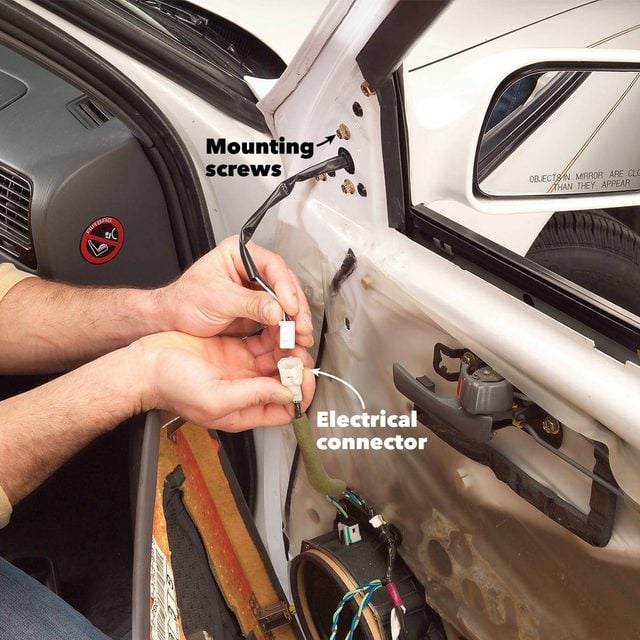
First, open the car door on the side with the broken mirror. Locate the plastic cover inside the door near the mirror base.
Use a flat tool to gently pry off the cover. This gives access to the screws and connectors of the mirror assembly.
Disconnecting Electrical Connections
Many mirrors have electrical wires for heating or adjusting. Find the connector and press the release tab.
- Carefully pull the connector apart.
- Do not pull on the wires directly.
- Check for any extra clips or fasteners.
Detaching The Mirror
Remove the screws or nuts holding the mirror to the door frame. Keep these parts for installing the new mirror.
| Tool | Purpose |
| Screwdriver | Remove screws |
| Socket wrench | Loosen nuts |
| Flat pry tool | Remove cover |
Fixing Or Replacing Mirror Glass
Car mirrors are important for safe driving. If the mirror glass breaks or cracks, you need to fix it quickly. This guide covers how to repair minor cracks and how to install new mirror glass.
Fixing the mirror glass yourself can save money and time. Follow simple steps to get your mirror working like new.
Repairing Minor Cracks
Small cracks in the mirror glass can sometimes be repaired without full replacement. Use the right materials and tools to avoid bigger damage.
- Clean the mirror surface with glass cleaner and a soft cloth.
- Apply clear epoxy resin to the cracked area.
- Use a small brush to spread the resin evenly.
- Let the resin cure as per the product instructions, usually a few hours.
- Polish the repaired area gently to smooth it out.
Repairing minor cracks improves visibility and prevents the crack from growing.
Installing New Mirror Glass
If the mirror glass is badly damaged, replace it with a new one. Use these tools and follow the steps below for a safe installation.
| Tool | Purpose |
| Flathead screwdriver | Remove old mirror glass |
| Adhesive tape or glue | Fix new mirror glass in place |
| Protective gloves | Protect hands from sharp edges |
| Replacement mirror glass | New part to install |
- Wear protective gloves before starting.
- Carefully pry the old mirror glass from the housing using the screwdriver.
- Clean the mirror housing to remove old glue and dirt.
- Apply adhesive tape or glue to the back of the new mirror glass.
- Press the new mirror glass firmly into the housing.
- Allow the adhesive to set for the recommended time.
Replacing the mirror glass ensures clear vision and safe driving. Always handle glass carefully to avoid injury.
Credit: www.youtube.com
Reattaching Or Replacing The Mirror Assembly
Fixing a broken car mirror involves reattaching or replacing the mirror assembly. This guide helps you do it safely and correctly.
You will learn how to align and secure the mirror. Also, you will test any electrical functions if your mirror has them.
Aligning And Securing The Mirror
Start by placing the mirror assembly onto the car’s mounting base. Make sure it fits well and lines up with the holes for screws or clips.
- Check the mirror base for any broken parts.
- Align the mirror so it matches the mount points exactly.
- Use screws or clips to hold the mirror firmly.
- Tighten all fasteners without over-tightening.
- Test the mirror’s stability by gently moving it by hand.
Testing Electrical Functions
If your mirror has electrical features, test them before finishing the job. Check power adjustment, heating, and signal lights.
| Function | How to Test | What to Do if It Fails |
| Power Adjustment | Use mirror control switch to move mirror | Check wiring and fuse |
| Heating | Turn on rear defrost and feel mirror surface | Inspect heating element and connections |
| Signal Light | Activate turn signal and watch mirror light | Replace bulb or check wiring |
Tips For Preventing Future Damage
Car mirrors often get damaged from bumps or accidents. Fixing them can be costly and time-consuming.
Taking simple steps helps protect your mirrors and avoid future damage. These tips keep your car safe and mirrors intact.
Parking Safely
Choose parking spots that reduce the chance of mirror damage. Avoid tight spaces or areas with heavy traffic.
Park your car away from moving vehicles and obstacles. This lowers the risk of hitting your mirrors.
- Pick spots with extra space on both sides
- Avoid parking near shopping carts or bike racks
- Use covered parking to protect from weather and accidents
- Face your car towards the curb or wall for shielded mirrors
Regular Maintenance
Check your mirrors often to spot small damages early. Clean them to keep clear views and good condition.
Fix loose or broken parts right away. Regular care stops minor issues from becoming bigger problems.
- Wash mirrors with mild soap and water weekly
- Tighten screws and bolts if mirrors feel loose
- Replace cracked or scratched glass quickly
- Use protective covers if you park outside regularly
Credit: www.familyhandyman.com
Frequently Asked Questions
How Do I Fix A Broken Car Mirror Myself?
To fix a broken car mirror, first assess the damage. Clean the area, remove broken glass, and use adhesive or replacement parts. Follow the car manual instructions carefully for a secure fix.
What Tools Are Needed To Repair Car Mirrors?
Common tools include screwdrivers, adhesive glue, replacement mirror glass, and plastic pry tools. Having these ready makes the repair process quicker and easier.
Can I Replace A Car Mirror Glass Only?
Yes, you can replace just the glass if the housing is intact. Purchase the correct size glass and carefully detach and attach it using adhesive.
How Long Does It Take To Fix A Car Mirror?
Fixing a car mirror typically takes 20 to 40 minutes. Time depends on damage severity and your repair experience.
Conclusion
Fixing a car mirror doesn’t have to be complicated. With clear steps, anyone can handle it. Always ensure the mirror is securely attached. Check its alignment for safe driving. Use basic tools for adjustments. Regular maintenance avoids future issues. Remember to clean the mirror for better visibility.
Safety on the road starts with clear sight. Follow these tips to keep your mirror in top condition. It ensures a smoother driving experience. So, take a moment to inspect your car mirror today. Stay safe and enjoy the drive!