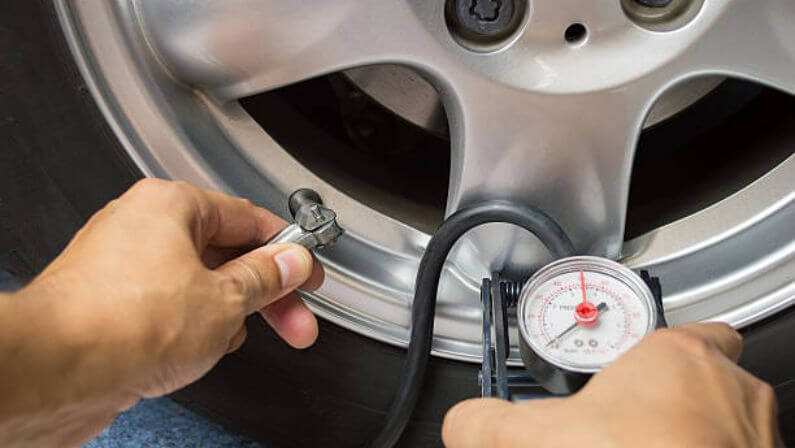
Have you ever wondered if your car tires have the right air pressure? It’s a simple detail that can make a big difference in how your car feels and performs.
Too much or too little air can affect your safety, fuel efficiency, and tire life. But how do you know what the correct air pressure should be for your tires? You’ll discover exactly what air pressure your car tires need and why keeping it just right matters more than you might think.
Keep reading to make sure your ride stays smooth, safe, and cost-effective.

Credit: www.carsales.com.au
Ideal Tire Pressure Range
Keeping the right air pressure in car tires is important for safety and tire life. The ideal tire pressure helps the car drive smoothly and saves fuel.
Too low or too high pressure can cause problems like poor handling or tire damage. Checking tire pressure regularly keeps your ride safe.
Manufacturer Recommendations
Car makers give specific tire pressure numbers for each vehicle. These numbers are based on the car’s weight and tire size.
You can find the recommended pressure on a sticker inside the driver’s door or in the owner’s manual. Follow these numbers for best performance.
- Check front and rear tire pressures separately
- Use a reliable tire pressure gauge
- Adjust pressure when tires are cold
Impact Of Temperature On Pressure
Temperature changes affect air pressure inside tires. Cold air makes pressure drop, while heat makes it rise.
Check tire pressure more often during seasons with big temperature changes to keep it at the right level.
- For every 10°F drop, tire pressure falls about 1 PSI
- Hot weather can increase tire pressure above the recommended level
- Adjust tire pressure when tires are cold, before driving
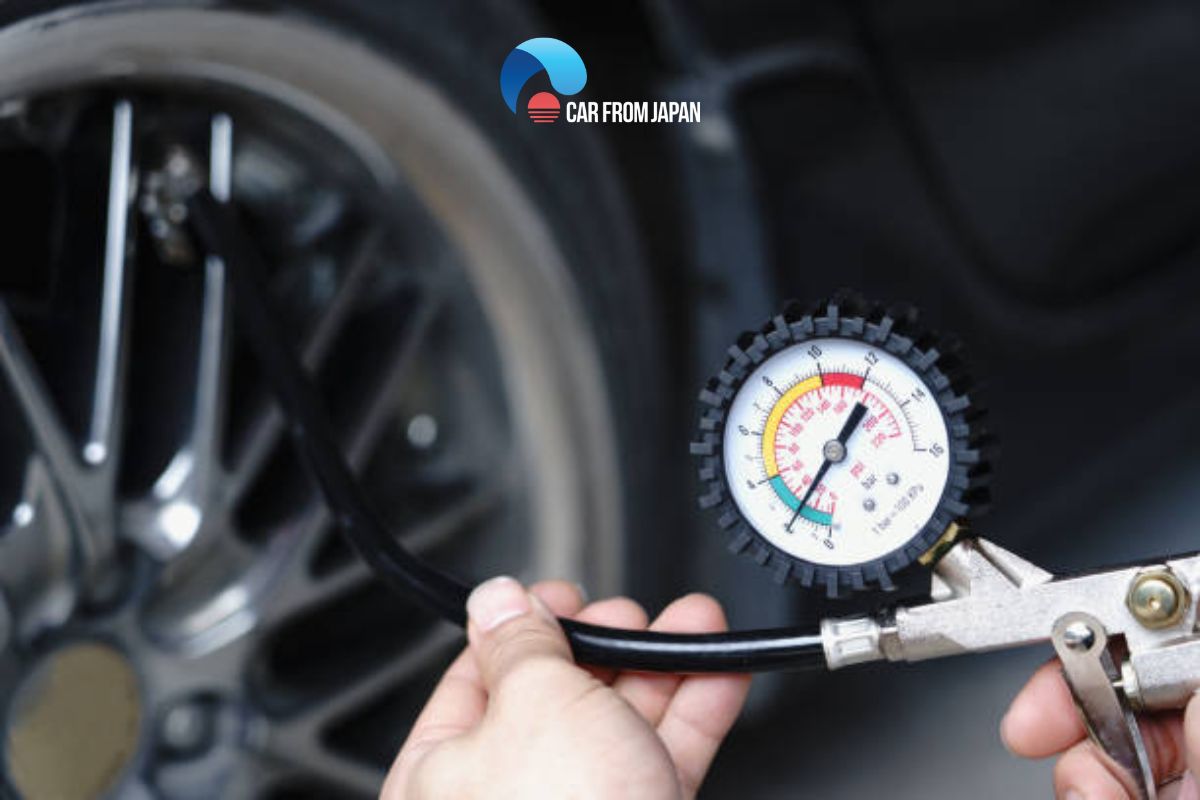
Credit: carfromjapan.com
How To Check Tire Pressure
Keeping the right air pressure in your car tires is important for safety and fuel efficiency. Checking tire pressure is simple and quick.
You need a tire pressure gauge to measure the air pressure correctly. This guide will show you how to use it and when to check your tire pressure.
Using A Tire Pressure Gauge
A tire pressure gauge shows how much air is inside your tires. You can buy one at any auto store. Follow these steps to use it:
- Remove the valve cap from the tire.
- Press the gauge onto the valve stem firmly.
- Read the pressure number on the gauge.
- Compare it to the recommended pressure in your car manual.
- Put the valve cap back on when done.
When To Check Pressure
Check your tire pressure regularly to keep your car safe. Use this table to know the best times to check your tires:
| Time to Check | Reason |
| Before Long Trips | Ensure tires are safe for long drives |
| Monthly | Maintain steady tire pressure |
| When Tires Look Low | Prevent damage and poor handling |
| After Temperature Changes | Cold or hot weather affects air pressure |
Effects Of Incorrect Tire Pressure
Keeping the right air pressure in car tires is very important. Wrong pressure can cause many problems. It affects safety, tire life, and fuel use.
Both too low and too high tire pressure have bad effects. This guide explains what happens with underinflated and overinflated tires.
Underinflated Tires
Underinflated tires have less air than recommended. They look soft and feel squished on the road. This causes many issues for your car.
- More tire wear on edges, reducing tire life
- Higher fuel consumption due to more rolling resistance
- Slower response when steering or braking
- Increased chance of tire overheating and blowouts
- Lower load carrying capacity
Driving with underinflated tires can be unsafe. It can cause accidents and damage to your vehicle.
Overinflated Tires
Overinflated tires have more air than needed. They look hard and feel stiff. This also causes problems that affect driving and safety.
| Effect | Description |
|---|---|
| Reduced Traction | Tire touches less road, causing less grip |
| Uneven Wear | More wear in center of tire tread |
| Harsh Ride | Car feels bumpier and less comfortable |
| Increased Risk of Damage | Tires more likely to get cuts or punctures |
Too much air pressure makes it harder to control the car. It raises the risk of tire damage and accidents.

Credit: www.ogracing.com
Tips For Maintaining Proper Pressure
Keeping the right air pressure in your car tires helps with safety and fuel efficiency. It also makes your tires last longer.
Check your tires often to avoid problems caused by wrong pressure levels. Use a reliable pressure gauge for best results.
Regular Inspection Routine
Check tire pressure at least once a month and before long trips. Do this when tires are cold for an accurate reading.
- Use a good air pressure gauge
- Compare reading with the car’s recommended pressure
- Look for signs of damage or wear
- Check the spare tire too
- Adjust pressure if needed immediately
Adjusting Pressure For Load And Driving Conditions
Change your tire pressure depending on how much weight your car carries and the road type you drive on.
| Condition | Recommended Pressure Change |
| Light load (few passengers) | Use standard pressure as per manual |
| Heavy load (full passengers or cargo) | Increase pressure by 2-4 PSI |
| High-speed highway driving | Increase pressure slightly for stability |
| Rough or off-road driving | Lower pressure slightly for better grip |
Safety Benefits Of Correct Pressure
Keeping the right air pressure in car tires is very important. It helps keep you safe on the road.
Correct tire pressure improves how the car drives and lowers the risk of accidents.
Improved Fuel Efficiency
Proper tire pressure reduces the effort your engine needs. This saves fuel and lowers costs.
Under-inflated tires make the car use more gas because they create more friction on the road.
- Correct pressure means less rolling resistance
- Less rolling resistance means better fuel economy
- Check pressure monthly for best results
Enhanced Tire Longevity
Right air pressure helps tires wear evenly. This makes them last longer.
Low pressure causes the edges of tires to wear fast. High pressure wears the center more.
- Even tire wear saves money on replacements
- Longer tire life means safer driving
- Keep tires inflated to the car maker’s recommendation
Better Handling And Braking
Tires with correct pressure respond better to steering and braking. This keeps control in tough spots.
Low pressure can cause slow response and longer stopping distance. Over-inflation reduces grip on wet roads.
- Proper pressure keeps good road contact
- Good contact improves grip and safety
- Check tire pressure before long trips
Frequently Asked Questions
What Is The Ideal Air Pressure For Car Tires?
The ideal air pressure varies by vehicle. Check the sticker inside the driver’s door or the owner’s manual for recommended PSI. Proper inflation improves safety, fuel efficiency, and tire lifespan.
How Often Should I Check My Car Tire Pressure?
Check tire pressure at least once a month and before long trips. Regular checks help maintain optimal performance and prevent uneven tire wear.
Can Incorrect Tire Pressure Affect Car Handling?
Yes, underinflated or overinflated tires reduce traction and handling. Proper pressure ensures better steering control, braking, and overall driving safety.
What Happens If My Car Tires Are Overinflated?
Overinflated tires cause a harsher ride and uneven tire wear. They reduce the contact area with the road, affecting grip and safety.
Conclusion
Keeping the right air pressure in car tires is vital. It ensures safety and improves fuel efficiency. Check tire pressure regularly. Use a reliable gauge for accurate readings. Remember, under-inflated tires wear out faster. Over-inflated tires can lead to a rough ride.
Both can cause accidents. Follow the manufacturer’s guidelines. Consult your car’s manual for the correct pressure. Proper maintenance extends tire life. Save money in the long run. Enjoy smoother, safer drives by maintaining the correct tire pressure. Your car will thank you.
So will your wallet. Safe travels!