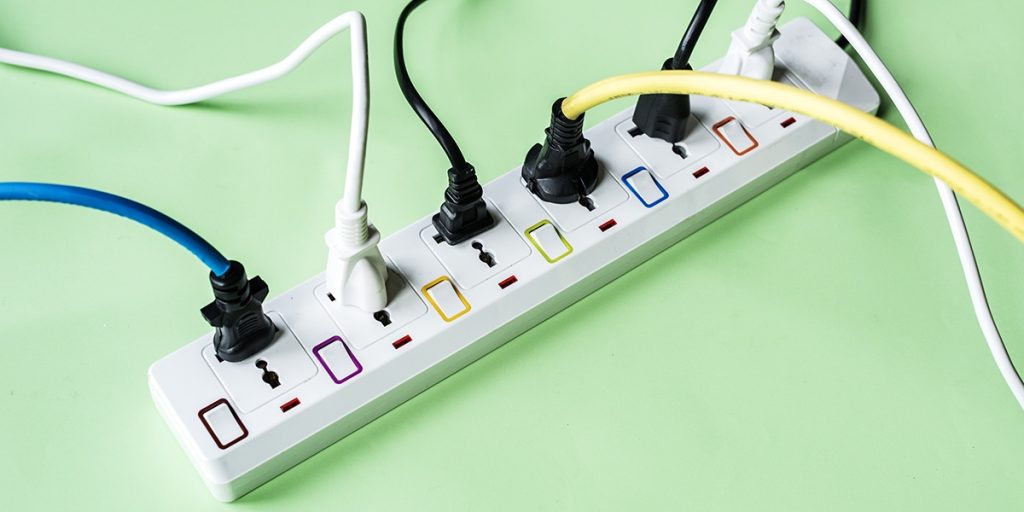
Are you wondering if it’s safe to plug your air conditioner into an extension cord? You might think it’s a quick and easy solution, especially on those hot days when comfort feels urgent.
But before you reach for that extension cord, there are important things you need to know. Using the wrong setup can cause serious problems for your air conditioner—and even put your home at risk. Keep reading to find out what experts say, how to do it safely if possible, and what you should avoid at all costs.
Your comfort and safety depend on it.
Why Extension Cords Are Risky
Using an extension cord for your air conditioner can be dangerous. Extension cords are not made for high-power appliances like air conditioners.
They can cause problems such as electrical overload, fire hazards, and poor performance of the air conditioner.
Electrical Overload Dangers
Extension cords may not handle the heavy electrical load of an air conditioner. This can cause the cord to overheat.
Overheating can damage the cord and the outlet. It can also cause the circuit breaker to trip or the fuse to blow.
Potential Fire Hazards
When an extension cord overheats, it can start a fire. This is a serious risk, especially if the cord is old or damaged.
Poor quality or thin cords increase the chance of sparks and electrical fires around your home.
- Overheated cords can melt insulation
- Exposed wires can cause sparks
- Fire can spread quickly from faulty cords
Impact On Air Conditioner Performance
Using an extension cord can reduce the power your air conditioner receives. This can make it work less efficiently.
The air conditioner may run longer or fail to cool properly. It can also shorten the lifespan of the unit.

Credit: www.reddit.com
Air Conditioner Power Requirements
Air conditioners need the right power to work safely and well. Using the wrong power source can cause problems.
Knowing how much electricity your AC uses helps you decide if you can plug it into an extension cord.
Understanding Voltage And Amperage
Voltage is the electrical force that powers your AC. Amperage is the amount of electricity the unit draws.
- Most home AC units use 110-120 volts or 220-240 volts.
- The amperage depends on the size and power of the AC.
- Higher amperage means more electricity is needed.
Typical Power Needs For Ac Units
Different air conditioners have different power needs. Smaller units use less electricity than bigger ones.
| AC Unit Size | Voltage | Typical Amperage |
| Window AC (5,000 BTU) | 110-120 V | 5-7 Amps |
| Room AC (10,000 BTU) | 110-120 V | 9-12 Amps |
| Central AC (3 Ton) | 220-240 V | 15-20 Amps |
Circuit Breaker Capacity
Circuit breakers protect your home wiring by stopping too much current. Each breaker has a limit.
- Check your breaker’s amp rating before plugging in your AC.
- Do not overload the circuit with too many devices.
- Extension cords can cause overheating if the current is too high.
Types Of Extension Cords
Extension cords come in different types. Each type suits different electrical needs. Choosing the right cord is important for safety and performance.
Knowing the difference helps you avoid hazards when plugging in devices like air conditioners.
Heavy-duty Vs. Light-duty Cords
Heavy-duty cords carry more power and are thicker. They handle big appliances like air conditioners. Light-duty cords work for small devices and lamps. Using a light-duty cord with an air conditioner can cause overheating and fire risk.
- Heavy-duty cords have thicker wires and strong insulation.
- Light-duty cords are thinner and meant for low power tools.
- Heavy-duty cords cost more but last longer.
- Light-duty cords are cheaper but less durable.
Cord Gauge And Length Considerations
The gauge number shows the thickness of the wire inside the cord. Lower gauge means thicker wire, which carries more power. Longer cords reduce power flow and can cause voltage drops. It is best to use the shortest cord with the right gauge for your air conditioner.
| Gauge | Recommended Use | Maximum Length (feet) |
|---|---|---|
| 12 | Heavy appliances like air conditioners | 50 |
| 14 | Medium power tools | 25 |
| 16 | Light tools and lamps | 15 |
Grounded Vs. Ungrounded Cords
Grounded cords have three wires: two for power and one for safety. Ungrounded cords have only two wires. Grounded cords protect against electric shock by directing faults to the ground. Air conditioners should always use grounded cords to stay safe.
- Grounded cords have a round third prong for safety.
- Ungrounded cords lack the third prong and offer less protection.
- Using grounded cords reduces the risk of electric shock.
- Check your air conditioner’s plug type before choosing the cord.

Credit: www.reddit.com
Safe Alternatives To Extension Cords
Plugging an air conditioner into an extension cord can be risky. It may cause overheating or electrical fires. There are safer ways to power your air conditioner without using extension cords.
Choosing the right power source helps protect your home and keeps your air conditioner running smoothly. Below are some safe alternatives to consider.
Using Dedicated Outlets
A dedicated outlet is made just for your air conditioner. It provides the right amount of power without overloading the circuit. This helps avoid electrical problems.
- Find an outlet rated for your air conditioner’s power needs
- Use outlets with grounded three-prong plugs
- Keep the outlet free from damage and wear
- Never plug other heavy appliances into the same outlet
Installing Additional Power Sources
If you lack a suitable outlet, consider adding new power sources. This can mean installing extra outlets closer to your air conditioner.
| Method | Description |
| New Outlet Installation | Electrician adds an outlet with proper voltage near the unit |
| Dedicated Circuit | A separate circuit breaker ensures no overload |
| High-Amperage Outlet | Supports air conditioners with higher power needs |
Professional Electrical Solutions
Hiring a licensed electrician is the safest choice. They can inspect your home’s wiring and suggest the best setup for your air conditioner.
Benefits of Professional Help:
- Ensures compliance with local electrical codes
- Reduces risks of electrical hazards
- Provides long-term reliability and safety
- Offers expert advice on power needs
Tips For Using Extension Cords Safely
Using an extension cord for your air conditioner can be risky. It is important to use extension cords safely to avoid accidents. Follow simple safety tips to protect your home and appliances.
This guide will help you pick the right cord, avoid overloading, and check cords regularly. Safety should always come first when plugging in heavy appliances.
Choosing The Right Cord
Not all extension cords work with air conditioners. Choose a cord with the right power rating. It should handle the air conditioner’s electrical load safely.
Look for cords labeled for heavy-duty or outdoor use. These cords have thicker wires and can handle more power without overheating.
- Check the cord’s gauge number; lower numbers mean thicker wires
- Use 12 or 14 gauge cords for air conditioners
- Make sure the cord length is not too long to avoid voltage drop
- Choose cords with a grounded plug for safety
Avoiding Overloading
Overloading an extension cord can cause it to overheat and start a fire. Do not plug multiple high-power devices into one cord. This can exceed the cord’s limit.
Check the air conditioner’s wattage and make sure the cord can handle it. Avoid using extension cords as a permanent solution for air conditioners.
- Do not daisy-chain extension cords together
- Use separate outlets for other devices
- Turn off the air conditioner before unplugging the cord
- Use a cord rated for more power than your appliance requires
Inspecting Cords Regularly
Regularly check your extension cord for damage. Look for cuts, cracks, or exposed wires. Damaged cords can cause electric shocks or fires.
Replace any cord that shows wear or damage. Do not use cords with loose plugs or burnt marks. Keep cords away from water and heat sources.
- Inspect cords before each use
- Store cords properly to avoid damage
- Do not run cords under rugs or furniture
- Replace old or damaged cords immediately

Credit: northnjhvac.com
When To Call An Electrician
Plugging an air conditioner into an extension cord can be risky. It might cause electrical problems or fire hazards. Knowing when to call an electrician is important for your safety.
An electrician can check your wiring and advise on safe ways to power your air conditioner. They help prevent damage to your home’s electrical system.
Signs Of Electrical Issues
Look for signs that your electrical system needs attention. These signs mean you should call an electrician right away.
- Flickering or dimming lights when the AC runs
- Warm or discolored outlets near the air conditioner
- Frequent tripping of circuit breakers
- Burning smell or buzzing sounds from outlets
- Extension cords getting hot during use
Upgrading Home Wiring
Older homes may have wiring that can’t handle modern air conditioners. Upgrading wiring is a job for a licensed electrician. They can install circuits made for high power devices.
| Reason for Upgrade | What Electrician Does |
| Insufficient power supply | Install dedicated circuit |
| Old or damaged wiring | Replace wiring with safe materials |
| Unsafe outlets | Install grounded, heavy-duty outlets |
| Frequent breaker trips | Upgrade breaker panel |
Ensuring Long-term Safety
Electricians help keep your home safe for years. They ensure that your air conditioner wiring meets safety codes and prevents future problems.
Reasons to hire an electrician for long-term safety:
- Proper installation of power outlets
- Use of correct wire gauge and circuit breakers
- Inspection for hidden wiring damage
- Advice on best practices for appliance use
- Compliance with local electrical codes
Frequently Asked Questions
Can I Use Any Extension Cord For My Air Conditioner?
No, not all extension cords are suitable. Use a heavy-duty, grounded cord rated for your AC’s power needs. Thin or light cords can overheat and cause hazards.
What Happens If I Plug An Ac Into A Wrong Extension Cord?
Using an unsuitable cord may cause voltage drops, overheating, or fires. It can also damage your air conditioner and void warranties. Always match cord specifications with your AC’s requirements.
Are There Specific Extension Cords For Air Conditioners?
Yes, use extension cords designed for high-power appliances. Look for cords with thick gauges (10-12 AWG) and grounded plugs to safely handle your AC’s electrical load.
Can Extension Cords Affect My Air Conditioner’s Performance?
Yes, a low-quality or long extension cord can reduce power supply. This leads to inefficient cooling and can strain the AC’s compressor, reducing lifespan.
Conclusion
Choosing the right power source for your air conditioner is crucial. Plugging it directly into a wall outlet ensures safety. Extension cords can overheat and cause hazards. Always prioritize safety to protect your home and devices. Consult a professional if unsure about your electrical setup.
This prevents potential risks and ensures efficient cooling. Remember, a safe home is a happy home. Proper power supply keeps your air conditioner running smoothly. Stay cool, stay safe.