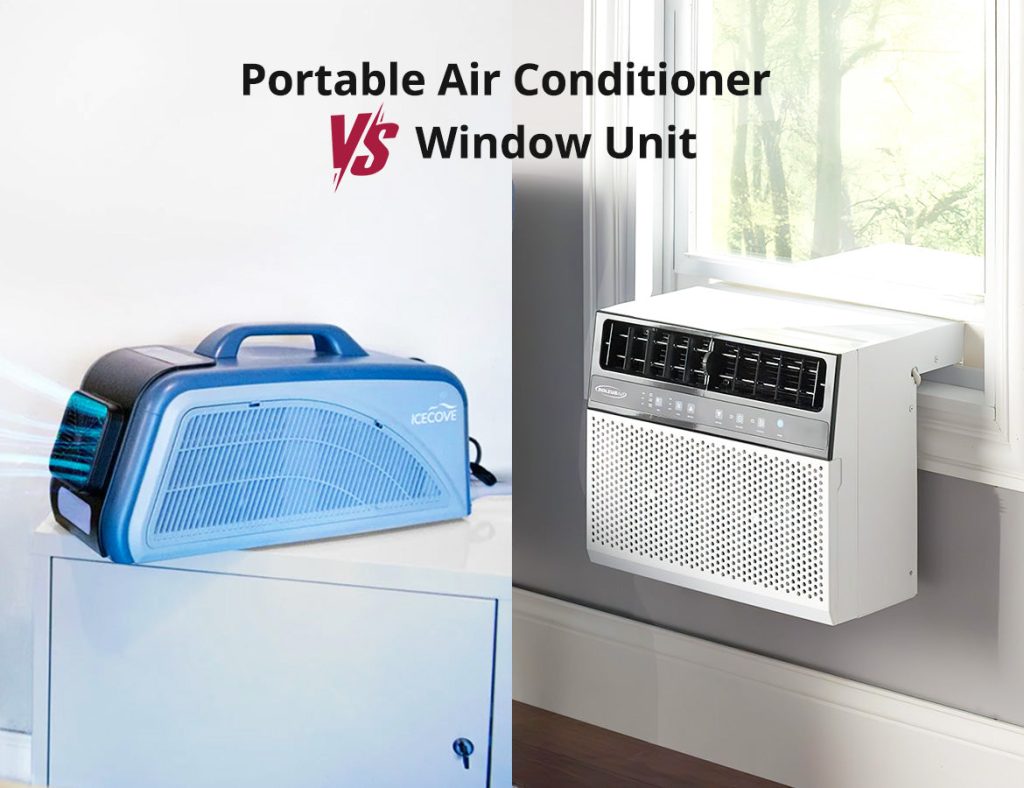
Are you struggling to keep your home cool during hot days? Choosing the right air conditioner can make all the difference.
You might be wondering if a portable air conditioner is better than a window unit for your space. Both options have their perks, but which one truly fits your needs? You’ll discover the key differences, benefits, and drawbacks of each.
By the end, you’ll have the confidence to pick the perfect cooling solution that suits your lifestyle and budget. Keep reading to find out which option will keep you comfortable all summer long!

Credit: www.garvee.com
Portability And Installation
Portable air conditionersare easy to set up. Just plug them in and vent the hose out a window. No tools or drilling needed. Window unitsrequire mounting and sealing the window space. This can be tricky for some people.
Portability is a big plus for portable units. Move them from room to room with ease. Window units stay fixed in one spot. They cannot be moved without uninstalling.
| Feature | Portable Air Conditioner | Window Unit |
|---|---|---|
| Setup | Plug in and vent hose | Mount and seal window |
| Mobility | Easy to move | Fixed in one place |
| Space Needed | Needs floor space | Uses window space |
Cooling Performance
Cooling capacityshows how much air the unit can cool. Portable air conditioners often cool smaller spaces well. Window units can handle larger rooms better. This is because window units usually have higher power levels.
Efficiency variesbased on room size. Portable ACs work best in rooms under 300 square feet. Window units cool rooms over 300 square feet more evenly. Room layout and insulation also change how well each unit performs.
Temperature controldiffers too. Window units often have precise controls for steady cooling. Portable units may have simpler settings but offer easy mobility. Both types allow setting the desired temperature, but window units keep it more consistent.
Energy Consumption
Portable air conditionersoften use more power than window units. This can lead to higher electricity bills. Window units are usually more efficient at cooling a room because they have better airflow and less heat leakage.
Energy efficiency ratingshelp compare both units. Window units often have a higher rating, meaning they use less energy for the same cooling power. Portable units may have lower ratings because they need extra power to move hot air outside.
| Feature | Portable Air Conditioner | Window Unit |
|---|---|---|
| Power Usage | Higher | Lower |
| Energy Efficiency | Lower | Higher |
| Impact on Bills | Increased costs | Lower costs |
Noise Levels
Portable air conditionerstend to produce more noise than window units. This is because the compressor and fan are inside the room, close to people. The sound output usually ranges between 50 to 60 decibels, which can be distracting during quiet activities like reading or sleeping.
Window units place the noisy parts outside or in the window frame. They often run quieter, around 40 to 55 decibels. But noise levels can vary based on the brand and model.
| Unit Type | Typical Noise Level (Decibels) | Noise Source Location |
|---|---|---|
| Portable AC | 50-60 dB | Inside room |
| Window Unit | 40-55 dB | Outside or window frame |
Noise can affect comfort and concentration. Louder units may interrupt sleep and work. Choosing a quieter model helps maintain peace in small spaces.
Maintenance And Durability
Portable air conditioners need regular cleaning of filters and vents. This keeps air fresh and machines working well. Window units also require cleaning, but their filters are usually easier to access.
Filter replacement varies by type. Portable AC filters often need washing every two weeks. Window unit filters might last longer but still need checking every month.
| Type | Filter Cleaning | Filter Replacement | Lifespan | Reliability |
|---|---|---|---|---|
| Portable AC | Every 2 weeks | Every 6 months | 3-5 years | Moderate |
| Window Unit | Monthly | Every 12 months | 7-10 years | High |
Window units tend to last longer and are more reliable. Portable units may wear out faster due to moving parts and mobility. Both need care to work well over time.

Credit: www.popularmechanics.com
Cost Factors
Portable air conditionersoften cost less upfront than window units. Their initial purchase priceis usually lower because they have simpler designs and smaller cooling capacities. Window units tend to be more expensive but can cool larger spaces.
Installation expensesvary greatly between the two. Portable units need minimal setup, mostly just venting a hose out a window. Window units often require professional installation and might need modifications to windows or walls, adding to the cost.
Considering long-term operating costs, window units usually use less electricity and cool more efficiently. Portable air conditioners often consume more power due to their design and smaller compressors. Over time, window units may save money on energy bills.
Aesthetic And Space Considerations
Portable air conditionerscome in various shapes and often have a modern look. They can fit into different room styles without blocking windows. Window unitsare usually bulkier and sit in the window, which can spoil the outside view and the room’s look.
Window units block natural lightand fresh air when installed. This can make rooms feel darker and smaller. Portable units do not cover windows, so they keep the room brightand open.
Portable air conditioners take up some floor space. They need room for the unit and the exhaust hose. Window units do not use floor space but require a free window. This can limit furniture placement and room layout.

Credit: medium.com
Best Use Cases
Portable air conditionerswork best in rooms where window installation is not possible. They are easy to move and great for renters or people who change homes often. Portable ACs cool specific areas and can be stored during winter. They need a vent hose to remove hot air through a window or door.
Window unitsfit well in rooms with suitable windows. They are usually more energy-efficient and cool faster than portable models. Window ACs are ideal for permanent setups where the unit stays in place all summer.
| Living Space | Best AC Type | Reason |
|---|---|---|
| Apartment without window access | Portable AC | Easy to install, no window needed |
| Home with large windows | Window Unit | Better cooling and energy use |
| Small room or office | Either | Depends on window availability |
| Multiple rooms | Portable AC | Can move unit between rooms |
Frequently Asked Questions
What Are The Key Differences Between Portable And Window Ac Units?
Portable ACs are movable and easy to install, while window units are fixed. Portable units need venting through a window, but window ACs directly cool through the window. Window units often offer better cooling efficiency and lower energy use than portable models.
Are Portable Air Conditioners Less Energy Efficient?
Yes, portable ACs generally consume more energy than window units. Their design requires more power to cool a room effectively. Window units are usually more energy-efficient because they expel hot air outside directly.
Which Is Better For Small Spaces: Portable Or Window Ac?
Window units are typically better for small spaces due to higher cooling efficiency. Portable ACs are convenient but may struggle to cool small rooms quickly. Window units also save floor space compared to portable models.
Can Portable Air Conditioners Be Used In Rooms Without Windows?
Portable ACs require a venting option, usually through a window or sliding door. Without proper venting, they cannot expel hot air effectively. Window units need a window, so neither works well without a vent.
Conclusion
Choosing between portable and window air conditioners depends on your needs. Portable units offer flexibility and are easy to move. They suit small spaces and temporary solutions. Window units often cool larger areas more efficiently. They usually require a permanent installation.
Think about your space and cooling needs. Budget matters too. Both options have their pros and cons. Assess your priorities before deciding. Comfort and energy efficiency are key. Make a choice that fits your lifestyle. Stay cool and enjoy your space.