Your down sleeping bag is your best friend on chilly nights, keeping you warm and cozy. But over time, dirt, sweat, and oils can build up, making it less effective and even smelly.
If you want your sleeping bag to last longer and stay fresh, knowing how to clean it properly is key. You’ll discover simple, step-by-step tips to clean your down sleeping bag safely without damaging its delicate insulation. Keep reading, and you’ll learn how to restore your sleeping bag’s fluff and warmth, so every night outdoors feels just right.
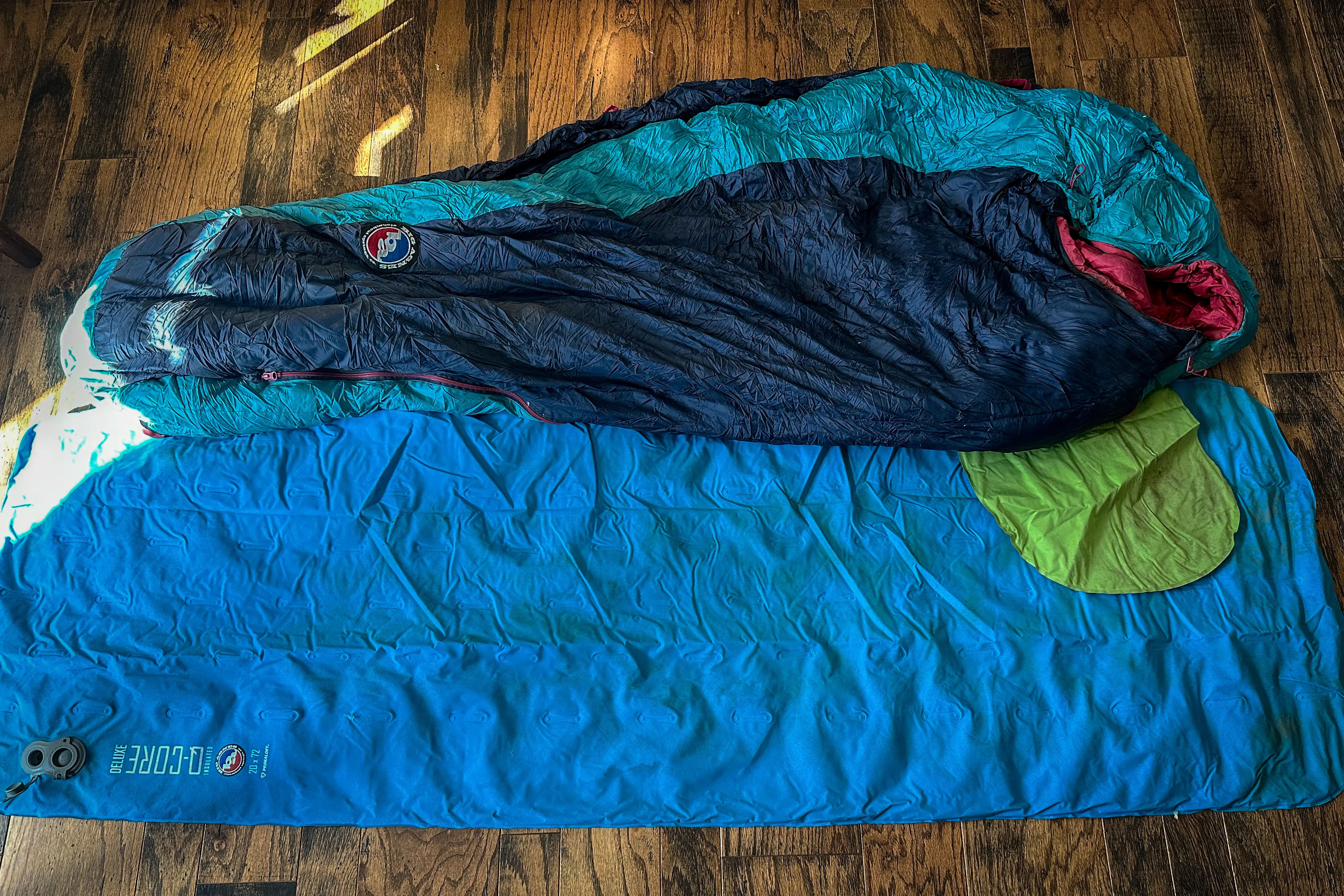
Credit: gearjunkie.com
Choosing The Right Cleaning Method
Cleaning your sleeping bag properly keeps it fresh and lasts longer. Picking the right cleaning method is key to avoid damage.
Different sleeping bags need different care. Understanding how to clean them helps keep their warmth and shape.
Machine Wash Vs Hand Wash
Machine washing is fast and easy. It works well for most synthetic sleeping bags.
Hand washing is gentle. It is best for delicate or down-filled sleeping bags.
- Machine wash uses a front-loading washer on gentle cycle.
- Hand wash uses mild soap and warm water with light scrubbing.
- Machine wash dries faster but can stress fabric.
- Hand wash takes time but protects insulation better.
Using Specialized Cleaners
Specialized cleaners are made for sleeping bags and outdoor gear. They clean without harming the fabric or filling.
These cleaners remove dirt and odors gently. They keep the insulation soft and effective.
- Look for cleaners labeled safe for down or synthetic fills.
- Avoid general household detergents that can strip oils.
- Use the recommended amount to prevent buildup.
Avoiding Harsh Detergents
Harsh detergents can damage your sleeping bag. They remove natural oils and harm insulation.
Use mild, gentle soaps to keep your sleeping bag soft and warm. Avoid bleach and fabric softeners.
- Harsh detergents break down fabric fibers.
- They reduce the loft and warmth of insulation.
- Bleach can cause discoloration and damage.
- Fabric softeners leave residues that reduce breathability.
Preparing Your Sleeping Bag
Cleaning your sleeping bag starts with good preparation. This helps keep it in great shape and makes washing easier.
Follow simple steps before you wash to protect the fabric and insulation. These steps also stop damage during cleaning.
Checking Care Labels
Look at the care label on your sleeping bag. It tells you what cleaning methods are safe. Some bags need special care or only dry cleaning.
- Find washing temperature limits
- Note if machine washing is allowed
- Check for bleach or fabric softener warnings
- See if tumble drying is okay
Removing Loose Dirt And Debris
Remove dirt and small debris before washing. This keeps your washing machine clean and prevents damage to the bag.
Use these tools to clean your sleeping bag surface:
- A soft brush to sweep away dirt
- A vacuum cleaner with a brush attachment
- A lint roller for small particles
- A damp cloth for sticky spots
Handling Stains Properly
Treat stains before washing. Different stains need different care to avoid setting them permanently.
| Type of Stain | Cleaning Method |
| Food or drink | Use mild soap and cold water |
| Oil or grease | Apply a small amount of dish soap gently |
| Dirt or mud | Let dry, then brush off carefully |
| Ink or dye | Blot with rubbing alcohol on cloth |
Washing Steps
Cleaning a down sleeping bag needs care to keep its warmth and shape. Follow simple washing steps for best results.
Use gentle methods to avoid damage. This guide covers machine setting, hand washing, and rinsing tips.
Setting The Washing Machine
Choose the right machine settings to protect your sleeping bag’s down filling. Use cold water and a gentle cycle.
- Select a front-loading washer if possible, as it is less harsh.
- Set the water temperature to cold or warm, never hot.
- Choose the delicate or gentle wash cycle.
- Use a small amount of mild detergent made for down or technical fabrics.
- Avoid bleach and fabric softeners.
- Run an extra rinse cycle to remove all soap.
Hand Washing Techniques
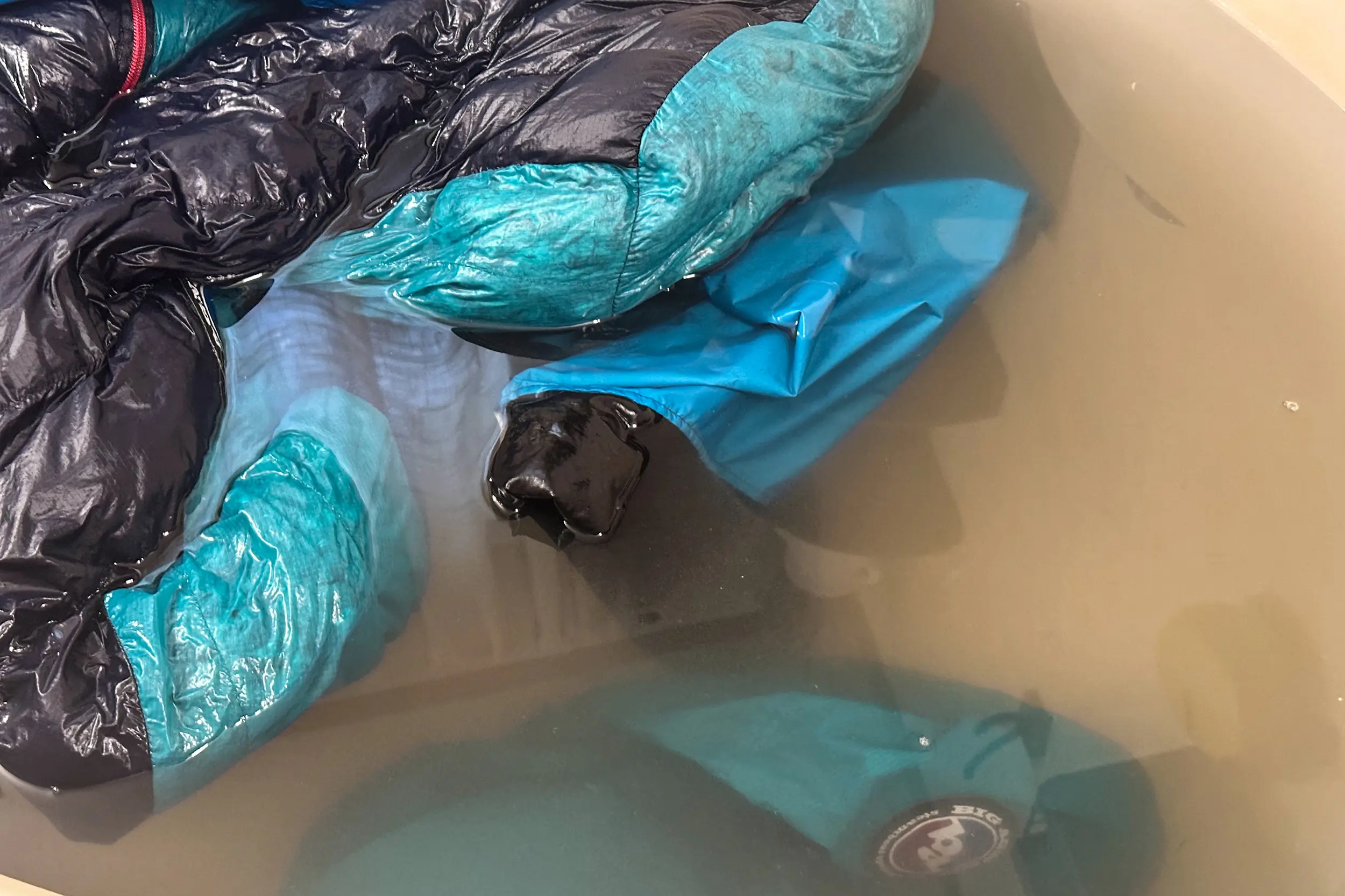
Hand washing helps if you lack a proper machine or want extra care. Use a large tub or bathtub for space.
Follow these steps to hand wash your down sleeping bag:
- Fill the tub with cold or lukewarm water.
- Add a small amount of gentle detergent designed for down.
- Submerge the sleeping bag fully and gently squeeze it to mix detergent.
- Let it soak for 15 to 30 minutes without rubbing or scrubbing.
- Press down gently to remove dirt, but do not wring the bag.
- Drain the tub and refill with clean water for rinsing.
Rinsing Thoroughly
Rinse your sleeping bag well to remove all soap. Soap left inside can cause clumps and reduce warmth.
| Rinse Method | Instructions |
|---|---|
| Machine Rinse | Run at least one extra rinse cycle with cold water. |
| Hand Rinse | Refill tub with clean water and gently press to remove soap. Repeat until water is clear. |
| Final Check | Ensure no suds remain. Squeeze gently but do not twist or wring. |
Drying Techniques
Drying your sleeping bag properly keeps it fresh and ready to use. It stops bad smells and damage. Use the right drying ways for the best results.
Below are easy drying tips. They help keep your sleeping bag safe and clean after washing.
Air Drying Tips
Air drying is gentle and safe for most sleeping bags. It protects the materials and filling inside.
- Hang your sleeping bag in a dry, shaded place.
- Keep it flat or loosely hung to keep its shape.
- Turn it over every few hours for even drying.
- Avoid direct sunlight to stop color fading.
- Do not use wires or thin hangers that can damage fabric.
Using A Dryer Safely
Dryers can speed up drying but use low heat and care. High heat can harm the sleeping bag’s insulation.
| Dryer Setting | Reason |
| Low Heat | Protects fabric and filling |
| Gentle Cycle | Prevents damage to seams |
| Tennis Balls or Dryer Balls | Keeps filling fluffy |
| Check Often | Stops overheating and shrinking |
Preventing Mold And Mildew
Wet sleeping bags can grow mold and mildew. Drying fully and storing right keeps them safe.
- Always dry your sleeping bag completely before storing.
- Store it in a breathable bag, not plastic.
- Keep it in a cool, dry place.
- Air it out regularly if stored long term.
- Use moisture absorbers if needed.
Maintaining Freshness Between Washes
Sleeping bags can stay fresh longer with simple care tips. Washing too often can harm their insulation and fabric. Use these ways to keep your sleeping bag clean and smelling good between washes.
These methods help protect your sleeping bag and make it ready for your next adventure. Keep it fresh without frequent washing.
Proper Storage Solutions
Store your sleeping bag in a cool, dry place. Avoid tight compression as it can damage the insulation. Use a large cotton or mesh storage sack to allow airflow.
- Keep it away from direct sunlight
- Do not store in plastic bags for long periods
- Hang or loosely roll to maintain loft
- Choose a clean, dry storage area
Using Odor Eliminators
Odor eliminators help reduce smells without washing. Use natural or commercial options safe for fabrics. They keep your sleeping bag fresh and pleasant.
| Type | Example | How to Use |
| Baking Soda | Sprinkle inside bag | Leave for a few hours, then shake out |
| Activated Charcoal | Place in a breathable pouch | Store with sleeping bag to absorb odors |
| Fabric Spray | Odor-neutralizing sprays | Lightly mist outside surface |
Regular Airing Out
Airing your sleeping bag after use stops smells from settling. Fresh air dries moisture and keeps the bag feeling clean. Do this before storing it away.
- Unzip and unfold the sleeping bag fully
- Hang or lay flat in a shaded, ventilated area
- Air out for several hours or until dry
- Do not place in direct sunlight to avoid fabric damage
Credit: gearjunkie.com
Repairing And Restoring Your Sleeping Bag
Keeping your sleeping bag in good shape helps it last longer. Small repairs and proper care restore its warmth and comfort.
This guide covers how to fix tears, bring back loft, and replace old parts.
Fixing Tears And Holes
Check your sleeping bag for any tears or holes before storing or using it. Fixing these early stops damage from getting worse.
- Clean the area around the tear with mild soap and water.
- Use a patch kit designed for sleeping bags or outdoor gear.
- Cut the patch slightly larger than the hole or tear.
- Apply adhesive to the patch and press it firmly on the damaged spot.
- Let it dry completely before using the bag again.
Reviving Loft And Warmth
Over time, insulation inside your sleeping bag can clump or flatten. This reduces warmth. Restoring loft helps keep you warm.
| Method | How to Do It |
| Fluffing | Shake and beat the sleeping bag outside to break up clumps. |
| Air Drying | Hang it in sunlight for a few hours, avoid direct heat sources. |
| Use Dryer Balls | Place dryer balls in a large dryer on low heat with the bag for 20 minutes. |
Replacing Worn-out Components
Check zippers, drawstrings, and snaps regularly. Worn parts can reduce your sleeping bag’s function.
- Replace broken zippers with repair kits or by sewing in a new zipper.
- Swap out old drawstrings with new cords of similar thickness.
- Fix or replace snaps and buttons using sewing kits.
- Consider professional repair if damage is extensive.

Credit: alpkit.com
Frequently Asked Questions
How Often Should I Clean My Down Sleeping Bag?
Clean your down sleeping bag once or twice a year. Frequent use or exposure to dirt may require more frequent cleaning to maintain warmth and longevity.
What Is The Best Detergent For Down Sleeping Bags?
Use a mild, down-specific detergent. Avoid regular detergents, bleach, or fabric softeners as they can damage the down insulation.
Can I Machine Wash My Down Sleeping Bag Safely?
Yes, use a front-loading washing machine on a gentle cycle with cold water. Always follow the manufacturer’s care instructions for best results.
How Do I Dry A Down Sleeping Bag Properly?
Dry your sleeping bag on low heat with clean tennis balls to fluff the down. Avoid high heat to prevent damage or clumping.
Conclusion
Cleaning a down sleeping bag keeps it fresh and cozy. Follow these steps to ensure it lasts longer. Use gentle detergent and wash in cold water. Dry it thoroughly, using low heat to avoid damage. Fluff it regularly to maintain its loft and warmth.
Store it in a dry, cool place to prevent mold. Keeping your sleeping bag clean ensures a better night’s sleep on your adventures. Simple care makes a big difference in comfort and durability. Enjoy your journeys with a clean, comfy sleeping bag.