
Have you ever noticed your air conditioner suddenly covered in ice? It’s frustrating, right?
When your AC freezes up, it not only stops working properly but can also lead to costly repairs. Understanding why this happens can save you time, money, and discomfort. You’ll discover the common reasons behind a freezing air conditioner and how you can fix or even prevent it from happening again.
Keep reading—your cool comfort depends on it.
Credit: www.thervgeeks.com
Common Signs Of A Frozen Ac
A frozen air conditioner stops cooling your home properly. It can cause damage if not fixed quickly. Knowing the signs helps you act early.
This guide shows three common signs your AC might be frozen. Check your unit for these problems to avoid bigger issues.
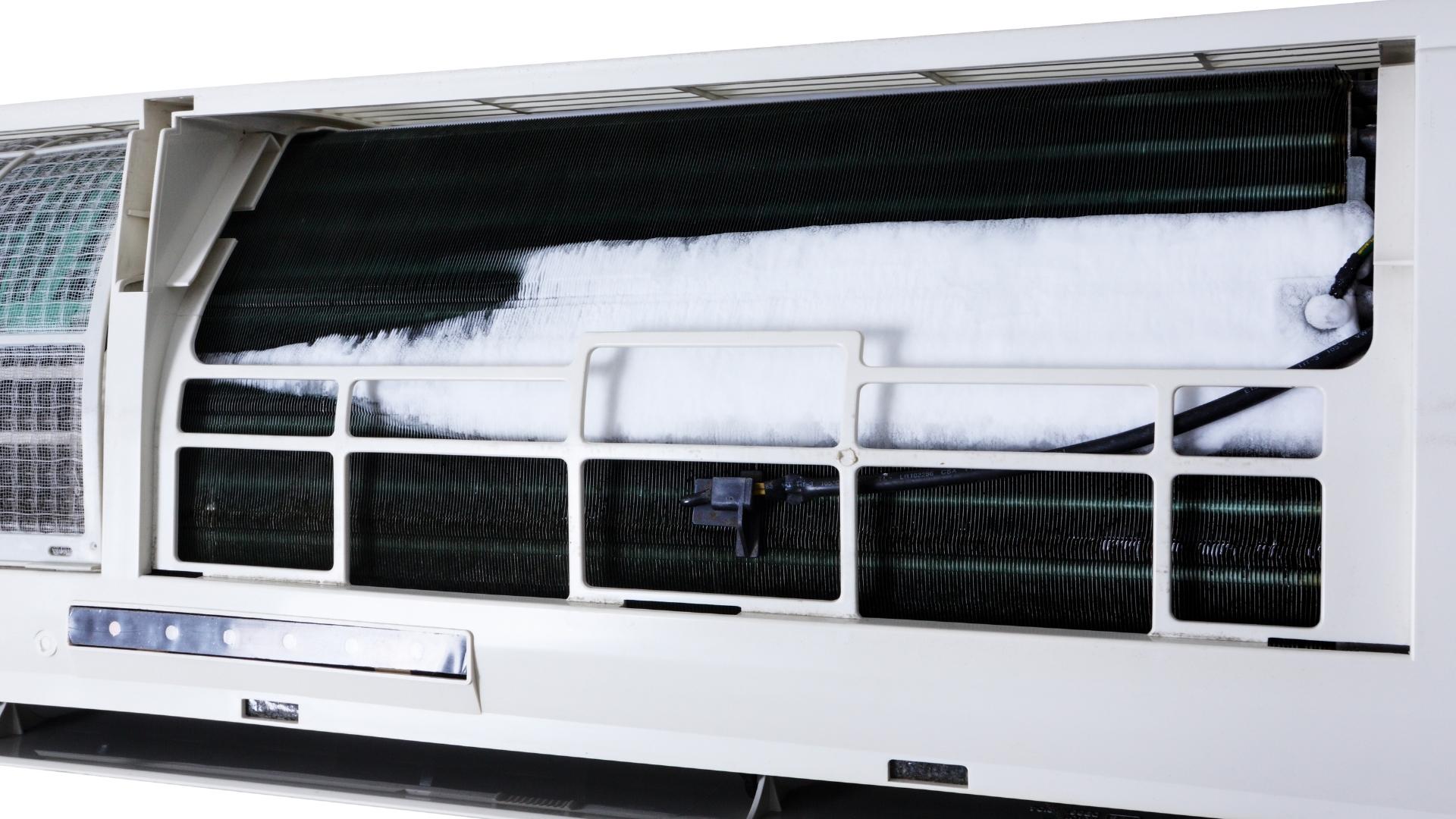
Frost On The Evaporator Coil
The evaporator coil cools the air inside your AC. When it freezes, you can see white or blue frost on the coil. This frost blocks heat transfer and stops cooling.
- Frost appears on the coil or tubing
- Ice buildup around the indoor unit
- Water leaks near the AC unit from melting ice
Reduced Airflow
Frozen AC blocks the flow of air inside your home. You will notice less air coming from the vents. The air may feel cooler but the room stays warm.
| Cause | Effect on Airflow |
| Frozen evaporator coil | Blocks air passage, less air moves |
| Dirty air filter | Restricts air, lowers airflow |
| Fan problems | Reduces air pushing through vents |
Unusual Noises
When your AC freezes, it can make strange sounds. These noises warn you that something is wrong inside the unit.
- Hissing sounds from ice melting
- Buzzing or rattling from the fan struggling
- Clanking if ice hits moving parts
Main Causes Of Ac Freezing
An air conditioner freezing up is a common problem. It stops your AC from cooling properly.
Several reasons can cause this issue. Understanding them helps you fix the problem fast.
Dirty Air Filters
Dirty air filters block airflow in the AC unit. This causes the coil to get too cold.
When airflow is limited, moisture freezes on the coils. This leads to ice buildup.
- Reduced airflow causes coil freezing
- Dirty filters trap dust and debris
- Regular cleaning prevents freezing
Low Refrigerant Levels
Low refrigerant means less cooling power. The coil gets too cold and freezes.
Leaks or poor charging cause low refrigerant. This stops the AC from working well.
- Leaking refrigerant lowers pressure
- Low pressure causes coil ice
- Fix leaks and recharge refrigerant
Blocked Airflow
Blocked airflow can happen from closed vents or furniture. This limits air around the coil.
Without enough airflow, the coil freezes. Clearing vents helps air move freely.
- Closed or blocked vents reduce airflow
- Obstacles near the AC block air
- Keep vents open and clear
Thermostat Issues
A faulty thermostat can cause the AC to run too long. This makes the coil very cold.
If the thermostat does not read temperature right, it won’t stop the AC in time.
- Wrong temperature reading makes AC overwork
- Overworking leads to ice on coils
- Check or replace faulty thermostat
Fan Problems
The fan moves air over the coils. If the fan fails, air stops moving.
No airflow means the coil gets too cold and freezes over. Fan issues need quick repair.
- Broken fan motor stops air movement
- Fan blades can get stuck or damaged
- Fix fan to restore airflow and prevent freezing
How Dirty Filters Lead To Freezing
Dirty air filters block the airflow in your air conditioner. This causes many problems that can lead to freezing.
Understanding how dirty filters affect your AC helps you prevent ice buildup and keep your system working well.
Restricted Air Movement
When filters are clogged with dust and dirt, air cannot flow freely through the AC unit. This restriction lowers the air movement over the evaporator coil.
- Reduced airflow makes the coil colder than normal.
- The AC struggles to pull warm air into the system.
- Cold air stays trapped around the coil, causing moisture to freeze.
- Restricted airflow forces the system to work harder, increasing wear.
Impact On Evaporator Coil Temperature
| Condition | Effect on Coil Temperature | Result |
| Clean filter | Normal temperature | Efficient cooling, no freezing |
| Dirty filter | Lower than normal | Ice forms on coil, blocks airflow |
The dirty filter lowers the coil temperature below freezing. Ice forms on the coil surface, blocking airflow and causing the AC to freeze up.
Refrigerant Leaks And Their Effects
Air conditioners use refrigerant to cool the air. If there is a leak, the refrigerant level drops. This causes the air conditioner to work poorly.
Low refrigerant can cause the air conditioner to freeze up. Ice forms on the coils and stops the system from cooling well.
Signs Of Low Refrigerant
You may notice less cool air coming from your vents. The air conditioner might run longer than usual but still not cool the room.
Another sign is the fan running constantly. You might also see frost or ice on the outdoor unit or the indoor coils.
- Warm air from vents
- Longer running times
- Constant fan operation
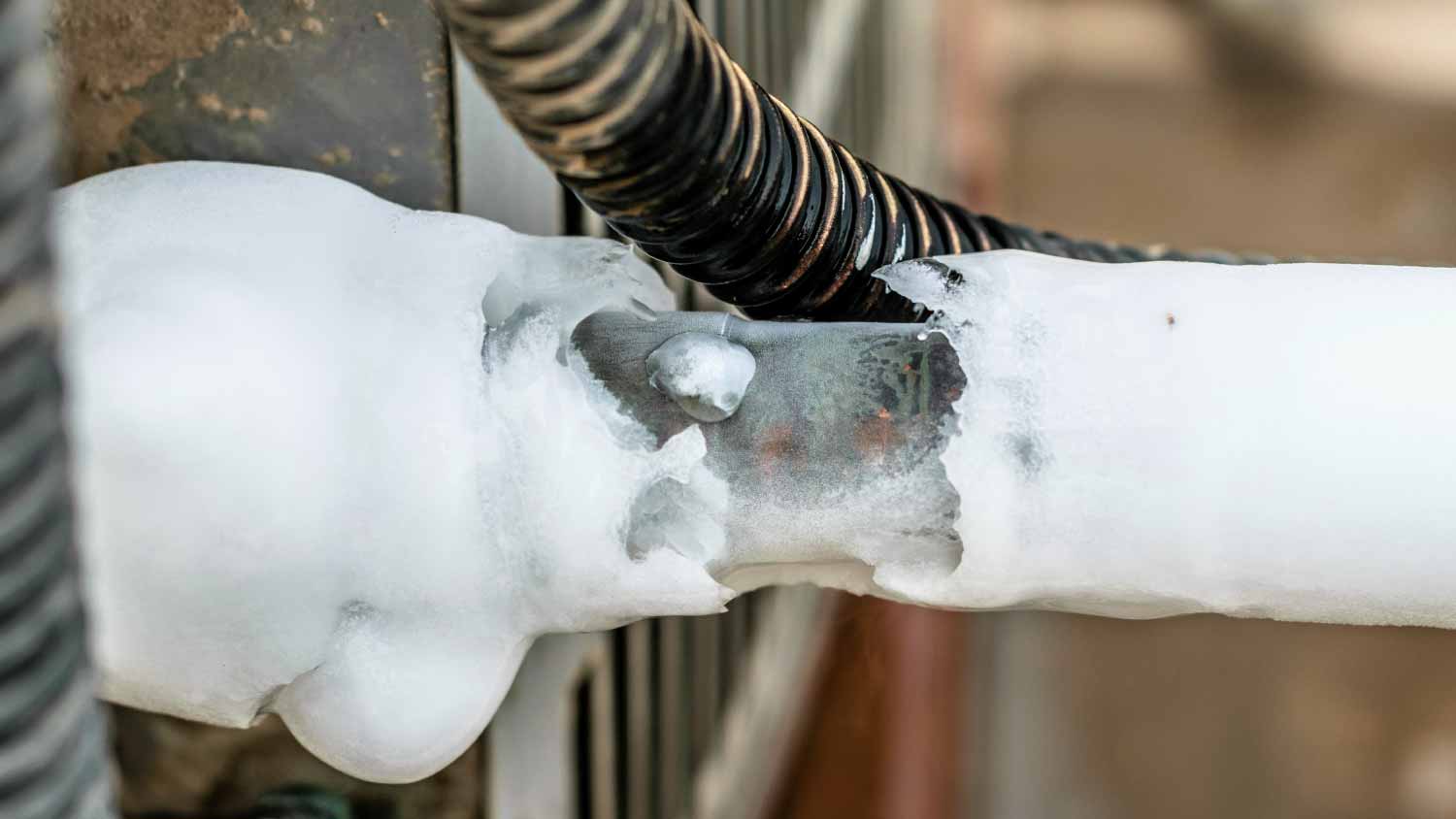
- Ice buildup on coils or outdoor unit
- Hissing sounds near the unit
Why Low Refrigerant Causes Ice
Refrigerant helps absorb heat from inside your home. When its level is low, the pressure drops inside the coils.
Lower pressure makes the refrigerant very cold. This cold temperature causes moisture to freeze on the coils, making ice.
- Low refrigerant lowers coil pressure
- Cold coils freeze moisture in the air
- Ice blocks airflow, reducing cooling
- Frozen coils can damage the system
Airflow Blockages To Watch For
Air conditioners need good airflow to work well. Blockages can cause the unit to freeze up. Watch out for common airflow problems.
When air cannot move freely, the coil can get too cold. This leads to ice buildup and freezing. Fixing airflow blockages helps prevent this issue.
Clogged Vents And Registers
Vents and registers let air flow into rooms. Dust, dirt, and debris can clog them. This reduces airflow and causes the air conditioner to freeze.
Check vents and registers often. Clean them by vacuuming or wiping dust away. Keep furniture and curtains from blocking these openings.
- Remove dust and pet hair regularly
- Clear any objects blocking vents
- Keep vents open and unobstructed
Obstructed Return Air Ducts
The return air ducts bring warm air back to the air conditioner. If these ducts are blocked, airflow drops. This makes the system work too hard and freeze up.
Check for blockages like closed doors or furniture covering return air grilles. Also, inspect ducts for dust buildup or damage that limits airflow.
- Keep return air grilles open and clear
- Inspect ducts for dust and clean as needed
- Avoid blocking return air pathways with furniture

Credit: www.advantageairtech.com
Thermostat Settings And Freezing
Air conditioners can freeze up due to thermostat settings. The thermostat controls the temperature in your home. If it is set incorrectly, the AC may freeze.
Understanding how thermostat settings affect freezing helps to avoid damage. Two main causes are setting the temperature too low and faulty thermostat sensors.
Setting Temperature Too Low
Setting the thermostat too low causes the AC to run continuously. This lowers the coil temperature below freezing. As a result, ice forms on the coils.
- Thermostat set below 68°F can cause freezing
- Constant running lowers pressure in the system
- Low pressure causes moisture to freeze on coils
- Blocked airflow worsens freezing problems
Malfunctioning Thermostat Sensors
Thermostat sensors detect room temperature. Faulty sensors send wrong signals. This confuses the AC system and causes freezing.
| Sensor Issue | Effect on AC |
| Sensor too close to cooling coil | AC thinks room is colder than it is |
| Loose or damaged sensor wiring | Inconsistent temperature readings |
| Old or broken sensor | AC runs too long and freezes |
Fan And Blower Issues
Air conditioners can freeze up due to problems with the fan and blower. These parts help move air across the coils. If they fail, ice can form inside the unit.
Understanding fan and blower issues helps find the cause of freezing. Fixing these parts often stops the ice build-up.
Fan Motor Failures
The fan motor powers the fan that moves air through the air conditioner. If the motor stops working, air cannot flow properly.
Without air flow, the coils get too cold and ice forms. A bad motor may cause the fan to run slowly or stop.
- Fan motor wears out over time
- Electrical problems can stop the motor
- Motor bearings may become damaged
- Motor overheating can cause failure
Dirty Or Broken Fan Blades
Fan blades push air across the cooling coils. Dirt buildup on blades slows the air movement.
Broken or bent blades also reduce airflow. Less air means the coils get colder, leading to ice formation.
- Dirt makes fan blades heavy and slow
- Bent blades cause imbalance and noise
- Broken blades stop proper air circulation
- Cleaning or replacing blades helps fix freezing
Credit: www.angi.com
Diy Fixes For A Freezing Ac
A freezing air conditioner can stop working well and raise energy costs. You can fix some problems yourself. Simple checks and cleaning help your AC run smoothly again.
Try these easy DIY fixes before calling a technician. They can save you time and money while keeping your home cool.
Cleaning Or Replacing Air Filters
Dirty or clogged air filters block airflow and cause ice to form. Cleaning or replacing filters lets air flow freely. It stops the AC from freezing up.
- Turn off the AC unit before removing the filter.
- Take out the air filter carefully.
- Use a vacuum or wash with water if the filter is reusable.
- Let the filter dry completely before putting it back.
- Replace disposable filters with a new one if very dirty.
- Check filters every month during heavy use.
Checking And Adjusting Thermostat
An incorrect thermostat setting can make your AC freeze. Setting it too low runs the unit too long. Check the thermostat and adjust the temperature to a comfortable level.
| Issue | Fix |
| Thermostat set too cold | Raise temperature to 75°F or higher |
| Thermostat not working | Replace batteries or the unit |
| Thermostat in direct sunlight | Move it to a shaded spot |
| Fan setting on “auto” | Try “on” to keep air moving |
Clearing Vents And Registers
Blocked vents and registers reduce airflow. This causes the AC to freeze. Clean and clear them to improve air circulation and stop ice buildup.
- Remove dust and debris with a vacuum or brush.
- Check for furniture or objects blocking the vents.
- Make sure all registers are open and unobstructed.
- Inspect ductwork for leaks or damage if airflow stays poor.
When To Call A Professional
An air conditioner freezing up is a sign that something is wrong. Fixing it yourself can cause more damage. Knowing when to call a professional helps protect your system.
Some problems need special tools and skills. A trained technician can find the real cause and fix it safely. If your AC freezes often or stops working, get help.
Handling Refrigerant Problems
Low refrigerant levels can cause your AC to freeze. The refrigerant cools the air inside the system. If it leaks or runs low, the unit will freeze up.
Only a professional can check and add refrigerant. They have the right tools to find leaks and refill safely. Adding refrigerant yourself can be dangerous and damage the system.
- Technicians check for leaks using special equipment
- They refill refrigerant to correct levels
- Professionals ensure no harm to the environment
Repairing Fan Or Motor Issues
The fan and motor help move air over the coils. If they stop working, the coils get too cold and freeze. This can cause your AC to stop cooling properly.
Fixing fan or motor problems needs knowledge and tools. A professional can test these parts and replace them if needed. Trying to fix them yourself can cause more damage or injury.
- Technicians test fan motors for proper operation
- They replace broken or worn-out parts
- Professionals check electrical connections
Comprehensive System Inspection
Sometimes the cause of freezing is not obvious. Dirt buildup, blocked airflow, or worn parts can cause problems. A full system inspection finds all issues.
A professional inspects your AC from top to bottom. They clean, test, and fix all parts. This helps prevent freezing and improves your system’s life and performance.
- Check and clean air filters and coils
- Test thermostat and electrical parts
- Inspect refrigerant levels and airflow
Preventing Ac Freezing In The Future
An air conditioner can freeze up due to many reasons. You can stop this by taking good care of your AC.
Regular attention helps keep your AC working well and avoids freezing problems.
Regular Maintenance Tips
Clean or change the air filter every month. A dirty filter blocks air and causes the AC to freeze.
Check the thermostat settings. Keep it at a comfortable temperature to avoid overworking the system.
- Clean air filters monthly
- Keep thermostat at steady temperature
- Clear debris around outdoor unit
- Check refrigerant levels yearly
Seasonal System Checkups
Have a professional inspect your AC before summer and winter. This helps find small problems early.
They can clean coils, check refrigerant, and test airflow to keep your system running smoothly.
- Schedule checkups twice a year
- Inspect coils and refrigerant levels
- Test airflow and ductwork
- Fix minor issues before they grow
Frequently Asked Questions
Why Does My Air Conditioner Freeze Up?
Air conditioners freeze up due to restricted airflow or low refrigerant levels. Dirty filters or blocked vents reduce airflow, causing coils to freeze. Low refrigerant causes the coils to get too cold, leading to ice buildup.
How Can Dirty Filters Cause Ac Freezing?
Dirty filters block airflow, reducing the air passing over the coils. This causes the coils to become too cold and freeze. Regularly cleaning or replacing filters prevents this issue and keeps the AC running efficiently.
Can Low Refrigerant Lead To Ac Freezing?
Yes, low refrigerant lowers pressure in the system, making coils colder than normal. This causes moisture to freeze on the coils, resulting in ice buildup. A professional should check and recharge refrigerant levels to fix this.
What Role Does Airflow Play In Ac Freezing?
Proper airflow keeps the coils at the right temperature. When airflow is restricted by dirty filters or closed vents, coils get too cold and freeze. Ensuring vents are open and filters clean prevents freezing.
Conclusion
Preventing an air conditioner from freezing is crucial. Regular maintenance helps avoid issues. Clean filters ensure smooth airflow. Check refrigerant levels routinely. Always keep vents unobstructed. These steps promote efficient cooling. Avoid costly repairs by staying proactive. A well-functioning AC keeps your home comfortable.
Remember, small steps make a big difference. Watch for unusual signs. Consult a professional if needed. Don’t wait until problems escalate. A little attention goes a long way. Enjoy a cool and pleasant environment. Happy cooling!