Have you ever wondered if you can replace just one tire on your car instead of all four? It’s a question many drivers face, especially when one tire wears out faster or gets damaged unexpectedly.
Making the right choice can save you money and keep your car safe on the road. But is it really okay to swap out only one tire? Keep reading to find out what experts say and what you need to consider before making this decision.
Your safety and your wallet will thank you.
Credit: www.continental-tires.com
When One Tire Replacement Is Possible
Replacing a single tire on a car can be okay in some cases. This depends on several key factors. Knowing these helps keep your car safe and balanced.
This guide explains when one tire replacement works well. It covers matching tread depths, tire brands, and all-wheel drive issues.
Matching Tread Depths
New tires have deeper tread than used ones. A big difference in tread depth can cause uneven wear and handling problems.
- Check the tread depth of all tires before replacing one.
- Try to match the new tire’s tread depth with the others.
- If tread depths differ by more than 2/32 inch, replace more than one tire.
Similar Tire Brand And Model
Using the same tire brand and model keeps driving consistent. Different tires may have varied grip and wear rates.
| Reason | Effect of Different Tires |
| Brand and Model | Changes traction and handling |
| Size and Type | Can affect speedometer and stability |
| Tread Pattern | Affects water displacement and noise |
All-wheel Drive Considerations
All-wheel drive (AWD) cars need tires that work together. Different tire sizes or tread depths can cause damage to the AWD system.
For AWD cars, follow these tips:
- Replace tires in pairs or all four at once.
- Keep tread depths as close as possible.
- Use the same tire brand and model on all wheels.
Credit: www.carparts.com
Risks Of Replacing A Single Tire
Replacing just one tire on a car may seem like an easy fix. Many drivers do this to save money. Yet, it can cause problems for the car’s performance and safety.
Understanding the risks helps you make a better choice. Below are key issues caused by putting one new tire on an old set.
Handling And Stability Issues
A new tire has better grip and tread depth than older tires. This difference can cause the car to pull or pull unevenly. It affects how the car handles turns and stops.
The mismatch in tires may cause:
- Less control on wet or slippery roads
- Uneven braking forces
- Steering that feels off or unstable
Increased Wear On Other Tires
| Tire Condition | Effect on Other Tires |
| New tire | Works harder, may cause older tires to wear faster |
| Old tires | Less grip, uneven load distribution |
| Mismatched tread depth | Uneven tire rotation and balance |
When one tire is new, the others face more stress. This imbalance shortens the life of all tires on the car.
Potential Safety Hazards
Replacing one tire can cause safety risks. The car may not perform as expected in emergencies. This puts the driver, passengers, and others at risk.
- Loss of traction on wet or icy roads
- Increased chance of hydroplaning
- Possible failure of traction or stability control systems
- Greater risk of tire blowouts due to uneven wear
How To Choose The Right Replacement Tire
Replacing one tire on your car needs care. The new tire must match the others.
Choosing the right tire helps keep your car safe and driving well.
Checking Tire Size And Specs
Look at the size and details on your current tires. These numbers show the tire’s width, height, and rim size.
Use these specs to pick a new tire that fits your car correctly.
- Find size on the tire sidewall, like 205/55R16
- Match speed rating and load index to the old tire
- Check tread pattern for similar performance
Considering Tire Age And Condition
Tires get old and lose grip even if they look good. Check the manufacture date on the tire sidewall.
Use a replacement tire that is not too old or worn out compared to the others.
- Look for the DOT code on the tire sidewall
- Tires older than six years may be unsafe
- Choose a tire with similar tread depth
Consulting Manufacturer Recommendations
Car makers give advice on tires for the best ride and safety. Check your owner’s manual for tire info.
Follow these rules to keep your car handling right and avoid problems.
- Use recommended tire size and type
- Check for special tire needs like run-flat or eco-friendly
- Ask a dealer or tire shop if unsure
Steps To Replace One Tire Safely
Replacing one tire on your car can be safe if you follow the right steps. It is important to do this carefully to avoid damage or accidents.
This guide will help you remove the damaged tire, install the new one, and check the balance and alignment.
Removing The Damaged Tire
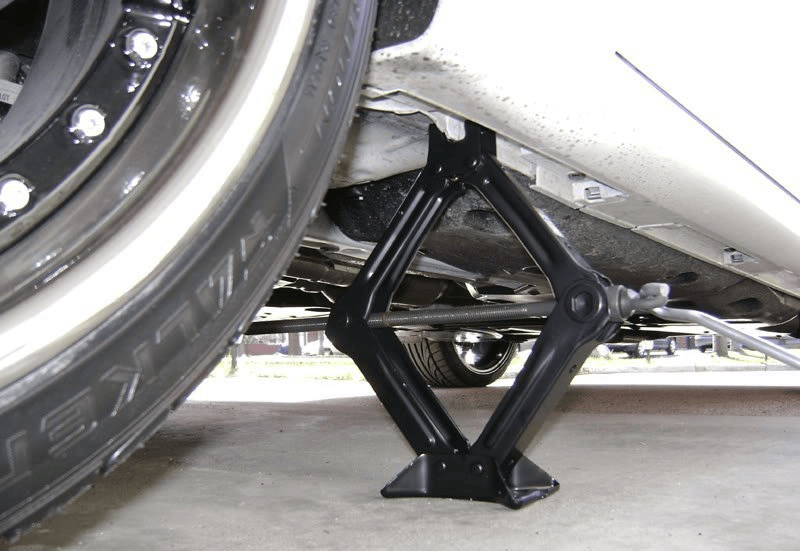
First, park your car on a flat surface and apply the parking brake. Use a jack to lift the car so the tire is off the ground. Loosen the lug nuts with a wrench, then remove the tire carefully.
- Park on a level surface and set the parking brake.
- Loosen lug nuts slightly before lifting the car.
- Use a jack to raise the car until the tire is off the ground.
- Remove the lug nuts completely.
- Take off the damaged tire.
Installing The New Tire
Align the new tire with the wheel studs and push it onto the hub. Hand-tighten the lug nuts to hold the tire in place. Lower the car carefully and use a wrench to fully tighten the lug nuts in a star pattern for even pressure.
| Action | Details |
| Align Tire | Match holes with wheel studs |
| Hand-tighten Nuts | Secure tire before lowering car |
| Lower Car | Use jack to gently bring car down |
| Tighten Nuts | Use star pattern for even grip |
Balancing And Alignment Checks
After installing the new tire, check the balance to avoid vibrations. It is also important to check the wheel alignment. Proper balance and alignment improve safety and extend tire life.
Here are common signs you need balancing or alignment:
- Steering wheel shakes while driving
- Car pulls to one side
- Uneven tire wear
When To Replace Tires In Pairs Or All Four
Replacing tires is important for safe driving. You may wonder if you need to replace one tire or more. The decision depends on several factors about your tires and vehicle.
This guide explains when to replace tires in pairs or all four. Understanding this helps keep your car balanced and safe on the road.
Tread Depth Differences
Tires wear down over time. Different tread depths on tires can cause problems. Uneven tread wears affect grip and control.
If one tire has much less tread than the others, it is best to replace at least two tires. This keeps your car stable and prevents damage.
- Check tread depth regularly with a gauge
- Replace tires if tread is below 2/32 inch
- Match new tires to the tread depth of existing ones
Vehicle Type Influence
Your type of vehicle changes how you replace tires. Some cars need all four tires replaced at once. Others can use two new tires safely.
All-wheel-drive (AWD) cars usually need four matching tires. This keeps the drivetrain working well. Front-wheel-drive or rear-wheel-drive cars can often use two new tires.
- AWD cars: replace all four tires together
- FWD or RWD cars: replacing two tires is usually fine
- Check your vehicle manual for specific advice
Cost Vs Safety Trade-offs
Replacing tires costs money, but safety is more important. Sometimes buying two tires saves money. But replacing all four gives better safety and performance.
Think about your budget and driving habits. If you drive a lot or in bad weather, new tires help you stay safe. If you drive less, two tires may be enough.
- Two tires cost less but may reduce balance
- Four new tires improve grip and stability
- Safety should be your main priority
Credit: www.protyre.co.uk
Maintenance Tips To Extend Tire Life
Taking care of your tires helps them last longer and keeps you safe on the road. Simple actions can prevent uneven wear and improve performance.
Learn easy ways to maintain your tires. This guide covers rotation, inflation, and inspections.
Regular Tire Rotation
Rotating tires moves them to different positions on the car. This ensures even tire wear and extends their life.
- Rotate tires every 5,000 to 8,000 miles
- Follow your vehicle manufacturer’s rotation pattern
- Use a professional mechanic if unsure how to rotate
- Check tire tread depth during rotation
Proper Inflation Levels
Keeping tires inflated to the right pressure prevents damage. Underinflated or overinflated tires wear out quickly.
| Pressure Condition | Effect on Tire Life |
| Underinflated | Increased wear on edges, higher fuel use |
| Overinflated | Wear in center tread, harsher ride |
| Correct Pressure | Even wear, better handling, longer life |
Routine Inspections
Check tires often for damage and wear. Early detection can stop problems from getting worse.
- Look for cuts, cracks, and bulges on sidewalls
- Check tread depth with a penny or tread gauge
- Listen for unusual noises while driving
- Replace tires that show uneven wear or damage
Frequently Asked Questions
Can You Replace Just One Tire On A Car?
Yes, you can replace one tire if the others are in good condition. Make sure the new tire matches the tread depth and type of existing tires.
Is It Safe To Replace Only One Tire?
Replacing one tire is safe if the new tire matches the others. Mismatched tires can affect handling and safety, especially on all-wheel-drive cars.
When Should You Replace All Four Tires Instead?
Replace all four tires if tread depth varies widely or tires are old. This ensures balanced performance, better grip, and safer driving.
How Does Tire Replacement Affect Car Performance?
Replacing one tire affects traction and handling if it differs from others. Proper matching maintains stability, braking, and fuel efficiency.
Conclusion
Replacing one tire on a car can be tricky. It’s not always ideal. Uneven tire wear might occur. This can affect driving safety. Consider checking tread depth. It ensures even performance. Consult a professional if unsure. They offer expert guidance.
Maintaining tire balance is crucial. It promotes longer tire life. Regular tire checks help. It keeps your car safe. Avoid potential risks by being cautious. Proper tire care saves money. It enhances road safety too. Always prioritize safety first. Making informed choices matters.
Stay proactive with car maintenance. Your car deserves the best care.