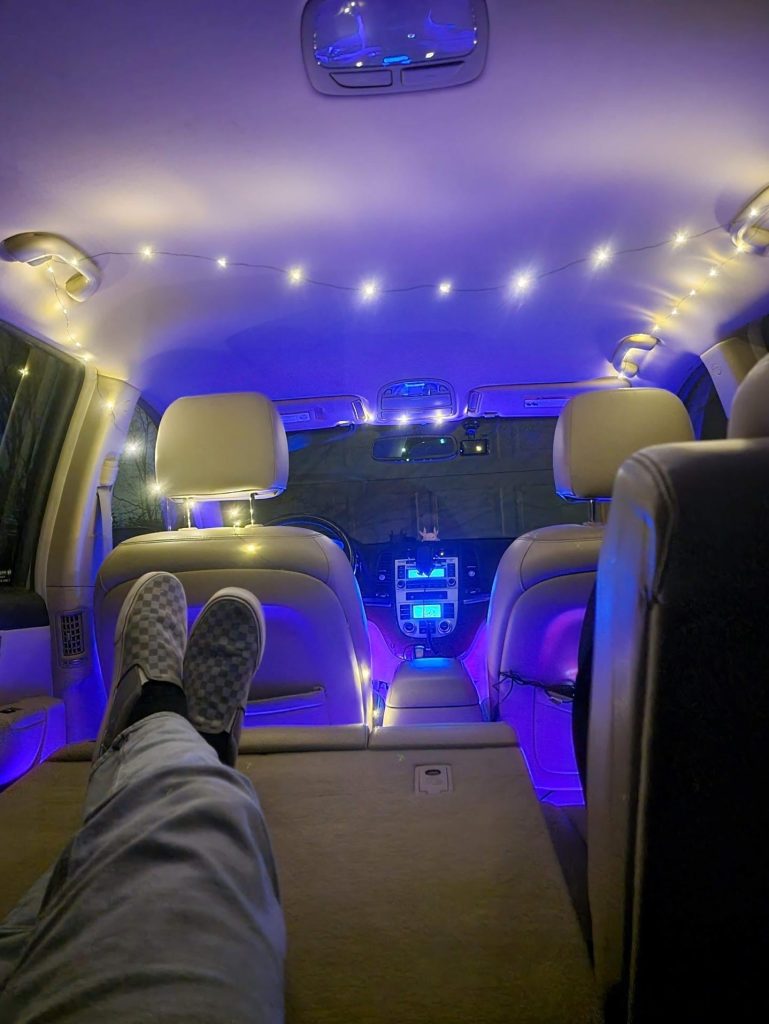
Are LED lights in cars illegal? If you’ve ever thought about upgrading your vehicle’s lighting or noticed those bright, colorful LEDs on the road, you might be wondering about the rules.
You don’t want to spend money or risk a ticket without knowing the facts. This article will clear up the confusion and help you understand what’s allowed and what isn’t. Keep reading to protect your ride and stay on the right side of the law.

Credit: www.carifex.com
Legality Of Led Lights In Cars
LED lights in cars are popular for their brightness and energy efficiency. Many people want to know if using them is legal on public roads.
Laws about LED lights in vehicles vary. It is important to understand the rules before adding or changing your car lights.
Current Laws And Regulations
Most countries have rules about car lighting. These rules focus on color, brightness, and placement of LED lights. They aim to keep roads safe for everyone.
Some LED lights are allowed if they meet specific standards. Others, like overly bright or flashing lights, can be illegal. It depends on the local law.
- Only white or amber LEDs for front turn signals
- Red LEDs are usually for brake or rear lights
- No flashing or strobe lights unless emergency vehicle
- Brightness levels must not blind other drivers
Differences By Region
LED light laws differ by region. What is legal in one place may be illegal in another. Drivers must check rules where they drive.
Some regions allow custom LED colors for show cars. Others only permit factory-approved lights on public roads. Penalties vary from fines to vehicle inspections.
- In Europe, strict color and brightness limits apply
- In the USA, rules vary by state
- Australia requires approval for aftermarket LED lights
- Some Asian countries have special permits for modified lights
Federal Vs Local Rules
Federal laws set the basic standards for vehicle lighting. Local laws add extra rules to fit their needs. Both must be followed by drivers.
Federal rules often cover safety and manufacturing. Local rules control road use and enforcement. This mix can make legality complex for LED lights.
| Rule Type | Focus | Example |
|---|---|---|
| Federal | Safety, design standards | Light color and brightness limits |
| Local | Road use, enforcement | Restrictions on flashing or color changes |
Types Of Led Lights Used In Vehicles
LED lights are common in many modern vehicles. They use less energy and last longer than older bulbs. Different LED types serve different purposes in cars.
This guide explains the main LED light types used in vehicles. Learn where you will find them and what they do.
Headlights And Taillights
LED headlights and taillights provide bright, clear light. They help drivers see and be seen better than older lights. Many cars use LED for both front and rear lights.
- LED headlights use small diodes to create strong white light.
- Taillights use red LEDs for brake and rear lights.
- Turn signals often have amber LEDs for better visibility.
- Some cars have LED daytime running lights for safety.
Interior Led Lighting
LEDs inside cars add style and function. They light up dashboards, controls, and cabin areas. LED bulbs use less power and create bright, even light.
| Interior Area | Type of LED Used | Purpose |
|---|---|---|
| Dashboard | White or blue LEDs | Show speed, fuel, and warnings |
| Overhead lights | Soft white LEDs | Illuminate cabin for passengers |
| Footwell and door lights | Colored LEDs | Create ambiance and visibility |
Accent And Decorative Leds
Accent LEDs add style to a vehicle. They highlight shapes and details on the exterior and interior. These lights do not replace main lights but improve looks.
Common uses of accent and decorative LEDs include:
- Under-car lighting to glow beneath the vehicle.
- LED strips around windows or grills.
- Colored LEDs inside to change cabin mood.
- Custom shapes or logos lit by LEDs.
Common Restrictions On Led Lights
LED lights have become popular in cars for their brightness and style. Many drivers want to install them. Laws about LED lights vary by location. Knowing common rules helps avoid fines and accidents.
Restrictions focus on color, brightness, and where lights are placed. These rules keep roads safe for all drivers and pedestrians. Here are the main limits on LED lights in cars.
Color Limitations
Colors of LED lights on cars are often limited by law. Some colors can confuse other drivers or look like emergency vehicles. Usually, only white or amber lights are allowed at the front. Red or amber lights are allowed at the rear.
- Blue and red lights are usually reserved for police or emergency vehicles.
- Green lights are banned on most vehicles to avoid confusion.
- Flashing or changing colors are often illegal for non-emergency cars.
Brightness Standards
LED lights must meet brightness limits to avoid blinding other drivers. Too bright lights can cause accidents. Laws set maximum brightness levels measured in lumens or candela.
| Type of Light | Max Brightness |
| Headlights | 3000 lumens |
| Fog Lights | 2000 lumens |
| Turn Signals | 700 lumens |
Placement Rules
Where LED lights are placed on a car is important. Lights in the wrong spots can distract other drivers or break laws. Many rules explain where you can put LED lights.
- Headlights must be mounted at a certain height and angle.
- LED strips under the car or inside windows may be illegal in some states.
- Turn signals and brake lights must be clearly visible from the rear and sides.
- Lights that flash or pulse are usually banned except for emergency vehicles.

Credit: hawkglow.com
Safety Concerns With Led Lights
LED lights in cars have become popular for their brightness and energy efficiency. Despite this, there are safety concerns about their use on public roads. These concerns focus on how LED lights affect drivers and visibility.
Understanding these issues helps explain why some LED lights may be illegal in certain areas. The following sections discuss glare, impact on other drivers, and night driving challenges.
Glare And Visibility Issues
LED lights can produce strong glare that affects visibility for both the driver and others on the road. This intense light may cause discomfort and reduce the ability to see clearly.
- Bright LED headlights can blind oncoming drivers.
- Improperly aimed LEDs increase glare risk.
- High-intensity LEDs may reflect off surfaces, confusing drivers.
- Sudden changes between LED and normal lights can harm night vision.
Impact On Other Drivers
LED lights can distract or annoy other drivers if they are too bright or flash unexpectedly. This can lead to dangerous situations and accidents on the road.
| Type of LED Issue | Effect on Other Drivers |
| Excessive Brightness | Temporary blindness and discomfort |
| Incorrect Color Temperature | Confusion and difficulty judging distance |
| Flashing or Strobing | Distraction and loss of focus |
Night Driving Considerations
LED lights affect how drivers see at night. They change the contrast and shadows on the road, sometimes making it harder to spot hazards.
- LEDs can create sharp shadows that hide obstacles.
- Some LED colors reduce depth perception.
- Drivers may become tired faster due to harsh lighting.
- Proper adjustment of LEDs is needed for safe night driving.
Legal Consequences Of Illegal Led Use
Using LED lights in cars can be risky if the lights are not legal. Many places have rules about the color and brightness of car lights.
Breaking these rules can lead to serious legal trouble. It is important to know what can happen if you use illegal LED lights on your vehicle.
Fines And Penalties
Illegal LED lights can cause you to get fines. Police officers may stop you and issue tickets if your lights do not follow the law.
The fines can vary by area. Some places charge small fines, while others may have larger penalties for repeated offenses.
- Fines for using wrong color LEDs
- Penalties for excessive brightness
- Additional fines for repeated violations
Vehicle Inspection Failures
Cars with illegal LED lights may fail vehicle inspections. These inspections check if your car meets safety rules, including lighting standards.
If your car fails, you must fix the lights before the next inspection. This can cause delays and extra costs for repairs or replacements.
- Failing inspection for wrong LED color
- Failing due to excessive light brightness
- Must fix lights to pass inspection
Potential Liability In Accidents
Using illegal LED lights can increase your liability in accidents. If your lights cause confusion or distraction, you may be at fault.
Insurance companies may deny claims if illegal lights contributed to a crash. This can lead to higher costs for repairs and medical bills.
- Increased fault in traffic accidents
- Possible denial of insurance claims
- Higher personal costs after accidents
How To Choose Legal Led Lights
LED lights in cars must follow laws to keep roads safe. Not all LED lights are legal to use on vehicles.
Choosing legal LED lights helps avoid fines and keeps your car street-legal. It also protects other drivers.
Certified And Approved Products
Always buy LED lights that have official certification. These products meet safety and brightness rules.
Look for labels like DOT, SAE, or ECE approval. These show the lights passed legal tests.
- DOT certification means lights meet US standards
- SAE approval shows compliance with design rules
- ECE approval is common in Europe and other regions
- Check packaging or product details for certifications
Installation Best Practices
Proper installation keeps LED lights legal and working well. Wrong placement or wiring can cause problems.
Follow the vehicle manufacturer’s guide or have a professional install the lights. Make sure lights do not blind other drivers.
- Install lights in correct mounting locations
- Use the right wiring and connectors
- Adjust light angles to avoid glare
- Check brightness levels match legal limits
- Test lights regularly for proper function
Consulting Local Authorities
Vehicle lighting laws vary by city, state, or country. Check local rules before buying or installing LED lights.
Contact local transport departments or law enforcement for guidance. They provide up-to-date legal information.
- Ask about allowed colors and brightness
- Confirm if aftermarket LED lights are legal
- Inquire about penalties for illegal lighting
- Request a copy of relevant vehicle lighting laws
Trends In Led Lighting Legislation
LED lights in cars are popular for their brightness and energy savings. Laws about these lights change often. Knowing the trends helps drivers and makers stay legal.
This article covers recent changes, future proposals, and effects on car makers. Each section explains how LED lighting rules evolve.
Recent Changes
Many places updated their rules to control LED colors and brightness. These changes aim to keep roads safe and avoid distractions.
- Some states banned blue and red LEDs for non-emergency vehicles.
- New limits set on how bright LED lights can be at night.
- Rules now require LEDs to meet specific technical standards.
- Penalties increased for illegal LED modifications.
Future Proposals
Authorities plan to add stricter controls on LED lighting. They want to reduce glare and improve visibility for all drivers.
| Proposal | Goal | Expected Year |
| Limit LED brightness at all times | Reduce glare | 2025 |
| Ban flashing LED lights except emergencies | Prevent distractions | 2026 |
| Require certification for aftermarket LED kits | Ensure safety | 2024 |
Impact On Car Manufacturers
Car companies must adjust designs to meet new LED rules. They balance style, safety, and legal limits.
- Invest in LED technology that meets brightness standards
- Work with regulators to certify new lighting systems
- Train dealers and customers on legal LED use
- Adapt marketing to emphasize legal compliance

Credit: www.reddit.com
Frequently Asked Questions
Are Led Lights In Cars Legal Everywhere?
LED lights legality varies by location. Some states allow them with restrictions, while others prohibit certain colors or placements. Always check local laws before installing LED lights in your vehicle to ensure compliance and avoid fines.
Can Led Headlights Improve Driving Safety?
Yes, LED headlights offer brighter, clearer light, enhancing nighttime visibility. They consume less energy and last longer than traditional bulbs, improving overall driving safety and efficiency.
What Colors Of Led Lights Are Illegal On Cars?
Typically, red and blue LEDs are illegal on civilian cars as they resemble emergency vehicles. White and amber colors are usually permitted for headlights and turn signals but verify local regulations.
Do Aftermarket Led Lights Affect Car Insurance?
Aftermarket LED lights can impact insurance if they are illegal or improperly installed. Inform your insurer about modifications to avoid coverage issues or increased premiums.
Conclusion
Understanding LED light legality is crucial for car enthusiasts. Laws differ by region. Always check local regulations before installing LED lights. Staying informed helps avoid legal issues and ensures safety. Proper installation matters too. It can prevent accidents and fines.
LED lights offer many benefits, but compliance is key. Choosing the right setup enhances your driving experience. Following the rules keeps you on the right track. Stay updated, drive safely, and enjoy your LED enhancements responsibly. Remember, knowledge is your best tool on the road.