Have you ever wondered how your home stays warm and cozy during chilly days? The answer often lies in a boiler heat system.
But what exactly is a boiler heat system, and how does it work to keep you comfortable? If you want to understand the heart of your heating setup and discover how it can save you money and energy, you’re in the right place.
Keep reading, and you’ll learn everything you need to know about this essential part of your home’s warmth.

Credit: bobsac.com
Boiler Heat System Basics
A boiler heat system warms buildings by using hot water or steam. It moves heat from the boiler to different rooms. Boilers are common in homes and businesses.
This system uses fuel like gas, oil, or electricity to heat water. The heated water or steam travels through pipes to heaters or radiators. This spreads warmth evenly inside.
How Boiler Systems Work
The boiler heats water using fuel or electricity. The hot water or steam then moves through pipes. It reaches radiators or underfloor heating to warm rooms.
As the water cools down, it returns to the boiler to heat again. This cycle repeats to keep the space warm. A thermostat controls the system to keep the right temperature.
Types Of Boilers
There are several types of boilers. Each type heats water differently. Some use gas, some use oil, and some use electricity.
- Combi boilers heat water directly for heating and taps
- System boilers store hot water in a tank for bigger needs
- Conventional boilers use a separate tank for cold water
- Electric boilers use electricity to heat water without fuel
Key Components
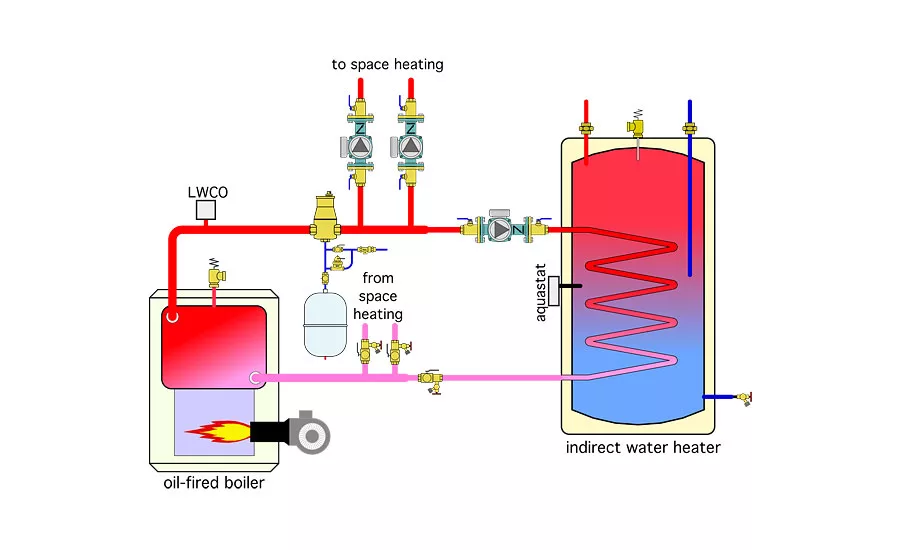
A boiler heat system has many parts working together. Each part helps heat water and move warmth through the building.
- Boiler:Heats water or makes steam
- Burner:Burns fuel to create heat
- Pipes:Carry hot water or steam to rooms
- Radiators:Spread heat into rooms
- Thermostat:Controls temperature automatically
- Expansion tank:Handles water volume changes

Credit: www.achrnews.com
Benefits Of Boiler Heating
A boiler heat system uses hot water or steam to warm your home. It works by heating water in a boiler and sending it through pipes to radiators or underfloor heaters.
Many people choose boilers because they provide reliable and comfortable heat. Let’s look at some key benefits of boiler heating.
Energy Efficiency
Boilers use energy very well by heating water quickly and keeping heat inside pipes. This reduces wasted energy and lowers heating bills.
Modern boilers often have high efficiency ratings. They use less fuel to produce the same amount of heat as older systems.
- Less energy wasted as heat loss
- Faster heating with less fuel
- Modern designs save money on fuel
Consistent Heat Distribution
Boiler systems spread heat evenly through your home. Pipes carry hot water or steam to each radiator or floor heater.
This means every room gets warm without cold spots. The heat feels steady and comfortable all day long.
- Even heat in every room
- No sudden temperature changes
- Comfortable warmth for long periods
Safety Features
Boiler heat systems have strong safety controls. They include pressure relief valves and automatic shut-offs to prevent accidents.
Regular maintenance keeps the system working safely. Boilers do not burn air inside the home, reducing fire risks.
- Pressure relief valves prevent damage
- Automatic shut-off stops overheating
- No open flames inside living spaces
Choosing The Right Boiler
Picking the right boiler heat system is important for your home’s comfort. The right boiler saves energy and keeps your home warm.
Think about your home’s size, fuel type, and system needs before choosing a boiler. This helps you find the best match.
Sizing And Capacity
Boilers come in different sizes and power levels. A boiler that is too small won’t heat your home well.
On the other hand, a boiler that is too big wastes energy and costs more. Choose a boiler with the right capacity for your space.
- Calculate the home’s square footage
- Consider the number of rooms
- Check insulation quality
- Consult a professional for precise sizing
Fuel Options
Boilers can use different fuels like natural gas, oil, or electricity. The fuel type affects cost and availability.
Choose a fuel that is easy to get and fits your budget. Some fuels are cleaner and better for the environment.
- Natural gas: common and cost-effective
- Oil: used where gas is unavailable
- Electric: clean but can be costly
- Propane: good for rural areas
Compatibility With Home Systems
Your boiler must work well with your home’s heating system. Some boilers fit better with radiators or underfloor heating.
Check if your existing pipes and controls match the new boiler. This avoids extra costs and installation problems.
- Radiator systems need boilers with high water temperature
- Underfloor heating uses lower temperature boilers
- Combi boilers provide hot water and heat
- System boilers work with a separate hot water tank
Credit: instrumentationtools.com
Installation Process
Installing a boiler heat system requires careful planning and skill. This process ensures your home stays warm and energy-efficient.
Each step must be done correctly to avoid problems and ensure safety. Understanding the installation process helps you prepare well.
Site Preparation
Preparing the site is the first important step. The area must be clean and clear of any obstacles.
Check that there is enough space for the boiler and its parts. Proper ventilation is also needed for safety.
- Clear space around the installation area
- Ensure good airflow and ventilation
- Check for proper drainage nearby
- Confirm electrical connections are accessible
Professional Installation Steps
A professional technician installs the boiler system step by step. They connect the pipes, wiring, and the boiler unit safely.
They test the system to confirm it works well and fix any leaks or errors before finishing.
- Mount the boiler on a stable surface
- Connect water supply and heating pipes
- Install the gas or fuel line safely
- Hook up electrical wiring and controls
- Test the system for leaks and performance
Common Installation Challenges
Some problems may arise during installation. These can delay the process or affect the system’s operation.
Knowing common challenges helps you avoid mistakes and prepare better for installation day.
- Limited space for boiler and pipes
- Old or incompatible plumbing systems
- Difficulty accessing electrical connections
- Improper ventilation causing safety risks
- Unexpected leaks or pressure issues
Maintenance Tips
Keeping a boiler heat system in good shape saves energy and prevents problems. Regular care helps the system run safely and smoothly. Here are some simple tips to maintain your boiler heat system.
Follow these steps to avoid costly repairs and extend the life of your boiler heat system.
Regular Inspection
Check your boiler heat system often. Look for leaks, unusual noises, or rust. Make sure all parts are working well. Early spotting of issues can stop bigger problems later.
- Inspect the pressure gauge and temperature settings.
- Look for water leaks around pipes and valves.
- Check the pilot light to see if it burns blue.
- Listen for strange sounds from the boiler.
- Ensure vents and flues are clear and safe.
Cleaning And Servicing
Clean your boiler heat system at least once a year. Dirt and dust can block parts and lower efficiency. A yearly service by a qualified technician helps keep it safe and working well.
| Task | What to Do | Frequency |
| Remove dust | Clean the boiler exterior and vents | Every 6 months |
| Flush system | Clear sludge and debris from pipes | Annually |
| Check safety devices | Test pressure relief valves and thermostats | Annually |
| Replace worn parts | Change filters, seals, and gaskets as needed | Annually or as needed |
Troubleshooting Common Issues
Some boiler problems are easy to fix yourself. Checking simple things saves time and avoids calling a technician for small troubles.
- If the boiler won’t start, check if the power is on and the thermostat is set correctly.
- For low heat, bleed radiators to remove trapped air.
- If there is a strange noise, check for loose parts or low water pressure.
- Leaks need immediate attention; tighten connections or call a professional.
- Reset the boiler if it shuts down unexpectedly, following the user manual.
Improving Boiler Efficiency
A boiler heat system warms your home or building by heating water or steam. Making the system efficient saves energy and cuts costs.
Simple changes can improve how well your boiler works. Focus on parts upgrades, insulation, and smart controls.
Upgrading Components
Replacing old parts with modern, efficient ones helps the boiler use less fuel. New burners, pumps, and heat exchangers can boost performance.
- Install a high-efficiency burner for better fuel use.
- Use a variable speed pump to reduce electricity use.
- Choose a heat exchanger with good heat transfer rates.
- Replace worn valves to prevent leaks and waste.
System Insulation
Insulating pipes and the boiler itself keeps heat from escaping. Less heat loss means the system runs less and saves energy.
| Insulation Type | Where to Apply | Benefit |
|---|---|---|
| Foam pipe wrap | Hot water pipes | Reduces heat loss by up to 70% |
| Fiberglass blanket | Boiler shell | Keeps surface temperature steady |
| Reflective foil | Boiler room walls | Reflects heat back to pipes |
Smart Controls And Thermostats
Smart controls adjust heat based on demand. They avoid wasting energy by running the boiler only when needed.
- Programmable thermostats set heating schedules.
- Outdoor sensors adjust boiler output by weather.
- Remote control lets users change settings from anywhere.
- Zone control heats only occupied rooms.
Cost Considerations
Choosing a boiler heat system means thinking about costs. These costs include the price to buy, run, and save money in the long run.
Understanding these cost parts helps you make a smart choice for your home or business.
Initial Investment
The initial investment is the amount you pay to buy and install the boiler system. This cost can vary by the type and size of the system.
Installation costs include labor, parts, and any needed upgrades to your current heating setup.
- Boiler unit price depends on capacity and brand
- Installation may require plumbing and electrical work
- Permits or inspections can add extra fees
Operating Costs
Operating costs are the expenses to run the boiler system every day. Fuel type and efficiency affect how much you pay monthly.
Regular maintenance and repairs also add to operating costs but keep the system working well.
- Fuel can be gas, oil, or electricity with different prices
- Efficiency rating lowers fuel use and saves money
- Annual service keeps the boiler safe and efficient
Long-term Savings
Long-term savings come from using less energy and fewer repairs over years. A good boiler system pays back the initial cost over time.
Choosing energy-efficient models and regular upkeep helps you save money in the future.
- Efficient boilers reduce fuel bills each year
- Durable systems need fewer repairs and replacements
- Proper maintenance extends the system’s life
Environmental Impact
Boiler heat systems play a big role in how we use energy. They affect the air we breathe and the world around us. Understanding their environmental impact helps us make better choices.
This section covers emissions, rules, green options, and ways to cut carbon footprints from boilers.
Emissions And Regulations
Boilers release gases like carbon dioxide and nitrogen oxides. These gases can harm the air and add to climate change. Governments set rules to limit these emissions.
- Carbon dioxide (CO2) increases global warming.
- Nitrogen oxides (NOx) cause smog and acid rain.
- Regulations require cleaner fuel and better technology.
- Regular inspections ensure boilers meet standards.
Eco-friendly Boiler Options
New boiler models use less fuel and produce fewer emissions. Some run on renewable energy sources like biomass or solar power. These options help protect the environment.
| Boiler Type | Fuel Source | Environmental Benefit |
| Condensing Boiler | Natural Gas | Higher efficiency, less waste |
| Biomass Boiler | Wood Pellets | Uses renewable fuel |
| Solar Thermal Boiler | Solar Energy | No emissions during use |
| Electric Boiler | Electricity | Zero local emissions |
Reducing Carbon Footprint
Lowering carbon footprint means cutting greenhouse gases from boiler use. Simple actions can make a big difference.
- Switch to energy-efficient boiler models.
- Use cleaner fuels like natural gas or biomass.
- Maintain boilers to keep them running well.
- Install smart controls to optimize heating.
- Insulate buildings to reduce heat loss.
Frequently Asked Questions
What Is A Boiler Heat System Used For?
A boiler heat system provides central heating and hot water in homes and buildings. It uses water or steam heated by fuel combustion. This system efficiently distributes heat through radiators or underfloor heating, ensuring consistent warmth throughout the space.
How Does A Boiler Heat System Work?
A boiler heats water using gas, oil, or electricity. The hot water or steam then circulates through pipes to radiators or heating panels. This process transfers heat to rooms, maintaining a comfortable indoor temperature efficiently and reliably.
What Are The Benefits Of A Boiler Heat System?
Boiler heat systems offer even heat distribution and energy efficiency. They provide reliable warmth and reduce energy bills. These systems are durable, easy to control, and compatible with various fuel types, making them a popular heating choice.
How To Maintain A Boiler Heat System?
Regular maintenance includes annual servicing by professionals. Check for leaks, pressure levels, and proper venting. Bleed radiators to remove air. Proper upkeep ensures safety, efficiency, and prolongs the system’s lifespan.
Conclusion
A boiler heat system offers efficient and reliable home heating. It’s a great choice for consistent warmth. Easy to install and maintain, it suits many homes. Boilers use water or steam to distribute heat evenly. They ensure comfort during cold months.
Energy efficiency is another benefit, reducing utility bills. This system fits well with various energy sources. Understanding how it works can help in making informed decisions. Whether upgrading or installing new, a boiler system is worth considering. It keeps your home cozy and warm all winter long.