Are you tired of feeling drafts and seeing your energy bills rise every time you use your window air conditioner? You’re not alone.
Poor insulation around your unit can let hot air in and cool air out, making your AC work harder than it should. But don’t worry—insulating around your window air conditioner is easier than you think. You’ll discover simple, practical steps to keep your home cooler and your energy costs down.
Ready to make your air conditioner more efficient and comfortable? Let’s get started!

Credit: www.ebay.com
Choosing The Right Air Conditioner
Window air conditioners come in several types. The most common is the standard window unit, which fits into a window frame. Through-the-wall unitsfit into a hole in an exterior wall. Portable air conditionerssit inside and vent air outside with a hose. Each type has its own installation needsand energy use.
Choosing the right size is key for energy efficiency. A unit too small will struggle to cool the room. A unit too large wastes energy and may not remove humidity well. Use the room’s square footage to find the right size. Cooling capacity is measured in BTUs (British Thermal Units). For example, a 250-300 sq. ft. room usually needs a 6,000-8,000 BTU unit.
Common Air Leaks Around Units
Common air leaksaround window air conditioners are often found at the edges. Small gaps and crackslet air escape or enter. These leaks make the unit work harder.
Look for spaces between the unit and the window frame. Cracks may be hidden behind the AC or under the unit. Use weatherstripping or foam sealant to fill these gaps.
| Leak Location | How to Identify | Effect on Energy Bills |
|---|---|---|
| Window frame edges | Feel for cold air or light passing through | Increases cooling costs |
| Unit sash | Check for loose fitting or gaps | Reduces AC efficiency |
| Bottom of unit | Look for holes or cracks | Causes heat gain inside |
Materials For Insulating
Foam sealantsare excellent for filling gaps around the window air conditioner. They expand to block air leaks and keep the room cooler. Use weatherstrippingon movable parts to prevent drafts and reduce noise. It is easy to install and comes in various materials like rubber and foam.
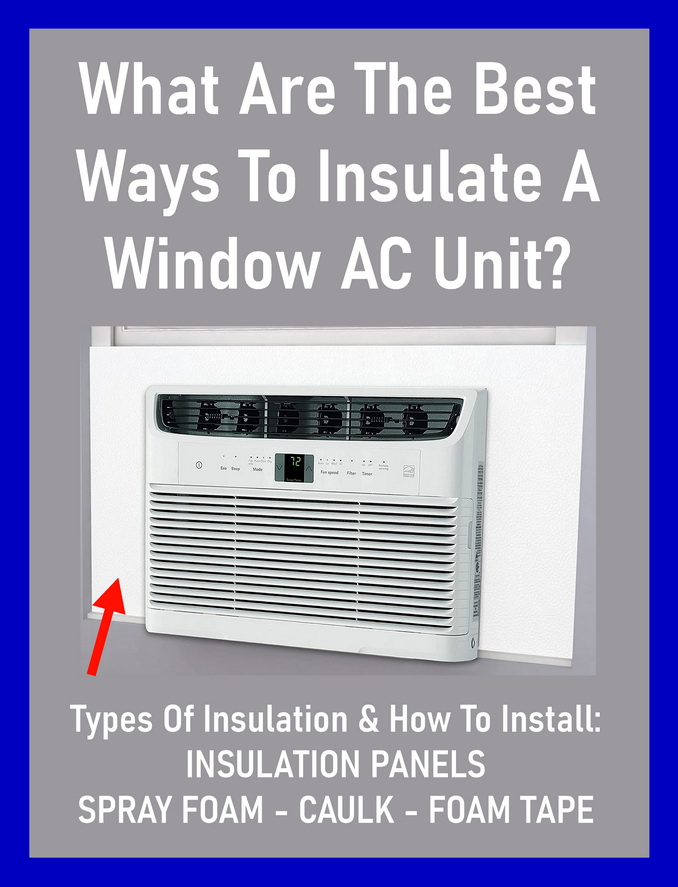
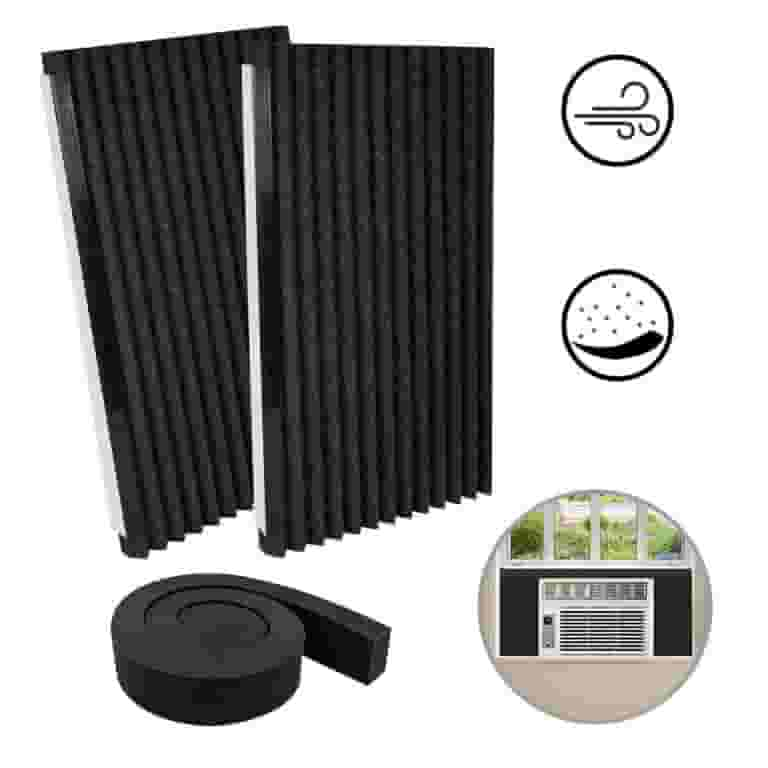
Insulating panelsfit around the air conditioner to block heat from outside. These panels are usually made from foam or reflective materials. Covers protect the unit during winter and stop cold air from entering. Both panels and covers are simple to use and help save energy.
Step-by-step Insulation Process
Clear the window sill and frame from dirt and dust. Measure the window opening precisely. Remove old weatherstripping or leftover materials. Make sure the window is clean and dry before starting.
Use weatherstripping tape or foam sealant to close small gaps around the air conditioner. Check for cracks or spaces where air can enter or escape. Press the sealant firmly for a tight fit. Don’t forget to seal the sides and bottom edges well.
Cut insulating panels to fit the window space around the unit. Use materials like foam board or rigid foam insulation. Place panels snugly against the window frame to block outside air. Secure panels with tape or brackets to keep them in place. This helps keep your room cooler and saves energy.
Maintaining And Inspecting Insulation
Check insulation around the window air conditioner often. Look for cracks, gaps, or wet spots. These signs mean air or water can get inside. Fix small cracks with weatherstripping or foam sealant.
Wear and tear can make insulation less effective. Sunlight, rain, and wind can cause damage over time. Keep an eye on the foam panelsand tape seals. Replace them if they look old or brittle.
Replace insulation when it no longer stops air flow or water leaks. Soft, soggy, or moldy material must go. New insulation helps keep your home coolerand saves energy.
Credit: www.walmart.com
Energy Savings And Benefits
Lower cooling costshappen when air leaks around the window unit stop. Sealing gaps keeps cool air inside and warm air outside. This means the air conditioner works less. It uses less electricity. Your energy bills go down.
Improved indoor comfortcomes from better insulation. No drafts or hot spots near the air conditioner. The room stays cooler and more even. You feel better inside your home. It helps everyone stay comfortable during hot days.
Additional Tips For Efficiency
Using curtains and blindshelps keep cool air inside. Close them during the hottest parts of the day. This stops sunlight from heating your room. Light-colored curtains reflect sunlight better. Thick curtains block heat and help your air conditioner work less. At night, open them to let cool air in.
Proper unit maintenancekeeps your air conditioner efficient. Clean or replace the filter every month. Dust and dirt block airflow and lower cooling power. Check the unit’s seal to stop air leaks. Remove debris from the outside unit to improve airflow. Regular cleaning helps your air conditioner last longer and save energy.

Credit: www.amazon.com
Frequently Asked Questions
How Do I Seal Gaps Around A Window Ac Unit?
Use weatherstripping or foam sealant to fill gaps around the AC. This prevents air leaks and improves energy efficiency. Ensure the seal is tight but allows for easy removal of the unit.
What Materials Are Best For Insulating Window Ac Units?
Rigid foam board, weatherstripping, and foam sealant work best. These materials block air leaks and provide good insulation. Avoid materials that retain moisture or are difficult to remove.
Can Insulating Around Ac Reduce Energy Bills?
Yes, proper insulation reduces air leaks, helping the AC work efficiently. This lowers energy consumption and cuts cooling costs. Insulation also keeps hot air out and cool air in.
How To Prevent Moisture Buildup Around Window Ac?
Seal all gaps tightly and use moisture-resistant insulation. Install a drip edge or flashing to direct water away. Regularly check and clean the unit to avoid mold and mildew.
Conclusion
Insulating around your window air conditioner saves energy and money. Proper insulation prevents air leaks, enhancing cooling efficiency. Seal gaps with weatherstripping or foam tape. Consider using insulated curtains to reduce heat transfer. Regularly check seals to maintain effectiveness. This ensures your room stays cool during hot months.
A well-insulated unit also extends its lifespan. Simple steps make a big difference. Enjoy a more comfortable home environment. Keep your energy bills in check with these tips. Insulating properly is essential for optimal cooling. Take action today for better comfort and savings.