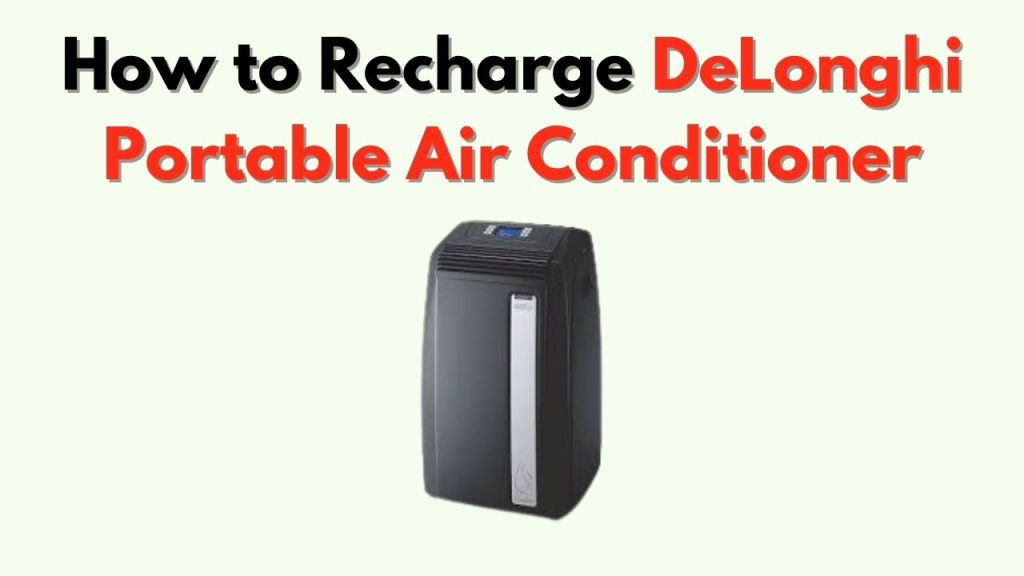
Is your portable air conditioner not cooling as well as it used to? You might need to recharge it to get that refreshing chill back.
Recharging your portable AC can seem tricky, but with the right steps, you can do it yourself and save time and money. In this guide, you’ll discover simple, clear instructions to bring your air conditioner back to life. Keep reading, and you’ll learn how to keep your space cool and comfortable all summer long.

Credit: www.youtube.com
Types Of Portable Air Conditioners
Portable air conditioners help cool rooms without permanent installation. They come in different types based on their design and cooling method.
Choosing the right type depends on your room size, ventilation options, and energy use. Here are the main types you will find.
Single Hose Models
Single hose portable ACs use one hose to push hot air outside. They pull air from the room, cool it, and send warm air out through the hose.
This type is usually cheaper and easy to move. It works best in small rooms with good window access for the hose.
Dual Hose Models
Dual hose units have two hoses: one pulls air from outside, and the other pushes hot air out. This helps cool the room more efficiently.
- Better airflow and faster cooling
- Less pressure on the room air
- More energy efficient than single hose models
They work well in larger rooms or places where quick cooling is needed.
Evaporative Coolers
Evaporative coolers use water to cool the air. They pull warm air through wet pads and release cooler air into the room.
| Feature | Evaporative Cooler |
| Cooling Method | Water evaporation |
| Best Use | Dry climates |
| Energy Use | Low |
| Limitations | Less effective in humid areas |
They are energy efficient and add moisture to the air but need regular water refills.
When To Recharge Your Ac
Portable air conditioners need the right amount of refrigerant to cool well. If the refrigerant is low, the AC will not work properly. Knowing when to recharge your AC can save you money and keep your room cool.
This guide explains the signs of low refrigerant and how it affects your AC’s cooling performance.
Signs Of Low Refrigerant
Low refrigerant causes your portable AC to lose its cooling power. Watch for these signs to know when to recharge:
- Weak or warm air blowing from the unit
- Longer cooling cycles without reaching the set temperature
- Ice forming on the coils or pipes
- Higher electricity bills than usual
- Hissing or bubbling noises near the AC unit
Impact On Cooling Efficiency
Low refrigerant lowers the cooling efficiency of your portable air conditioner. This table shows how different refrigerant levels affect cooling output:
| Refrigerant Level | Cooling Efficiency |
| Full | 100% |
| 75% | 80% |
| 50% | 60% |
| 25% | 30% |
| 10% or less | Very low, poor cooling |
Tools And Materials Needed
Recharging a portable air conditioner needs the right tools and materials. This helps the process go smoothly and safely.
Before you start, gather everything you need. This saves time and avoids mistakes during recharging.
Recharge Kit Components
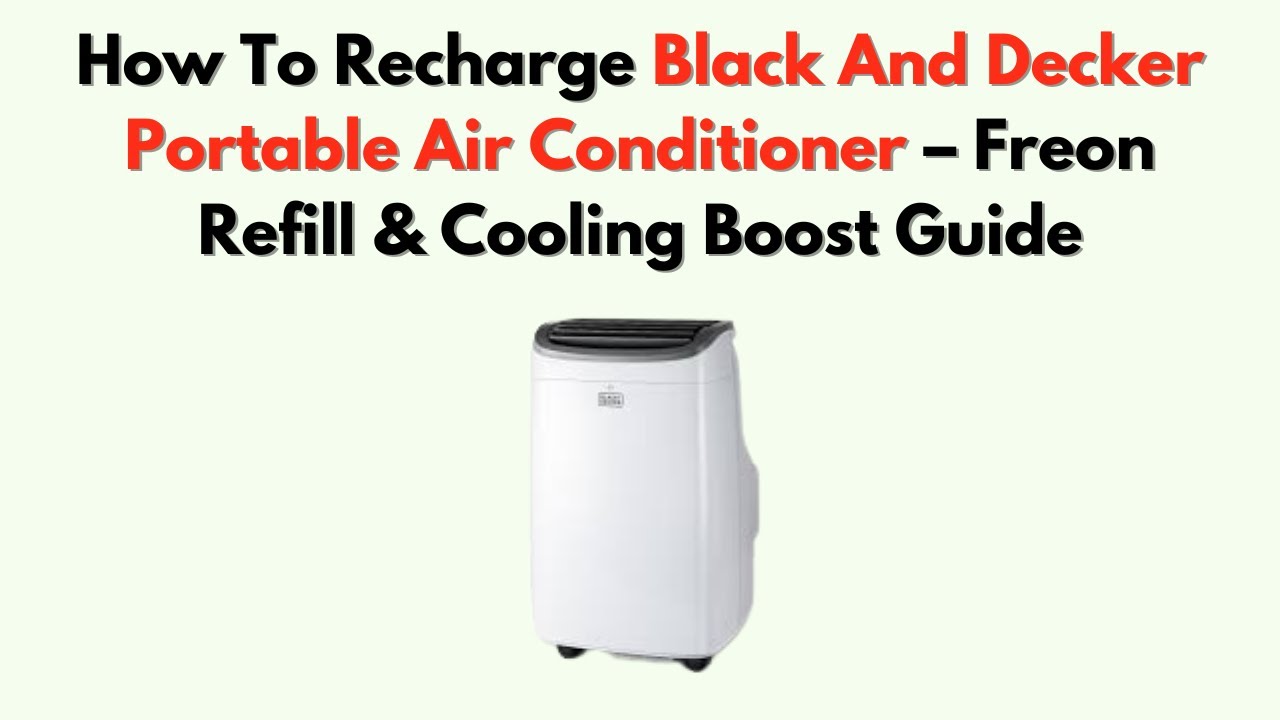
A recharge kit has parts that help refill the coolant in your portable air conditioner. Each part has a special role to play.
- Refrigerant Canister – holds the coolant gas
- Hose with Gauge – connects the canister to the air conditioner and shows pressure levels
- Valve Adapter – fits the hose to the air conditioner’s service port
- Leak Detector – helps find any gas leaks before refilling
- Instructions Manual – guides you through the recharging process
Safety Gear
Using safety gear protects you from harm during the recharge. Always wear the right items to stay safe.
| Safety Gear | Purpose |
| Safety Goggles | Protect eyes from refrigerant splashes |
| Gloves | Prevent skin contact with chemicals |
| Mask | Stop inhaling harmful fumes |
| Long Sleeve Shirt | Shield skin from accidental spills |
Credit: www.youtube.com
Preparing The Unit For Recharge
Before recharging your portable air conditioner, you need to prepare it properly. This ensures safety and a correct recharge process.
Two important steps to focus on are turning off and unplugging the unit, and locating the service port for recharging.
Turning Off And Unplugging
Make sure the air conditioner is completely turned off before you start. Then unplug it from the power source to avoid any accidents.
- Switch off the power button on the unit.
- Unplug the air conditioner from the wall outlet.
- Wait a few minutes to let internal parts cool down.
- Do not touch any electrical parts while unplugged.
Locating The Service Port
The service port is where you connect the recharge kit. It is usually covered with a plastic cap or a metal valve.
| Location | How to Identify | Notes |
|---|---|---|
| Back side of the unit | Look for a small valve near the compressor | May be marked with “Service Port” or a symbol |
| Near the refrigerant lines | Check for a capped nozzle | Use a flashlight if needed |
| Under a removable panel | Some models hide it inside a panel | Refer to the user manual for exact location |
Step-by-step Recharge Process
Recharging a portable air conditioner keeps it running efficiently. This guide shows the basic steps for recharging safely.
Follow these instructions carefully to avoid damage and maintain performance.
Connecting The Recharge Kit
First, connect the recharge kit to your portable air conditioner. Make sure the unit is off and unplugged before starting.
- Locate the service port on the air conditioner.
- Attach the hose from the recharge kit to the service port securely.
- Check all connections for tightness to avoid leaks.
- Keep the recharge kit upright to prevent refrigerant spills.
Adding Refrigerant Safely
Adding refrigerant requires care. Use the correct type and amount specified by the manufacturer.
- Wear protective gloves and eye protection.
- Open the refrigerant can slowly to avoid sudden pressure changes.
- Press the valve on the recharge kit to start adding refrigerant.
- Add refrigerant in short bursts and pause to check pressure.
- Stop adding when the recommended pressure is reached.
Monitoring Pressure Levels
Monitoring pressure is key to a successful recharge. Use the gauge on your recharge kit to check levels.
| Pressure Range (PSI) | Condition |
| 0-30 | Low – Add Refrigerant |
| 31-50 | Normal Operating Range |
| Above 50 | High – Stop Adding Refrigerant |
Post-recharge Checks
After recharging your portable air conditioner, it is important to perform checks. These checks ensure the unit works correctly and safely.
Post-recharge checks help avoid problems like leaks or poor cooling. Follow simple steps to confirm the device runs well.
Testing Cooling Performance
Turn on the air conditioner and set it to the lowest temperature. Let it run for 10 to 15 minutes to stabilize the cooling.
Check if the air feels cold and consistent. If the air is warm or weak, the recharge might not be enough or there could be other issues.
- Set the temperature to the coldest setting
- Run the unit for 10-15 minutes
- Feel the airflow for coolness
- Listen for unusual noises
- Check if the unit cycles properly
Checking For Leaks
Inspect the air conditioner and hoses for signs of refrigerant leaks. Leaks reduce cooling and can damage the unit.
Look for oily spots or moisture near connections and fittings. Use a leak detector spray or soapy water to find bubbles.
- Check all hose connections
- Look for oily or wet spots
- Apply soapy water to fittings
- Watch for bubbles that show leaks
- Fix leaks before using the unit again
Maintenance Tips To Avoid Frequent Recharging
Portable air conditioners need regular care to work well. Proper maintenance helps reduce the need for frequent recharging.
Follow simple steps to keep your unit running efficiently and save time on recharging.
Regular Cleaning
Clean your portable air conditioner often. Dust and dirt can block airflow and reduce cooling power.
Remove and wash filters every two weeks. Clean the vents and outer surface with a soft cloth.
- Turn off and unplug before cleaning
- Use mild soap and water for filters
- Dry parts completely before reassembling
Proper Storage
Store your air conditioner correctly during off seasons. Keep it in a dry, cool place to avoid damage.
Cover the unit with a cloth or plastic cover to stop dust buildup. Drain all water from the tank before storage.
- Choose a dry and shaded storage spot
- Keep the unit upright to prevent leaks
- Check the unit before storing and after retrieval
Timely Repairs
Fix small problems quickly to avoid bigger issues. Leaks and strange noises can signal the need for repair.
Check hoses and connections often. Replace worn parts to keep the machine working well.
- Inspect hoses for cracks or leaks
- Listen for unusual sounds during operation
- Call a technician if you find serious problems
When To Call A Professional
Knowing when to call a professional for your portable air conditioner saves time and avoids damage. Some repairs need special tools and skills.
Understanding which problems require expert help can keep your unit running safely and efficiently.
Complex Repairs
Complex repairs often involve internal parts that are hard to access or fix. If your air conditioner leaks water, makes strange noises, or stops cooling, a professional can diagnose the issue.
- Broken compressor or fan motor
- Electrical wiring problems
- Damaged control board
- Severe leaks inside the unit
Trying these repairs without training can cause more damage or injury. Professionals have the right tools to fix these safely.
Handling Refrigerants
Refrigerants are chemicals inside the air conditioner that help cool the air. Handling them requires care and certification. If your unit loses refrigerant or needs a refill, call a licensed technician.
| Task | Why Call a Professional |
| Refrigerant Leak Repair | Requires special tools and safety knowledge |
| Refrigerant Recharge | Needs certified handling and precise measurement |
| Disposal of Old Refrigerants | Must follow environmental regulations |

Credit: www.youtube.com
Frequently Asked Questions
How Often Should I Recharge My Portable Air Conditioner?
Recharge your portable air conditioner when cooling efficiency drops. Usually, this happens every 1-2 years or as recommended by the manufacturer. Regular maintenance checks help identify when recharging is necessary to keep your unit running smoothly and efficiently.
Can I Recharge A Portable Air Conditioner Myself?
Yes, you can recharge it yourself if you have the right tools and follow safety guidelines. Use the correct refrigerant type and avoid overcharging. However, if unsure, seek professional help to prevent damage or safety hazards.
What Type Of Refrigerant Is Used For Recharging?
Most portable air conditioners use R-410A or R-134a refrigerants. Check your unit’s manual to confirm the correct type. Using the wrong refrigerant can harm your system and reduce cooling performance.
How Do I Know If My Portable Air Conditioner Needs A Recharge?
Signs include reduced cooling, longer run times, or unusual noises. Also, check for frost buildup or leaks around the unit. These indicate low refrigerant levels and a need for recharging.
Conclusion
Recharging your portable air conditioner is simple and effective. Start by gathering the necessary tools and materials. Ensure you follow the manufacturer’s instructions carefully. Check for any leaks or damages before proceeding. Use the correct refrigerant type for your model.
Regular maintenance can enhance its efficiency and lifespan. Always prioritize safety during the recharge process. By keeping these steps in mind, you ensure a cooler and more comfortable environment at home. With regular care, your portable air conditioner will perform optimally, providing you with refreshing air when you need it most.
Stay cool and enjoy the comfort!