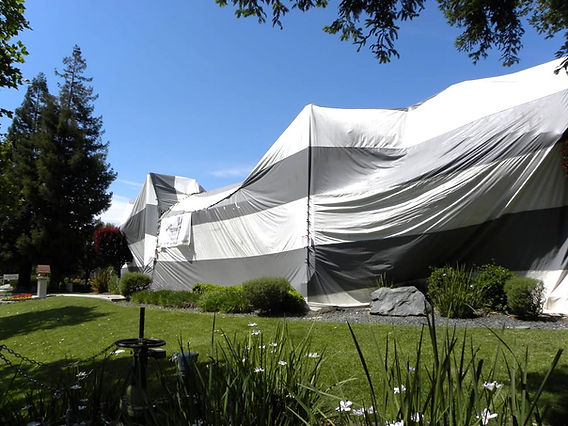
Have you ever wondered how professionals completely get rid of termites from a home? If you’re dealing with these tiny invaders, you might have heard the term “termite tenting” and wondered what it really means.
Termite tenting is a powerful method that can save your house from serious damage. But how does it work, and is it the right choice for your situation? Keep reading to discover everything you need to know about termite tenting and why it might be the solution you’re looking for.

Credit: www.agpest.com
Termite Tenting Basics
Termite tenting is a special way to get rid of termites in a building. It uses a gas that kills termites inside walls and floors.
This method protects your home from termite damage. It works by covering the whole building with a big tent.
What Is Termite Tenting
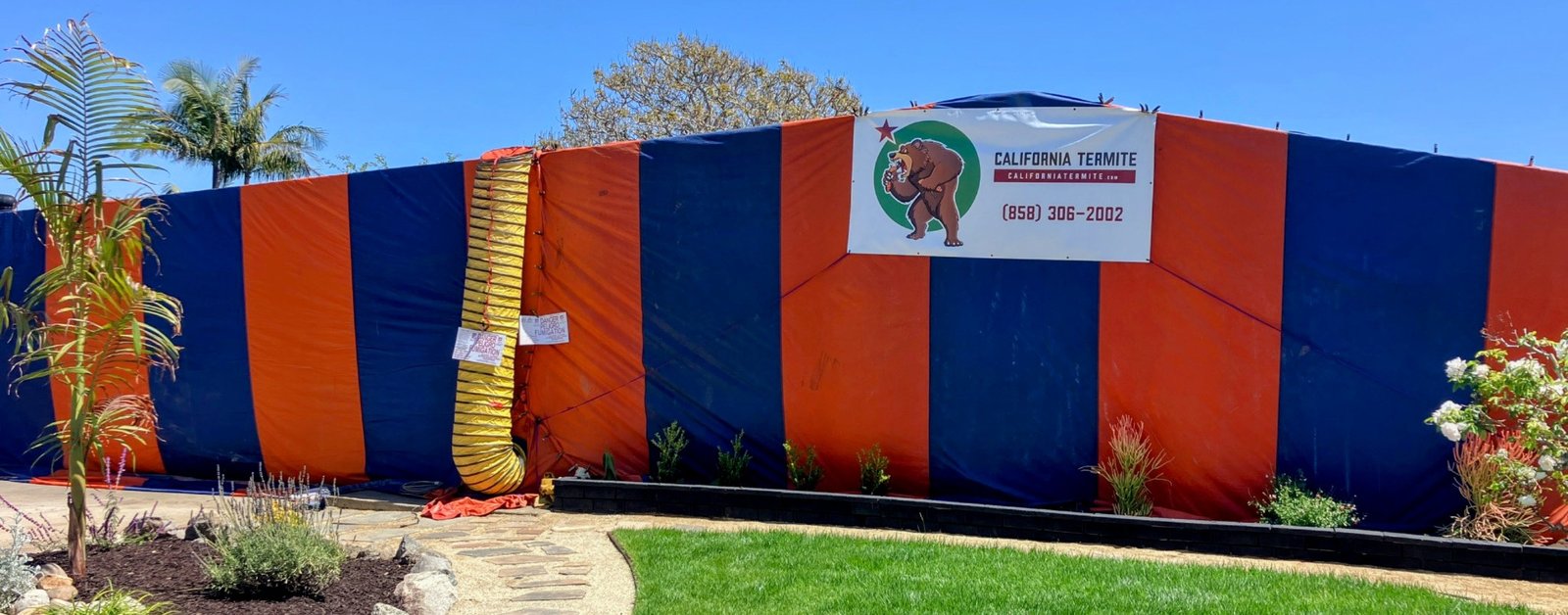
Termite tenting means wrapping a house with a large tent. This traps a gas inside the building.
The gas spreads through the wood and kills termites hiding inside. It reaches places where sprays cannot reach.
Why Choose Tenting For Termite Control
Tenting works well for serious termite problems. It kills all termites in a home at once.
This method is quick and covers the entire house. It prevents termites from coming back soon.
- Kills termites in hidden areas
- Fast and effective treatment
- Protects whole building at once
- Reduces future termite risk

Credit: www.ecopestbermuda.com
How Termite Tenting Works
Termite tenting is a method to get rid of termites inside a building. Experts cover the entire structure with a large tent. Then, they release a gas that kills termites hidden in walls and floors.
This process is effective because the gas reaches places that sprays or baits cannot. The house needs to be empty during the treatment for safety reasons.
The Fumigation Process
First, the pest control team seals windows and doors with a strong tarp. This creates a tent around the building. Next, they release the fumigant gas inside the tent. The gas fills the entire space and kills termites in all areas.
After the gas has worked for the set time, the team removes the tent and lets fresh air enter. This clears the gas safely from the home.
Types Of Fumigants Used
- Vikane (sulfuryl fluoride): Kills termites by affecting their nervous system.
- Phosphine gas: Common in some regions, it disrupts insect breathing.
- Other approved fumigants: Used based on local regulations and termite species.
The choice of fumigant depends on safety, effectiveness, and environmental rules. Professionals select the best gas for each job.
Duration And Safety Measures
| Stage | Time Needed | Safety Action |
| Tenting and Gas Release | 4 to 5 hours | Keep house empty and sealed |
| Gas Exposure | 18 to 72 hours | Monitor gas levels, no entry |
| Ventilation | 6 to 12 hours | Clear gas before re-entry |
People and pets must leave the building during the process. After fumigation, experts test the air to ensure it is safe before anyone returns.
Preparing For Termite Tenting
Termite tenting is a common way to treat homes for termites. It uses a gas that kills the pests. Proper preparation helps make the process safe and effective.
Homeowners must know what to do before the tent goes up. This guide explains the key actions to take for a smooth termite tenting.
Steps Homeowners Must Take
Before tenting, clear your home and plan to stay away for a few days. Follow these steps to get ready:
- Notify your family and pets to leave the house.
- Remove all food and medicines from the home.
- Turn off pilot lights and air conditioners.
- Seal or remove aquariums and plants.
- Arrange for someone to check your home during treatment.
Items To Remove Or Protect
Certain items must be moved or covered to avoid damage from the gas. These include:
- Food and beverages in open containers
- Pet food and supplies
- Medicines and vitamins
- Houseplants and aquariums
- Fireplaces and wood stoves
- Electronics and battery-powered devices
| Item | Action Required |
| Food | Remove or seal tightly |
| Pets | Relocate during tenting |
| Plants | Move outside or protect |
| Electronics | Cover or unplug |
| Fireplaces | Close damper |
Coordination With Pest Control Professionals
Work closely with the pest control team. They guide you through the process and ensure safety. Confirm your schedule and ask questions early.
Before tenting, the pest control team will:
- Inspect your home for termite activity
- Explain the tenting procedure and safety rules
- Provide a checklist for preparation
- Arrange re-entry times after fumigation
Effectiveness Of Termite Tenting
Termite tenting is a common method to control termite infestations. It involves covering a structure with a tent and filling it with a gas that kills termites.
This method is often chosen for severe infestations and for reaching hidden termites inside walls and floors.
Success Rates
Termite tenting has a high success rate in killing termites throughout a home. The gas penetrates into cracks and wood, reaching termites that are hard to find.
- Kills termites in all life stages, including eggs
- Works quickly, often within 24 to 72 hours
- Effective for large or hidden infestations
- Requires the home to be vacated during treatment
Limitations And Challenges
Despite its effectiveness, termite tenting has some limitations and challenges to consider.
| Limitation | Description |
| Cost | Can be expensive compared to other treatments |
| Preparation | Homeowners must remove pets, plants, and food |
| Safety | Toxic gases require professional handling |
| Reinfestation | Does not prevent future termite entry |
Comparing Alternatives
Other termite treatments offer different benefits and drawbacks compared to tenting.
- Liquid termiticides create a barrier to block termites.
- Bait systems attract termites and poison the colony slowly.
- Foam treatments target specific areas with less disruption.
- Each method varies in cost, time, and effectiveness.
Costs And Considerations
Termite tenting is a common way to treat homes for termite infestations. It uses a large tent to cover the house and apply chemicals safely. Knowing the costs and what to think about can help you plan better.
Prices vary based on several factors. You should also consider insurance and the best time to schedule the service. These points affect your experience and results.
Typical Pricing Factors
The cost of termite tenting depends on the size of your home and the severity of infestation. Larger homes need more chemicals and labor, which raises the price.
Other factors include the location of your home and local regulations. The cost may be higher in urban areas or places with strict rules.
- Size of the house
- Level of termite infestation
- Local regulations and permits
- Accessibility of the property
- Additional treatments if needed
Insurance And Warranty Options
Some companies offer warranties that cover future termite damage. These warranties can last several years and give peace of mind.
Check if your homeowner’s insurance covers termite damage. Many policies do not, so a warranty might be important.
- Ask about termite damage warranties
- Read the warranty terms carefully
- Verify if insurance covers termite damage
- Keep records of the treatment for claims
When To Schedule Tenting
Schedule termite tenting when you spot signs of termites or after an inspection confirms infestation. Early treatment prevents major damage.
Avoid scheduling during bad weather or very hot days. These conditions can affect the chemicals and the safety of your home.
- After termite inspection confirms infestation
- Before termites cause extensive damage
- Avoid rainy or very hot weather days
- Plan for a few days of home evacuation
Post-tenting Care
After termite tenting, caring for your home is important. This helps keep your family safe and the treatment effective.
Follow the rules and watch your home closely. This stops new termite problems from starting.
Re-entry Guidelines
Do not enter your home until the pest control company says it is safe. The chemicals need time to work and clear out.
Usually, you must wait 4 to 6 hours before returning. Open windows and doors to air out the house after you come back.
- Wait for the official re-entry time
- Keep children and pets out until cleared
- Ventilate your home well after re-entry
Signs Of Successful Treatment
You can tell the treatment worked if you see no termite activity. Check for damaged wood and mud tubes regularly.
No new holes or wood dust means termites are gone. If you see live termites, contact your pest control provider.
- Wood is free of new damage
- No termite mud tubes on walls or wood
- Absence of live termites in and around home
Preventing Future Infestations
Keep your home dry and clean to stop termites. Fix leaks and remove wood that touches the ground near your house.
Have regular termite inspections. Early detection helps protect your home and saves money.
- Fix plumbing leaks and poor drainage
- Remove wood debris and firewood near house
- Use termite-resistant building materials
- Schedule yearly termite inspections
Credit: californiatermiteandpestcontrol.com
Frequently Asked Questions
What Is Termite Tenting In Pest Control?
Termite tenting is a method to fumigate and eliminate termites. Professionals cover a building with a tarp and release gas inside. This process kills termites throughout the structure, including hidden areas, ensuring effective pest eradication.
How Long Does Termite Tenting Take To Complete?
Typically, termite tenting takes 24 to 48 hours. This includes fumigation time and airing out the building. The exact duration depends on the property size and termite severity. Proper ventilation is essential for safety after treatment.
Is Termite Tenting Safe For My Family And Pets?
Termite tenting involves toxic gases, so people and pets must vacate. Professionals ensure the home is safe before re-entry. Following guidelines and waiting times guarantees safety. Always trust licensed exterminators for this treatment.
How Often Should Termite Tenting Be Done?
Termite tenting is usually done once per infestation. Preventative treatments or inspections can reduce repeat fumigation needs. Regular termite inspections help detect problems early. Follow expert advice to maintain termite-free conditions.
Conclusion
Termite tenting is a crucial pest control method. It effectively targets termites in homes. The process involves covering the structure with a large tent. This keeps the fumigant inside, ensuring thorough termite elimination. Safety is vital, so professionals handle the procedure.
Homeowners must vacate during the treatment. Afterward, homes can be termite-free. Regular inspections help prevent future infestations. Understanding termite tenting aids in making informed decisions. Protecting your home from termites saves money long term. Always consult experts for termite issues.
Keep your home safe and secure.