Have you ever wondered which pedal in your car actually stops it? Knowing exactly what the brake pedal is and how it works is crucial for your safety and confidence behind the wheel.
Understanding this simple yet vital part can change the way you drive and help you avoid accidents. Keep reading to discover everything you need to know about the brake pedal and why it’s so important for you and your car.
Brake Pedal Basics
The brake pedal is an important control in any car. It helps the driver slow down or stop the vehicle safely.
This guide explains where the brake pedal is, what it looks like, and how it works.
Location In The Car
The brake pedal sits on the floor of the driver’s side. It is usually to the left of the accelerator pedal and right of the clutch pedal in manual cars.
Drivers press it with their right foot to control the brakes.
Appearance And Size
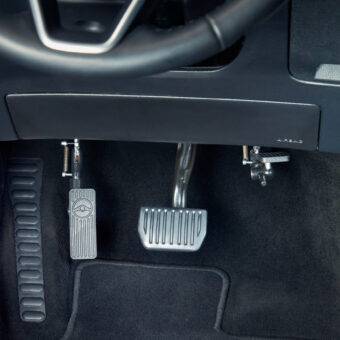
The brake pedal is wider than the accelerator pedal. It is usually rectangular or square in shape.
- Made from metal with a rubber cover for grip
- Usually black or dark gray in color
- Large enough for easy foot contact
- Textured surface to prevent slipping
How It Works
Pressing the brake pedal starts a chain reaction:
- The pedal pushes a rod inside the car.
- This rod activates the brake master cylinder.
- Hydraulic fluid moves through brake lines.
- The fluid presses brake pads against the wheels.
- The car slows down or stops.
Types Of Brake Pedals
Brake pedals help drivers stop their cars safely. There are different types of brake pedals in vehicles.
Each type has a unique role in controlling the car’s brakes. Learning about them helps you understand how cars stop.
Standard Brake Pedal
The standard brake pedal is the main pedal drivers press to slow or stop the car. It is located in the center of the footwell.
Pressing this pedal activates the hydraulic brake system. This system applies pressure to the brake pads, slowing the wheels.
Emergency Brake Pedal
The emergency brake pedal is also called the parking brake. It is usually found to the left of the standard brake pedal or as a hand lever.
This pedal helps keep the car still when parked. It can also stop the car if the main brakes fail.
- Works mechanically, not hydraulically
- Used for parking on slopes
- Can be a pedal or a hand lever
Differences Between Pedals
The standard brake pedal controls the main braking system. The emergency brake pedal works as a backup or parking brake.
The standard brake uses hydraulic pressure. The emergency brake uses cables to apply force to the brakes.
| Feature | Standard Brake Pedal | Emergency Brake Pedal |
|---|---|---|
| Location | Center footwell | Left foot or hand lever |
| Function | Main braking | Parking and backup brake |
| Operation | Hydraulic system | Mechanical cable system |
| Use | Slow or stop while driving | Hold car still when parked |
Using The Brake Pedal Safely
The brake pedal is the most important control for stopping your car. Using it safely helps prevent accidents. It is important to know how to press the brake pedal correctly.
Good braking habits keep you and others safe on the road. Learning when and how to use the brake pedal is key to smooth driving.
Proper Foot Placement
Place your right foot on the brake pedal with the ball of your foot. Keep your heel on the floor. This position gives you the best control and quick response.
Avoid using your toes or the side of your foot. This can cause you to press the brake too hard or too softly. Always rest your foot gently on the pedal when driving.
When To Apply The Brake
Use the brake pedal early to stop safely. Begin braking before you reach a stop sign or red light. This helps other drivers know your intentions.
Slow down when you see hazards like pedestrians, sharp turns, or slippery roads. Apply the brake gently at first, then press harder if needed to stop.
Avoiding Common Mistakes
Do not ride the brake pedal while driving. Keep your foot off the brake unless you need to slow down or stop. Riding the brake wears out brake parts faster.
Avoid sudden or harsh braking unless it is an emergency. Sudden stops can cause accidents or make passengers uncomfortable. Use smooth, steady pressure on the pedal.
- Do not use your left foot on the brake pedal.
- Do not press the brake and gas pedals at the same time.
- Check your brakes often to keep them working well.

Credit: www.reddit.com
Brake Pedal Issues
The brake pedal is a key part of your car’s safety system. It helps you slow down or stop the vehicle.
Sometimes, the brake pedal can have problems. These issues affect your car’s braking ability and safety.
Signs Of Wear And Tear
Wear and tear on the brake pedal can cause it to feel different. It may become soft or hard to press.
Other signs include unusual noises or the pedal sticking when you press it.
- Brake pedal feels spongy or soft
- Pedal sinks to the floor
- Brake pedal is hard to press
- Clicking or squeaking sounds
- Pedal sticks or does not return
Troubleshooting Problems
Check the brake fluid level first if the pedal feels soft. Low fluid can cause poor braking.
Inspect the brake lines and hoses for leaks or damage. Air in the brake lines can also cause problems.
- Check brake fluid level and top up if low
- Look for leaks in brake lines and hoses
- Bleed brakes to remove air from the system
- Test brake pedal for proper pressure
- Ensure pedal moves smoothly without sticking
When To Seek Professional Help
Contact a mechanic if the brake pedal feels very soft or goes to the floor. This is a serious issue.
Also get help if you hear unusual noises or if the pedal sticks and does not return easily.
- Brake pedal sinks to the floor when pressed
- Pedal is hard or sticks when pressed
- Unusual noises from the brake system
- Brake warning light is on
- Your car takes longer to stop
Brake Pedal In Different Vehicles
The brake pedal is a key control in all vehicles. It helps drivers slow down or stop the car safely.
Brake pedals can feel different depending on the type of vehicle you drive. This is because of the car’s design and brake system.
Manual Vs Automatic Cars
Manual cars have three pedals: clutch, brake, and gas. The brake pedal is in the middle. Drivers use it to stop or slow the car.
Automatic cars only have two pedals: brake and gas. The brake pedal is usually larger for easier use. It controls both stopping and holding the car still.
- Manual cars: brake pedal between clutch and gas pedals
- Automatic cars: brake pedal next to gas pedal, often bigger
- Manual needs clutch use, automatic does not
Electric And Hybrid Vehicles
Electric and hybrid cars use brake pedals like regular cars. But they often add special features for better control.
These vehicles use regenerative braking. This means pressing the brake pedal helps recharge the battery while slowing the car.
- Brake pedal works like in normal cars
- Regenerative braking adds energy back to the battery
- Brake feel can be softer or different
Adapting To New Brake Systems
New cars may have advanced brake systems. Drivers must learn how these brakes respond to pedal pressure.
Some cars have electronic brakes or brake-by-wire. These systems change how the pedal feels and reacts.
- Electronic brakes may feel lighter or firmer
- Brake-by-wire uses sensors instead of direct link
- Drivers should practice to get used to new brake feel

Credit: gotodobbs.com

Credit: carfromjapan.com
Frequently Asked Questions
Which Pedal Is Used To Brake In A Car?
The brake pedal in a car is the middle or left pedal, depending on the vehicle. It is used to slow down or stop the car safely. Pressing this pedal activates the braking system and controls the car’s speed effectively.
How Can I Identify The Brake Pedal Easily?
The brake pedal is usually wider than the accelerator and often has a rubber or textured surface. It is located to the left of the accelerator pedal and is clearly distinguishable by its size and position.
Can Pressing The Brake Pedal Cause Car Damage?
Pressing the brake pedal properly will not damage your car. However, sudden or excessive braking can wear out brake pads quickly. Regular maintenance ensures the brake system functions well and avoids damage.
Is The Brake Pedal Always On The Left In All Cars?
In most cars with automatic transmission, the brake pedal is in the center. For manual cars, it is the middle pedal, between the clutch and accelerator. The brake pedal position varies depending on the car’s transmission type.
Conclusion
Understanding which pedal is the brake is crucial for safe driving. The brake pedal is usually the one on the left. It helps you stop the car. The right pedal is the accelerator. It makes the car go faster. Knowing these basics keeps you safe on the road.
Practice helps in getting familiar with the pedals. Stay alert and drive safely. It’s important for your safety and others’. Keep this knowledge in mind every time you drive. Happy and safe driving!