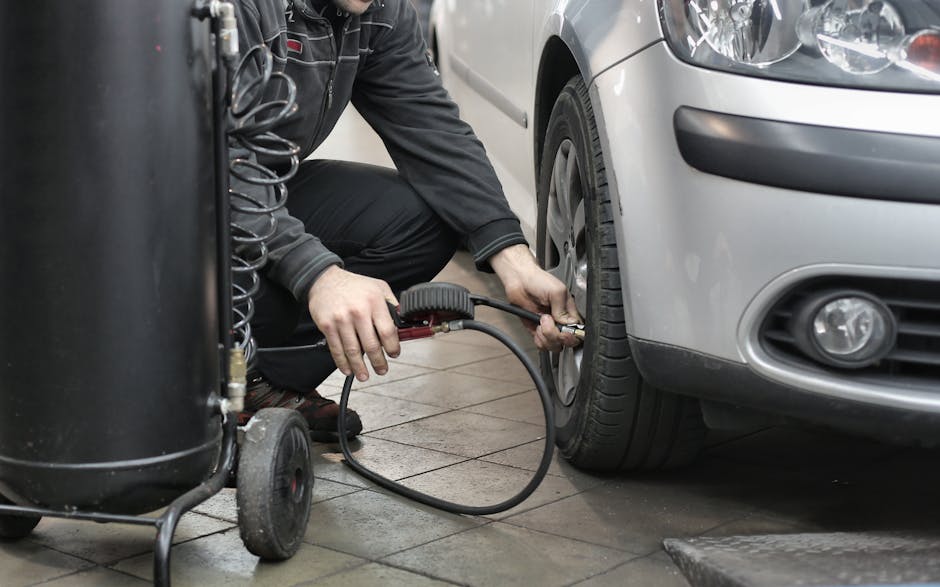
Have you ever noticed your car tire feeling firmer than usual and wondered if a tire’s pressure can actually increase on its own? You might think tire pressure only drops over time or with a puncture, but what if there’s more to the story?
Understanding how and why your tire pressure can rise isn’t just interesting—it can keep you safer on the road and help you avoid unexpected problems. Keep reading to discover the surprising reasons your tire pressure might increase and what you should do about it.

Credit: www.youtube.com
How Tire Pressure Works
Tire pressure is the amount of air inside a tire. It helps the tire hold its shape and support the car’s weight.
Proper tire pressure improves safety and fuel efficiency. It also affects how the car drives on the road.
Basics Of Tire Pressure
Tire pressure is measured in pounds per square inch (PSI). Each tire has a recommended PSI level from the car maker.
Air inside the tire pushes outward against the tire walls. This pressure keeps the tire firm and able to roll smoothly.
- Too low pressure makes tires soft and can cause damage.
- Too high pressure makes tires hard and can reduce grip.
- Check tire pressure regularly with a gauge.
Factors Affecting Tire Pressure
Tire pressure changes with temperature. When air heats up, it expands and raises pressure inside the tire.
Driving can increase tire temperature. This can cause tire pressure to go up during a trip.
- Cold weather lowers tire pressure as air contracts.
- Hot weather raises tire pressure as air expands.
- Heavy loads can increase tire pressure slightly.
- Leaks or damage can cause pressure to drop.
Can Tire Pressure Increase Naturally?
Car tires can change their pressure without adding air. This happens because of natural factors.
Understanding why tire pressure changes can help you keep your tires safe and working well.
Impact Of Temperature Changes
Heat makes the air inside tires expand. This causes tire pressure to rise during warm weather.
Cold weather makes air contract, lowering tire pressure. This cycle repeats with daily temperature changes.
- Hot days increase tire pressure
- Cold nights decrease tire pressure
- Extreme heat can raise pressure quickly
Effect Of Driving Conditions
Driving heats the tires and the air inside them. This heat causes the pressure to increase naturally.
Long drives, fast speeds, and heavy loads make tires warmer. This raises the pressure more than normal.
- High speeds increase tire temperature
- Heavy loads raise pressure inside tires
- Stop-and-go traffic causes less pressure rise
Common Myths About Tire Pressure
Many people believe car tires can increase pressure on their own. This idea causes confusion about tire safety. Understanding tire pressure helps maintain proper car function and tire life.
This article looks at some myths about tire pressure. It explains how pressure can change without adding air. It also covers the role of tire materials and design.
Pressure Changes Without Air Added
Tire pressure can rise or fall without adding air. Temperature changes affect the air inside the tire. When air warms up, it expands and increases pressure. Cooling air shrinks and lowers pressure.
- Driving heats the tire and air inside it.
- Parked cars have lower tire pressure on cold mornings.
- Altitude changes can affect tire pressure slightly.
- Small leaks cause slow pressure loss, not gain.
Role Of Tire Material And Design
Tire materials and design affect how pressure feels inside the tire. Some tires are made with thicker sidewalls. These can hold pressure better under stress. The rubber and fabric layers affect flexibility and heat buildup.
| Feature | Effect on Pressure |
| Thick Sidewalls | Better pressure retention during driving |
| Rubber Type | Changes heat absorption and pressure changes |
| Internal Layers | Impact tire flexibility and stress resistance |
Credit: www.autoselectonline.com
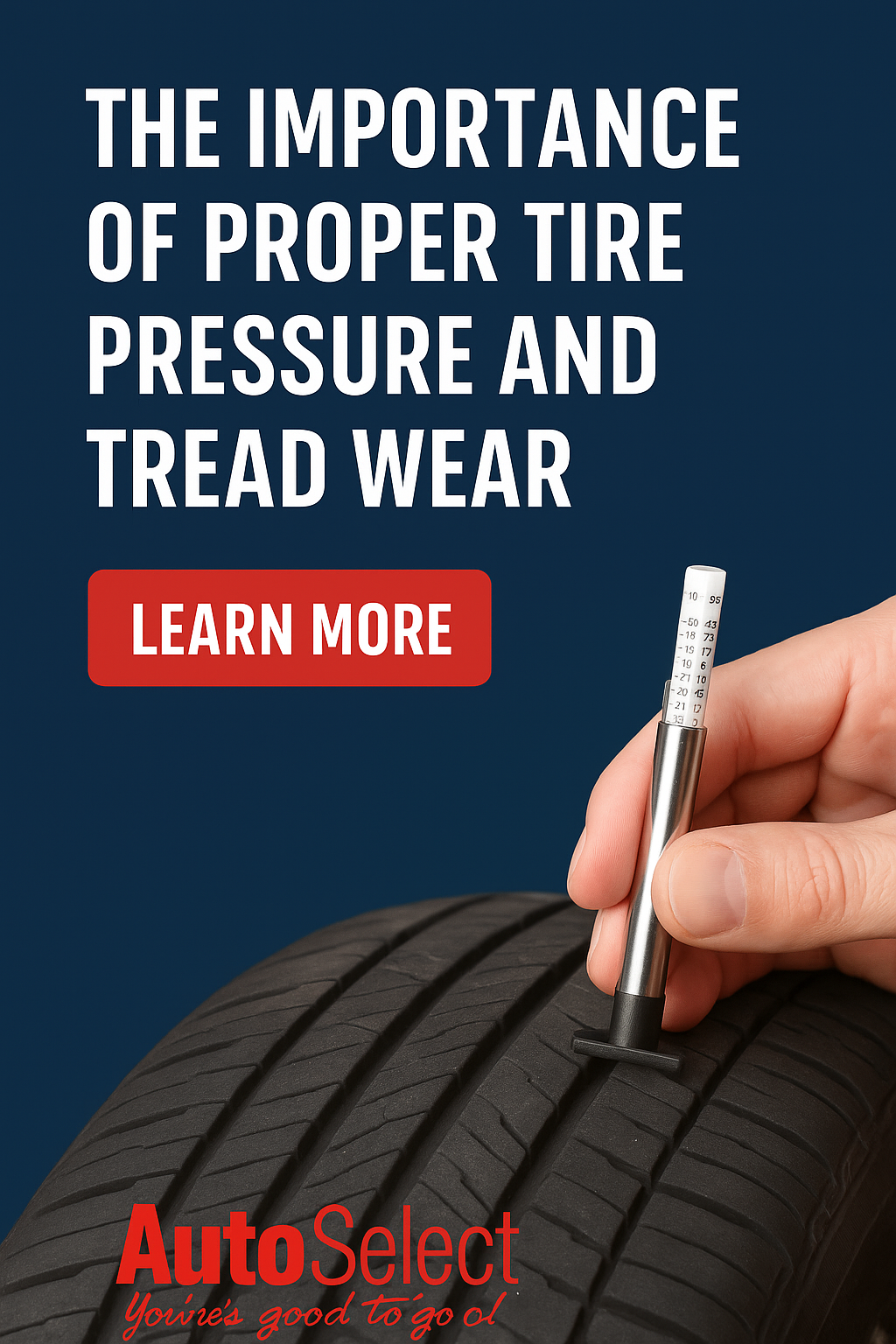
Signs Of Overinflated Tires
Car tires can sometimes have too much air pressure. Overinflated tires affect how your car drives and handles. It is important to spot signs of overinflation early.
Too much pressure can cause safety problems and uneven tire wear. Knowing the signs helps you keep your tires in good shape.
Handling And Safety Issues
Overinflated tires make the ride stiffer and less comfortable. The car may feel bouncy or jumpy on rough roads. This reduces control and can cause safety risks.
- Reduced traction on wet or slippery roads
- Less grip during turns or sudden stops
- Increased risk of tire blowouts due to pressure
- Longer stopping distances in emergencies
- Uneven braking and steering responses
Tire Wear Patterns
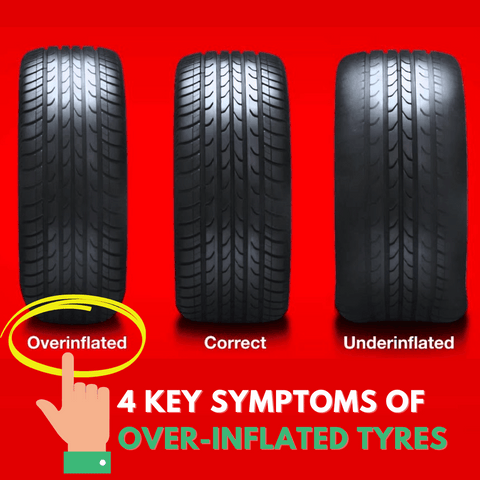
Overinflated tires wear unevenly. The center of the tread wears faster than the edges. This reduces tire life and affects performance.
| Wear Area | Cause | Effect |
|---|---|---|
| Center of tread | Too much air pressure | Faster wear, less contact with road |
| Edges of tread | Not enough pressure | Wear faster, less stable grip |
Maintaining Proper Tire Pressure
Keeping the right tire pressure is important for car safety and performance. Proper pressure helps tires last longer and saves fuel.
Tire pressure can change due to weather and driving conditions. Checking it often keeps your ride smooth and safe.
Checking Tire Pressure Regularly
Check tire pressure at least once a month and before long trips. Use a reliable tire pressure gauge for accurate readings.
- Check tires when they are cold for correct pressure.
- Remove the valve cap and press the gauge firmly on the valve.
- Compare the reading with the recommended pressure for your car.
- Add air if the pressure is low or release air if it is too high.
- Replace the valve cap to keep dirt out.
Recommended Pressure Guidelines
Car manufacturers set tire pressure limits for safety and efficiency. You can find these guidelines in your car manual or on a sticker inside the driver’s door.
| Vehicle Type | Recommended Tire Pressure (PSI) |
| Small Cars | 30 – 35 |
| Sedans | 32 – 36 |
| SUVs | 35 – 40 |
| Light Trucks | 35 – 45 |
Credit: riiroo.com
When To Seek Professional Help
Car tire pressure can change due to temperature and driving conditions. Sometimes, these changes need expert attention.
Knowing when to ask a professional can keep you safe on the road and protect your tires from damage.
Persistent Pressure Fluctuations
If your tire pressure keeps going up and down without any clear reason, you should get help from a tire expert. This may point to a leak or valve problem.
- Check pressure regularly to spot changes
- Look for slow leaks that cause steady drops
- Watch for sudden pressure increases
- Note if fluctuations happen at certain temperatures
Potential Tire Damage Indicators
Some signs show your tire might be damaged. These signs need a professional’s eyes to avoid bigger problems.
| Indicator | What It Means |
| Bulges or Blisters | Weak spots that can burst |
| Cracks in Sidewall | Damage from age or impact |
| Uneven Wear | Alignment or pressure issues |
| Visible Nails or Objects | Possible punctures |
| Frequent Pressure Loss | Leaks or valve faults |
Frequently Asked Questions
Can Car Tire Pressure Increase Naturally Over Time?
Yes, car tire pressure can increase naturally due to temperature changes. Warm weather causes air inside tires to expand, raising pressure. Regularly check tire pressure to maintain optimal safety and performance.
How Does Heat Affect Car Tire Pressure?
Heat causes air molecules inside tires to move faster and expand. This expansion increases the tire pressure. It’s normal for pressure to rise during hot weather or after long drives.
Can Driving Cause Tire Pressure To Increase?
Yes, driving heats up tires and air inside them. This heat causes the pressure to rise temporarily. Always check tire pressure when tires are cold for accurate readings.
Is It Safe If Tire Pressure Increases Slightly?
A slight increase in tire pressure due to heat is normal and safe. However, excessive pressure can cause tire wear or blowouts. Maintain recommended pressure levels for safety.
Conclusion
Understanding tire pressure changes is essential. Temperature and driving can affect pressure. Regularly check your tires to ensure safety. Maintain correct pressure for better performance. A simple task that can save you trouble. Properly inflated tires improve fuel efficiency. They also last longer.
Avoid issues by keeping an eye on your tires. Safe driving depends on it. Always use a reliable gauge for accuracy. Stay informed and proactive. Your car and wallet will thank you.