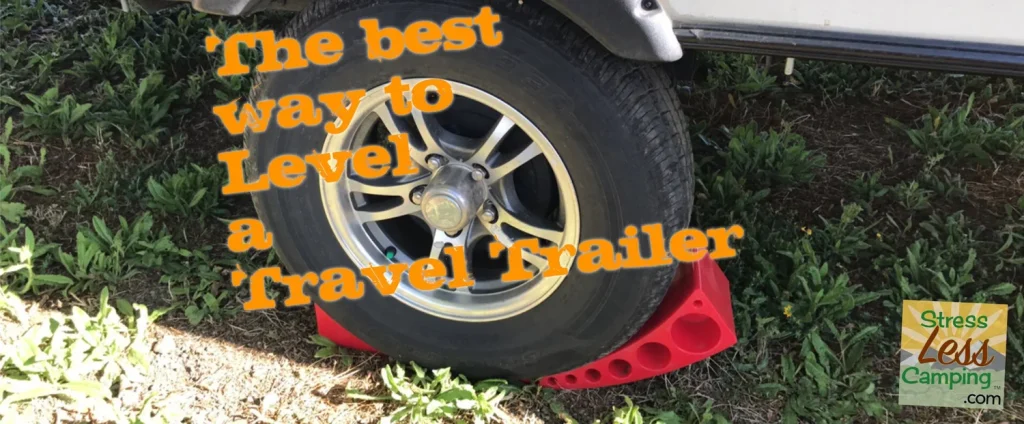
Picture this: You’ve just arrived at your picturesque camping spot, surrounded by nature’s beauty, and the excitement is bubbling within you. You’re ready to set up your tent trailer and start your adventure.
But there’s a bump in the road—literally. Your trailer isn’t sitting quite right, and it feels like you’re on a seesaw. Sound familiar? If you’ve ever struggled with leveling your tent trailer, you’re not alone. Many campers face this hurdle, and it can put a damper on your outdoor experience.
But don’t worry; we’re here to make sure you enjoy the perfect camping setup. In this guide, you’ll discover simple, effective steps to level your tent trailer with ease. Imagine a stable, comfortable living space where everything is in its place, allowing you to focus on what truly matters: creating unforgettable memories in the great outdoors. Ready to transform your camping experience? Let’s dive in!
Choosing The Right Campsite
Picking the right place to park your tent trailer is important. It helps keep the trailer stable and your stay comfortable. Look for a spot that makes it easy to level the trailer and stay safe.
Before setting up, take time to study the ground. A good campsite saves you effort and prevents problems like water pooling or the trailer tilting too much.
Finding A Flat Spot
Flat ground is the best choice for your tent trailer. It helps the trailer stay balanced and prevents damage. Avoid areas with bumps or holes that can make the trailer lean.
- Walk around to check the area for levelness
- Use a small board or level tool to test the ground
- Avoid rocky or soft soil that can shift under weight
Avoiding Slopes And Uneven Ground
Slopes and uneven land make it hard to level your trailer. It can also cause discomfort while sleeping. Choose a place with little to no incline to keep your trailer steady.
| Ground Type | Leveling Difficulty | Comfort Level |
| Flat and firm | Easy | High |
| Small slope | Moderate | Medium |
| Steep slope | Hard | Low |
| Uneven with rocks | Very hard | Low |
Checking For Drainage
Good drainage keeps water away from your trailer. Avoid low spots where rainwater collects. Water near your trailer can cause mud and damage.
- Look for signs of water pooling after rain
- Check if the ground slopes away from your spot
- Choose higher ground if possible
- Avoid camping near ditches or water channels

Credit: www.reddit.com
Tools Needed For Leveling
Leveling a tent trailer is important for safety and comfort. Using the right tools makes this task easy and accurate.
These tools help you check and adjust the trailer’s position to make sure it is stable and even on the ground.
Bubble Level
A bubble level shows if your trailer is flat from side to side and front to back. It helps you know how much to raise or lower the trailer.
Place the bubble level on a flat surface inside the trailer or on the frame outside. Read the bubble’s position to check balance.
- Easy to use and read
- Affordable and small
- Works on any surface
Wheel Chocks
Wheel chocks stop your trailer from moving while you level it. They keep the wheels in place on uneven ground.
Place chocks on both sides of the trailer wheels. Use sturdy chocks made of rubber or wood for safety.
- Prevents rolling during leveling
- Increases safety for you and others
- Easy to carry and use
Blocks And Ramps
Blocks and ramps help raise the trailer’s wheels to the right height. They support the trailer while you level it.
Use solid blocks or plastic ramps made for trailers. Stack blocks carefully to avoid slipping or tipping.
- Adjust trailer height easily
- Keep trailer stable on uneven ground
- Available in different sizes and materials
Preparing Your Tent Trailer
Leveling your tent trailer starts with good preparation. This helps ensure safety and comfort during your trip.
Follow these steps to park and secure your trailer properly before leveling it.
Parking And Securing The Trailer
Choose a flat and stable spot to park your tent trailer. Avoid soft ground that might cause sinking. Make sure the area is clear of obstacles and debris.
- Check the ground for firmness
- Pick a level surface if possible
- Clear the area around the trailer
- Position the trailer facing away from slopes
Engaging The Brakes
After parking, engage the trailer brakes to keep it from moving. This step is crucial for safety when you are setting up or leveling your trailer.
| Brake Type | Action to Engage |
| Electric Brakes | Pull the brake lever inside the towing vehicle or trailer |
| Surge Brakes | Press the trailer brake pedal or use the brake actuator |
| Manual Brakes | Apply the hand brake on the trailer itself |
Using Wheel Chocks
Place wheel chocks to prevent the trailer from rolling. This adds extra security after engaging the brakes.
- Use sturdy chocks made for trailers
- Place chocks on both sides of at least one wheel
- Position chocks against the downhill side if on a slope
- Test stability before setting up the tent

Credit: www.reddit.com
Leveling Side To Side
Leveling your tent trailer side to side is important for a comfortable stay. A level trailer helps your doors close properly and keeps the trailer stable.
This guide covers three key ways to level your trailer: using blocks or ramps, checking with a bubble level, and adjusting the height safely.
Using Blocks Or Ramps
Place blocks or ramps under the wheels on the low side of the trailer to raise it. This will help even out the side-to-side tilt.
- Find sturdy wooden blocks or plastic ramps.
- Drive the trailer slowly onto the blocks or ramps.
- Make sure the blocks or ramps are stable and will not slip.
- Check if the trailer feels steady before stopping.
Checking With A Bubble Level
Use a bubble level to check if your trailer is level from side to side. Place the level on a flat surface inside the trailer.
| Bubble Position | Meaning |
|---|---|
| Centered | Trailer is level side to side |
| Bubble to one side | Trailer tilts to that side |
| Bubble outside | Trailer is very uneven |
Adjusting The Height Safely
Raise or lower the trailer height carefully to avoid accidents. Always use wheel chocks and avoid sudden moves.
- Put wheel chocks on both sides of the wheels.
- Use a jack or lift carefully if needed.
- Make small adjustments and check the level often.
- Do not overload one side while adjusting.
- Ensure the trailer is stable before leaving it.
Leveling Front To Back
Leveling your tent trailer from front to back is important for comfort and safety. It keeps the trailer stable and prevents damage.
This guide explains how to level the trailer by adjusting the tongue jack and checking stability.
Adjusting The Tongue Jack
Start by raising or lowering the tongue jack to bring the trailer front to back level. This controls the height of the front part of the trailer.
- Locate the tongue jack at the front of the trailer.
- Turn the handle to raise or lower the trailer’s front.
- Use a level on the trailer floor to check progress.
- Adjust until the trailer is level front to back.
Ensuring Stability
After adjusting the tongue jack, secure the trailer to prevent movement. Stability keeps the trailer safe and comfortable.
| Action | Purpose |
| Lock the tongue jack in place | Prevents height changes |
| Chock the wheels | Stops the trailer from rolling |
| Set stabilizer jacks | Reduces trailer sway |
Final Level Check
Do a final check to make sure the trailer is level front to back. Use a bubble level placed inside the trailer.
Follow this checklist for the final check:
- Place a bubble level on the trailer floor near the door.
- Look at the bubble to see if it is centered.
- If not level, adjust the tongue jack slightly.
- Repeat until the trailer floor is even front to back.

Credit: www.reddit.com
Securing The Tent Trailer After Leveling
After you level your tent trailer, it is important to secure it well. This keeps the trailer stable and safe while you camp.
Securing the trailer helps prevent movement during wind or when people move inside. Follow these steps to keep your trailer steady.
Lowering The Stabilizer Jacks
Lower the stabilizer jacks at each corner of the trailer. These jacks help reduce movement and keep the trailer steady.
Use the crank or handle to lower the jacks until they touch the ground. Do not lift the trailer, just support it.
Double-checking Stability
After lowering the jacks, check if the trailer is stable. Push gently on different sides to see if it moves.
If the trailer moves, adjust the jacks or leveling blocks again. Make sure the trailer feels secure before staying inside.
Preparing For Weather Conditions
Check the weather before setting up. Strong wind or rain can affect your trailer’s stability.
Use extra supports like wheel chocks and tie-down straps to keep the trailer steady during bad weather.
- Place wheel chocks under the tires
- Secure tie-down straps to the trailer frame
- Anchor straps to solid ground or heavy objects
Common Leveling Mistakes To Avoid
Leveling a tent trailer is important for comfort and safety. Many people make mistakes that cause problems later. Avoiding these errors helps keep your trailer steady.
This guide points out common mistakes to watch for. Fixing them will make your camping experience better.
Ignoring Small Tilts
Small tilts in your tent trailer may seem harmless. People often ignore them thinking they will not matter. But even small angles can cause issues over time.
Uneven leveling can lead to discomfort when sleeping or cooking. It can also cause damage to the trailer’s structure or appliances.
Skipping Safety Checks
Some skip safety checks to save time. This can be dangerous. Checking brakes, wheel chocks, and stabilizers keeps you safe.
Failing to check these parts risks accidents or trailer movement. Always test safety equipment before settling in.
Using Improper Tools
Using the wrong tools makes leveling harder and less safe. Some tools may not hold the weight or fit the trailer well.
Proper leveling blocks, a reliable level, and the right jack help you do the job right and fast.
- Use sturdy leveling blocks designed for trailers
- Choose a bubble or digital level for accuracy
- Use a quality jack that suits your trailer’s weight
Tips For Quick And Efficient Leveling
Leveling your tent trailer is important for a comfortable camping experience. A level trailer keeps things stable and safe.
Using quick and easy tips can save time and effort. This guide helps you level your trailer efficiently every time.
Practice Makes Perfect
Take time to practice leveling your trailer before your trip. This helps you understand the process better.
Try setting up the trailer on different surfaces to see how much adjustment is needed. The more you practice, the faster you get.
Organizing Your Tools
Keep all your leveling tools in one place. This stops you from wasting time searching for items.
- Leveling blocks or ramps
- Bubble level or digital level
- Wheel chocks for safety
- Adjustable jacks or stabilizers
Organize these tools in a bag or box near your trailer. This makes setup fast and smooth.
Enlisting Help
Ask a friend or family member to help level your trailer. Two people can speed up the work and make it easier.
One person can watch the level while the other adjusts blocks or jacks. Teamwork reduces mistakes and saves time.
Frequently Asked Questions
How Do You Start Leveling A Tent Trailer?
Begin by parking your tent trailer on a flat surface. Use a bubble level on the trailer floor. Identify which side needs raising or lowering to achieve balance. This initial step ensures a more comfortable setup and stable camping experience.
What Tools Help Level A Tent Trailer Effectively?
Essential tools include a bubble level, leveling blocks, and a sturdy jack. Leveling blocks help raise one side, while the jack assists in lifting the trailer. These tools make the leveling process quick and precise, ensuring safety and comfort.
Why Is Leveling A Tent Trailer Important?
Leveling prevents structural stress and ensures proper functioning of appliances. It improves comfort by stabilizing the trailer and prevents issues like water pooling. A level trailer enhances your overall camping experience and trailer longevity.
Can I Level A Tent Trailer Without Electric Hookups?
Yes, manual leveling using blocks and a bubble level works well without electricity. You can adjust the trailer’s position and use a hand jack to raise or lower sides. This method is reliable for remote camping spots.
Conclusion
Leveling a tent trailer makes camping safer and more comfortable. It stops rocking and keeps the trailer steady. Use a level tool and check each side carefully. Adjust the trailer with blocks or jacks as needed. Take your time; small changes make a big difference.
A well-leveled trailer helps your tent set up right. Enjoy a better camping experience with these simple steps. Keep practicing, and you will get faster and better at it. Ready for your next trip? Your trailer will be steady and secure.