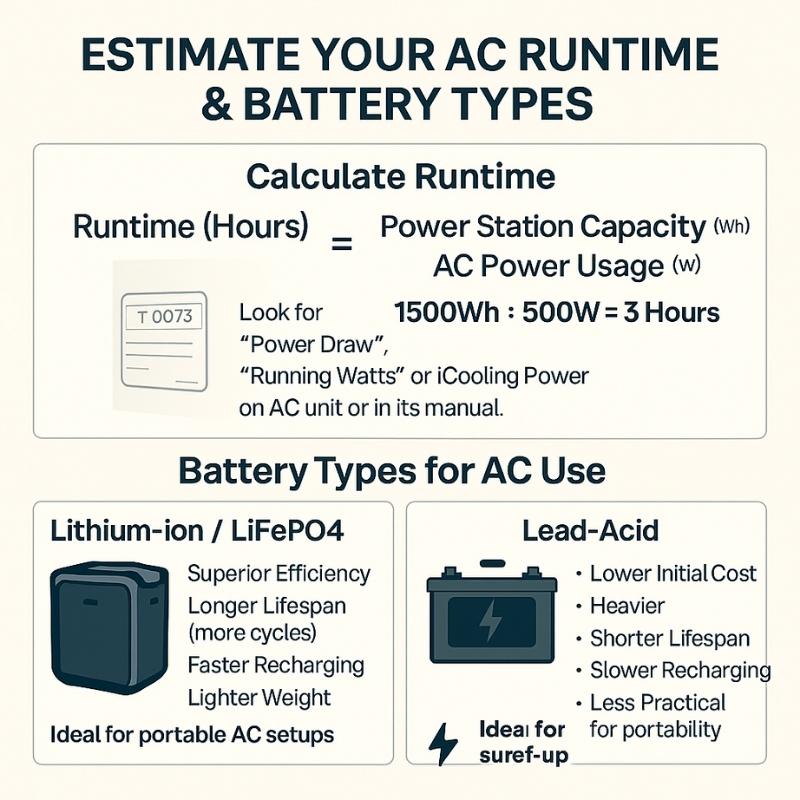
Wondering how many watts it takes to run your air conditioner? Knowing this can save you money and help you avoid unexpected power bills.
Whether you’re cooling a small room or an entire house, understanding your AC’s power needs is key. You’ll discover exactly what influences your air conditioner’s energy use and how to calculate the watts it consumes. Keep reading to make smarter choices and stay cool without breaking the bank.

Credit: www.hhaircon.com.au
Air Conditioner Power Basics
Wattsshow how much power an air conditioner uses. The higher the watts, the more electricity it needs. This tells you how much energy the AC draws to cool a room.
Different types of air conditioners use different amounts of power. Some use less energy, while others need more.
| AC Type | Power Use (Watts) | Notes |
|---|---|---|
| Window AC | 500 – 1500 | Good for single rooms, energy use varies by size |
| Split AC | 1000 – 2000 | Quieter and more efficient, used for larger spaces |
| Portable AC | 800 – 1500 | Easy to move, but uses more power than window units |
| Central AC | 2000 – 5000+ | Cool whole houses, highest energy use |

Credit: calfohomeservices.com
Factors Affecting Ac Wattage
Cooling capacityplays a big role in AC wattage. Bigger rooms need more power to cool well. The size of the air conditioner affects how much electricity it uses.
Energy efficiency ratingsshow how well an AC uses power. Higher ratings mean the AC uses less electricity to cool the same space. Look for models with good energy ratings to save on bills.
How often and how long you use the AC also matters. Using lower settings or timers can reduce power use. Running the AC all day uses more watts than short bursts.
Typical Wattage For Common Ac Units
Window air conditionersusually need between 500 and 1500 watts. Small units use less power, about 500 watts. Bigger models can reach 1500 watts or more. They cool one room well.
Split system ACsuse more energy. Most models need around 1000 to 3000 watts. These systems have two parts: one inside and one outside. They cool larger spaces efficiently.
Portable AC unitsoften use between 800 and 2000 watts. They are easy to move but less powerful than split systems. Good for small rooms or spot cooling.
Calculating Your Ac Power Needs
To estimate the power needed for an air conditioner, start by measuring the room size. Larger rooms require more cooling power. Cooling capacity is measured in BTUs (British Thermal Units). For example, a 300 square foot room might need around 7,000 to 8,000 BTUs.
Convert BTUs to watts using this formula:
| BTUs | Watts |
|---|---|
| 1,000 BTUs | 293 Watts |
| 5,000 BTUs | 1,465 Watts |
| 10,000 BTUs | 2,930 Watts |
Air conditioners use more power at startup than when running. Startup wattsare usually 2-3 times higher. This is important for choosing the right electrical circuit and breaker size.
Energy Saving Tips For Ac Use
Set your air conditioner to 78°F (25-26°C)for good comfort and energy savings. Lower temperatures use more powerand raise electricity bills. Slightly higher settings keep rooms cool and save energy.
Clean or replace AC filters every month. Dust and dirt make the AC work harder and waste energy. Check the coils and fins regularly to keep them clean and free from damage.
Choose Energy Star modelsfor better efficiency. These units use up to 15% less energythan standard models. Look for the Energy Star label when buying a new air conditioner.
Power Supply And Wiring For Acs
Air conditioners need a dedicated circuitto avoid electrical problems. A typical 1.5-ton AC usually requires a circuit of 15 to 20 amps. The wire size should match the current to prevent overheating and fire risks. Use copper wiringfor better conductivity and safety.
Overloading circuits can cause frequent trips and damage. Avoid plugging other heavy appliances on the same circuit as the AC. This protects your home’s electrical system and keeps the AC running smoothly.
| Generator Size (Watts) | AC Capacity (Tons) | Notes |
|---|---|---|
| 3000 – 3500 | 1 to 1.5 | Small window or split AC units |
| 5000 – 6000 | 2 to 3 | Medium-sized split ACs |
| 7500 and above | 3.5 and higher | Large central or multiple units |
Generators must support the starting surgeof the AC. Use a generator with extra wattage capacity. This helps avoid sudden power loss or damage to the AC motor.

Credit: www.reddit.com
Frequently Asked Questions
How Many Watts Does A 1.5 Ton Ac Use?
A 1. 5 ton air conditioner typically uses about 1,500 to 2,000 watts. This can vary based on its efficiency. Modern, energy-efficient models may consume less. Check the unit’s specifications for exact power consumption. Always consider factors like room size and insulation for accurate power needs.
What Affects An Air Conditioner’s Wattage?
Several factors affect an air conditioner’s wattage, including size, efficiency, and usage. The room’s insulation and outside temperature also play a role. Regular maintenance can ensure optimal performance. An energy-efficient model often consumes fewer watts, reducing electricity bills and environmental impact.
How Can I Reduce My Ac’s Wattage?
To reduce your AC’s wattage, ensure regular maintenance and clean filters. Use energy-saving settings and a programmable thermostat. Improve home insulation and close blinds during hot days. Consider upgrading to an energy-efficient model for long-term savings.
Do Portable Acs Use More Watts?
Portable ACs can use more watts than window units due to their design. Their efficiency often depends on room size and insulation. They typically range between 900 to 1,500 watts. It’s essential to select the right size for your space for optimal performance.
Conclusion
Knowing how many watts your air conditioner uses helps save energy and money. Small units use fewer watts, while bigger ones need more power. Check the label or manual for exact wattage. Using the right size air conditioner keeps your home cool without wasting electricity.
Simple steps like this make a big difference in your bills. Choose wisely and stay comfortable all summer long.