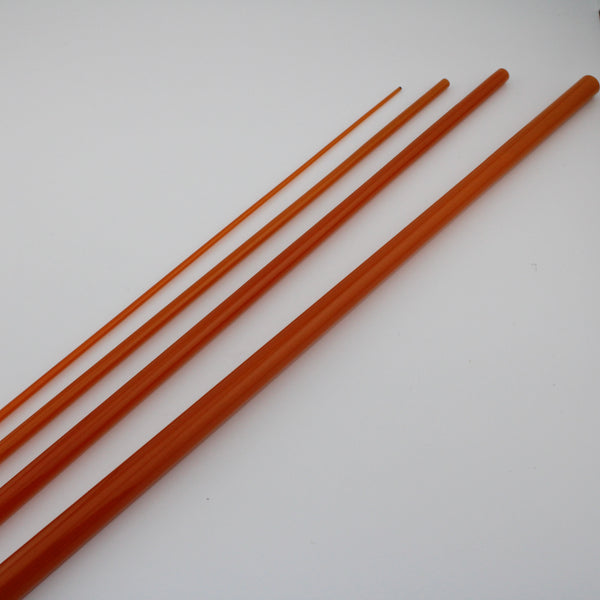
Have you ever wondered what makes your fishing rod strong, flexible, and ready to catch the biggest fish? It all starts with the fishing rod blank—the core part of your rod that often goes unnoticed.
Understanding what a fishing rod blank is can change the way you choose and use your fishing gear. If you want to improve your fishing experience and pick the perfect rod for your needs, keep reading. This simple piece of your rod holds the key to better control, sensitivity, and success on the water.

Credit: www.lamiglas.com
Fishing Rod Blank Basics
A fishing rod blank is the main part of a fishing rod. It forms the rod’s shape and strength. Understanding the blank helps you choose the right rod.
Blanks vary in size, material, and action. Each affects how the rod performs during fishing.
Core Components
The fishing rod blank includes several core parts. These parts work together to give the rod its function.
- Handle:The grip area where you hold the rod.
- Butt:The bottom end of the blank for support.
- Tip:The thin, flexible end that senses fish bites.
- Guides:Rings along the blank to guide the fishing line.
Materials Used
Fishing rod blanks come in different materials. Each type offers unique strength and flexibility.
| Material | Features | Common Use |
|---|---|---|
| Fiberglass | Durable, flexible, heavier | Good for beginners and heavy fishing |
| Graphite | Lightweight, stiff, sensitive | Preferred for precise fishing and long casts |
| Composite | Mix of fiberglass and graphite | Balances strength and sensitivity |
Types Of Blanks
There are several types of fishing rod blanks. Each type suits different fishing styles and fish species.
- Spinning Blanks:Made for spinning reels, easy to cast light lures.
- Baitcasting Blanks:Built for baitcasting reels, offer control and power.
- Fly Rod Blanks:Designed for fly fishing, flexible and lightweight.
- Ice Fishing Blanks:Short and sensitive for fishing through ice holes.

Credit: www.lamiglas.com
Choosing The Right Blank
A fishing rod blank is the main part of a fishing rod. It is the long, thin piece that bends and holds the line.
Choosing the right blank is important for a good fishing experience. It affects how you cast and catch fish.
Matching Rod Action
Rod action means how much and where the rod bends. It can be fast, medium, or slow.
Fast action rods bend near the tip. They give quick hook sets and better control. Slow action rods bend more along the rod. They cast lighter baits better.
- Fast action: bends near tip, good for big fish
- Medium action: bends in the middle, versatile use
- Slow action: bends along the rod, good for small fish
Power Ratings Explained
Power rating shows how strong the blank is. It tells you what size fish and lures it can handle.
Power ranges from ultralight to heavy. Ultralight blanks are for small fish and light lures. Heavy blanks work for big fish and heavy lures.
- Ultralight: best for small fish, light line
- Light: good for panfish and trout
- Medium: handles bigger fish and medium lures
- Heavy: for big fish and heavy baits
Length Considerations
The length of the blank affects casting distance and control. Longer rods cast farther. Shorter rods give better control.
Choose rod length based on your fishing style and location. Use longer rods for open water. Use shorter rods for tight spaces.
- Short rods (5-6 feet): best for small streams and tight spots
- Medium rods (6-7 feet): good for most fishing
- Long rods (7-9 feet): best for casting far in open water
Materials And Construction
A fishing rod blank is the main part of a fishing rod. It is the long, thin piece that gives the rod its shape and strength.
The materials and how the blank is made affect its performance. Different materials offer different weight, strength, and flexibility.
Graphite Vs. Fiberglass
Graphite blanks are light and stiff. They give good sensitivity to feel fish bites. They are popular for many types of fishing.
Fiberglass blanks are heavier and more flexible. They are strong and can handle rough use. Fiberglass rods are good for beginners or heavy fishing.
- Graphite: light, stiff, sensitive
- Fiberglass: heavy, flexible, strong
Composite Blanks
Composite blanks mix graphite and fiberglass materials. They balance the lightness of graphite with the strength of fiberglass.
These blanks offer good performance and durability. They are often used for rods that need both power and sensitivity.
- Mix of graphite and fiberglass
- Balance of light weight and strength
- Good for different fishing styles
Manufacturing Techniques
Fishing rod blanks are made by wrapping thin sheets of material around a shaped form. This process is called “layup.”
The layers are glued and cured with heat to make a strong, hollow tube. The way layers are placed changes the rod’s strength and flexibility.
- Material sheets wrapped around a mold
- Layers glued with resin
- Heat applied to cure and harden
- Layer direction affects rod action

Credit: huayuesports.en.made-in-china.com
Customizing Your Rod Blank
Customizing a fishing rod blank lets you create a rod that fits your style. You can choose parts and finishes that match your needs.
This guide covers how to select guides and handles, wrap threads, and balance your rod for better fishing.
Selecting Guides And Handles
Guides control the line flow and affect casting performance. Handles provide comfort and grip. Pick guides and handles that suit the type of fishing you do.
- Choose lightweight guides for fast action rods
- Use corrosion-resistant guides for saltwater fishing
- Select handle material for comfort, like cork or EVA foam
- Pick handle shape based on how you hold the rod
Thread Wrapping And Finishing
Thread wrapping secures guides to the blank and adds style. Finishing protects the thread and enhances durability.
| Thread Type | Durability | Appearance |
| Nylon | Good | Glossy |
| Polyester | Very Good | Matte |
| Kevlar | Excellent | Textured |
Use a clear epoxy finish to seal the threads. It protects from water and wear.
Balancing And Weight
A well-balanced rod feels lighter and reduces fatigue. You can adjust balance by adding weight or changing handle size.
| Balance Adjustment | Effect |
|---|---|
| Add weight to the handle | Shifts balance towards the reel |
| Use a longer handle | Improves leverage and control |
| Choose lighter guides | Reduces tip weight |
Performance And Durability
A fishing rod blank forms the core of the fishing rod. It greatly affects how well the rod performs and how long it lasts.
Choosing the right blank ensures a good balance between strength and flexibility. This balance is key to catching fish and enjoying the sport.
Flexibility And Sensitivity
Flexibility in a rod blank allows it to bend without breaking. Sensitivity helps detect fish bites early. Both features improve fishing success.
- Flexible blanks absorb the fish’s pull smoothly.
- Sensitive blanks send vibrations to the angler’s hand.
- Materials like graphite increase sensitivity.
- Different fishing styles need different flexibility levels.
Strength And Longevity
The blank must be strong enough to handle heavy fish and rough use. Longevity means the rod lasts many fishing seasons.
| Material | Strength | Durability |
| Fiberglass | High | Very durable |
| Graphite | Moderate | Moderate durability |
| Composite | Balanced | Good durability |
Environmental Factors
Fishing conditions affect rod blank performance. Saltwater and freshwater cause different wear and tear.
Key environmental factors include:
- Saltwater can corrode rod materials.
- Sunlight weakens some blanks over time.
- Cold temperatures make blanks less flexible.
- Proper care extends rod life in all conditions.
Popular Brands And Models
A fishing rod blank is the core part of a fishing rod. It shapes how the rod performs and feels. Many brands make rod blanks with different materials and designs.
This guide looks at popular brands and models. It also compares budget and premium options. Lastly, it covers user reviews to help you choose.
Top Manufacturers
Several manufacturers lead the market for fishing rod blanks. Each offers unique features and quality levels. Some top names include:
- St. Croix – known for strong, lightweight blanks
- G. Loomis – offers high-performance graphite blanks
- Fenwick – popular for durable and affordable blanks
- Shimano – blends technology with quality materials
- Temple Fork Outfitters – focused on value and versatility
Budget Vs. Premium Options
Fishing rod blanks come in budget and premium ranges. Budget blanks suit casual anglers and beginners. Premium blanks fit those needing top performance.
| Feature | Budget Blanks | Premium Blanks |
|---|---|---|
| Material | Basic graphite or fiberglass | High-modulus graphite and composites |
| Weight | Heavier | Lighter for better sensitivity |
| Flexibility | Stiffer | More responsive and flexible |
| Price Range | $20 – $80 | $100 – $300+ |
| Durability | Good for light use | Built to last under tough conditions |
User Reviews
Anglers share their experiences with different rod blanks. Many like brands that balance price and performance well. Some common points from reviews are:
- St. Croix blanks feel sturdy and reliable
- G. Loomis blanks offer excellent sensitivity
- Fenwick blanks provide good value for money
- Shimano blanks have smooth action and good balance
- Temple Fork blanks are great for beginners and casual fishing
Maintenance And Care
Taking care of your fishing rod blank keeps it strong and ready to use. Proper care helps avoid damage and extends its life.
Simple steps like cleaning, storing, and fixing small problems can make a big difference for your rod blank.
Cleaning Tips
Clean your fishing rod blank after every use to remove dirt and salt. Use fresh water and a soft cloth for cleaning.
Avoid harsh chemicals that can damage the blank’s surface. Dry the rod completely before storing it to prevent rust.
- Rinse with fresh water
- Use a soft cloth or sponge
- Do not use abrasive cleaners
- Dry fully before storage
Storage Solutions
Store your fishing rod blank in a cool, dry place. Avoid direct sunlight to prevent the blank from weakening.
Use a rod holder or rack to keep the blank straight. Do not lean it against walls or bend it during storage.
- Keep away from heat and moisture
- Use a rod rack or holder
- Store the rod horizontally or vertically
- Cover with a cloth or rod sleeve
Repairing Damage
Check your fishing rod blank for cracks or chips after every use. Small damage can get worse if not fixed early.
Use epoxy or rod repair kits to fix minor cracks. For large damage, seek help from a professional repair service.
- Inspect for cracks and chips
- Clean damaged area before repair
- Apply epoxy carefully to cracks
- Let repair dry fully before use
- Consult professionals for serious damage
Tips For Beginners
A fishing rod blank is the main part of a fishing rod. It is the long, thin piece that gives the rod its shape and strength. Choosing the right blank is important for a good fishing experience.
This guide helps beginners avoid common errors and build their own rod. It also shares useful resources to learn more about fishing rod blanks.
Common Mistakes To Avoid
Many beginners make these mistakes when choosing or using a fishing rod blank. Avoiding them will help you enjoy fishing more.
- Picking a blank that is too stiff or too soft for your fishing style.
- Ignoring the rod length and how it fits your fishing needs.
- Using a blank that is too heavy for the line or lure weight.
- Not checking the blank’s material and durability.
- Skipping practice before fishing with your new rod.
Building Your First Rod
Building your first fishing rod can be fun. It requires some tools and patience. Follow these simple steps to start your project.
- Choose a blank that matches your fishing style.
- Pick the right guides and reel seat for your blank.
- Wrap the guides carefully with thread.
- Apply epoxy to secure the wraps.
- Let the epoxy dry fully before use.
Resources For Learning
Use these resources to learn more about fishing rod blanks and rod building. They offer great tips and detailed instructions.
| Resource Type | Description | Where to Find |
| Books | Step-by-step guides on rod building and types of blanks. | Libraries, bookstores, online shops |
| Videos | Visual tutorials on building rods and choosing blanks. | YouTube, fishing websites |
| Forums | Discussions with experienced rod builders and anglers. | Fishing forums, Reddit |
| Workshops | Hands-on classes to build rods with expert help. | Local fishing clubs, tackle shops |
Frequently Asked Questions
What Is A Fishing Rod Blank?
A fishing rod blank is the core structure of a fishing rod. It is usually made from materials like graphite, fiberglass, or composite. The blank determines the rod’s strength, flexibility, and sensitivity. Anglers customize blanks by adding guides, handles, and reel seats.
Why Is The Fishing Rod Blank Important?
The blank affects the rod’s action, power, and durability. It influences casting distance and accuracy. A well-chosen blank enhances fishing performance. It also impacts how the rod handles different fish sizes and fishing conditions.
How Do I Choose The Right Rod Blank?
Select a blank based on your fishing style and target species. Consider factors like length, power, and action. Match the blank to the type of water and lure weight. A proper blank improves control and reduces fatigue.
What Materials Are Fishing Rod Blanks Made Of?
Rod blanks are commonly made from graphite, fiberglass, or composite materials. Graphite offers sensitivity and light weight. Fiberglass is durable and flexible. Composite blends provide a balance of strength and responsiveness.
Conclusion
Fishing rod blanks form the heart of every fishing rod. They determine how the rod performs. A quality blank offers balance and sensitivity. It enhances your fishing experience. Choosing the right blank is important. Consider material, length, and action. Each factor affects your fishing success.
Understand your needs first. Then match the blank to your style. With this knowledge, you can make better choices. Enjoy fishing with confidence and skill. A well-chosen blank makes all the difference. Happy fishing!