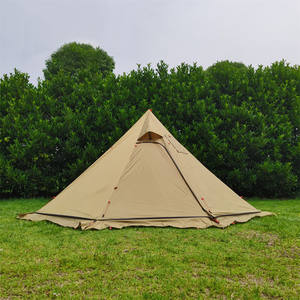
Have you ever wondered what shape a tent really is? Whether you’re planning a camping trip or just curious, understanding tent shapes can make a big difference.
The shape affects how easy it is to set up, how much space you get, and even how well it stands up to wind and rain. You’ll discover the most common tent shapes and why each one might be perfect for your next adventure.
Keep reading to find out which tent shape suits your needs best—and make your outdoor experience more comfortable and enjoyable.
Common Tent Shapes
Tents come in many shapes. Each shape has a special use and style. Knowing the shape helps you pick the best tent for camping.
This guide shows popular tent shapes and their features. Learn about A-Frame, Dome, Tunnel, Geodesic, and Cabin tents.
A-frame Tents
A-Frame tents have a simple shape like the letter “A.” They are light and easy to set up. This shape works well for hiking and quick camping trips.
Dome Tents
Dome tents have a rounded top made from flexible poles. They offer good headroom and are stable in wind. Dome tents are popular for family camping.
Tunnel Tents
Tunnel tents look like long tubes. They give lots of space inside. These tents are great for groups and long stays.
- Good for tall campers
- Easy to walk inside
- Needs space to pitch
- Offers good ventilation
Geodesic Tents
Geodesic tents have many poles crossing in triangles. This shape makes them very strong and stable. They are used for rough weather and mountaineering.
Cabin Tents
Cabin tents have straight walls and a flat roof. They provide the most room and comfort. These tents work well for families and long camping trips.
| Tent Shape | Best Use | Key Feature |
| A-Frame | Hiking and quick trips | Lightweight and simple |
| Dome | Family camping | Good headroom and stability |
| Tunnel | Group camping | Spacious interior |
| Geodesic | Mountaineering | Strong and stable |
| Cabin | Long stays | Roomy and comfortable |

Credit: www.freeskier.com
Benefits Of Different Shapes
Tent shapes affect how they perform in different conditions. They change how stable the tent is, how much space you get, and how easy it is to set up.
Choosing the right shape helps you pick a tent that fits your needs. Some shapes work better in wind, others offer more comfort or are lighter to carry.
Stability And Wind Resistance
Some tent shapes are stronger in wind and tough weather. Dome tents have curved walls that help the wind flow around them. This shape makes them very stable.
A-frame tents have a simple shape that can hold up well in strong winds if set up correctly. Geodesic tents use many poles that cross to add extra strength.
- Dome tents resist wind well with curved sides.
- A-frame tents are strong but need good staking.
- Geodesic tents handle heavy wind with multiple poles.
Space And Comfort
Tent shapes affect how much room you have inside. Tunnel tents offer more usable floor space and headroom. They are good for families or groups.
Dome tents have good space but less headroom near the edges. Cabin tents have vertical walls for the most interior space and comfort.
- Tunnel tents provide wide floor space.
- Dome tents balance space and shape.
- Cabin tents give maximum headroom and comfort.
Ease Of Setup
Some shapes are easier to set up than others. Dome tents usually have fewer poles and clip systems that make pitching quick.
A-frame tents use simple pole structures and are easy for beginners. Tunnel tents can take more time because of longer poles.
- Dome tents set up quickly with simple poles.
- A-frame tents use basic poles and stakes.
- Tunnel tents need more time to pitch.
Weight And Portability
Weight depends on the tent shape and materials. A-frame tents often weigh less because they use fewer poles and less fabric.
Dome tents are light but may use more poles. Cabin tents are heavier due to their size and vertical walls.
- A-frame tents are usually the lightest.
- Dome tents balance weight and strength.
- Cabin tents tend to be heavy and less portable.
Choosing A Tent Based On Activity
Selecting the right tent depends on the activity you plan to do. Different activities need different tent shapes and features.
Understanding the best tent for your adventure helps you stay comfortable and safe outdoors.
Backpacking And Hiking
For backpacking and hiking, tents should be lightweight and compact. They need to fit easily in your pack without adding much weight.
- Look for tents with a simple design and fewer poles.
- Choose shapes like dome or tunnel for easy setup and good wind resistance.
- Waterproof materials are important to keep you dry.
- Ventilation helps reduce condensation inside the tent.
Family Camping
Family camping tents should have more space and comfort. They often have multiple rooms or dividers for privacy.
| Tent Shape | Advantages | Best Use |
| Cabin | High ceilings, lots of space | Family camping with kids |
| Dome | Easy to set up, stable | Small to medium family groups |
| Geodesic | Strong and stable in wind | Camping in rough weather |
Mountaineering
Mountaineering tents need to be strong and able to handle harsh weather. They are usually heavier but very durable.
Look for shapes like geodesic and double-wall tents. They offer good stability and insulation.
Festival Camping
Festival tents focus on quick setup and comfort. Pop-up and dome tents are popular choices.
Here are some key points for festival tents:
- Easy to carry and set up
- Good ventilation for hot weather
- Enough space for gear and friends
- Bright colors for easy spotting

Credit: scandinavianoutdoor.com
Materials Affecting Tent Design
The shape of a tent depends a lot on the materials used. These materials decide how strong and light the tent will be.
Choosing the right materials helps make tents that fit different weather and uses. This guide explains key materials.
Fabric Types
Tent fabric must be light, strong, and water-resistant. Different fabrics change the tent’s shape and use.
Common fabrics include nylon, polyester, and canvas. Nylon is light and strong but can stretch when wet.
- Nylon:Lightweight and durable, good for backpacking tents.
- Polyester:Holds shape well and resists UV damage.
- Canvas:Heavy but very strong and breathable.
Pole Materials
Poles support the tent’s shape and keep it standing. Their material affects weight and strength.
Common pole materials include aluminum, fiberglass, and carbon fiber. Each has benefits and limits.
- Aluminum:Strong and light, good for most tents.
- Fiberglass:Cheaper but heavier and less durable.
- Carbon fiber:Very light and strong, but expensive.
Flooring Options
Tent floors must be tough and water-resistant. Good floors keep moisture out and protect from rough ground.
Common floor materials include polyethylene, nylon, and polyester with coatings. Thickness affects durability.
- Polyethylene:Heavy but very waterproof and cheap.
- Nylon with coating:Lightweight and water-resistant.
- Polyester with coating:Strong and UV resistant.
Innovations In Tent Shapes
Tent shapes have changed a lot over the years. New designs help people set up tents faster and stay comfortable.
Innovations focus on easy use, better space, and strong materials. These shapes suit different needs and activities.
Pop-up Tents
Pop-up tents open quickly without needing poles. They have a flexible frame that springs into shape.
These tents are light and good for short trips or festivals. They fold small for easy carrying.
Inflatable Tents
Inflatable tents use air tubes instead of poles. You pump air to make the tent stand up.
This design is strong and stable. It works well in windy or rainy weather.
- Quick setup with air pump
- Flexible shapes and sizes
- Durable and weather-resistant
Modular Designs
Modular tents have parts that connect together. You can add or remove sections based on your needs.
This design offers more space and custom layouts. It suits families or groups camping together.

Credit: www.vevor.ca
Frequently Asked Questions
What Are Common Shapes Of Tents?
Common tent shapes include dome, A-frame, tunnel, and cabin. Each shape offers different space, stability, and ease of setup. Dome tents are popular for their wind resistance and simple structure. A-frame tents are lightweight and easy to pitch. Tunnel tents provide spacious interiors, while cabin tents offer standing room.
How Does Tent Shape Affect Weather Resistance?
Tent shape influences how well it withstands wind, rain, and snow. Dome tents shed wind effectively due to their curved design. A-frame tents allow rain to run off easily. Tunnel tents resist wind from one direction but may need proper orientation.
Cabin tents provide space but may catch more wind.
Which Tent Shape Is Best For Backpacking?
Dome and A-frame tents are ideal for backpacking. They are lightweight, compact, and quick to set up. Dome tents offer better wind resistance, while A-frame tents are simpler and lighter. Tunnel and cabin tents are bulkier, making them less suitable for carrying long distances.
Can Tent Shape Impact Interior Space?
Yes, tent shape greatly affects usable interior space. Cabin tents offer vertical walls, maximizing standing room. Tunnel tents provide long, spacious interiors. Dome tents have curved walls, which reduce headroom but improve stability. A-frame tents have sloping sides, limiting internal space but keeping weight low.
Conclusion
Tents come in many shapes. Each serves a purpose. Dome tents offer stability. A-frame tents are classic. Teepees provide ample space. Choose based on your needs. Camping? Backpacking? Family trips? Shape matters. Consider your location. Weather conditions impact your choice.
Windy areas need strong structures. Rainy places require waterproof designs. Lightweight tents suit hikers. Larger tents fit more people. Always prioritize comfort and safety. The right tent shape enhances your outdoor experience. Happy camping!