Have you ever wondered if you can run your air conditioner without a filter? It might seem like a simple shortcut to save time or money, but the truth could surprise you.
Your air conditioner’s filter plays a crucial role in keeping the air clean and your system running smoothly. Ignoring it might lead to costly repairs or even harm your health. Keep reading to find out why the filter matters so much and what happens when you skip it.
This knowledge could save you from unexpected headaches and keep your home comfortable all year long.
Credit: fischerheating.com
Role Of Air Conditioner Filters
Air conditioner filters clean the air before it cools your home. They stop dust, dirt, and other particles from entering the system.
Filters help keep the air fresh and protect your air conditioner from damage. Using the right filter is important for good performance.
How Filters Work
Filters catch dust and dirt as air passes through them. This stops particles from reaching the AC parts and the air you breathe.
- Air moves through the filter material.
- The filter traps dust, pollen, and pet hair.
- Clean air flows into your home.
- The trapped dirt stays in the filter until replaced.
Types Of Filters
There are different filters for air conditioners. Each type works in a special way to clean the air.
| Filter Type | Description | Use |
|---|---|---|
| Fiberglass | Cheap and basic filter that traps large particles. | Used in homes with low dust levels. |
| Pleated | Has folds that increase surface area to catch more dirt. | Good for most homes, better air cleaning. |
| HEPA | High Efficiency Particulate Air filter, traps very small particles. | Used in places needing very clean air, like hospitals. |
| Electrostatic | Uses static electricity to attract dust and pollen. | Reusable and good for allergy sufferers. |
Consequences Of Running Without A Filter
An air conditioner needs a filter to work well. Running it without a filter can cause many problems. It can hurt your health, the AC unit, and your energy bills.
Here are the main consequences of using an air conditioner without a filter.
Impact On Air Quality
The filter cleans dust, dirt, and pollen from the air. Without it, these particles enter your home. This lowers the air quality inside.
Poor air quality can cause breathing problems and allergies. It also spreads dust on furniture and floors more quickly.
Damage To Ac Components
Without a filter, dust and dirt go inside the AC unit. These particles can build up on important parts. This makes the AC work harder and can cause damage.
Damage can happen to the coils, blower, and other parts. Repairing or replacing these parts can be costly.
- Dust clogs the coils
- Blower motor wears out faster
- Condensation problems increase
Increased Energy Consumption
A dirty AC works less efficiently. When no filter blocks dirt, the system struggles to cool the air. This causes it to use more electricity.
Higher energy use means bigger bills. It also puts more strain on the air conditioner, reducing its lifespan.
Health Risks Involved
Running your air conditioner without a filter can harm your health. The filter stops dust, dirt, and germs from entering your home.
Without a filter, these harmful particles spread in the air. Breathing this air can cause health problems.
Allergens And Pollutants
Air filters catch allergens like pollen, pet dander, and dust mites. Without a filter, these allergens enter your living space.
Pollutants such as smoke, mold spores, and bacteria also pass through. This makes the indoor air dirty and unsafe.
- Increased dust buildup on furniture and floors
- More pet dander causing allergic reactions
- Higher levels of mold spores that trigger sickness
- Spread of bacteria and viruses in the air
Respiratory Issues
Dirty air can cause coughing, sneezing, and shortness of breath. People with asthma or allergies can have worse symptoms.
Breathing polluted air over time can lead to serious lung problems. Children and older adults are at higher risk of harm.
- Worsened asthma attacks
- Increased chances of bronchitis and infections
- Chronic coughing and throat irritation
- Difficulty breathing for sensitive groups

Credit: aquariushomeservices.com
Signs Your Filter Needs Replacement
Your air conditioner’s filter keeps the air clean and the system working well. Over time, the filter collects dust and dirt. This buildup can cause problems in how your air conditioner works.
Knowing the signs that your filter needs replacement can help you avoid bigger issues. Watch for changes in airflow, strange noises, and your energy bills.
Reduced Airflow
A dirty filter blocks the air moving through your system. You may feel less cool air coming from the vents. This means your air conditioner works harder to cool your home.
- Rooms take longer to cool down
- Air from vents feels weak or slow
- Fans run but do not push strong air
Unusual Noises
When the filter is dirty, your air conditioner may make strange sounds. These noises come from the system struggling to pull air through the clogged filter.
- Rattling or banging sounds
- Whistling or hissing near vents
- Buzzing from the blower motor
Higher Energy Bills
A blocked filter makes your air conditioner work harder. This extra work uses more electricity. You may see a rise in your energy costs without any change in usage.
| Condition | Effect on Energy Bills |
| Clean Filter | Normal energy use |
| Clogged Filter | Higher energy costs |
Alternatives When Filters Are Unavailable
Air conditioner filters keep dust and dirt from entering the system. Sometimes, a replacement filter is not available right away. You might wonder if you can run your AC without one.
This article covers temporary solutions to use until you get a new filter. It also explains the risks of skipping filters altogether.
Temporary Solutions
You can try some temporary fixes if you have no filter ready. These options help reduce dust and protect your AC.
- Use a clean cloth or mesh screen as a makeshift filter.
- Wrap a piece of pantyhose around the filter slot to catch larger particles.
- Run the AC on low settings to reduce strain on the system.
- Keep windows and doors closed to limit dust entering your home.
- Clean the AC coils and vents more often to avoid buildup.
Risks Of Skipping Filters
| Risk | Effect on Air Conditioner | Effect on Indoor Air Quality |
| Dust and Dirt Build-up | Clogs coils and parts | More allergens and particles in air |
| System Damage | Overheating and breakdowns | Reduced cooling efficiency |
| Increased Energy Use | AC works harder | Higher electricity bills |
| Health Issues | N/A | Triggers allergies and asthma |
Best Practices For Filter Maintenance
Keeping your air conditioner filter clean is important. It helps your unit work well and keeps the air fresh. Proper filter care saves energy and stops damage.
This guide covers simple ways to care for your air conditioner filter. Learn about cleaning, choosing the right filter, and how often to replace it.
Regular Cleaning
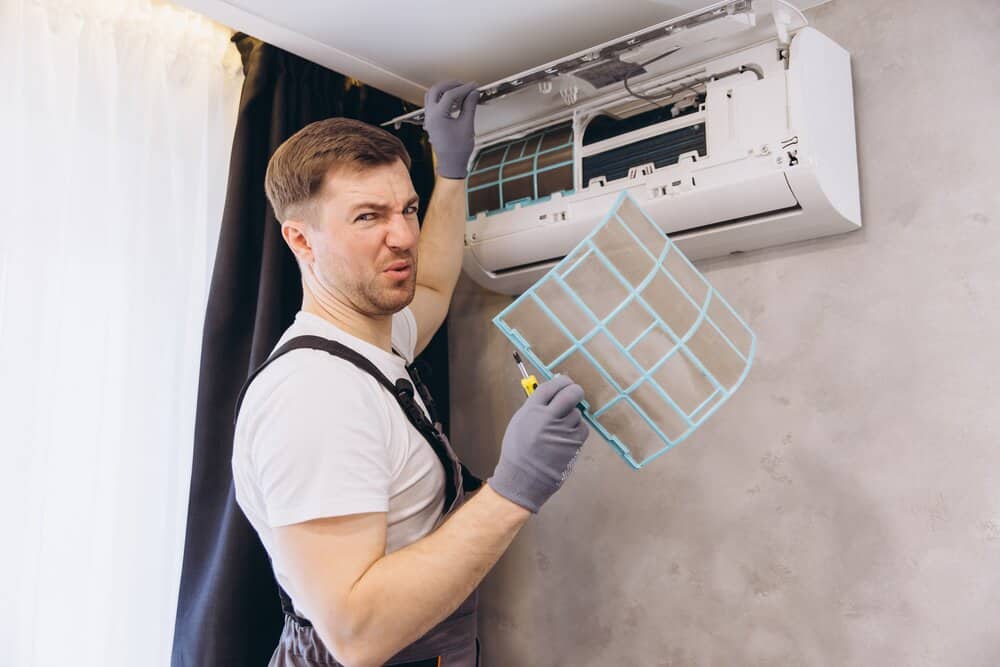
Cleaning your air filter often stops dust and dirt build-up. This keeps air flowing and your AC running smoothly. Clean filters help avoid health problems too.
- Turn off the AC before cleaning.
- Remove the filter carefully.
- Use a vacuum or wash with water if washable.
- Let the filter dry fully before putting it back.
- Clean filters every 1 to 3 months depending on use.
Choosing The Right Filter
Pick the right filter for your air conditioner to keep air clean and protect your unit. Filters come in different types and sizes.
| Filter Type | Description | Best For |
| Fiberglass | Basic filter, traps large particles | Low cost, light use |
| Pleated | More surface area, traps smaller particles | Homes with pets or allergies |
| HEPA | High-efficiency, traps very small particles | People with asthma or severe allergies |
Replacement Frequency
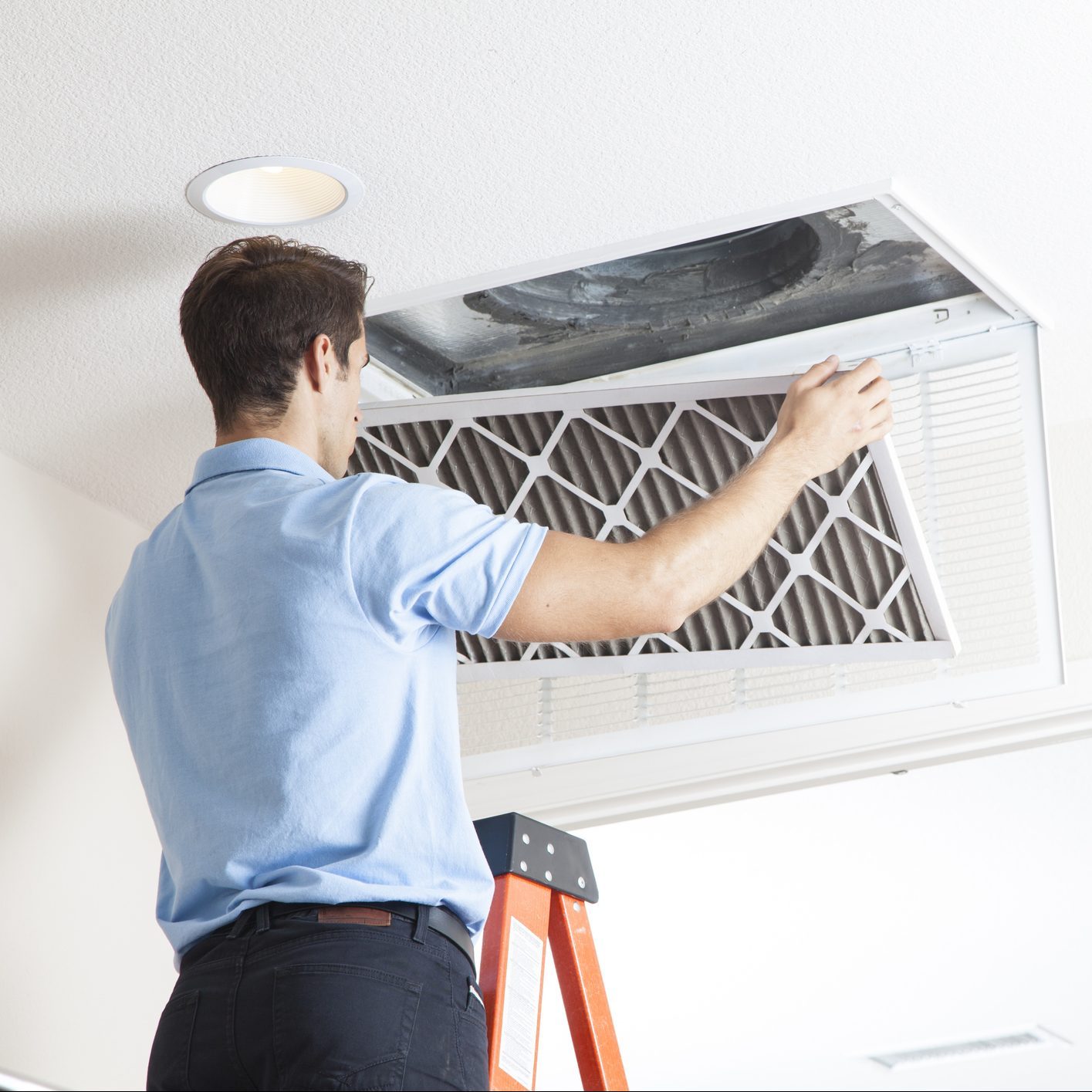
Replacing your filter on time keeps your AC running well. Old filters block airflow and lower air quality.
- Check the filter every month.
- Replace every 1 to 3 months for regular filters.
- Change HEPA filters every 6 to 12 months.
- Replace more often if you have pets or allergies.
- Follow the manufacturer’s guide for your model.
Credit: www.familyhandyman.com
Frequently Asked Questions
Can An Air Conditioner Run Without A Filter?
Yes, an air conditioner can run without a filter, but it is not recommended. Running without a filter allows dirt and debris to enter the system, causing damage and reducing efficiency. Filters protect the unit and improve indoor air quality.
What Happens If Ac Runs Without A Filter?
Running an AC without a filter leads to dust buildup on coils and components. This reduces cooling efficiency and can cause system malfunctions. Over time, it may increase energy consumption and repair costs. Filters help maintain optimal AC performance and longevity.
How Often Should Ac Filters Be Replaced?
AC filters should be replaced every 1 to 3 months, depending on usage and filter type. Regular replacement ensures clean air flow and efficient cooling. Dirty filters restrict airflow, making the system work harder and increasing energy bills.
Can No Filter Affect Indoor Air Quality?
Yes, running an AC without a filter significantly reduces indoor air quality. Dust, allergens, and pollutants circulate freely, causing health issues. Filters trap these particles, promoting cleaner, healthier air inside your home or office.
Conclusion
Running an AC without a filter can cause issues. Dust and debris may damage your system. This can lead to costly repairs. Filters are crucial for clean air. They keep your home healthy. Changing filters regularly is key. It improves air quality and system efficiency.
Your AC works better and lasts longer with a filter. Avoiding filters isn’t worth the risk. Protect your investment. Ensure your air is clean and fresh. Take simple steps for a healthy home. Save money and breathe easier. Keep your AC in top shape.
Replace the filter often.