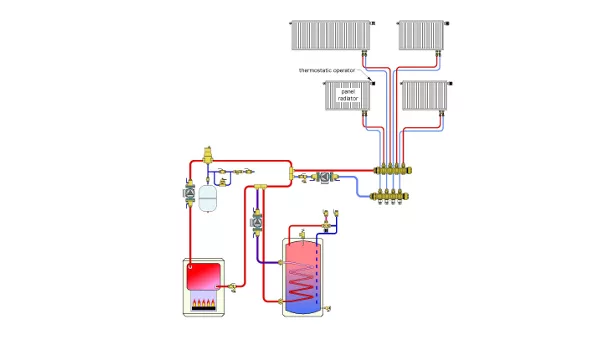
Are you wondering if hydronic gas fired boiler heating systems are outdated? You might think these systems belong to the past, but the truth could surprise you.
Understanding how they work and their benefits can change the way you see your home’s heating. You’ll discover whether these boilers still hold value or if it’s time to explore newer options. Keep reading to find out what’s best for your comfort and your wallet.
Hydronic Gas Boilers Today
Hydronic gas boilers are heating systems that use hot water. They send heat through pipes to warm a home or building. Some people think these systems are old-fashioned.
But modern hydronic gas boilers are different from older models. They have better technology and work more efficiently now.
Energy Efficiency Improvements
New hydronic gas boilers use less gas to make the same heat. This saves energy and lowers heating bills. They also produce less pollution.
- Improved burner technology
- Better insulation inside the boiler
- Advanced control systems for precise heating
Quiet And Comfortable Operation
Modern boilers run quietly compared to old models. They keep the temperature steady without big changes. This makes homes more comfortable.
Smart controls allow users to set heating schedules. Boilers adjust heat automatically to save energy.
Compact And Space-saving Designs
Today’s hydronic gas boilers are smaller and easier to install. They fit in tight spaces like closets or basements. This helps in homes with limited room.
Some models combine the boiler and water heater in one unit. This reduces the number of appliances needed.
Easy Maintenance And Long Life
Modern boilers require less maintenance than older ones. They have parts that last longer and are easy to replace. Regular checks keep them working well for years.
- Self-cleaning features reduce buildup
- Diagnostic systems alert about issues
- Durable materials resist corrosion
How Hydronic Systems Work
Hydronic heating systems use water to warm your home. The water heats up in a boiler. Then it flows through pipes to heat different rooms.
These systems provide steady and even heat. They use simple parts that work together to keep your space warm.
Heating The Water
The boiler burns gas to heat water. This hot water is the main source of heat in the system. The boiler controls the temperature to keep it safe and efficient.
Circulating The Water
A pump moves the hot water through pipes. These pipes run inside walls or floors to spread heat. The water cools as it travels, giving off warmth.
Heat Distribution Methods
- Radiators: Metal units that warm air around them.
- Baseboard Heaters: Long units along walls that radiate heat.
- In-floor Heating: Pipes under the floor heat the surface evenly.
Returning To The Boiler
After the water cools, it flows back to the boiler. The boiler heats it again to keep the cycle going. This process keeps your home warm all day.
Key Components Of Hydronic Systems
| Component | Function |
| Boiler | Heats the water using gas |
| Pump | Moves water through the pipes |
| Pipes | Carry hot water to heaters |
| Heaters | Release heat into rooms |
| Thermostat | Controls system temperature |
Efficiency Compared To Other Systems
Hydronic gas fired boiler heating systems have been used for many years. They still provide a reliable way to heat homes and buildings. This article looks at how efficient they are compared to other heating options.
Efficiency means how well a system converts fuel into heat. It also means how much energy is wasted. Understanding this helps you choose the right heating system for your needs.
How Hydronic Gas Boilers Work
Hydronic boilers heat water using natural gas. The hot water moves through pipes to radiators or floor tubes. This system warms rooms evenly and keeps heat longer than air systems.
Energy Efficiency Of Hydronic Boilers
Modern hydronic gas boilers can reach efficiency ratings of 85% to 95%. This means most of the gas energy turns into useful heat. Old boilers have lower efficiency, often below 80%.
- High-efficiency models use condensing technology.
- They capture heat from exhaust gases.
- This reduces wasted energy.
- Regular maintenance keeps efficiency high.
Comparison With Other Heating Systems
| Heating System | Typical Efficiency | Energy Source |
| Hydronic Gas Fired Boiler | 85% – 95% | Natural Gas |
| Electric Resistance Heating | 100% | Electricity |
| Heat Pumps | 200% – 400% | Electricity |
| Forced Air Gas Furnace | 78% – 98% | Natural Gas |
Benefits Of Hydronic Heating Efficiency
Hydronic systems offer steady heat and lower energy loss. They reduce drafts and cold spots in rooms. These benefits help save energy over time compared to some forced air systems.
Key points about hydronic boiler efficiency:
- Stable heat output improves comfort.
- Water holds heat longer than air.
- Lower fan and blower use saves electricity.
- Works well with renewable energy sources.

Credit: www.phcppros.com
Modern Features And Upgrades
Hydronic gas fired boiler heating systems have been around for many years. They still work well but now come with new features. These modern upgrades make them more efficient and easier to use.
Many old boilers can be updated to include these new technologies. This helps save energy and lowers heating costs. It also improves comfort in your home.
Smart Controls And Thermostats
Smart thermostats allow precise temperature control. They connect to Wi-Fi so you can adjust settings from your phone. This lets you save energy by heating only when needed.
- Remote temperature adjustment
- Scheduling heating times
- Energy usage reports
- Integration with smart home systems
Condensing Technology
Modern boilers use condensing technology to capture heat from exhaust gases. This lowers fuel use and reduces emissions. It helps the boiler run cleaner and saves money.
| Feature | Benefit |
| Condensing heat exchanger | Improves fuel efficiency by up to 15% |
| Sealed combustion chamber | Increases safety and air quality |
| Modulating burner | Adjusts flame size for precise heating |
Improved Safety Features
New safety sensors detect problems early. They shut down the boiler if there is a leak or overheating. This protects your home and family from harm.
- Flame failure detection
- Pressure and temperature sensors
- Automatic shut-off systems
- Carbon monoxide detectors integration
Energy Efficient Pumps And Valves
Upgraded pumps and valves use less electricity. They move water more efficiently through the system. This cuts down on energy waste and improves boiler performance.
| Upgrade | Energy Saving |
|---|---|
| Variable speed pump | Reduces electricity use by 30% |
| Smart zone valves | Heats only needed areas |
Energy Savings And Cost Benefits
Hydronic gas fired boiler heating systems are often seen as old technology. Yet, they still offer good energy savings. Many homes and buildings use them to save on heating costs.
These systems use hot water to heat spaces efficiently. They can reduce energy waste and lower monthly bills. Understanding their cost benefits helps in choosing the right heating method.
Energy Efficiency Of Hydronic Boilers
Hydronic boilers heat water that circulates through pipes and radiators. This method uses less energy than forced air systems. It keeps heat longer and spreads it evenly.
The boilers can reach high efficiency ratings. Modern models use gas very efficiently, cutting down fuel use. This saves energy while keeping homes warm and comfortable.
- Water holds heat better than air
- Less heat loss through ducts
- Boilers adjust heat output precisely
Lower Operating Costs
Hydronic gas boilers often cost less to run than electric or oil heating. Gas prices are usually lower and more stable. These systems also need less electricity to operate.
They require less maintenance, which cuts repair costs. Many boilers last for decades with simple care. This long life adds value and saves money over time.
- Lower fuel costs with natural gas
- Reduced electrical use for heating
- Long lifespan with minimal repairs
Cost Benefits Compared To Other Systems
Compared to electric or heat pump systems, hydronic boilers often save more money over years. Installation costs can be higher but payback comes from energy savings.
These systems provide steady heat with less energy. They also avoid drafts and cold spots seen in some heating types. This comfort adds to their cost value.
| Heating System | Fuel Cost | Efficiency | Maintenance Cost |
|---|---|---|---|
| Hydronic Gas Boiler | Low | High | Low |
| Electric Heater | High | Medium | Medium |
| Heat Pump | Medium | High | Medium |
Environmental Impact
Hydronic gas fired boiler heating systems have been used for many years. Their effect on the environment is important to understand. This helps to know if they are still a good choice today.
This section looks at how these systems impact air quality, energy use, and emissions. It will show the pros and cons in simple terms.
Air Quality Effects
Gas boilers burn natural gas to create heat. This process releases carbon dioxide and small amounts of other gases. These gases can affect the air inside and outside homes.
Older boilers may not burn fuel as cleanly. This can lead to more pollution in the air. Newer models have better controls to reduce this problem.
Energy Efficiency
Older hydronic boilers often use more energy than modern ones. This means they burn more gas to produce the same amount of heat. Higher energy use can increase environmental harm.
- Older boilers may have efficiency below 80%
- Newer boilers reach efficiencies above 90%
- Better insulation and controls save energy
- Regular maintenance keeps boilers efficient
Carbon Emissions
Carbon emissions from gas boilers contribute to climate change. Older systems tend to emit more carbon per unit of heat. Reducing these emissions is key to protecting the environment.
| Boiler Type | Typical Efficiency | Carbon Emissions (kg CO2/year) |
| Old Hydronic Gas Boiler | 75% | 4000 |
| Modern Gas Boiler | 95% | 2500 |
| Electric Heat Pump | 300% (COP) | 500 |
Water Usage And Waste
Hydronic systems use water to carry heat. Old systems may leak or waste water. Proper care reduces water waste and environmental impact.
Tips to reduce water waste:
- Fix leaks quickly
- Use water treatment to prevent corrosion
- Regularly check system pressure
- Flush system to remove buildup
Common Myths About Hydronic Heating
Hydronic gas-fired boiler heating systems have been around for many years. Some people think they are old-fashioned and not efficient anymore.
This article clears up common myths about hydronic heating. It shows how these systems work well today.
Myth: Hydronic Systems Are Outdated
Many believe hydronic heating is old technology. The truth is, modern boilers are very efficient and use less energy. They meet today’s heating needs.
Myth: Hydronic Heating Is Slow To Warm Up
Some say hydronic heating takes too long to heat a room. Actually, it provides steady and even warmth. This avoids cold spots and drafts.
Myth: Hydronic Systems Are Hard To Control
People think hydronic heating lacks good controls. Today’s systems come with smart thermostats. These let you set temperatures easily and save energy.
Myth: Hydronic Heating Is Expensive To Maintain
Many fear high maintenance costs. Hydronic boilers need simple yearly checks. Proper care keeps them running smoothly for years.
- Annual inspection by a technician
- Cleaning of the boiler parts
- Checking water pressure and leaks
- Replacing worn-out parts when needed
Myth: Hydronic Heating Is Not Flexible
Some think hydronic systems only work in one way. They can use different heat sources and pipe types. This makes them very flexible for many homes.
| Myth | Fact |
| Hydronic is outdated | Modern boilers are efficient |
| Slow to heat rooms | Heats evenly and steadily |
| Hard to control | Smart thermostats available |
| Expensive maintenance | Simple yearly care needed |
| Not flexible | Works with many setups |
Ideal Applications For Hydronic Boilers
Hydronic gas fired boiler heating systems use water to spread heat. This method is efficient and long-lasting.
Many buildings use hydronic boilers for heating. They work well in different places and needs.
Residential Homes
Hydronic boilers are common in houses. They heat water and send it through pipes to warm rooms.
They give steady heat without dry air. This helps people feel comfortable in cold months.
Large Buildings
Large buildings like schools and offices use hydronic boilers. These systems handle big heating jobs well.
They spread heat evenly, which keeps many rooms warm at once. This saves energy and money.
Buildings With Radiant Floor Heating
Hydronic boilers work great with radiant floor heating. Warm water flows through pipes under the floor.
This heats the floor and the room above it. It feels cozy and uses less energy than some other methods.
Commercial Spaces With High Heat Demand
Stores, hotels, and hospitals need strong heating systems. Hydronic boilers provide reliable heat for these places.
They can run for many hours and keep the temperature stable. This is important for comfort and safety.
Buildings Requiring Zonal Heating
Hydronic systems allow zonal heating. Each area can have its own temperature setting.
This saves energy by heating only the rooms in use. It also adds more control for occupants.
Maintenance And Longevity
Hydronic gas fired boiler heating systems have been used for decades. They can last a long time if cared for properly. Good maintenance helps keep them running safely and efficiently.
Many people wonder if these systems are old technology. While newer models exist, regular upkeep can extend the life of any boiler. This guide explains key points about maintenance and how to make boilers last.
Regular Inspection And Cleaning
Inspect your boiler yearly to find any issues early. Cleaning removes dirt and buildup that reduce efficiency. Look for leaks, corrosion, and soot inside the boiler.
- Check pressure and temperature gauges
- Clean burner and heat exchanger
- Look for water leaks or rust spots
- Test safety controls and valves
Proper Water Quality
Water quality affects boiler health. Hard water causes scale buildup that blocks heat transfer. Use water softeners or chemical treatments to reduce minerals and corrosion.
| Water Problem | Effect on Boiler | Solution |
| Hard Water | Scale buildup on heat exchanger | Water softener or conditioner |
| Corrosive Water | Rust and metal damage | Chemical inhibitors |
| Low Water Level | Overheating and damage | Regular level checks and refill |
Timely Repairs And Part Replacement
Fix small problems quickly to avoid big damage. Replace worn parts like gaskets and valves. A working system runs safer and lasts longer.
- Repair leaks immediately
- Replace faulty thermostats
- Change worn pumps or motors
- Schedule professional servicing every few years

Credit: www.supplyht.com
Choosing The Right System
Hydronic gas fired boiler heating systems have been used for many years. Some people wonder if they are old-fashioned. Choosing the right system depends on your needs and home setup.
This guide will help you understand if a hydronic gas boiler is right for your heating needs. It covers key points to consider before making a decision.
Efficiency And Energy Use
Hydronic boilers heat water and send it through pipes to warm your home. They can be very efficient if maintained well. Newer models use less gas and save energy.
Installation And Space Needs
Installing a hydronic gas boiler requires space for the boiler and piping. It needs professional setup. Some homes may not have enough room or the right layout.
Cost And Maintenance
Hydronic gas boilers cost more to install than some other heating systems. Maintenance is important to keep them running well. Regular checks prevent issues and extend lifespan.
- Initial installation can be costly
- Annual maintenance is needed
- Repairs may require specialist parts
- Energy savings can lower bills over time
Gas boilers produce carbon emissions. New models meet stricter standards to reduce pollution. Some users choose boilers that can use renewable fuels or combine with solar systems.
| Factor | Hydronic Gas Boiler | Other Systems |
| Energy Efficiency | High with modern models | Varies widely |
| Installation Cost | Moderate to high | Low to moderate |
| Maintenance | Regular required | Depends on system |
| Environmental Impact | Moderate | Low to high |

Credit: www.achrnews.com
Frequently Asked Questions
What Is A Hydronic Gas-fired Boiler System?
A hydronic gas-fired boiler system uses water to distribute heat. It heats water using natural gas. The heated water circulates through pipes to radiators or underfloor systems. This provides efficient and consistent heating. It’s often used for residential and commercial heating needs.
Are Hydronic Gas-fired Boilers Energy Efficient?
Yes, hydronic gas-fired boilers are energy efficient. They use water’s thermal properties to retain heat longer. This reduces energy consumption. Modern models often have high-efficiency ratings. This can lower energy bills and environmental impact. Regular maintenance enhances efficiency and prolongs system lifespan.
How Long Do Hydronic Boilers Last?
Hydronic boilers typically last 15 to 20 years. Their lifespan depends on maintenance and usage. Regular servicing can extend their longevity. Over time, efficiency may decrease. Replacing an old boiler can offer better performance and energy savings. Always consult a professional for maintenance advice.
Are Hydronic Heating Systems Safe?
Yes, hydronic heating systems are generally safe. They use water, reducing fire risk compared to other systems. Proper installation and regular maintenance are crucial. This prevents leaks and ensures efficient operation. Always hire certified professionals for installation and repairs to maintain safety standards.
Conclusion
Hydronic gas fired boiler systems are not outdated. They still offer reliable and efficient heating for many homes. These systems use water to spread heat evenly and keep rooms warm. They also save energy compared to some other heating methods.
People appreciate their quiet operation and long lifespan. While newer technologies exist, hydronic boilers remain practical and cost-effective. Choosing the right heating depends on your home and needs. This system continues to serve well in cold climates. It is a solid choice for comfortable heating today.