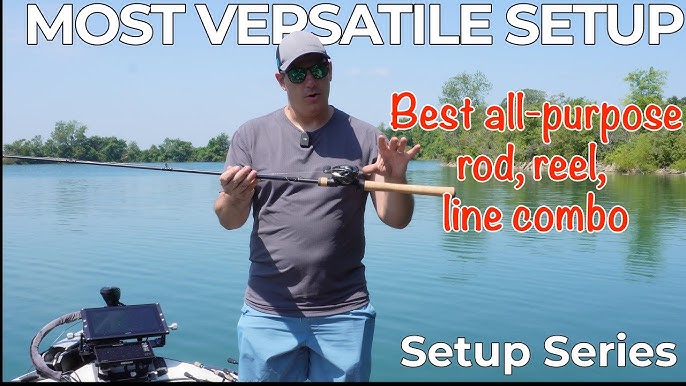
When it comes to bass fishing, the right line can make all the difference between a great catch and an empty hook. You want a line that’s strong, sensitive, and reliable—something that matches your style and the conditions you face.
But with so many options out there, how do you choose the best one for your next fishing trip? Keep reading, because we’re breaking down exactly what you need to know to pick the perfect bass fishing line that will boost your chances of landing that trophy bass.
Your next big catch is closer than you think.
Types Of Bass Fishing Lines
Choosing the right fishing line is important for bass fishing. Different lines have different strengths and uses. Understanding the types helps you pick the best one for your needs.
There are three main types of fishing lines used for bass: monofilament, fluorocarbon, and braided lines. Each has its own features and benefits.
Monofilament Lines
Monofilament line is made from a single strand of nylon. It is soft, flexible, and easy to handle. This line stretches well, which can help absorb the shock from a bass bite.
Monofilament is good for beginners because it knots easily. It also floats on water, making it useful for topwater lures. However, it can wear out faster in sunlight.
Fluorocarbon Lines
Fluorocarbon line is made from a special plastic that is hard to see underwater. This makes it great for clear water fishing. Bass are less likely to notice the line.
Fluorocarbon sinks faster than monofilament. It is also more resistant to abrasion. This line is less stretchy, so you get better hook sets.
- Low visibility in water
- Good abrasion resistance
- Sinks quickly
- Less stretch than monofilament
Braided Lines
Braided line is made by weaving many thin fibers together. It is very strong and thin for its strength. This lets you use heavier line without adding bulk.
Braided line does not stretch much. This helps you feel small bites from bass. It floats on water and is very durable against rough spots and weeds.
- High strength and thin diameter
- Low stretch for better sensitivity
- Floats on water surface
- Very durable and abrasion resistant

Credit: bassonline.com
Choosing Line Strength
Picking the right line strength is key for bass fishing success. The line must be strong enough to handle the bass without breaking.
Choosing the correct pound test helps you catch bass more easily and keeps your tackle in good shape.
Pound Test Options
Pound test means the strength of the fishing line. It shows how many pounds the line can hold before it breaks.
- 6-8 lb test: Best for small bass and light cover.
- 10-12 lb test: Good for average bass size and general fishing.
- 14-17 lb test: Works well in heavy cover and bigger bass.
- 20+ lb test: Used for very large bass and tough fishing spots.
Matching Line To Bass Size
Different bass sizes need different line strengths. Use the right test to avoid losing fish or snapping your line.
| Bass Size | Recommended Pound Test |
| Small bass (1-3 lbs) | 6-8 lbs |
| Medium bass (3-6 lbs) | 10-12 lbs |
| Large bass (6-10 lbs) | 14-17 lbs |
| Extra large bass (10+ lbs) | 20+ lbs |
Line Diameter And Visibility
Choosing the right fishing line for bass depends a lot on its diameter and how visible it is in the water. These factors affect how the bass reacts to your bait and how well you can cast your line.
A thinner line usually has less visibility and better casting ability. But thicker lines can be stronger and resist abrasion better.
Impact On Casting Distance
Line diameter affects how far you can cast. Thin lines cause less air resistance and flow smoothly through the guides. This helps you cast longer distances.
Thicker lines add more weight and friction. This can shorten your casting distance. Using a thinner line can help you reach spots farther from the shore or boat.
- Thin line = longer casts
- Thick line = shorter casts
- Smooth line helps distance
- Line type also affects casting
Stealth In Clear Water
Bass can see fishing line in clear water. A thin line is less visible and helps you stay hidden. This increases your chances of catching bass.
Using a clear or low-visibility line helps too. It blends with the water and reduces the chance of spooking the fish.
- Thin line reduces visibility
- Clear or fluorocarbon lines are best
- Thick, colored lines can scare bass
- Match line color to water clarity
Line Stretch And Sensitivity
Choosing the right fishing line for bass can affect your catch. Two key factors are line stretch and sensitivity. These affect how you feel the fish and how well you control your bait.
Understanding line stretch and sensitivity helps you pick the best line. It also improves your chances of a successful catch.
Benefits Of Stretch
Line stretch means the line can stretch under pressure. This stretch acts like a shock absorber. It helps prevent the line from breaking when a fish pulls hard.
Lines with more stretch give a little extra time to react. They also protect your rod and reel from sudden jerks.
- Absorbs sudden fish strikes
- Reduces chance of line break
- Protects fishing gear from damage
- Allows gentle pressure on fish
When Sensitivity Matters
Sensitivity is how well you feel the fish’s movements through the line. Less stretch means higher sensitivity. You can detect even small bites quickly.
High sensitivity helps you set the hook at the right time. It also improves your control over the lure and bait.
- Detects light bites faster
- Improves hook setting
- Enhances lure control
- Helps feel bottom structure
Best Line For Different Techniques
Choosing the right fishing line is key to catching more bass. Different techniques need different types of lines. The best line depends on how you fish.
This guide covers the best lines for flipping and pitching, topwater fishing, and deep water bass fishing. Use the right line to improve your chances.
Flipping And Pitching
Flipping and pitching need strong and sensitive lines. These techniques use short, precise casts into heavy cover. The line must handle heavy brush and roots.
Braided line works best here. It has high strength and low stretch. This helps you feel bites better and pull fish out of thick cover.
- Braid offers strong hook sets and durability
- Use 50-65 lb test for heavy cover
- Attach a fluorocarbon leader to reduce visibility
Topwater Fishing
Topwater fishing uses surface lures that bass see easily. You need a line that is light and less visible. This helps make natural presentations.
Fluorocarbon line is a good choice. It sinks slowly and is nearly invisible in water. It also resists abrasion from weeds and rocks.
- Fluorocarbon is clear and hard to see
- Use 12-17 lb test for good sensitivity
- Monofilament can work for more stretch and float
Deep Water Bass Fishing
Deep water bass fishing needs lines that can reach far and hold up in pressure. You want lines with good strength and low stretch for long casts.
Fluorocarbon is popular for deep water. It sinks well and is tough against underwater obstacles. Braided line with a fluorocarbon leader also works well.
- Fluorocarbon sinks fast and resists abrasion
- Use 15-20 lb test for most deep water fishing
- Braid plus fluorocarbon leader improves casting distance
Line Maintenance Tips
Taking care of your fishing line helps you catch more bass. A well-maintained line stays strong and lasts longer.
Regular checks and proper storage keep your line in good shape. Changing old line improves your fishing experience.
Checking For Wear
Look at your fishing line often to find any damage. Small cuts or frays can make the line weak.
Run the line through your fingers to feel for rough spots or thin areas. These signs mean the line needs attention.
- Check for discoloration or stiffness
- Look for cracks or splits in the line
- Notice if the line feels rough or sticky
Proper Storage
Keep your fishing line in a cool, dry place away from sunlight. Heat and sun can weaken the line over time.
Store the line on your reel or in a spool to avoid tangles and knots. Avoid tight bends that can cause damage.
- Use a sealed container to keep moisture out
- Do not store line near chemicals or oils
- Keep line away from sharp objects
Replacing Old Line
Replace your fishing line after several uses or if it shows damage. Old line breaks easier and lowers your catch rate.
Change the line at least once a year if you fish often. Fresh line gives better casting and more strength.
- Remove all old line from your reel
- Choose the right type and strength for bass fishing
- Spool the new line evenly to avoid tangles
Common Mistakes To Avoid
Choosing the right line for bass fishing is important. Many anglers make simple mistakes that hurt their success. Knowing what to avoid helps you catch more fish.
This guide covers three common mistakes about fishing line. Avoid these errors to improve your bass fishing experience.
Using The Wrong Line Type
Many anglers pick the wrong fishing line for bass. Each line type has strengths and weaknesses. The wrong choice can cause lost fish and frustration.
- Monofilament lines stretch but can weaken over time.
- Fluorocarbon lines are less visible but cost more.
- Braid lines are very strong but can be hard to handle.
Ignoring Water Conditions
Water clarity and type affect line choice. Clear water needs less visible lines. Murky water allows for stronger, thicker lines. Ignoring this leads to fewer bites.
| Water Condition | Recommended Line Type | Reason |
|---|---|---|
| Clear water | Fluorocarbon | Low visibility to avoid spooking fish |
| Murky water | Braid or Monofilament | Stronger and more abrasion resistant |
| Weedy or rocky areas | High abrasion resistance line | Prevents line breakage |
Overlooking Rod And Reel Compatibility
Not all lines work well with every rod and reel. Using a line too heavy or too light can cause casting and retrieval problems. This reduces fishing efficiency.
Check these tips to match line, rod, and reel:
- Read the rod’s recommended line weight on the blank.
- Choose a reel that handles your line’s strength.
- Test casting to ensure smooth performance.
- Replace line if it causes tangles or breaks easily.

Credit: www.gameandfishmag.com
Recommended Brands And Products
Choosing the right fishing line is key for a successful bass fishing trip. Different lines suit different fishing styles and water conditions.
This guide covers popular brands and products in monofilament, fluorocarbon, and braided lines. Each type offers unique benefits for bass fishing.
Top Monofilament Lines
Monofilament lines are flexible and easy to handle. They stretch well and absorb shocks, making them good for beginners and general use.
- Stren Original – Known for strength and smooth casting
- Berkley Trilene XL – Offers good knot strength and low memory
- Maxima Ultragreen – Durable and abrasion-resistant
- Spiderwire Stealth – Clear and strong, good for clear water
Popular Fluorocarbon Options
Fluorocarbon lines are nearly invisible underwater. They sink faster and resist abrasion well. Ideal for clear water and finicky bass.
| Brand | Line Strength | Key Feature |
| Seaguar InvizX | 8-20 lbs | Clear and sensitive |
| Sunline Super FC Sniper | 10-30 lbs | Strong and abrasion-resistant |
| Berkley Vanish | 6-20 lbs | Good knot strength |
| Spiderwire Fluoro-Green | 10-25 lbs | Highly visible for line control |
Best Braided Lines
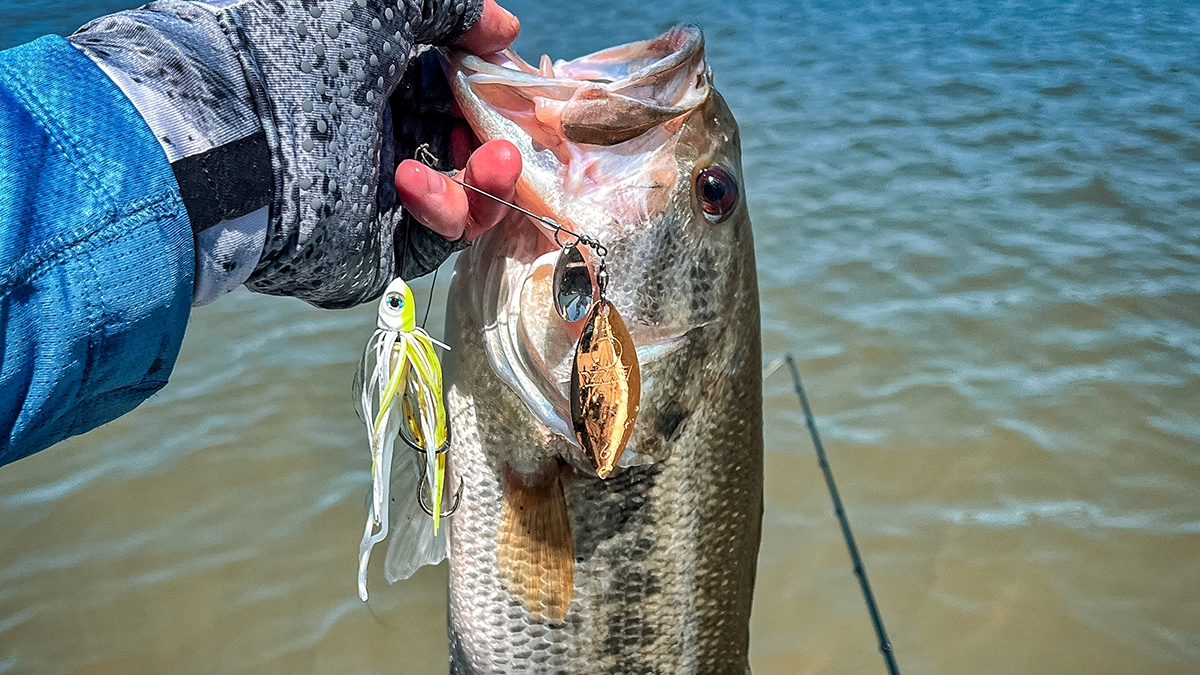
Braided lines have no stretch and high strength. They hold up well in heavy cover and let you feel every bite.
Popular braided lines include:
- PowerPro Spectra Fiber – Strong and smooth
- Spiderwire Stealth – Thin diameter, high strength
- Sunline Super PE – Durable and abrasion-resistant
- Berkley FireLine – Good for heavy cover fishing
Credit: www.wired2fish.com
Frequently Asked Questions
What Is The Best Fishing Line For Bass Fishing?
The best fishing line for bass fishing is fluorocarbon. It offers low visibility, high sensitivity, and excellent abrasion resistance, helping you catch more bass.
Should I Use Braided Or Monofilament Line For Bass?
Braided line provides strength and sensitivity, ideal for heavy cover. Monofilament is stretchier and better for topwater lures and clear water conditions.
What Line Strength Is Ideal For Bass Fishing?
A 10-20 lb test line is perfect for most bass fishing situations. It balances strength and finesse for various bass sizes and water types.
How Does Line Diameter Affect Bass Fishing?
Thinner diameter lines offer better casting distance and sensitivity. However, thicker lines provide more strength and abrasion resistance around heavy cover.
Conclusion
Choosing the right line is crucial for bass fishing success. Different lines suit different conditions. Monofilament is versatile and easy to use. Braided lines offer strength for heavy cover. Fluorocarbon is nearly invisible underwater. Each has its own benefits. Consider water clarity and fish behavior.
Match the line to your fishing style. Experiment to find what works best for you. Remember, practice helps improve your technique. Happy fishing, and may you catch plenty of bass!