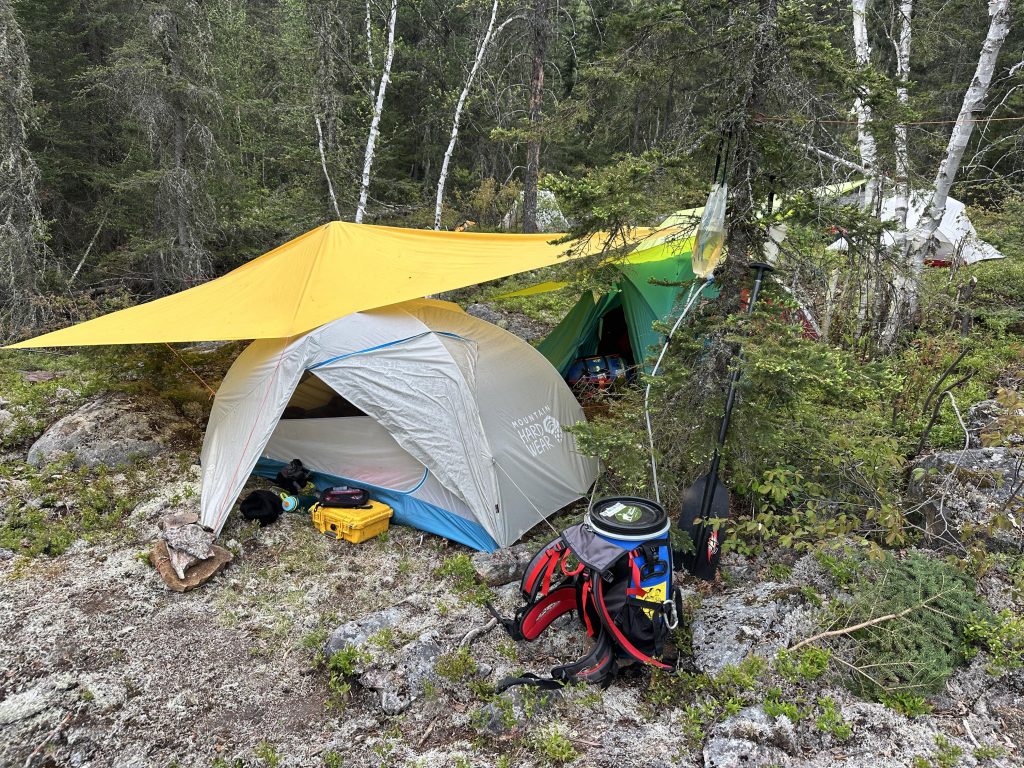
Your tent is your shelter when you’re out in nature. But what happens when it starts leaking?
A wet tent can ruin your trip and leave you uncomfortable. The good news is, you don’t need to buy a new one. You can re-waterproof your tent and keep it dry for many adventures to come. You’ll learn simple, effective steps to restore your tent’s waterproofing.
By the end, you’ll know exactly how to protect your gear and enjoy the outdoors without worrying about rain. Ready to save your tent and stay dry? Let’s get started.
Signs Your Tent Needs Re-waterproofing
Knowing when to re-waterproof your tent helps keep you dry outdoors. Tents lose their waterproof ability over time and use.
Look for clear signs that show your tent needs new waterproof coating. This guide explains what to watch for.
Leaks And Damp Spots
Water leaking inside your tent is a clear sign it needs re-waterproofing. Damp spots on the floor or walls show moisture is getting in.
- Wet patches on the tent floor after rain
- Dripping water from seams or zippers
- Condensation that feels like leaks
- Water pooling inside the tent corners
Fabric Wear And Tear
Tears and worn fabric reduce waterproof protection. Check your tent fabric for damage that lets water pass through.
| Fabric Condition | Effect on Waterproofing |
| Small holes or rips | Water can seep inside |
| Frayed or thin areas | Less water resistance |
| Discoloration or stiffness | Coating may be worn off |
Aging Waterproof Coating
Over time, the waterproof coating on your tent fades. Old coating stops beads of water from forming and rolling off.
Signs of aging coating include:
- Water soaking into fabric instead of beading
- Sticky or rough feeling on the tent surface
- Fading or cracking of the coating layer
Choosing The Right Waterproofing Products
Re waterproofing a tent keeps it dry and safe during wet weather. Picking the right product matters for good protection.
Different waterproofing sprays work better for various materials and uses. Learn about the options before you buy.
Types Of Waterproof Sprays
Waterproof sprays come in many types. They include silicone sprays, polyurethane sprays, and durable water repellent (DWR) treatments.
Each type has strengths and fits different fabrics. Some sprays add a protective layer, while others change the fabric’s surface.
- Silicone sprays create a strong water barrier.
- Polyurethane sprays add a thick coating.
- DWR treatments make water bead and roll off.
Silicone Vs. Dwr Treatments
Silicone sprays work well on many fabrics. They form a flexible, waterproof layer that lasts long. But they can make fabric less breathable.
DWR treatments keep fabric breathable. They cause water to bead and slide off. DWR needs reapplication after many uses or washes.
- Silicone: strong, long-lasting, less breathable
- DWR: breathable, water-repellent, needs reapplication
Eco-friendly Options
Some waterproof sprays use eco-friendly ingredients. These products avoid harmful chemicals and protect nature.
Look for sprays labeled biodegradable or non-toxic. They protect your tent without hurting the environment or your health.
- Biodegradable sprays break down naturally
- Non-toxic sprays avoid harmful chemicals
- Safe for plants, animals, and water sources
Preparing Your Tent For Waterproofing
Waterproofing a tent keeps you dry during rain. Before applying new waterproofing, prepare your tent well. Proper preparation helps the waterproof coating stick better.
Cleaning, drying, and repairing your tent are key steps. These actions remove dirt and fix damage that stop waterproofing from working well.
Cleaning The Tent Fabric
Remove all dirt and stains from the tent fabric. Use mild soap and lukewarm water. Avoid strong detergents that can damage the material.
- Set up the tent or spread it flat.
- Use a soft brush or sponge to clean.
- Rinse the fabric thoroughly with clean water.
- Do not use a washing machine or harsh chemicals.
Drying Completely
Dry the tent fully before waterproofing. Moisture trapped inside can cause mold and reduce waterproofing effect.
Air dry the tent in a shaded, well-ventilated area. Avoid direct sunlight, which can weaken the fabric.
Repairing Holes And Seams
Fix any holes or broken seams before waterproofing. Small tears let water in and lower protection.
| Repair Type | Method |
| Small Holes | Use tent repair tape on clean, dry fabric |
| Large Tears | Patch with fabric and waterproof adhesive |
| Broken Seams | Sew carefully and seal with seam sealer |

Credit: www.reddit.com
Step-by-step Waterproofing Process
Waterproofing your tent helps keep it dry and safe from rain. Over time, tents lose their water resistance. You can fix this by reapplying a waterproof coating.
This guide shows you simple steps to make your tent waterproof again. Follow each step carefully for the best results.
Applying Waterproof Spray
Start by cleaning your tent well. Make sure it is dry before spraying. Use a waterproof spray designed for tents or outdoor gear.
Hold the spray can about 6 to 8 inches from the fabric. Spray evenly across the surface in a smooth motion. Cover all areas that need waterproofing.
Using A Brush Or Sponge
For better coverage, use a soft brush or sponge to spread the waterproof coating. This helps the product soak into the fabric evenly.
Gently brush or dab the spray on the tent fabric. Work in small sections for complete coverage. Avoid scrubbing too hard to prevent damage.
Multiple Coats For Durability
Apply more than one coat of waterproof spray to increase protection. Let each coat dry fully before adding the next one.
- Wait at least 30 minutes between coats
- Apply 2 to 3 coats for strong waterproofing
- Dry the tent completely before packing it away
Waterproofing Tent Seams
Waterproofing tent seams keeps water out during rain. Seams are the weakest spots on a tent. Proper care stops leaks and extends tent life.
Seam waterproofing uses methods like taping and sealants. These create barriers that block water. Let’s explore some easy ways to protect your tent seams.
Seam Taping Techniques
Seam taping covers stitched areas with special tape. This tape blocks water from entering tiny holes. It works well on tents with factory-taped seams or when re-waterproofing.
- Clean the seams and let them dry fully.
- Cut tape strips to fit each seam length.
- Use a clean cloth to press tape firmly onto seams.
- Apply heat carefully to activate adhesive if needed.
- Let tape cure according to product instructions.
Using Seam Sealants
Seam sealants fill gaps and stitch holes with a flexible coating. They dry clear and keep seams waterproof while allowing fabric to breathe. Sealants work on many tent materials.
| Sealant Type | Best For | Dry Time |
| Silicone-based | Polyester tents | 24 hours |
| Polyurethane-based | Nylon tents | 12 hours |
| Water-based | All tent fabrics | 6-8 hours |
Ensuring Long-lasting Seals
Proper sealing lasts longer and protects better. Regular checks keep seams strong and dry. Clean surfaces, avoid stretching fabric, and store tents dry for best results.
- Clean and dry tent seams before applying any product.
- Use correct sealant or tape for your tent fabric.
- Apply sealant evenly and cover all stitching holes.
- Allow full drying or curing time as per instructions.
- Store tent in a cool, dry place after use.
- Check seams yearly and reapply sealants if needed.

Credit: www.reddit.com
Drying And Curing After Treatment
After re-waterproofing your tent, drying and curing are vital steps. These steps help the waterproof coating set properly. This ensures your tent stays dry in wet weather.
Proper care during this phase increases the life of the waterproof treatment. It also keeps the fabric strong and flexible.
Optimal Drying Conditions
Dry your tent in a place with good air flow and moderate temperature. Avoid damp or humid areas. The fabric needs air to dry evenly and fully.
- Choose a shaded, well-ventilated spot
- Keep the tent spread out flat or hung loosely
- Avoid folding or bunching the fabric
- Keep pets and dust away
Avoiding Direct Sun Damage
Direct sunlight can weaken tent fabric and waterproof coatings. It can cause colors to fade and the material to dry too fast. This may lead to cracks in the coating.
| Risk | Effect | Solution |
| UV Rays | Weaken fabric fibers | Dry in shade |
| Heat | Crack waterproof coating | Use moderate temperature |
| Fast Drying | Uneven cure | Allow slow, even drying |
Time Needed For Full Cure
The waterproof coating needs time to fully cure after drying. This time lets it bond well with the fabric. Rushing this step can reduce waterproof performance.
- Allow at least 24 hours of drying time
- Check the tent for tacky or wet spots
- Keep tent indoors or in a dry place after drying
- Wait 48 to 72 hours for full curing before use
Maintaining Waterproofing Over Time
Tents lose waterproofing as you use them. Rain and sun wear down the fabric and coatings. Keeping your tent waterproof takes care and regular attention.
This guide covers cleaning, spot treatments, and storage tips. Follow these to keep your tent dry on every trip.
Regular Cleaning Tips
Cleaning your tent removes dirt and oils that break down waterproof layers. Use gentle methods to protect the fabric.
- Shake out dirt and debris before cleaning
- Use a soft brush or sponge with mild soap
- Rinse well with cold water
- Do not use bleach or strong detergents
- Dry your tent fully in shade before storing
Spot Treatments
Small holes or worn spots can cause leaks. Fix them quickly to keep water out. Use waterproof patches or sealants made for tents.
| Damage Type | Recommended Treatment | Dry Time |
| Small holes under 1 cm | Waterproof tape patch | 24 hours |
| Larger tears | Fabric repair patch with glue | 48 hours |
| Worn seam areas | Seam sealer application | 12 hours |
Storage Best Practices
Proper storage stops damage to waterproof coatings. Keep your tent dry and cool between uses.
- Always dry your tent completely before packing
- Store in a breathable bag, not plastic
- Keep in a cool, dark place away from heat
- Do not leave folded tightly for months
- Air it out occasionally to prevent mold
Credit: alpkit.com
Common Waterproofing Mistakes To Avoid
Waterproofing your tent keeps you dry in wet weather. Many people make avoidable mistakes. These errors reduce the effectiveness of the waterproofing treatment.
Learn about common waterproofing mistakes. Avoid them to protect your tent better and extend its life.
Overusing Products
Applying too much waterproofing spray or solution can cause problems. It creates sticky or stiff fabric. This can attract dirt and reduce breathability.
- Use the recommended amount on the product label.
- Apply in thin, even layers instead of heavy coats.
- Let each layer dry fully before applying another.
- Test spray on a small area first to check results.
Ignoring Fabric Type
Tent fabrics vary in material and coating. Some need special waterproofing treatments. Using the wrong product can damage fabric or lower protection.
| Fabric Type | Recommended Waterproofing |
| Nylon | Silicone-based spray or waterproof solution |
| Polyester | Fluorocarbon or silicone treatments |
| Cotton Canvas | Wax-based or oil-based products |
| Polyurethane Coated | Water-based sprays only |
Skipping Repairs Before Treatment
Waterproofing works best on tents without holes or tears. Applying treatment over damage wastes product and fails to stop leaks.
Before waterproofing, check your tent for:
- Small holes or punctures
- Loose stitching or seams
- Rips or tears in fabric
Fix these issues with patch kits or seam sealers. Then apply your waterproofing product.
Frequently Asked Questions
How Do I Know If My Tent Needs Waterproofing?
If your tent leaks during rain or has a damp interior, it might need waterproofing. Check for worn-out seams or faded fabric. Inspect the rainfly and tent floor. Regular maintenance helps ensure durability and performance.
What Materials Do I Need For Re-waterproofing?
You’ll need seam sealer, a waterproofing spray, and a clean cloth. Also, have a sponge or soft brush ready. These tools help restore your tent’s water resistance effectively.
How Often Should I Re-waterproof My Tent?
Re-waterproof your tent every year or after extensive use. Regular maintenance prolongs the tent’s lifespan. Check after trips in harsh weather. Proper care ensures optimal performance during camping adventures.
Can I Waterproof A Tent In Cold Weather?
Yes, but it’s less effective. Cold weather slows drying time for waterproofing products. It’s best to re-waterproof in warm, dry conditions. This ensures the treatment bonds well with the tent fabric.
Conclusion
Re waterproofing a tent keeps it dry and ready for use. Regular care extends your tent’s life and saves money. Follow the steps carefully for the best results. A dry tent makes camping more comfortable and safe. Take time to inspect your tent before each trip.
Small fixes now prevent big problems later. Enjoy your outdoor adventures without worrying about rain. Stay prepared and protect your gear from water damage. Your efforts will pay off with many dry nights ahead.