Summer heat can quickly turn your home into an uncomfortable space. You might be wondering, what’s the perfect temperature to set your air conditioner to stay cool without wasting energy?
Finding the right balance can save you money and keep you feeling fresh all day long. You’ll discover simple tips to set your AC just right, making your summer more comfortable and your bills less stressful. Keep reading to learn how a small change can make a big difference for you and your home.
Ideal Temperature Settings
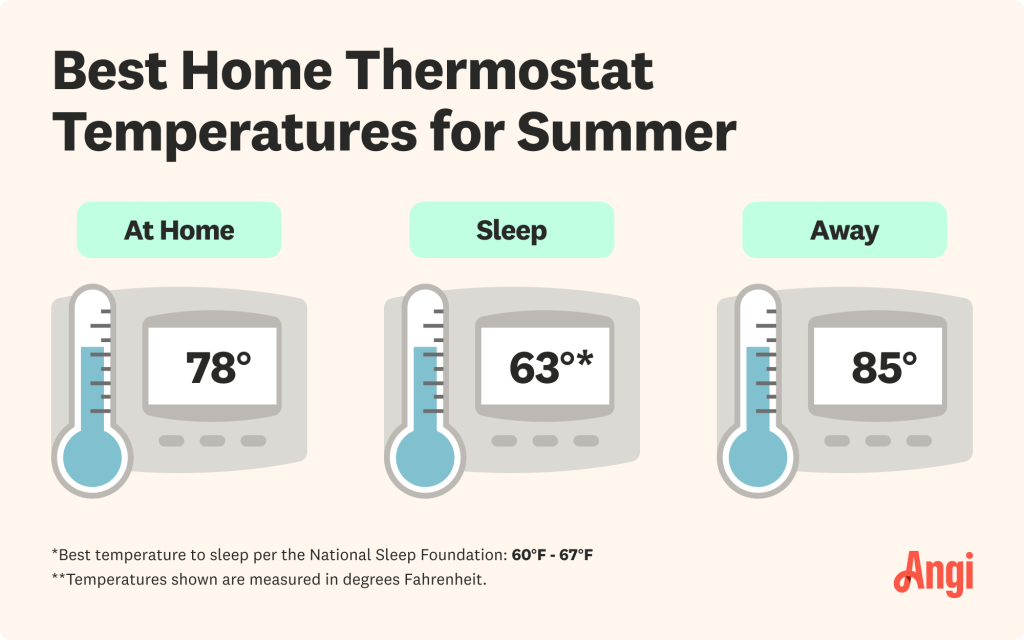
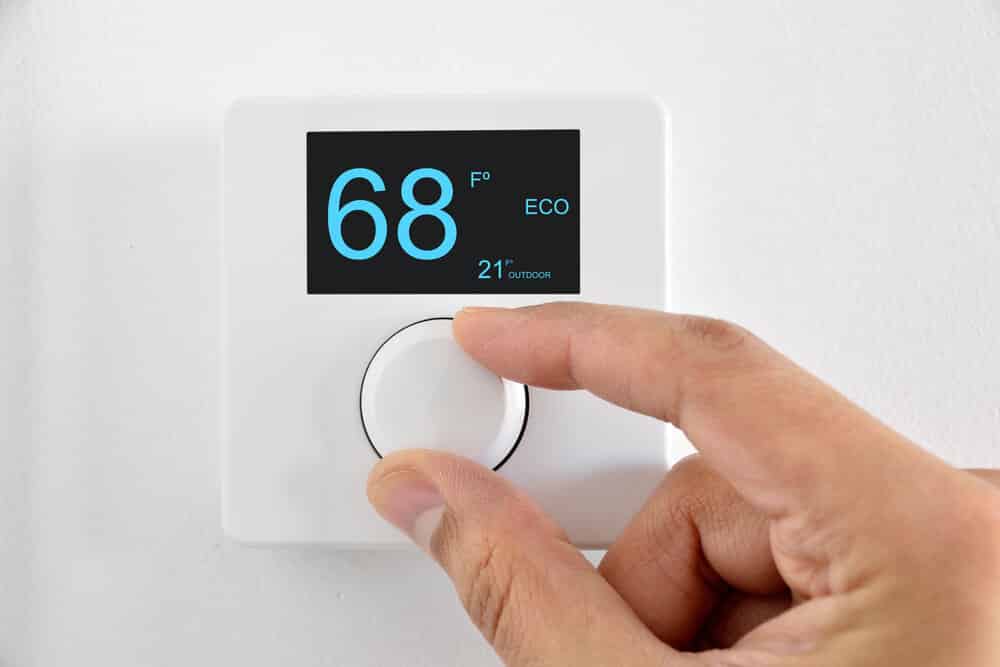
Setting your air conditioner between 75°F and 78°Fkeeps rooms cool and saves energy. This range is comfortablefor most people during summer. It helps avoid too coldor too warmrooms.
Lower temperatures use more electricity. Each degree cooler can increase energy use by about 6-8%. Higher settings reduce energy billsand are better for the environment.
- Set between 75°F and 78°F for balance
- Use a programmable thermostat for better control
- Adjust settings when away to save more energy
- Keep fans on to help spread cool air
Credit: fischerheating.com
Factors Influencing Ac Settings
Outdoor temperatureaffects the air conditioner’s cooling load. Hotter days need cooler settings to stay comfortable. Setting the AC too low wastes energy and may cause discomfort.
Humidity levelschange how cool a room feels. High humidity makes the air feel warmer. Lowering the AC temperature helps reduce moisture and keeps the room fresh.
Room size and insulationimpact how fast a room cools. Larger rooms or poor insulation need stronger cooling. Well-insulated rooms keep cool air longer, so a higher setting saves energy.
Energy Saving Tips
Programmable thermostatshelp save energy by setting the temperature automatically. They adjust cooling based on your daily schedule. This means the AC runs less when no one is home, saving money.
Adjust the settings to be warmer when you are away. For example, set the temperature to around 85°F (29°C) to avoid wasting energy. The AC will cool less but keep your home safe from heat.
At night, use cooling strategieslike setting the temperature higher than daytime but still comfortable. Use fans to help air circulate. Open windows if the air is cooler outside.
Enhancing Airflow And Efficiency
Proper vent placement helps cool air spread evenly in the room. Vents should be free from blockages like furniture or curtains. This allows the air conditioner to work better and cool faster.
Regular maintenance keeps your AC running efficiently. Clean or replace filters every 1-2 months. Check for leaks and clear debris around the outdoor unit. This prevents energy waste and saves money.
Using fans alongside your AC can boost cooling power. Fans move air around, making the room feel cooler. Ceiling fans or portable fans help reduce the AC’s workload.
Health And Comfort Considerations
Setting the air conditioner too cold can cause overcooling. This may lead to headaches, dry skin, and chills. Choose a temperature that feels comfortable but not freezing. Around 75°F (24°C)is often a good balance for most people.
Maintaining air quality is also important. Air conditioners can help reduce dust and allergens. Cleaning filters regularly keeps the air fresh and healthy. Using an air purifier alongside can improve allergen control.
Keep windows closed to avoid letting in pollen or dust. A well-maintained AC prevents mold and bacteria growth, which can worsen allergies. Proper airflow helps keep the room cool without drying out the air.

Credit: www.reddit.com
Smart Ac Features To Explore
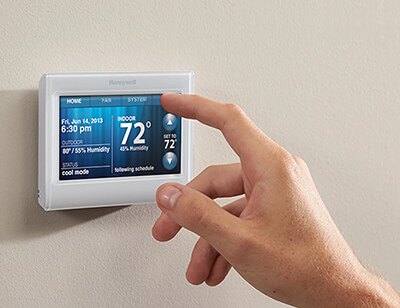
Many smart air conditioners offer remote control options. You can use a phone app or a remote device. This lets you change settings without walking to the unit. It is useful on hot days or at night.
Adaptive temperature adjustmentshelp save energy. The AC learns your schedule and changes the temperature automatically. It keeps the room cool when you need it. When you leave, it uses less power.
Credit: gulfshorecooling.com
Frequently Asked Questions
What Is The Best Ac Temperature For Summer?
The ideal AC temperature in summer is around 78°F (25-26°C). This balances comfort and energy savings effectively. Setting it lower wastes energy without extra comfort.
How Does Ac Temperature Affect Energy Bills?
Lowering AC temperature increases energy use significantly. Each degree below 78°F raises costs by about 6-8%. Set a moderate temperature to save on bills.
Should I Change Ac Temperature When Not Home?
Yes, increase the AC temperature to 85°F (29°C) when away. It reduces energy consumption without risking heat damage to your home.
Can Setting Ac Too Low Cause Health Issues?
Yes, very low temperatures can cause colds or respiratory problems. Keep the AC at a comfortable, moderate setting to avoid health risks.
Conclusion
Finding the perfect air conditioner setting in summer enhances comfort and saves energy. Consider your needs and local climate when adjusting the temperature. A setting around 78°F is often ideal for many. This balance keeps your home cool and energy bills manageable.
Experiment to find what works best for you. Remember, small adjustments make a big difference. Stay comfortable and efficient this summer. Enjoy the cool indoors!