Nothing ruins a great camping trip faster than waking up to a damp, soggy tent. When moisture seeps inside, it makes your gear wet, your clothes uncomfortable, and your sleep restless.
But you don’t have to let that happen. By learning a few simple tricks, you can keep your tent dry and cozy no matter the weather. Ready to enjoy your outdoor adventures without the hassle of dampness? Let’s dive into the best ways to keep moisture out of your tent, so you stay comfortable and dry from dusk till dawn.

Credit: hot-tent.com
Choose The Right Tent
Keeping moisture out of your tent is important for a dry and comfortable camping trip. The type of tent you choose plays a big role in how well it blocks moisture.
Look for tents designed to handle wet weather. These tents have features that help keep water out and air flowing.
Waterproof Materials
Choose tents made from waterproof fabrics. These materials stop rain and ground moisture from getting inside.
Common waterproof fabrics include polyester and nylon with special coatings. These coatings make the fabric water-resistant.
- Look for tents with a high hydrostatic head rating
- Polyurethane (PU) and silicone coatings improve waterproofing
- Waterproof floor materials protect from ground moisture
Seam Sealing
Seams are where water can leak into a tent. Choose tents with sealed seams to stop this.
Seam sealing uses tape or glue on the inside of seams. This blocks water from passing through needle holes.
- Check if the tent has factory-sealed seams
- Use seam sealer on seams if you do your own waterproofing
- Sealed seams improve overall water protection
Ventilation Features
Good ventilation helps reduce moisture inside the tent from breath and sweat.
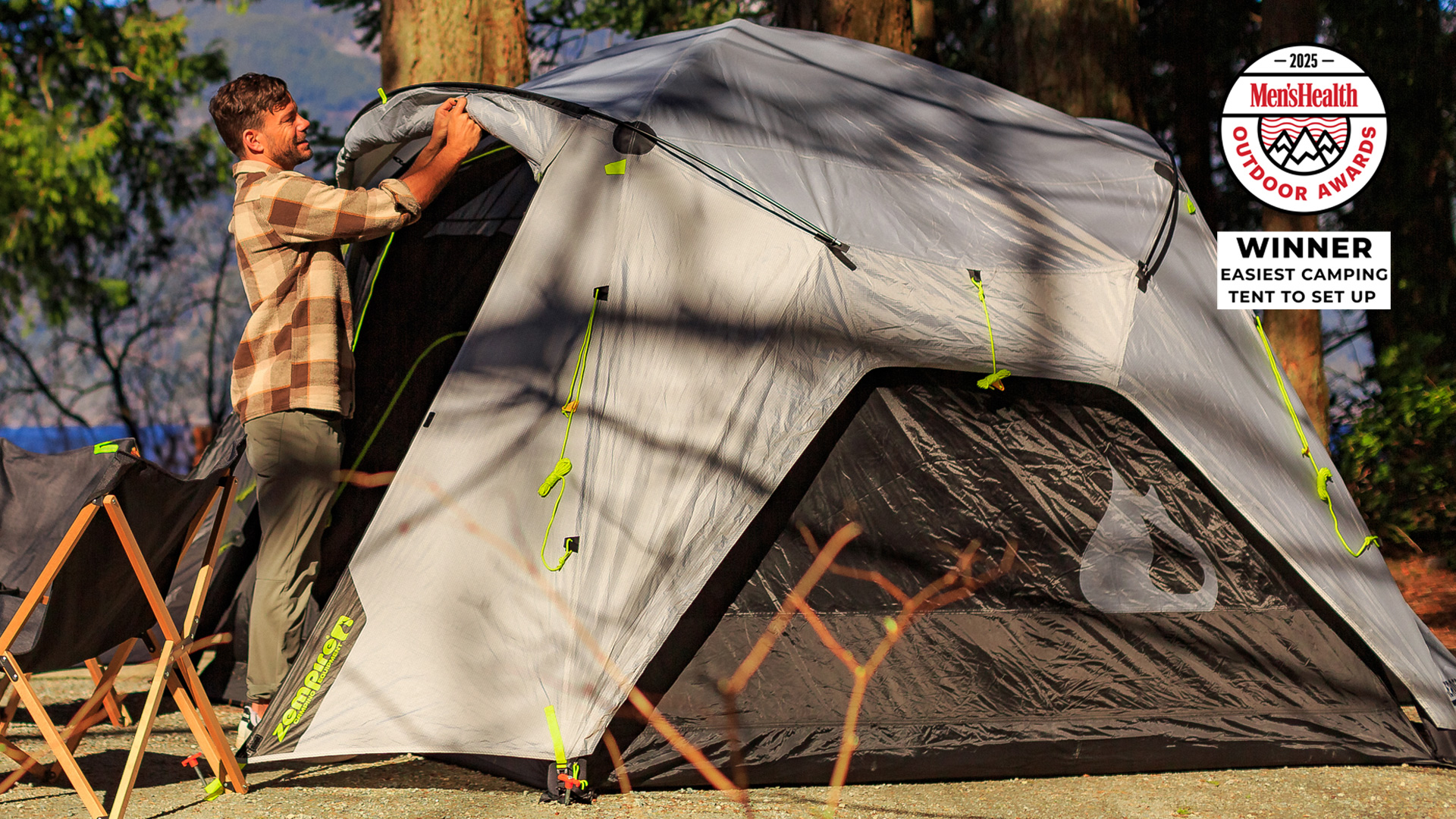
Choose tents with vents, windows, or mesh panels. These let air flow and stop condensation.
- Look for tents with adjustable vents or windows
- Mesh panels allow air but keep bugs out
- Proper airflow lowers inside moisture
Credit: zempire.ca
Select The Best Campsite
Choosing the right campsite helps keep moisture out of your tent. A good spot protects you from wet ground and damp air.
Look carefully before you set up your tent. The right location can make your camping experience dry and comfortable.
Avoid Low-lying Areas
Low places collect water after rain. These spots stay wet longer and cause your tent to get damp.
Pick a higher spot to keep your tent dry. Water runs down to lower areas, so you stay above it.
- Check the ground for dips or holes
- Choose flat, raised ground if possible
- Stay away from riverbanks or valleys
Look For Natural Windbreaks
Wind can bring moisture into your tent. Trees, bushes, or rocks block wind and help keep your tent dry.
Set up your tent near natural barriers to reduce wind exposure. This also stops rain from blowing inside.
- Find thick bushes or groups of trees
- Use large rocks or hills as shields
- Face the tent door away from the wind
Consider Sun Exposure
Sunlight helps dry your tent and ground. Choose a spot that gets sun during the day.
A sunny site warms the tent and reduces moisture inside. Shade can keep the ground damp longer.
- Pick open areas with good sunlight
- Avoid dense forests with heavy shade
- Set up early to catch morning sun
Set Up With Care
Keeping moisture out of your tent starts with careful setup. A dry tent means a better camping experience.
Small steps during setup help stop water from entering your tent. Focus on these key areas.
Use A Groundsheet
A groundsheet protects your tent floor from wet ground and damage. It acts as a barrier to keep moisture out.
Make sure the groundsheet is slightly smaller than your tent floor. This prevents water from collecting under the tent edges.
Pitch Tent Tightly
Set up your tent with tight fabric and secure stakes. Loose fabric allows water to pool and drip inside.
Pull the tent corners firmly and check all guy lines. A taut tent sheds rain better and keeps moisture out.
Angle The Rainfly Properly
Place the rainfly at a good angle to let water run off quickly. A flat rainfly can hold water and leak.
Adjust the rainfly so it covers all sides of your tent. This stops rain from splashing inside.
Manage Inside Moisture
Moisture inside a tent can cause discomfort and damage. Managing it helps keep your space dry and safe.
Simple steps can reduce moisture buildup. This guide shows easy ways to keep moisture out.
Minimize Wet Gear
Wet clothes and shoes release moisture inside the tent. Keep them outside or in a separate bag.
Dry gear before placing it inside. This lowers the amount of moisture in your tent.
- Store wet items in waterproof bags
- Hang wet clothes outside when possible
- Use a gear vestibule if your tent has one
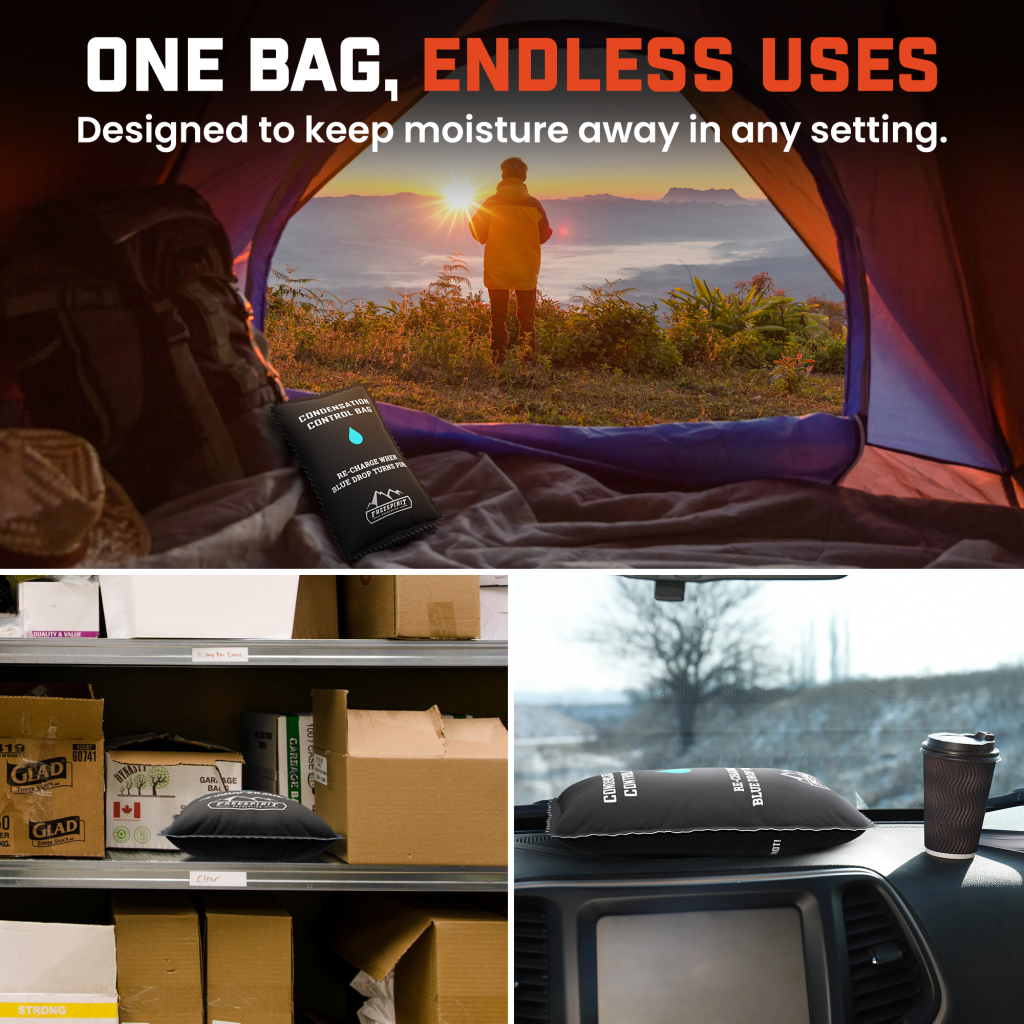
Use Moisture Absorbers
Moisture absorbers help pull water from the air inside the tent. They keep the space dry.
You can use small packets or natural options like charcoal or silica gel.
- Place moisture absorbers near sleeping areas
- Replace or dry absorbers regularly
- Use natural materials for an eco-friendly option
Keep Ventilation Open
Airflow reduces moisture inside your tent. Keep vents and windows open when possible.
Good ventilation stops condensation and keeps air fresh inside.
- Open vents even in cold weather
- Use mesh windows to keep bugs out
- Adjust ventilation based on weather conditions
Handle Condensation
Condensation causes moisture buildup inside tents. It can make your gear wet and uncomfortable.
Understanding condensation helps you keep the tent dry. Use smart ways to reduce moisture.
Understand Causes
Condensation happens when warm air meets cold surfaces. Your breath and body heat add moisture to the air.
Cold tent walls cause water vapor to turn into droplets. This makes the inside of the tent wet.
Use Double-wall Tents
Double-wall tents have two layers: an inner mesh and an outer rain fly. This design lowers condensation.
The space between layers keeps cold air away from warm, moist air. This stops water droplets from forming inside.
Promote Airflow
Good airflow helps dry moisture inside the tent. Open vents and doors to let air move freely.
Place your tent where wind can pass through. Avoid spots with no air movement to reduce dampness.
- Open tent windows or vents slightly
- Keep doors partially open if safe
- Pitch tent in breezy areas
- Use mesh panels to allow air inside

Credit: haventents.com
Maintain Tent After Use
Keeping your tent dry and clean after camping helps it last longer. Moisture can cause mold and damage fabric. Proper care prevents these problems.
Follow simple steps to dry and store your tent. This keeps it ready for your next trip.
Dry Before Packing
Always dry your tent fully before packing it away. Damp fabric traps moisture and causes mildew. Set up the tent in sunlight or a breezy place. Pay attention to corners and seams.
- Shake off dirt and leaves outside the tent.
- Leave the tent open to air dry completely.
- Check the rainfly and floor for wet spots.
- Use a towel to blot any damp areas.
- Do not pack the tent if it feels cool or damp.
Clean And Store Properly
Cleaning your tent removes dirt that can break down fabric. Store it in a cool, dry place away from direct sunlight. Avoid tight bags for long storage. Use a breathable cotton sack or hang it loosely.
| Cleaning Step | Details |
| Remove loose dirt | Brush or shake outside gently |
| Wash gently | Use mild soap and water only |
| Rinse well | Make sure no soap is left |
| Dry completely | Set up in shade or indoors with airflow |
| Storage | Loose bag, cool and dry location |
Frequently Asked Questions
How Can I Prevent Condensation Inside My Tent?
To prevent condensation, ensure proper ventilation by opening vents and windows. Use a breathable tent fabric and avoid drying wet clothes inside. Keep the tent floor dry and use a groundsheet to reduce moisture from the ground.
What Is The Best Way To Keep Rain Out Of A Tent?
Use a high-quality rainfly that covers the tent completely. Secure all zippers and seams tightly. Pitch the tent on elevated ground and avoid low-lying areas where water can pool during rain.
How Do I Keep Tent Gear Dry During Humid Weather?
Store gear in waterproof bags or containers inside the tent. Use moisture-absorbing packets to reduce humidity. Ventilate the tent regularly and avoid bringing wet items inside to keep everything dry.
Why Does My Tent Get Damp Overnight?
Dampness often comes from condensation caused by body heat and moisture inside the tent. Lack of ventilation traps humidity. Ensure vents are open and avoid cooking or breathing directly inside the tent.
Conclusion
Keeping moisture out of your tent is crucial for a dry trip. Start by choosing a high-quality, waterproof tent. Set it up on higher ground to avoid water pooling. Ventilation is key. Open vents to reduce humidity inside. Use a ground tarp to prevent moisture from seeping in.
Always zip your tent closed when not in use. Pack moisture-absorbing packets for added protection. Practice these tips, and enjoy a comfortable camping experience. Stay dry and cozy, and make the most of your outdoor adventure. Happy camping!