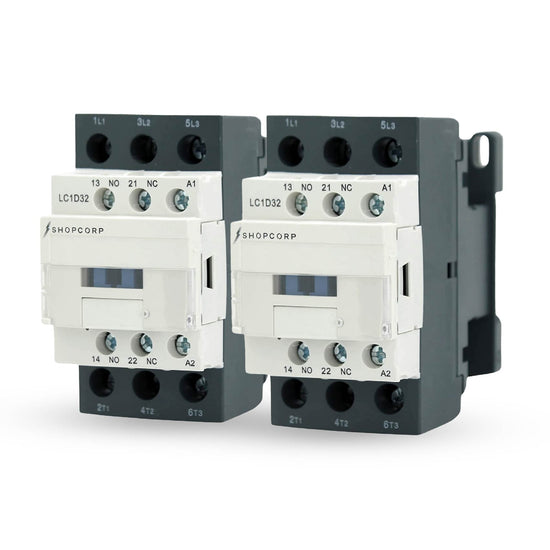
Have you ever wondered what makes your air conditioner turn on and off so smoothly? The secret lies in a small but powerful device called a contactor.
If your AC isn’t cooling properly or won’t start at all, understanding this part could save you time and money. You’ll discover exactly what a contactor does, why it’s essential for your air conditioner, and how to spot when it might need a fix.
Keep reading to unlock the key to keeping your home cool and comfortable all year round.
Role Of A Contactor
A contactor is an important part of an air conditioner. It acts like a switch that controls the power flow. The contactor helps turn the AC on and off safely.
This small device controls large amounts of electricity. It keeps the air conditioner working properly and protects other parts from damage.
Contactor In Ac Systems
The contactor is inside the outdoor unit of the AC. It connects to the power source and the AC parts. When the thermostat sends a signal, the contactor switches the power on.
It uses an electromagnetic coil to open or close the contacts. This lets electricity flow to the compressor and fan. Without the contactor, the AC cannot start or stop.
How It Controls Power
The contactor controls large electric currents safely. It acts like a remote switch that handles high power. The coil inside the contactor pulls the contacts together to close the circuit.
When the coil gets no power, the contacts open. This stops the electricity flow. This on-off action helps control the AC’s operation without manual switching.
- Electromagnetic coil activates the switch
- Contacts close to allow power flow
- Contacts open to stop power flow
- Protects the system from electrical overloads
Connection With Compressor And Fan
The contactor controls power to both the compressor and the fan motor. These parts need electricity to run and cool your home. The contactor ensures they start and stop together.
It sends power to the compressor to pump refrigerant. It also powers the fan to blow air over the coils. This connection makes the AC work efficiently and safely.
Types Of Contactors
Contactors are important parts of an air conditioner. They control the flow of electricity to the unit. Different types of contactors work in different ways.
Understanding these types helps choose the right contactor for your air conditioner. This guide explains the main types and their uses.
Standard Electromechanical Contactors
These contactors use a coil and moving parts to open or close electrical contacts. When the coil gets power, it creates a magnetic field. This moves the contacts to complete the circuit.
They are common in many air conditioners because they are simple and cost-effective. They can handle high power loads but may wear out over time due to moving parts.
Solid-state Contactors
Solid-state contactors use electronic components instead of moving parts. They control power with devices like thyristors or transistors.
- No moving parts, so they last longer
- Switch faster and more quietly
- Resist wear and tear from frequent use
- Usually cost more than electromechanical types
Differences And Applications
| Feature | Electromechanical Contactors | Solid-State Contactors |
|---|---|---|
| Moving Parts | Yes | No |
| Durability | Moderate | High |
| Noise | Clicking sound | Silent |
| Cost | Lower | Higher |
| Switching Speed | Slower | Faster |
| Common Use | General HVAC systems | Systems needing fast switching |
Electromechanical contactors fit most air conditioners. Solid-state contactors suit special cases where silent and fast switching is needed.
Common Contactor Problems
A contactor is a switch inside your air conditioner. It controls power to the compressor and fan. If it breaks, the AC may stop working properly.
Contactor problems are common and can cause your AC to fail or work poorly. Knowing the signs helps you fix issues faster.
Signs Of A Faulty Contactor
A bad contactor can cause many problems. You might hear clicking sounds or see the AC not turning on. Sometimes, the unit runs but stops quickly.
- The AC does not start when turned on
- Clicking noise from the outdoor unit
- Air conditioner stops running suddenly
- Burnt smell near the outdoor unit
- Frequent tripping of circuit breakers
Causes Of Contactor Failure
Contactor failure happens for many reasons. Dirt and wear on the contacts can stop it from working. Electrical problems also cause damage.
Heat and moisture inside the AC unit can cause corrosion. Over time, this breaks the contactor. Poor installation or old age also lead to failure.
- Worn or dirty contacts inside the switch
- Electrical surges or power issues
- Corrosion from moisture or dirt
- Overheating from continuous use
- Age and natural wear over time
Impact On Air Conditioner Performance
A bad contactor can stop the compressor or fan from working. This lowers cooling or stops the AC completely. It makes the unit less reliable.
When the contactor fails, the AC uses more energy. It can cause other parts to wear out faster. This leads to higher repair costs and discomfort.
- AC does not cool or stops working
- Increased energy use and higher bills
- More wear on compressor and fan
- Frequent breakdowns and repairs needed
- Reduced comfort in your home

Credit: www.youtube.com
Replacing A Contactor
A contactor is a switch that controls the flow of electricity in an air conditioner. It helps start and stop the compressor and fan motors.
Replacing a faulty contactor can fix many air conditioning problems. This guide will help you replace it safely and correctly.
Safety Precautions
Working with electrical parts can be dangerous. Follow these safety tips before replacing a contactor.
- Turn off the main power supply to the air conditioner.
- Use a voltage tester to ensure no electricity is flowing.
- Wear insulated gloves and safety glasses.
- Do not work in wet or damp conditions.
- Keep children and pets away from the work area.
Tools And Materials Needed
Gather these tools and materials before starting the replacement process.
| Tool or Material | Purpose |
| Screwdriver Set | Remove and install screws |
| Needle-Nose Pliers | Handle small parts and wires |
| Voltage Tester | Check electrical power status |
| Replacement Contactor | New part to install |
| Electrical Tape | Secure wire connections |
| Insulated Gloves | Protect from electric shock |
Step-by-step Replacement Process
- Turn off the power to the air conditioner at the main circuit breaker.
- Use a voltage tester to confirm no electricity is present at the contactor.
- Remove the access panel to reach the contactor inside the unit.
- Take a clear photo of the wiring for reference.
- Carefully disconnect the wires attached to the contactor terminals.
- Unscrew and remove the old contactor from the mounting base.
- Install the new contactor in the same position as the old one.
- Reconnect all wires to the new contactor, matching the photo for correct placement.
- Secure the wires with electrical tape if needed.
- Replace the access panel on the air conditioner unit.
- Turn the power back on at the main circuit breaker.
- Test the air conditioner to ensure it starts and runs properly.
Maintenance Tips
A contactor is a key part of an air conditioner. It controls the power to the compressor and fan. Keeping it well-maintained helps your AC run smoothly.
Follow simple maintenance steps to avoid breakdowns and extend the life of your contactor.
Regular Inspection
Check the contactor regularly for signs of wear or damage. Look for burnt marks, loose wires, or corrosion. Early detection can prevent bigger problems.
Cleaning Procedures
Keep the contactor clean to ensure good electrical contact. Dust and dirt can cause poor performance or failure.
- Turn off power before cleaning.
- Use a soft brush to remove dust.
- Clean contact points with contact cleaner spray.
- Dry completely before restoring power.
Preventive Measures For Longevity
| Preventive Action | Benefit |
| Regular inspection | Detects early issues |
| Proper cleaning | Improves contact efficiency |
| Tighten connections | Prevents loose wiring |
| Replace worn parts | Maintains reliable operation |
Credit: www.diychatroom.com
Choosing The Right Contactor
A contactor controls the power to your air conditioner’s compressor and fan. Choosing the right contactor helps your system run safely and efficiently. A wrong contactor can cause damage or poor performance.
Look closely at the specifications and quality when picking a contactor. Also, find a trusted place to buy it from. This guide will help you make the best choice.
Matching Specifications
Check the voltage, current, and coil size before buying. The contactor must match your air conditioner’s needs exactly. Using the wrong size can cause failure or safety risks.
| Specification | What to Check |
| Voltage | Same as your AC unit, often 24V or 120V |
| Current Rating | At least as high as your compressor’s amperage |
| Coil Size | Matches the control circuit voltage |
| Number of Poles | Usually 2 or 3, based on motor type |
Brand And Quality Considerations
Choose a contactor from brands known for reliability. Quality parts last longer and reduce repair costs. Avoid cheap, no-name contactors that might fail early.
- Look for products with good reviews
- Check for warranty and support
- Choose parts that meet industry standards
- Consider buying from authorized dealers
Where To Buy
Buy contactors from stores that specialize in HVAC parts. They offer correct parts and advice. You can also buy online from trusted websites.
Here are common places to buy contactors:
- Local HVAC supply stores
- Authorized dealer websites
- Large home improvement stores
- Reputable online marketplaces
Always check the return policy before buying.

Credit: ottersprings.com
Frequently Asked Questions
What Is A Contactor In An Air Conditioner?
A contactor is an electrical switch in an air conditioner. It controls power flow to the compressor and fan motors. It acts as a relay that turns the AC on or off safely. This helps the unit operate efficiently and protects the electrical system.
How Does A Contactor Work In Ac Units?
The contactor uses an electromagnetic coil to open or close electrical contacts. When the thermostat signals cooling, the coil energizes. This closes the contacts, allowing power to reach the compressor and fan. When cooling stops, the coil de-energizes, opening contacts and cutting power.
Why Is The Contactor Important For Air Conditioners?
The contactor ensures safe and reliable operation of the AC’s electrical components. It manages high voltage currents without manual switching. A faulty contactor can cause the AC to fail or not start. It protects the system from electrical damage and improves efficiency.
What Are Signs Of A Bad Air Conditioner Contactor?
Common signs include the AC not turning on, clicking sounds, or frequent cycling. You may notice the compressor or fan not running properly. Visible wear or pitting on contact points also indicates failure. Early detection can prevent costly repairs and downtime.
Conclusion
Understanding a contactor’s role in your air conditioner is vital. It controls power flow, ensuring efficient operation. Regular maintenance can prevent unexpected issues. Keep an eye on signs of wear or malfunction. Strange noises or inconsistent cooling may indicate problems.
Addressing these early can save time and money. Always consult a professional for repairs or replacements. Safety should be your top priority. A well-functioning contactor contributes to a comfortable home environment. Remember, a small component plays a big role in your comfort.