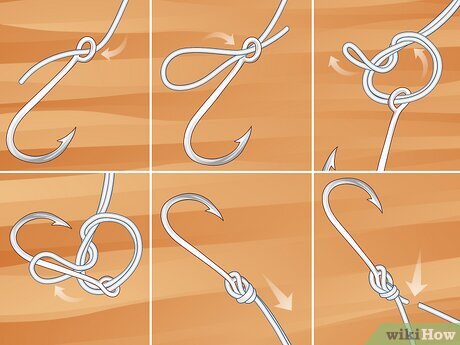
If you want to catch more fish, learning how to tie a fish hook to your fishing line is one of the most important skills you can master. A strong, secure knot keeps your hook in place, so you won’t lose that big catch when it bites.
But tying the right knot can be tricky if you don’t know the steps. In this guide, you’ll discover simple, clear instructions to help you tie your hook quickly and confidently. Keep reading, and you’ll be ready to fish like a pro in no time.
Choosing The Right Hook And Line
Picking the right hook and fishing line is important for a good catch. The right match helps you fish better and avoid losing fish.
This guide explains how to select hooks and lines, so you can tie your fish hook to the line properly.
Types Of Fishing Hooks
Fishing hooks come in many shapes and sizes. Each type works best for certain fish and fishing styles.
- J-Hooks: Classic shape, good for many fish types
- Circle Hooks: Designed to hook fish in the corner of the mouth
- Treble Hooks: Three points, used for lures and big fish
- Siwash Hooks: Long shank, ideal for replacing treble hooks on lures
- Bait Hooks: Wide gap, made for holding live or soft bait
Selecting The Fishing Line
Fishing lines come in different materials and strengths. Choose the line based on the type of fish and fishing method.
- Monofilament: Flexible and easy to handle, good for beginners
- Fluorocarbon: Less visible underwater, sinks faster
- Braid: Very strong and thin, good for heavy cover fishing
Matching Hook And Line Strength
Match the hook size with the line strength for better performance. Too weak or too strong can cause problems.
Use this simple guide to pair hooks and line strengths:
| Hook Size | Line Strength (lbs) |
|---|---|
| Small (10-14) | 2-6 lbs |
| Medium (6-10) | 6-12 lbs |
| Large (1-5) | 12-20 lbs |
| Extra Large (1/0 and above) | 20+ lbs |
Credit: n1outdoors.com
Preparing The Fishing Line
Preparing the fishing line correctly helps make a strong and secure knot. Good preparation keeps the line from slipping or breaking.
Focus on cutting the line to the right length and moistening it before tying. These steps improve the hook’s hold on the line.
Cutting The Line To Length
Cut the fishing line to a suitable length before tying the hook. Too short or too long lines can cause problems while fishing.
- Measure the line so you have enough to tie the knot comfortably.
- Use sharp scissors or a line cutter for a clean cut.
- A clean cut prevents fraying and weak spots on the line.
- Keep extra line handy in case you need to re-tie.
Moistening The Line
Moistening the fishing line before tightening the knot reduces friction and heat. This helps keep the line strong and prevents damage.
| Why Moistening Helps | How to Moisturize |
|---|---|
| Reduces friction when pulling the knot tight | Use water or saliva to wet the line gently |
| Prevents heat that weakens the line | Apply moisture right before tightening the knot |
| Helps the knot slide smoothly into place | Keep the line moist during the entire tying process |
Popular Knot Techniques
Tying a fish hook to a fishing line is important for strong catches. Different knots work better for different types of fishing.
Here are some popular knots that many anglers use. Each knot offers a good balance of strength and ease.
Improved Clinch Knot
The Improved Clinch Knot is common and simple. It works well with most fishing lines and hooks.
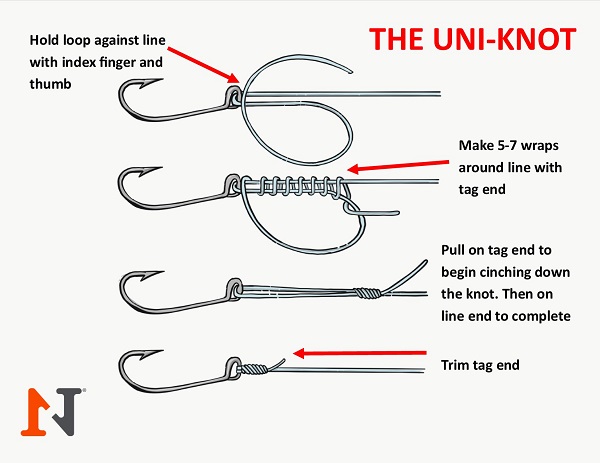
To tie it, thread the line through the hook eye. Wrap the line around itself five times. Pass the end through the small loop near the eye. Then, pull tight.
- Thread line through hook eye
- Wrap line five times around main line
- Pass end through loop near eye
- Pull tight to secure knot
Palomar Knot
The Palomar Knot is strong and easy to tie. It works great for braided and monofilament lines.
Double the line and pass it through the hook eye. Tie a loose overhand knot with the doubled line. Pull the hook through the loop. Tighten the knot by pulling both ends.
- Double the line and pass through hook eye
- Tie a loose overhand knot
- Pull hook through loop
- Tighten knot by pulling ends
Loop Knot
The Loop Knot creates a loop that lets the hook move freely. It is good for lures that need natural movement.
Make an overhand knot in the line about 10 cm from the end. Pass the tag end through the hook eye. Then, pass it back through the overhand knot. Tighten the knot and adjust the loop size.
- Make overhand knot 10 cm from line end
- Pass tag end through hook eye
- Pass tag end back through overhand knot
- Tighten knot and adjust loop size

Credit: greensafaris.com
Step-by-step Knot Tying
Tying a strong knot is key to keeping your hook secure. This guide shows easy ways to tie fishing knots.
Follow these steps carefully to learn three common knots used by anglers worldwide.
Tying The Improved Clinch Knot
The Improved Clinch Knot is popular for its strength and simplicity. Use it to attach the hook to your line firmly.
- Thread the line through the hook eye.
- Wrap the line around itself 5 to 7 times.
- Pass the end through the small loop near the eye.
- Then pass the end through the big loop you just made.
- Moisten the knot and pull both ends tight.
- Trim the excess line close to the knot.
Tying The Palomar Knot
The Palomar Knot is strong and quick to tie. It works great for braided or monofilament lines.
- Double about six inches of line and pass it through the hook eye.
- Tie a loose overhand knot with the doubled line.
- Pass the hook through the loop of the overhand knot.
- Pull both the doubled line and tag end to tighten the knot.
- Trim the tag end close to the knot.
Tying The Loop Knot
The Loop Knot lets the hook move freely. It works well for live bait or lures.
| Action | Description |
|---|---|
| Make a loop | Form a small loop in the line about 10 inches from the end. |
| Twist the loop | Twist the loop 4 to 6 times to create coils. |
| Pass the hook | Thread the hook eye through the loop. |
| Tighten | Pull the main line to slide the coils tight around the hook eye. |
| Trim | Cut off the tag end close to the coils. |
Tips For Secure Knots
Tying a fish hook to a fishing line needs a strong knot. A secure knot stops the hook from slipping off. It helps catch fish without losing gear.
Use simple checks to make your knots safe and strong. These tips will help you keep your fishing line secure.
Checking Knot Tightness
After tying the knot, pull the line slowly. This shows if the knot holds well. A tight knot does not move or loosen.
If the knot slips, untie it and try again. Make sure the wraps are neat and close. Tight knots last longer on the water.
Trimming Excess Line
Cut off extra line near the knot. Leaving too much line can cause tangles. Cut close but leave a small tail.
The small tail helps keep the knot from slipping. Use sharp scissors or clippers for a clean cut. Avoid frayed ends.
- Trim excess line about 1/8 inch from the knot
- Keep a small tail to protect the knot
- Use sharp tools to avoid frays
Testing The Knot Strength
Test the knot by pulling hard on the hook and line. A strong knot will not break or loosen. This test shows if your knot is reliable.
Try twisting the line gently to check the knot’s hold. If it feels weak, retie the knot. Strong knots help catch bigger fish safely.

Credit: www.ohero.com
Common Mistakes To Avoid
Tying a fish hook to a fishing line seems easy but many make mistakes. These errors can cause lost fish or broken lines.
Knowing what to avoid helps you tie a stronger, more reliable knot every time.
Overtightening The Knot
Pulling the knot too tight can damage the fishing line. It weakens the line and causes breakage.
Always tighten the knot firmly but gently. Stop when you feel resistance to avoid harming the line.
Using Damaged Line
Old or frayed fishing line reduces knot strength. It can snap easily under pressure.
Check your line for nicks, cuts, or wear before tying your hook. Replace damaged line to keep strong knots.
Skipping Line Preparation
Not preparing the line can cause knots to slip or fail. Wetting the line before tightening helps the knot set properly.
Trim the tag end neatly after tying. This prevents the knot from loosening or catching on weeds.
Frequently Asked Questions
How Do I Tie A Strong Fish Hook Knot?
Use the improved clinch knot for strength. Thread line through hook eye, twist 5-7 times, pass end through loop, and tighten.
What Is The Easiest Knot To Tie For Fishing?
The Palomar knot is simple and reliable. Double the line, pass through hook, tie an overhand knot, and pull tight.
Can I Use Any Fishing Line To Tie Hooks?
Yes, but match line strength to fish size. Monofilament and fluorocarbon lines are common and knot-friendly.
How Tight Should I Pull The Knot?
Pull firmly but avoid over-tightening. Excess force can weaken the line or damage the knot.
Conclusion
Tying a fish hook to a line is simple. Practice makes it easier. Secure knots ensure successful fishing trips. Choose the right knot for your needs. Always check your knots before casting. Avoid loose or weak connections. Strong knots mean more fish caught.
Enjoy your time by the water. Fishing is both relaxing and rewarding. Share these tips with fellow anglers. Happy fishing!