Is your air conditioner not cooling like it used to? Knowing how to check your air conditioner pressure can save you time, money, and a lot of discomfort.
When your AC pressure is off, it can lead to poor performance or even damage. But don’t worry—you don’t need to be a technician to understand the basics. You’ll learn simple steps to check your AC pressure yourself, spot common issues early, and keep your home cool all summer long.
Keep reading—you’re about to gain the power to take control of your AC’s health.
Ac Pressure Basics
AC pressureshows how well the air conditioner works. It is the force inside the system’s pipes. This pressure pushes the refrigerant through the AC parts.
Pressurechanges with the AC’s temperature and use. Too much or too little pressure can cause problems. It can make the AC less cool or even break it.
Checking pressure helps find leaks or blockages early. It keeps the AC safe and working well. Regular pressure checks save money on repairs.
- High pressure can mean a blocked pipe or too much refrigerant.
- Low pressure might mean a leak or not enough refrigerant.
- Correct pressure keeps air cold and system efficient.

Credit: www.reddit.com
Tools You Need
Pressure gaugesmeasure the air conditioner’s refrigerant pressure. They help find leaks and check if the system works well. Choose gauges that fit your AC type. Some have two scales: one for low pressure and one for high pressure.
Safety equipmentkeeps you safe while checking pressure. Wear gloves to protect hands from cold refrigerant. Use safety glasses to shield eyes from splashes. Work in a well-ventilated area to avoid breathing harmful gases. Always follow safety rules carefully.
Preparing For The Check
Start by turning off the powerto the air conditioner. This ensures safety and stops the unit from running during the check.
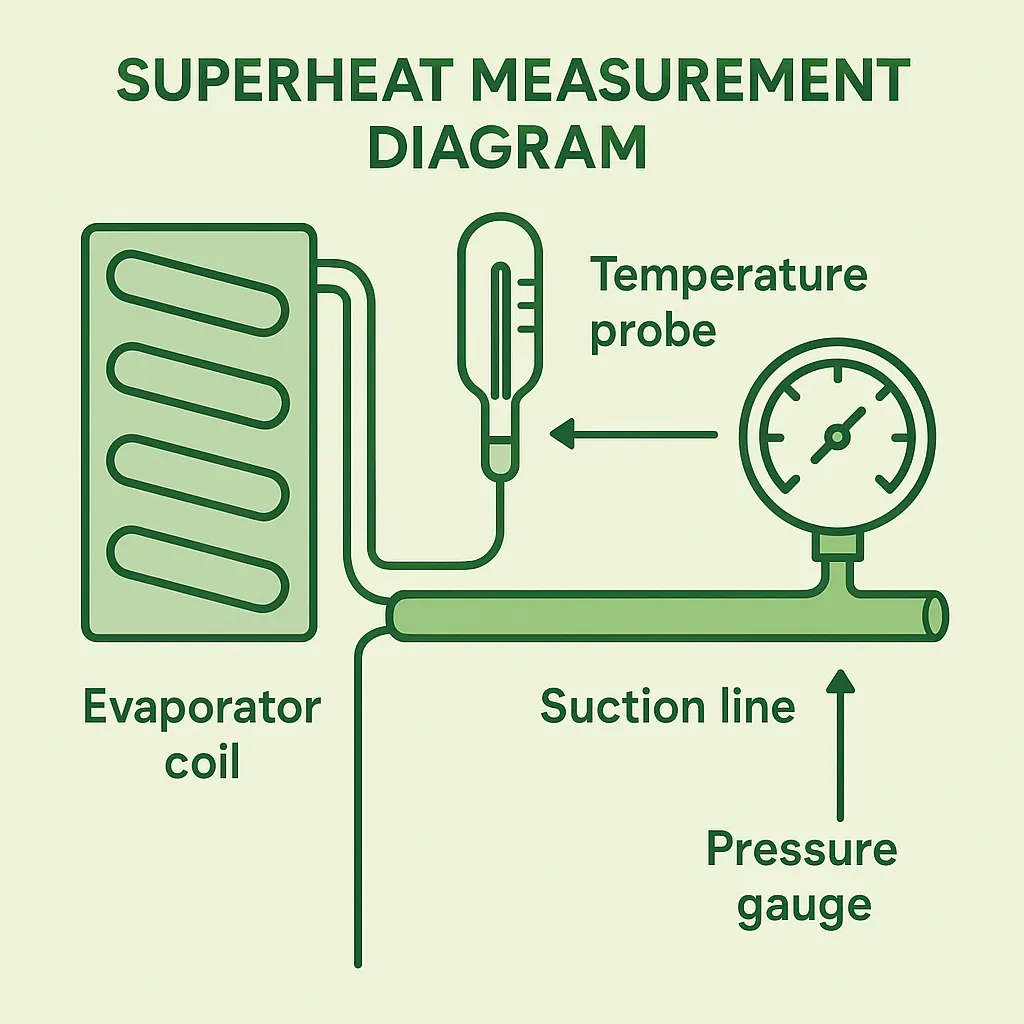
Next, find the service portson your AC unit. These ports are where you connect the pressure gauges. Usually, there are two ports: one for low pressure and one for high pressure. They look like small valves with caps.
- Remove the caps gently from the service ports.
- Check for any dirt or damage around the ports.
- Keep the caps in a safe place for later use.
Being careful during this preparation helps get accurate pressure readings and protects your AC system.
Credit: www.pureecoinc.com
Measuring Pressure
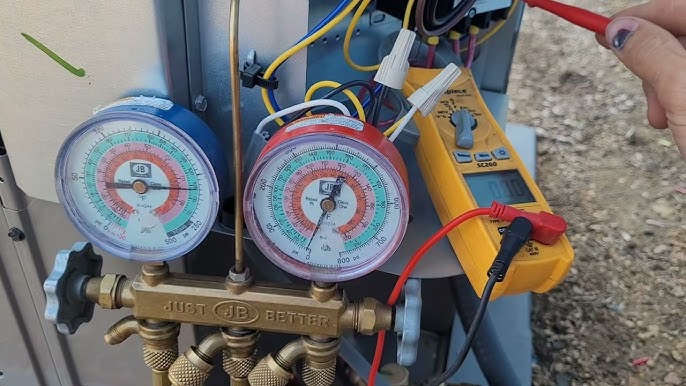
Connect the pressure gauges to the air conditioner’s service ports. The blue gaugegoes to the low-pressure port, and the red gaugeto the high-pressure port. Make sure the connections are tight and secureto avoid leaks.
Read the pressure values shown on both gauges. The low-pressure gaugemeasures the suction side, and the high-pressure gaugemeasures the discharge side. Note these values carefully for comparison.
| Pressure Type | Normal Range (PSI) | What It Means |
|---|---|---|
| Low Pressure | 25 – 45 | Normal suction pressure for most AC units |
| High Pressure | 200 – 300 | Normal discharge pressure; varies by model |
Compare the readings with the manufacturer’s specifications. High or low pressure may indicate issues like leaks or blockages. Adjustments or repairs might be needed based on the results.
Common Pressure Issues
Low pressurein an air conditioner often means a refrigerant leak. This can cause the AC to cool poorly. Another cause is a clogged filteror dirty coils, which block airflow. Sometimes, the compressor might not work well, lowering pressure.
High pressureusually happens from blocked airflow. Dirty filters or closed vents can cause this. Too much refrigerant also raises pressure, which is bad. A faulty fan can fail to cool the coils properly, making pressure go up.

Credit: www.youtube.com
Maintenance Tips
Regular pressure checkshelp keep your air conditioner working well. Use a pressure gaugeto measure both high and low sides of the AC system. Check the pressure levelsoften, especially before hot days. Low pressure might mean a refrigerant leakor blockage. High pressure can show a clogged condenseror overcharge of refrigerant. Keeping pressure in the right range helps the AC cool better and last longer.
Signs of pressure problemsinclude:
- The air conditioner is not cooling enough.
- Strange noises from the AC unit.
- Ice forming on the pipes or coils.
- The AC turns on and off too often.
- Higher energy bills than usual.
| Pressure Issue | Possible Cause | Effect |
|---|---|---|
| Low Pressure | Refrigerant Leak, Blockage | Less Cooling, Frost on Coils |
| High Pressure | Clogged Condenser, Overcharge | Poor Cooling, System Strain |
When To Call A Pro
Some air conditioner pressure problems are too tricky to fix alone. Complex pressure issues need special tools and skills. Professionals know how to check and adjust pressures safely. They can find hidden leaks or blockages that cause problems.
Handling refrigerants without training is risky. These chemicals can harm health and the environment. High pressure inside the unit can cause injuries if not handled properly. Safety gear and knowledge are a must for any repair work.
- Professionals have the right tools and training.
- They understand safe handling of refrigerants.
- Can spot and fix hidden system problems.
- Protect yourself from injury and damage.
Frequently Asked Questions
How Do I Check My Air Conditioner Pressure Safely?
To check AC pressure safely, turn off power first. Use a pressure gauge on service ports. Wear protective gear. Avoid contact with refrigerant. Follow manufacturer guidelines carefully to prevent accidents.
What Tools Are Needed To Check Ac Pressure?
Essential tools include a manifold gauge set, pressure gauges, and a thermometer. These help measure refrigerant pressure accurately. Ensure tools are compatible with your AC model for best results.
Why Is Checking Air Conditioner Pressure Important?
Checking AC pressure ensures efficient cooling and prevents damage. It helps detect leaks and refrigerant issues early. Regular checks extend unit life and reduce energy costs.
When Should I Check My Air Conditioner Pressure?
Check pressure during routine maintenance or if cooling drops. Also test after repairs or refrigerant refills. Timely checks maintain optimal performance and prevent breakdowns.
Conclusion
Checking your air conditioner pressure helps keep it running well. Use a proper gauge to get accurate readings. Know the normal pressure range for your AC model. Low or high pressure can cause problems and higher bills. Regular checks can spot issues early and save money.
Always take safety steps before testing your system. Simple steps can protect your comfort during hot days. Stay aware of your AC’s pressure for better cooling.