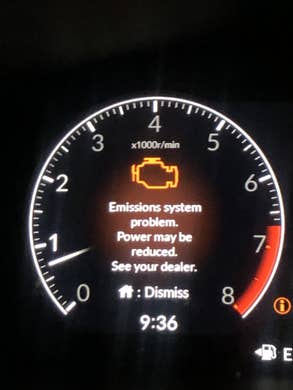
Have you ever wondered if a faulty fuel injector could be the hidden reason behind your car’s emissions system problems? If your vehicle is struggling to pass an emissions test or the check engine light keeps coming on, the fuel injector might be the culprit.
Understanding how this small but powerful part affects your car’s emissions can save you time, money, and stress. Keep reading to discover the surprising connection between your fuel injector and emissions system—and what you can do to fix it before it becomes a bigger issue.
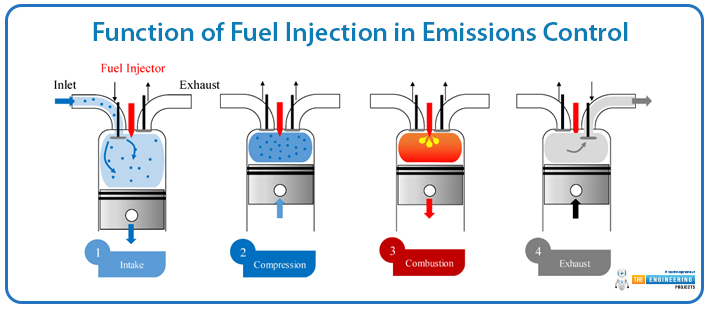
Credit: www.theengineeringprojects.com
Role Of Fuel Injectors
Fuel injectors play a key role in how a car engine works. They deliver fuel to the engine’s cylinders. This process affects how the engine runs and how clean the emissions are.
If fuel injectors do not work well, the engine may run poorly. This can cause problems with the emissions system. Understanding their role helps explain why.
How Fuel Injectors Work
Fuel injectors spray fuel into the engine in a fine mist. This allows for better mixing with air. The engine can then burn fuel more completely and efficiently.
- Fuel injectors open and close many times per second.
- They control the amount of fuel sent to the engine.
- Precise timing helps the engine run smoothly.
- Proper spray pattern improves fuel combustion.
Fuel Delivery And Engine Performance
Fuel delivery affects engine power and emissions. Too much fuel causes rich running. Too little fuel causes lean running. Both can harm performance and increase emissions.
| Fuel Delivery Issue | Effect on Engine | Impact on Emissions |
| Excess Fuel | Engine runs rich | More pollutants, higher emissions |
| Insufficient Fuel | Engine runs lean | Possible misfires, rough idle |
| Uneven Fuel Spray | Poor combustion | Increased hydrocarbons |
| Injector Clogging | Reduced fuel flow | Higher emissions, engine damage |
Common Fuel Injector Problems
Fuel injectors play a key role in your car’s engine. They spray fuel into the engine to help it run smoothly.
If a fuel injector has problems, it can cause issues with the emissions system. This can lead to poor engine performance and more pollution.
Clogged Injectors
Clogged fuel injectors happen when dirt or debris block the fuel spray. This stops fuel from reaching the engine properly.
Clogged injectors make the engine run rough and can increase harmful emissions. The car may also lose power and have poor fuel economy.
Leaking Injectors
Leaking fuel injectors let fuel drip even when the engine is off. This causes too much fuel in the engine.
Too much fuel leads to black smoke and high emissions. It can also make the engine flood and stall.
Faulty Spray Patterns
Fuel injectors must spray fuel in a fine mist. A faulty spray pattern sprays fuel unevenly or in big drops.
Bad spray patterns cause incomplete burning of fuel. This raises emissions and makes the engine run poorly.
Impact On Emissions
A faulty fuel injector can change how fuel mixes with air in the engine. This affects the burning process. Poor combustion leads to more pollution.
Understanding these effects helps to know why emissions problems occur. Fuel injectors play a key role in keeping emissions low.
Incomplete Combustion Effects
When a fuel injector sprays too much or too little fuel, the engine burns fuel poorly. This is called incomplete combustion. It causes carbon buildup and rough engine running.
Incomplete combustion makes the engine less efficient. It also raises harmful emissions like carbon monoxide and unburned hydrocarbons.
Increased Pollutant Output
Bad fuel injection increases the amount of pollutants released from the exhaust. These pollutants harm air quality and health.
- Higher carbon monoxide (CO) emissions
- More unburned hydrocarbons (HC)
- Increased nitrogen oxides (NOx)
- Greater particulate matter (PM)
Failed Emissions Tests
Vehicles with bad fuel injectors often fail emissions tests. The test measures pollutants in the exhaust gases. High pollutant levels cause failure.
| Test Type | Pollutants Measured | Effect of Bad Injector |
|---|---|---|
| Idle Emissions | CO, HC | Elevated levels cause failure |
| Acceleration Emissions | NOx, PM | Increased output |
| On-Board Diagnostics | Error Codes | Fuel system faults detected |
Symptoms Of Injector-related Emission Issues
Fuel injectors play a key role in delivering fuel to the engine. If they do not work well, emission problems can happen. These problems can cause your car to run poorly and pollute more.
Knowing the signs of injector-related issues helps you fix them early. This can save you money and keep your car cleaner.
Rough Idle And Stalling
When a fuel injector is clogged or leaking, the engine may idle roughly. You might feel the car shaking or hear it running unevenly. The engine could also stall suddenly, especially when stopped or at low speed.
Poor Fuel Economy
Bad fuel injectors can cause your engine to use more fuel than normal. This happens because the injector sprays too much or too little fuel. You may notice you need to fill your tank more often than before.
- Higher fuel costs
- More frequent gas station visits
- Increased exhaust smoke
- Reduced engine power
Check Engine Light Indicators
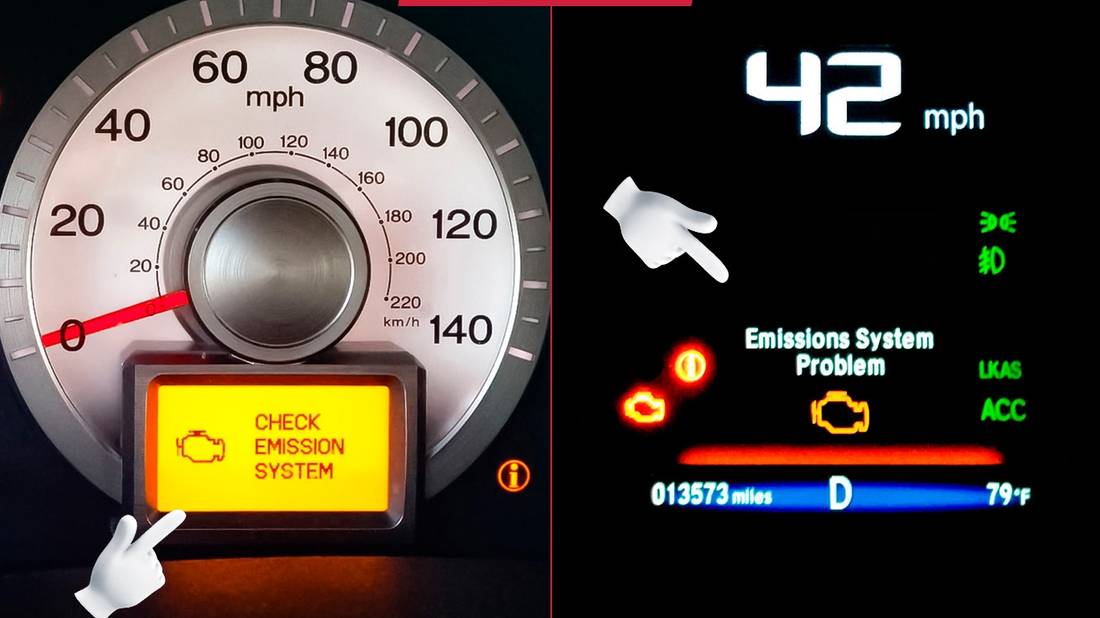
The vehicle’s computer can detect injector problems. It will turn on the check engine light. This light warns you that the emission system is not working right.
| Error Code | Description | Possible Cause |
|---|---|---|
| P0171 | System Too Lean (Bank 1) | Clogged injector or vacuum leak |
| P0300 | Random/Multiple Cylinder Misfire | Faulty injector or ignition issue |
| P0201 | Injector Circuit Malfunction – Cylinder 1 | Injector electrical problem |
Diagnosing Injector Emission Problems
Fuel injectors play a key role in engine performance and emissions. Problems with injectors can cause emission system faults. Diagnosing these issues early can save time and repair costs.
This guide covers how to find injector emission problems. It explains three main methods to check and diagnose injector issues effectively.
Using Obd-ii Scanners
OBD-II scanners read error codes from the vehicle’s computer. These codes help identify injector faults that affect emissions. The scanner shows if an injector is misfiring or clogged.
- Connect the scanner to the vehicle’s OBD-II port.
- Turn on the ignition and scan for trouble codes.
- Note codes related to fuel injection or emission control.
- Clear codes and test drive to see if codes return.
Visual And Physical Inspections
Look at the injectors and fuel lines for leaks or damage. Dirt or corrosion on injectors can cause emission problems. Also, check the electrical connectors for secure fit and corrosion.
| Inspection Area | What to Look For | Effect on Emissions |
|---|---|---|
| Fuel Injector Nozzle | Clogs, dirt, or cracks | Poor fuel spray, increased emissions |
| Fuel Lines | Leaks or cracks | Fuel loss, emission spikes |
| Electrical Connectors | Loose or corroded pins | Injector misfire, error codes |
Professional Diagnostic Tools
Mechanics use special tools to test injectors under real conditions. These include fuel pressure testers and injector pulse testers. They provide detailed information about injector function and emission impact.
Common professional diagnostic tools:
- Fuel pressure gauge to check system pressure
- Injector pulse tester to verify electrical signals
- Smoke machine to find fuel or vacuum leaks
- Flow bench to measure injector spray pattern

Credit: www.reddit.com
Fixing Fuel Injector Issues
Fuel injectors play a key role in engine performance. A faulty injector can cause emission problems and reduce fuel efficiency.
Fixing fuel injector issues helps keep the emissions system working well and reduces harmful pollutants.
Cleaning And Maintenance
Cleaning fuel injectors removes dirt and buildup that block fuel flow. Regular maintenance prevents clogging and poor spray patterns.
- Use fuel injector cleaner additives in the gas tank.
- Perform professional cleaning every 30,000 miles.
- Check fuel filters and replace them on time.
- Inspect injectors for leaks or damage.
Injector Replacement
Sometimes cleaning is not enough. Replacing faulty injectors restores proper fuel delivery and engine function.
| Symptom | Reason to Replace Injector |
| Engine misfire | Injector stuck open or closed |
| Poor fuel economy | Leaking or clogged injector |
| Rough idle | Uneven fuel spray |
| Check engine light | Injector electrical failure |
Fuel System Upgrades
Upgrading the fuel system can improve injector performance and reduce emission issues.
Common upgrades include:
- High-flow fuel injectors for better spray patterns
- Improved fuel pumps to maintain steady pressure
- Fuel pressure regulators for precise fuel delivery
Preventing Emission Problems
Fuel injectors play an important role in your vehicle’s emission system. If they do not work well, emissions can increase. Preventing emission problems helps your car run cleaner and meet regulations.
There are simple steps to keep fuel injectors and the emission system healthy. Following these steps can avoid costly repairs and reduce pollution.
Regular Fuel System Checks
Check your fuel system often to find any problems early. This includes inspecting fuel injectors for clogs or leaks. Clean injectors work better and reduce bad emissions.
- Look for signs of fuel leaks
- Listen for unusual engine noises
- Check engine light status regularly
- Test fuel pressure and spray pattern
- Replace damaged fuel lines
Using Quality Fuel
Using good quality fuel helps keep the injectors clean and efficient. Poor fuel can cause deposits and blockages in the injector nozzles. This leads to poor fuel spray and higher emissions.
| Fuel Type | Effect on Injectors | Emission Impact |
| Premium | Keeps injectors clean | Lower emissions |
| Regular | Moderate cleanliness | Normal emissions |
| Low-grade | Causes deposits | Higher emissions |
Scheduled Injector Servicing
Fuel injectors need regular service to keep working well. This stops buildup and ensures correct fuel flow. Timely servicing reduces the chance of emission system faults.
- Remove injectors for cleaning every 30,000 miles
- Use approved injector cleaning solutions
- Test injector spray and flow after cleaning
- Replace faulty injectors promptly
- Keep service records for reference
Credit: carbuzz.com
Frequently Asked Questions
Can A Faulty Fuel Injector Trigger Emissions Problems?
Yes, a faulty fuel injector can cause emissions issues by disrupting fuel flow. This leads to incomplete combustion and increased pollutants.
How Does A Fuel Injector Affect The Emissions System?
A malfunctioning fuel injector can cause incorrect fuel delivery. This results in higher emissions and can damage the emissions control components.
What Symptoms Show A Fuel Injector Problem Affecting Emissions?
Symptoms include rough idling, poor fuel economy, and increased exhaust smoke. These signs often point to injector issues impacting emissions.
Can Cleaning A Fuel Injector Improve Emissions Performance?
Yes, cleaning fuel injectors restores proper fuel spray patterns. This improves combustion efficiency and reduces harmful emissions output.
Conclusion
A faulty fuel injector can cause emissions system problems. It may lead to poor fuel delivery and higher emissions. This can trigger warning lights on your dashboard. Fixing or replacing the injector helps improve engine performance. It also reduces harmful pollution from your vehicle.
Regular maintenance keeps the fuel system working well. Don’t ignore signs of injector issues. A healthy fuel injector supports a cleaner, smoother-running car. Simple care saves money and helps the environment.