Are you wondering when the right time is to turn your air conditioner on? It’s a question many people face as the seasons change.
Turning it on too early can waste energy and money, but waiting too long might leave you uncomfortable and sweaty. Finding the perfect moment can save you from high bills and keep your home cozy. You’ll discover simple tips to know exactly when to switch on your AC, so you stay cool without burning a hole in your wallet.
Keep reading to make your home comfortable and your energy use smart!
Ideal Temperature To Start Ac
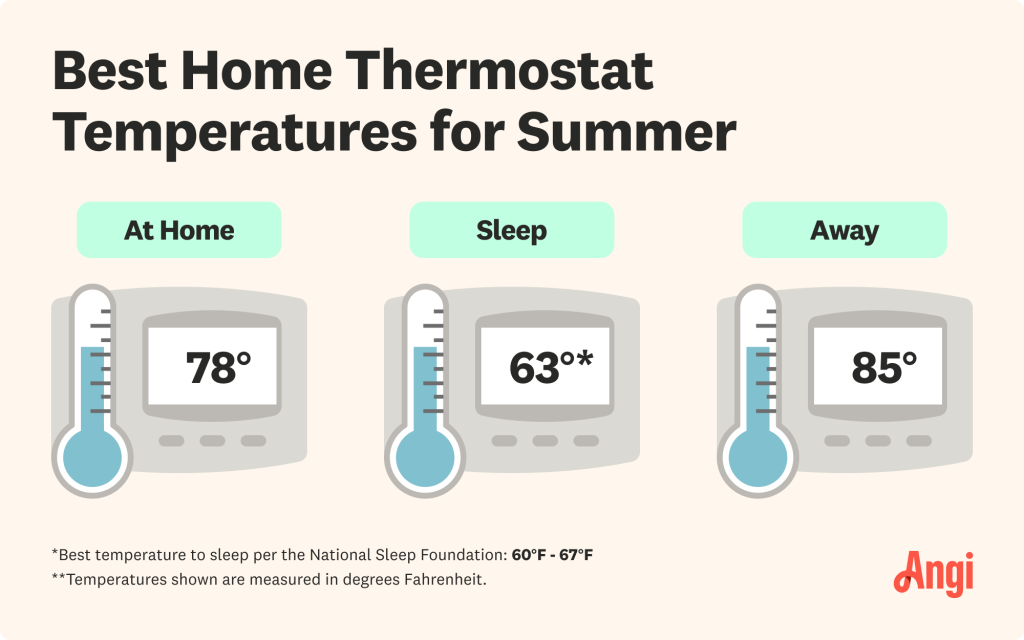
Setting the ideal temperatureto start your air conditioner can save energy and keep you comfortable. Experts suggest keeping indoor temperatures between 75°F and 78°Fwhen you are home. This range balances coolnessand energy efficiency.
When temperatures rise above 78°F, starting the AC helps maintain a pleasant environment. Lowering the temperature too much can waste energy and raise electricity bills. Adjusting the thermostat to a higher number when you are away or sleeping also saves energy.
Remember, every degree lower can increase energy use by about 6-8%. Using fans alongside the AC can help you feel cooler without lowering the temperature too much. This way, you get comfortand energy savingsat the same time.

Credit: www.angi.com
Signs You Need Cooling
High humidity levelsmake the air feel sticky and uncomfortable. When the air feels wet and heavy, it is a sign you need cooling. Sweating does not dry easily in such weather, which causes discomfort.
During heat waves, temperatures rise sharply for several days. These weather patterns make it hard to stay cool without air conditioning. Sudden hot days or long warm periods are clear signals to turn on the AC.
| Signs | What It Means |
|---|---|
| High Humidity | Air feels sticky and heavy; sweat doesn’t dry |
| Heat Waves | Long, hot days make staying cool difficult |
| Sudden Hot Days | Temperature spikes signal need for AC |
Energy Efficiency Tips
Using a smart thermostathelps save energy by setting the right temperature. Set the thermostat to a comfortable level, like 78°F, when you are home. Raise it a few degrees when you are away or sleeping. This simple change reduces power usewithout losing comfort.
Scheduling AC usage during off-peak hourscan lower energy bills. Many utilities charge less during these times. Use a timer or smart controls to turn the AC on before you return home. This way, the room cools without running all day.
- Set thermostat higher when no one is home
- Use programmable timers for better control
- Cool the home before peak hours start
- Keep blinds closed to block heat

Credit: www.acostainc.com
Health Considerations
Turning on the air conditioner helps in preventing heat-related illness. Hot weather can cause heat exhaustionand heat stroke. These conditions are risky, especially for children and older adults. Staying cool keeps the body safe and comfortable.
Air conditioners also improve air qualityinside your home. They reduce dust, pollen, and other allergens. Proper ventilation removes stale air and brings in fresh air. This helps people with allergiesor breathing problemsfeel better.
Alternative Cooling Methods
Fans help move air around the room. This can make you feel cooler by speeding sweat evaporation. Place fans near windows at night to bring in cool air. Use ceiling fans to circulate air without chilling the room too much.
Natural ventilation works well when the air outside is cooler than inside. Open windows and doors on opposite sides of a room. This creates a breeze that cools your home. Close windows and curtains during the hottest parts of the day to keep heat out.
| Shade Techniques | Insulation Techniques |
|---|---|
| Use curtains or blinds to block sunlight. | Seal cracks around windows and doors. |
| Plant trees or install awnings outside windows. | Add insulation in walls and attic to keep heat out. |
| Apply reflective window films to reduce heat. | Use weather stripping to prevent warm air entry. |

Credit: www.bhg.com
Maintaining Your Air Conditioner
Regular cleaningkeeps your air conditioner running smoothly. Dust and dirt can block filters and vents. This causes the unit to work harder and waste energy. Clean filters every month during heavy use. Schedule a professional service at least once a year. Technicians check for leaks, refrigerant levels, and electrical parts. This helps avoid costly repairs later.
Checking for efficiency losshelps save money. Notice if cooling takes longer or if bills rise suddenly. These signs show the unit may need attention. Keep an eye on unusual noises or smells. Fixing issues early keeps your air conditioner efficient and reliable.
Frequently Asked Questions
When Is The Best Temperature To Turn On An Air Conditioner?
The ideal temperature to turn on your air conditioner is around 78°F (25. 5°C). This balances comfort and energy efficiency. Turning it on too early can waste energy, while waiting too long may cause discomfort.
How Do I Know When To Switch On My Ac?
Switch on your AC when indoor temperatures rise above 75°F (24°C) and humidity feels uncomfortable. Also, consider your personal comfort and local weather patterns for the best timing.
Can Turning On Ac Too Early Affect Energy Bills?
Yes, turning on your AC too early increases energy consumption and raises bills. Use a programmable thermostat to optimize cooling times and save money.
Should I Wait For A Heatwave To Start My Ac?
It’s better not to wait for a heatwave. Early activation maintains steady indoor temperatures and prevents AC overload during extreme heat.
Conclusion
Choosing the right time to turn on your air conditioner helps save energy. Start when indoor heat feels uncomfortable and humidity rises. Waiting too long can make your home less cozy. Using a timer or thermostat keeps your space cool efficiently.
Regular maintenance also improves your AC’s performance. Staying aware of weather changes helps you decide wisely. Keep these tips in mind for a comfortable home all summer. Simple steps bring better comfort and lower bills. Your comfort matters, so act smart with your AC.