If you want to get the most out of your fishing gear, knowing how to put fishing line on a baitcast reel is a must. It might seem tricky at first, but once you get the hang of it, you’ll enjoy smoother casts and fewer tangles.
Imagine spending more time reeling in big catches and less time fixing knots or dealing with line twists. In this guide, you’ll learn simple, step-by-step instructions that make the process quick and easy. Ready to improve your fishing game? Let’s dive in and get your reel ready for action.

Credit: www.youtube.com
Choosing The Right Line
Choosing the right fishing line is important for baitcasting reels. The line affects casting distance and control.
Using the correct line type and strength helps avoid problems like tangles or breaks.
Types Of Fishing Line
There are three main types of fishing lines: monofilament, fluorocarbon, and braided. Each type works differently.
Monofilament is stretchy and easy to handle. Fluorocarbon is less visible underwater. Braided line is strong and thin.
- Monofilament: good for beginners and general use
- Fluorocarbon: best for clear water and low visibility
- Braided: ideal for heavy cover and long casts
Line Strength And Diameter
Line strength is measured by pounds. It shows how much weight the line can hold before breaking.
Diameter affects how the line moves through the rod guides and how much line fits on the reel.
- Stronger lines have thicker diameters but less casting distance
- Thinner lines cast farther but may break more easily
- Choose strength based on the fish you want to catch
Best Line For Baitcasting
Braided line is often the best choice for baitcasting reels. It is strong and thin, allowing longer casts.
Fluorocarbon is good as a leader line because it is less visible and resists abrasion.
- Use braided line for main spool fill
- Add a fluorocarbon leader for clear water conditions
- Pick line strength between 10-20 pounds for most baitcasting setups

Credit: www.youtube.com
Preparing The Reel
Putting fishing line on a baitcast reel starts with good preparation. Getting the reel ready helps the line go on smoothly.
Proper care of the reel parts prevents problems later. Clean and check everything before adding new line.
Cleaning The Spool
Remove the spool from the reel carefully. Use a soft cloth to wipe off dirt and old line residue. Avoid water that can cause rust.
- Take off the spool from the reel body.
- Use a dry cloth to clean the spool surface.
- Remove any old fishing line or debris.
- Check for signs of rust or damage.
Checking The Reel Components
Look over all parts of the reel to make sure they work well. Pay special attention to the handle, brakes, and line guide. Fix or replace any broken parts before loading the line.
| Component | What to Check | Action if Problem Found |
| Handle | Smooth rotation | Lubricate or tighten screws |
| Brakes | Proper tension and response | Adjust or replace brake pads |
| Line Guide | Free movement and no damage | Clean or repair guide |
Setting The Drag System
The drag system controls how the line pulls from the reel. Set it right to avoid line breakage. Test the drag by pulling the line by hand and adjust as needed.
- Turn the drag knob clockwise to increase resistance.
- Turn it counterclockwise to decrease resistance.
- Set drag to about 25-30% of your line’s breaking strength.
- Test by pulling the line with steady pressure.
Spooling The Line
Spooling the line on a baitcast reel is an important step for fishing. It helps the reel work smoothly and prevents problems while casting.
This guide will focus on how to spool the line correctly onto your baitcast reel. Following these tips will keep your line safe and ready to use.
Attaching The Line To The Spool
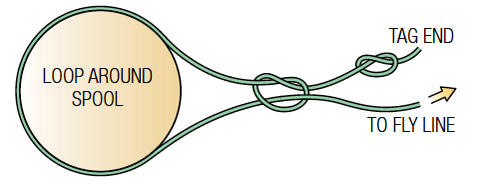
Start by threading the fishing line through the rod guides. Then wrap the line around the spool of the reel. Tie a secure knot, like an arbor knot, to attach the line.
Make sure the knot is tight and trimmed to avoid loose ends. This will keep the line from slipping when you start spooling.
Maintaining Tension While Spooling
Keep steady tension on the line as you spool it onto the reel. This stops the line from becoming loose or tangled. You can hold the line between your fingers for control.
Ask someone to hold the spool of line so it can spin freely. This helps the line wind evenly and tightly on the spool.
Avoiding Line Twist And Tangles
To prevent line twist, make sure the line comes off the filler spool the same way it goes onto the reel spool. Avoid letting the line loop or twist while spooling.
- Keep the line tight and straight
- Use a swivel if needed to reduce twist
- Check the line often for loops or tangles
- Stop and fix any twists before continuing
Adjusting Reel Settings
Setting your baitcast reel correctly helps you cast smoothly. You need to adjust the brakes and tension before fishing.
Proper settings reduce line tangles and improve casting distance. Let’s look at how to do this step by step.
Brake System Calibration
The brake system controls how fast the spool spins during a cast. Adjusting it prevents backlash or bird nests.
- Start with the brakes set to a medium level.
- Make short test casts and watch the spool speed.
- If the spool spins too fast, increase the brake strength.
- If the spool slows too much, decrease the brake strength.
- Fine-tune until you get a smooth, controlled cast.
Tension Knob Adjustment
The tension knob controls the spool’s resistance when you cast. It helps prevent backlash and controls the bait’s distance.
| Action | Effect |
| Tighten the tension knob | More spool resistance, shorter cast |
| Loosen the tension knob | Less spool resistance, longer cast |
| Set tension near bait weight | Better control and fewer tangles |
Testing The Cast
Testing your cast shows if the brake and tension settings are right. Make small adjustments based on what you see.
- Cast in an open area free of obstacles.
- Watch the spool for any fast spinning or slowing down.
- Listen for any unusual noises or backlash sounds.
- Adjust brakes or tension knob slightly after each test.
- Repeat until the cast is smooth and controlled.
Common Mistakes To Avoid
Putting fishing line on a baitcast reel seems simple. Yet, many anglers make errors that affect performance.
Avoiding these mistakes saves time and prevents problems while fishing.
Overfilling The Spool
Putting too much line on the spool causes tangles and backlash. The line needs space to move freely.
Leave about 1/8 inch of space from the spool’s edge to avoid overfilling.
- Overfilled spools cause line to catch on the reel
- Too little space increases risk of line knots
- Proper filling improves casting distance and smoothness
Using Incorrect Line Type
Not all fishing lines work well with baitcast reels. Choose a line type that fits your reel and fishing style.
Using the wrong line can cause poor casting and reduce reel life.
- Monofilament is smooth but can stretch too much
- Braid is strong but needs proper spool tension
- Fluorocarbon sinks fast but can be stiff on the spool
Ignoring Line Maintenance
Fishing line wears out over time. Dirt, sun, and water damage weaken it.
Neglecting line care can cause breaks and lost fish.
- Check the line for frays or damage regularly
- Replace old line to keep good strength
- Keep the spool clean and dry after use
Tips For Long-lasting Performance
Putting fishing line on a baitcast reel is an important task for good fishing. Taking care of the line helps it last longer and work better. Follow simple tips to keep your line strong and ready.
Check your fishing line often and store it well. Change the line when it shows signs of wear. These steps improve your fishing experience and protect your gear.
Regular Line Inspection
Look closely at your fishing line before every fishing trip. Check for cracks, frays, or weak spots. These problems can cause the line to break when you catch a fish.
- Run your fingers along the line to feel for rough patches.
- Look for discoloration or fading caused by sunlight.
- Check for small cuts or nicks on the line surface.
- Replace line if you see any damage or wear.
Proper Storage Techniques
Store your baitcast reel and line in a dry, cool place. Avoid direct sunlight and high heat, which can weaken the line. Proper storage keeps the line strong and ready to use.
| Storage Tip | Reason |
| Keep reel in a protective case | Prevents dust and damage |
| Store line away from sunlight | Prevents UV damage |
| Keep line dry | Prevents mold and weakening |
| Avoid extreme temperatures | Maintains line strength |
Replacing Line When Needed
Change your fishing line regularly to keep it performing well. Old line loses strength and can cause lost fish. Replace the line if it feels stiff or looks worn out.
- Remove the old line from the reel carefully.
- Choose the right type and strength of line for your fishing.
- Attach the new line securely to the reel spool.
- Fill the spool with the new line evenly without overfilling.
- Test the line tension and adjust if needed.

Credit: www.youtube.com
Frequently Asked Questions
How Do I Choose The Right Fishing Line For Baitcast Reels?
Choose a line based on your target fish and fishing conditions. Monofilament, fluorocarbon, and braided lines suit different needs. Check your reel’s line capacity before purchasing. Lighter lines offer better casting, while heavier lines provide more strength and durability.
What Is The Best Way To Spool A Baitcast Reel?
Start by attaching the line to the spool with a secure knot. Hold the line taut while winding slowly. Ensure the line winds evenly across the spool. Avoid overfilling to prevent tangles or backlash during casting.
How Much Fishing Line Should I Put On My Baitcast Reel?
Fill your baitcast reel about 1/8 inch below the spool’s edge. This prevents overfilling and reduces the risk of line tangles. Check your reel’s capacity specs for the right amount, balancing casting distance and line strength.
How Can I Prevent Line Twists On A Baitcast Reel?
Use braided or fluorocarbon lines to reduce twists. Always spool the line under tension. Avoid letting the line slack during casting or retrieval. Properly maintain your reel to ensure smooth line flow and prevent tangling.
Conclusion
Putting fishing line on a baitcast reel is simple with practice. Follow each step carefully for the best results. Keep the line tight and avoid twists. Check the reel regularly for smooth casting. Good line setup helps catch more fish.
Try it yourself and enjoy fishing more. Patience and care make a big difference. Ready to fish with confidence?