Are you wondering if your 2200 watt generator can power your RV air conditioner? Keeping cool while on the road is a top priority, especially during hot summer trips.
But not all generators are built the same, and using the wrong one could leave you sweating or even damage your equipment. You’ll discover exactly what it takes to run your RV air conditioner smoothly and safely with a 2200 watt generator.
Stick with me, and you’ll know how to stay comfortable without overloading your power source.

Credit: www.microair.net
Rv Air Conditioner Power Needs
Many RV owners wonder if a 2200 watt generator can run their air conditioner. The power needs depend on the AC unit’s size and type. Understanding these needs helps avoid power problems.
Knowing how much power your RV air conditioner uses is important. This guide explains typical wattage, starting and running watts, and how AC size affects power use.
Typical Wattage For Rv Ac Units
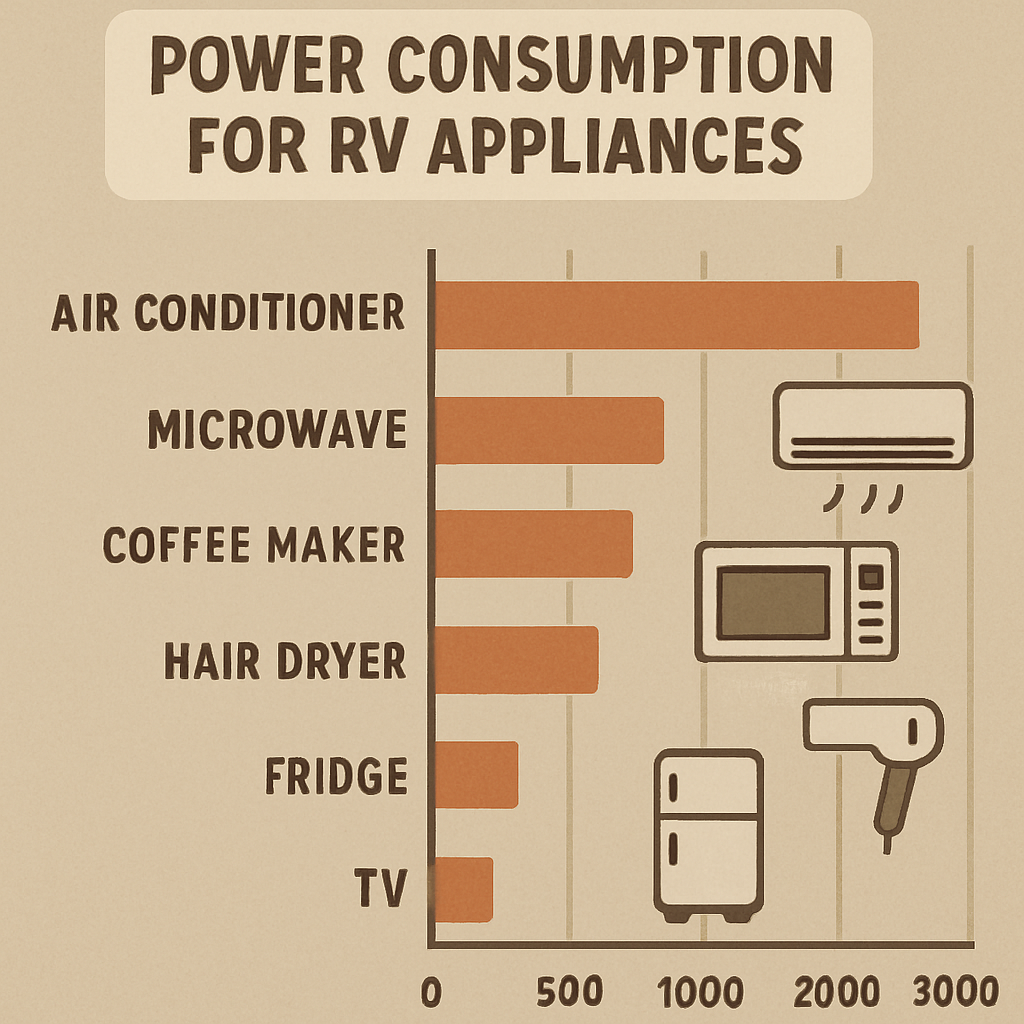
RV air conditioners usually use between 1000 and 2000 watts while running. Small units use less power, while larger ones need more. This running wattage is what the generator must support continuously.
- Small RV AC units: around 1000-1300 watts
- Medium RV AC units: about 1400-1800 watts
- Large RV AC units: close to 2000 watts or more
Starting Vs Running Watts
Air conditioners need extra power when they start. This is called starting watts. It is higher than running watts and lasts a few seconds. Generators must handle this surge to run the AC properly.
- Running watts: power needed to keep AC running
- Starting watts: power needed to start the AC motor
- Starting watts can be 2 to 3 times running watts
- 2200 watt generators may struggle with high starting watts
Impact Of Ac Size On Power Consumption
Bigger air conditioners cool more space but use more power. A larger AC means more running and starting watts. Small generators might not run big AC units well.
| AC Size (BTU) | Running Watts | Starting Watts |
|---|---|---|
| 5,000 BTU (Small) | 1000-1300 W | 2000-2500 W |
| 8,000 BTU (Medium) | 1400-1800 W | 2800-3500 W |
| 13,500 BTU (Large) | 1800-2200 W | 3600-4400 W |
Credit: www.theautopian.com
Generator Capacity And Performance
A 2200 watt generator can power many small appliances. Running an RV air conditioner with it depends on the generator’s capacity.
Generators have limits on how much power they provide continuously and at peak times. Knowing these limits helps you avoid overloads.
Understanding Generator Watt Ratings
Generators list two watt ratings: running watts and starting watts. Running watts are the power used during normal operation.
Starting watts are higher. They cover the extra power needed when appliances first turn on, like air conditioners.
- Running watts: steady power output
- Starting watts: short burst for startup
- Air conditioners need more starting watts
Continuous Vs Peak Power Output
Continuous power is what a generator can supply nonstop. Peak power is a brief boost for starting appliances.
A 2200 watt generator might have about 1800-2000 running watts and 2200 peak watts. Air conditioners often need more than this at startup.
- Continuous power supports normal use
- Peak power supports startup surges
- Exceeding continuous power causes shutdowns
Factors Affecting Generator Efficiency
Generator efficiency changes with load, fuel type, and maintenance. Running near full capacity is best for efficiency.
Using fuel with the right octane and cleaning air filters helps the generator run smoothly and last longer.
- Load size affects fuel consumption
- Clean air filters improve performance
- Correct fuel type avoids engine problems
- Regular maintenance keeps power steady
Can A 2200 Watt Generator Handle An Rv Ac?
Many RV owners wonder if a 2200 watt generator can run their air conditioner. The answer depends on the power needs of the AC unit and the generator’s capacity. This guide looks at the key points to consider.
Understanding the power requirements helps you avoid damage to your equipment and ensures smooth operation while camping or traveling.
Comparing Generator Output To Ac Requirements
RV air conditioners usually need more power than their running wattage. The starting wattage is often much higher and can exceed what a 2200 watt generator can supply.
| Power Type | Typical Watts Needed |
| Running Watts | 1500 – 1800 W |
| Starting Watts (Surge) | 2200 – 3000 W |
| 2200 Watt Generator Output | 2200 W (peak) |
Challenges With Starting Surge
Starting surge is the extra power needed when the AC compressor first starts. It can be double the running watts. A 2200 watt generator may struggle to handle this surge.
- Starting surge can cause the generator to shut down.
- Repeated surges shorten generator life.
- Some generators have surge protection features.
- Using a soft start device can reduce surge demands.
Real-world Usage Scenarios
In real use, a 2200 watt generator may run a small RV AC during low temperatures or short periods. It works best with efficient AC units and when no other heavy appliances run.
Example scenarios where a 2200 watt generator might work:
- Running a 13,500 BTU AC with soft start technology
- Using the AC only for cooling at night
- No other major appliances like microwaves or heaters running
- Operating in mild weather to reduce AC load
Credit: erayakpower.com
Alternatives And Solutions
A 2200 watt generator may not always run an RV air conditioner well. Most RV AC units need more power to start and run smoothly. This can cause the generator to struggle or shut down.
There are ways to fix this problem. You can try using a bigger generator, save energy while using the AC, or add battery or solar power to help.
Using A Larger Generator
A bigger generator can handle the high power needs of an RV air conditioner. Most AC units need around 3000 to 3500 watts at startup. A 2200 watt generator is usually too small for this.
Choosing a generator with at least 3500 watts will give your AC enough power. It also helps to avoid damage to the generator and keeps your AC running smoothly.
- Look for generators with 3500 watts or more
- Check the starting watt rating, not just running watts
- Choose reliable brands with good reviews
Energy-saving Tips For Rv Ac Use
You can reduce how much power your AC uses. This helps if you only have a smaller generator or want to save fuel.
Simple changes can lower the load on your generator and keep your RV cooler longer.
- Use fans to help move air and cool down faster
- Keep windows and doors closed to keep cold air in
- Set the thermostat to a higher temperature like 78°F
- Run the AC only during the hottest parts of the day
- Use reflective window covers to block sunlight
Supplementing With Battery Or Solar Power
You can add batteries or solar panels to help power your RV air conditioner. These sources can reduce the load on your generator.
Batteries store energy to use when the AC needs it. Solar panels charge the batteries during the day. This setup saves fuel and lets you run the AC longer.
- Use deep cycle batteries designed for RV use
- Install solar panels with enough watt capacity
- Use a power inverter to convert battery power for the AC
- Combine solar and generator power for best results
Safety And Maintenance Tips
Running a 2200 watt generator for your RV air conditioner needs care. Safety and maintenance help keep the generator and AC working well.
Follow these tips to avoid damage and ensure your generator runs safely and lasts longer.
Avoiding Overload On Generators
Do not use more power than your generator can handle. Overloading can cause damage or stop the generator.
- Check your air conditioner’s starting and running watts.
- Keep total power use below the 2200 watt limit.
- Turn off other devices when the AC is running.
- Use a generator with a higher watt rating if needed.
Proper Generator Placement
Place the generator where it stays safe and works well. Good placement stops accidents and protects health.
| Placement Factor | Details |
| Distance | Keep at least 10 feet from the RV and buildings |
| Ventilation | Place in open air to avoid carbon monoxide buildup |
| Surface | Use a flat, dry surface to prevent tipping or damage |
| Noise | Place away from windows and doors to reduce noise inside |
Regular Maintenance For Reliable Operation
Keep your generator in good shape with regular checks and care. This helps prevent failures during use.
Important maintenance tasks include:
- Change the oil after every 50 hours of use.
- Clean or replace the air filter monthly.
- Check spark plugs for wear and replace if needed.
- Inspect fuel lines for cracks or leaks.
- Run the generator monthly to keep parts lubricated.
Frequently Asked Questions
Can A 2200 Watt Generator Power An Rv Ac?
A 2200 watt generator can run a small RV air conditioner, but larger units may exceed its capacity. Check your AC’s starting and running watts to ensure compatibility.
What Size Generator Is Needed For Rv Air Conditioners?
Most RV air conditioners require 3000 to 3500 watts to start and 1500 to 2000 watts to run. A 2200 watt generator might struggle with larger AC units.
How To Calculate Generator Wattage For Rv Ac?
Add your AC’s starting watts to other appliance wattages. This total helps determine if a 2200 watt generator can handle the load safely.
Will A 2200 Watt Generator Handle Rv Ac Startup?
The startup surge of an RV AC often exceeds 2200 watts. This may cause the generator to overload or shut down during AC startup.
Conclusion
A 2200 watt generator can run some RV air conditioners, but not all. Many RV AC units need more power to start and run safely. Check your air conditioner’s power needs before choosing a generator. Using the right generator helps avoid damage and keeps your trip comfortable.
Always plan your power needs carefully to enjoy your RV experience without worries.