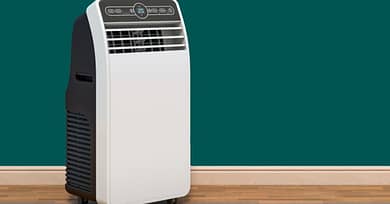
Are you wondering how to dispose of your old air conditioner safely and responsibly? Getting rid of an AC unit might seem simple, but if not done correctly, it can harm the environment and even cost you extra money.
You’ll discover easy steps to dispose of your air conditioner the right way. By following these tips, you’ll protect your home, save money, and contribute to a cleaner planet. Keep reading to learn how to handle your AC disposal without stress or hassle.
Reasons To Dispose Air Conditioners Properly
Proper disposal of air conditioners is very important for the environment. Old AC units contain harmful chemicalslike refrigerants. These chemicals can damage the ozone layerand cause air pollution. This leads to climate changeand health problemsfor people and animals.
There are health risksfrom broken or leaking ACs. The refrigerants can cause breathing problemsand skin irritation. Also, old ACs may have sharp partsthat can cause injuries.
Many places have lawsabout how to throw away air conditioners. These rules protect the environment and people’s health. Following these legal requirementsavoids finesand penalties. It ensures safe handling and recycling of parts.
Preparing Your Air Conditioner For Disposal
Removing refrigerantsis key to safe air conditioner disposal. These gases can harm the environment if released. Certified professionals should handle this task. They use special tools to capture and recycle refrigerants.
Disconnecting electrical components requires caution. First, unplug the unit from power sources. Then, carefully detach wires and cables. Label parts to avoid confusion. This makes recycling easier and safer.
Cleaning the air conditioner helps prevent spills and damage. Remove dust, dirt, and any leftover fluids. Use a damp cloth and mild detergent. Let the unit dry completely before packaging.
Packing the air conditioner properly protects it during transport. Wrap it in thick plastic or bubble wrap. Secure with strong tape. Place the unit in a sturdy box if possible.
Eco-friendly Disposal Methods
Many local recycling centersaccept old air conditioners. They safely remove harmful chemicals and recycle metal parts. This helps protect the environmentand reduces waste in landfills.
Manufacturer take-back programsoffer a convenient way to dispose of units. Some brands take back old air conditioners for free or a small fee. They ensure proper recycling or safe disposal of components.
- Donationto charities or schools can give your unit a second life.
- Some organizations repair and reuse air conditioners for people in need.
- This option helps reduce waste and supports your community.

Credit: www.thespruce.com
Hazardous Material Handling
Refrigerantsin air conditioners must be handled carefully. These gases can harm the environment if released. Trained technicians use special tools to capture refrigerants safely. Never release them into the air.
Air conditioners also contain heavy metalslike mercury and lead. These metals are dangerous to people and nature. Proper disposal requires separating these metals before recycling or dumping the unit.
- Wear protective gloves and masks to avoid contact.
- Use containers designed for hazardous materials.
- Label materials clearly for safe handling.
- Keep units upright to avoid leaks during transport.
- Transport to authorized recycling or disposal centers only.
Local Regulations And Guidelines
Many places have specific rules for disposing of air conditioners. These rules help protect the environment. It is important to follow them to avoid fines.
Check with your local waste management officeor city website. They often list approved disposal servicesnearby. Some stores also offer take-back programs for old units.
Disposal fees may apply. These fees cover safe removal and recycling. The cost can vary by location and unit size.
| Fee Type | Details |
|---|---|
| Drop-off Fee | Charged when you bring the unit to a facility |
| Pickup Fee | Charged if a service picks up the unit from your home |
| Recycling Fee | Cost for safely recycling refrigerants and metals |
Illegal dumping harms the environment and can cause penalties. Report any suspicious dumping to local authorities. This helps keep communities clean and safe.

Credit: bigrichhauling.com
Benefits Of Eco-friendly Disposal
Eco-friendly disposalhelps cut down on harmful gases. Old air conditioners have chemicals that hurt the air. Proper disposal stops these gases from reaching the sky. This action reduces the carbon footprintand helps fight climate change.
It also conserves resources. Parts of old air conditioners can be reused or recycled. This means less need to mine for new materials. Saving resources protects the earth and saves energy.
Protecting wildlifeis another key benefit. Chemicals from wrong disposal harm animals and plants. Using safe disposal methods keeps nature safe and clean. Animals can live without danger from toxic waste.
Tips To Extend Air Conditioner Lifespan
Cleaning your air conditioner regularly keeps it working well for a long time. Dust and dirt can block the air filters and reduce airflow. Change or clean filters every month during heavy use. This helps the unit cool better and saves energy.
Use your air conditioner wisely to save power and reduce wear. Set the temperature to a comfortable but not very low level. Avoid cooling empty rooms. Use fans to help spread cool air faster. Turn off the unit when not needed.
Fix small problems quickly. Strange noises or weak cooling can mean something is wrong. Call a repair service early to avoid bigger damage. Regular check-ups by a technician can find issues before they cause breakdowns.

Credit: www.thespruce.com
Frequently Asked Questions
How Do I Safely Dispose Of An Old Air Conditioner?
To dispose of an old AC safely, contact a certified recycling center. They handle refrigerants and metals responsibly, preventing pollution and ensuring compliance with laws.
Can I Throw My Air Conditioner In Regular Trash?
No, air conditioners contain harmful refrigerants and metals. Proper disposal requires recycling or special waste services to protect the environment and follow regulations.
Where Can I Recycle My Air Conditioner Unit?
Many local recycling centers or appliance stores accept old AC units. Check with your city’s waste management or recycling programs for convenient drop-off locations.
What Should I Do Before Disposing Of An Air Conditioner?
Turn off and unplug the unit. Remove refrigerants professionally and clear personal data if it has smart features. This ensures safety and privacy.
Conclusion
Disposing of your air conditioner safely protects the environment. Follow local rules to avoid fines and harm. Remove harmful chemicals carefully before disposal. Recycling parts saves resources and reduces waste. Contact certified centers for proper handling. Taking these steps keeps your home and planet safe.
Small actions make a big difference. Choose smart disposal for a cleaner future.