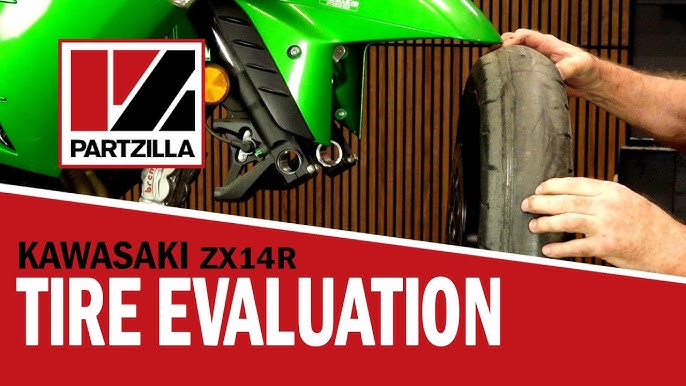
Your motorcycle tires are the only part of your bike that touches the road. That means their condition directly affects your safety and riding experience.
But how do you know when it’s time to replace them? Ignoring worn-out tires can lead to dangerous situations, while replacing them too soon might cost you extra money. You’ll discover clear signs and simple tips to help you decide the right moment to change your motorcycle tires.
Keep reading to protect yourself and get the most out of every ride.
Signs Of Tire Wear
Motorcycle tires wear out over time and need replacing to keep you safe. Watching for signs of tire wear helps you know when to change them.
Ignoring worn tires can cause accidents and reduce your bike’s handling. Learn to spot common signs of tire wear early.
Tread Depth Limits
Tread depth shows how much tire rubber is left on the surface. Low tread depth means less grip on wet or slippery roads.
Most experts say to replace tires when tread depth falls below 2mm. This limit keeps your bike safe in normal conditions.
- Use a tread depth gauge or a coin to check depth
- Look for wear indicators built into the tire tread
- Replace tires if tread is close to or below 2mm
Visible Cracks And Damage
Cracks on the tire sidewall or tread show the rubber is aging or damaged. Small cracks can grow and cause tire failure.
Other damage like cuts, punctures, or bulges also means you need a new tire. These problems reduce tire strength and safety.
- Check tires for cracks in sidewalls and tread
- Look for cuts, holes, or objects stuck in the tire
- Replace tires with visible damage or bulges
Uneven Wear Patterns
Uneven wear happens when parts of the tire wear faster than others. It can cause poor handling and unsafe riding conditions.
Uneven wear can be caused by wrong tire pressure, bad wheel alignment, or suspension issues. Fix these and replace the tires.
- Check if tire tread wears more on one side
- Look for flat spots or cupping on the tire
- Replace tires showing uneven wear patterns

Credit: www.reddit.com
Impact Of Riding Conditions
Riding conditions greatly affect when you should replace motorcycle tires. Different factors wear tires in different ways. Knowing these helps keep you safe on the road.
Pay attention to how weather, terrain, and storage affect tire life. This can help you spot when tires need changing.
Effects Of Weather
Weather changes how tires perform and wear out. Hot weather can make tires softer and wear faster. Cold weather can make tires hard and crack.
Wet or icy roads reduce tire grip. Riding often in these conditions wears tires unevenly. Check tires more often if you ride in bad weather.
- Heat softens tires and increases wear
- Cold makes tires hard and brittle
- Wet roads can cause uneven tire wear
- Freezing conditions may cause cracks
Terrain And Usage
Different terrains wear tires in different ways. Rough roads cause more damage than smooth highways. Off-road riding wears tires faster.
Heavy usage and fast riding also reduce tire life. Tires lose tread and grip quicker if you ride aggressively or carry heavy loads.
- Rough roads increase tire wear
- Off-road riding damages tires faster
- High speeds cause faster tread loss
- Heavy loads strain tires more
Storage And Maintenance
How you store and maintain tires affects their lifespan. Tires left in sunlight or near heat can dry out and crack. Proper storage keeps tires safe longer.
Regularly check tire pressure and clean tires to prevent damage. Good maintenance helps tires last and perform well.
- Avoid storing tires in direct sunlight
- Keep tires away from heat sources
- Check and maintain proper tire pressure
- Clean tires to remove dirt and chemicals
Safety Concerns
Riding a motorcycle requires good tires for safety. Old or worn tires can cause serious problems. Knowing when to replace them helps avoid accidents.
This guide explains key safety issues from bad tires. It covers traction, handling, and puncture risks to keep you safe.
Reduced Traction Risks
Tires with low tread lose grip on the road. This makes it harder to stop or turn safely. Wet or slippery surfaces become extra dangerous.
- Longer stopping distances
- Increased chance of skidding
- Less control on sharp turns
- Higher risk on wet roads
Handling And Stability Issues
Worn tires affect how the motorcycle handles. You may feel vibrations or wobbling. This can make riding tiring and unsafe.
| Issue | Effect on Riding |
| Uneven tire wear | Pulls bike to one side |
| Low air pressure | Reduces stability |
| Cracks or bulges | Can cause sudden blowouts |
Increased Puncture Vulnerability
Old tires are weaker and more likely to get punctured. Sharp objects can easily cause flats. This puts riders at risk of losing control suddenly.
Signs of puncture risk:
- Visible cracks or dry rot on tire surface
- Embedded nails or glass pieces
- Frequent loss of air pressure
- Thin or worn tread layers
Recommended Replacement Intervals
Knowing when to replace motorcycle tires is key for safety. Tires wear out over time and use. It is important to follow some guidelines to keep your ride safe.
This guide covers the main factors to consider for tire replacement. These include manufacturer advice, mileage, and tire age.
Manufacturer Guidelines
Tire makers give specific advice on when to change tires. They know the best time based on their design and materials.
- Check the user manual for recommended intervals.
- Look for wear indicators on the tire surface.
- Follow any warnings about tire damage or cracks.
- Replace tires as soon as the tread depth is too low.
Mileage Benchmarks
Mileage helps estimate when tires need replacement. It depends on tire type and riding style.
| Tire Type | Typical Mileage |
|---|---|
| Sport Tires | 3,000 – 7,000 miles |
| Touring Tires | 8,000 – 15,000 miles |
| Off-road Tires | 5,000 – 10,000 miles |
| Dual-sport Tires | 6,000 – 12,000 miles |
Age Of Tires
Tires wear out with age even if mileage is low. Rubber hardens and cracks over time.
- Replace tires every 5 to 6 years regardless of use.
- Check the tire’s manufacture date stamped on the sidewall.
- Store tires away from sunlight and heat to slow aging.
Choosing The Right Replacement Tires
Replacing motorcycle tires is important for safety and performance. Choosing the right tires can improve your ride quality and handling.
Consider your riding needs and tire options carefully. This guide helps you pick the best tires for your bike.
Matching Tire Type To Riding Style
Different tires suit different riding styles. Sport tires offer better grip on smooth roads. Touring tires last longer and provide comfort on long rides.
- Sport: High grip, good for fast riding on pavement
- Touring: Durable, designed for long distance comfort
- Off-road: Knobby tread for dirt and rough terrain
- Dual-sport: Balanced for both on-road and off-road use
Considering Tire Quality And Brand
Quality and brand affect tire safety and durability. Trusted brands often use better materials and technology. Cheaper tires may wear out fast or cause handling issues.
| Brand | Price Range | Durability | Grip Level |
|---|---|---|---|
| Brand A | High | Excellent | High |
| Brand B | Medium | Good | Moderate |
| Brand C | Low | Fair | Low |
Budgeting For New Tires
Plan your budget to cover tire cost and installation. Tires vary widely in price depending on type and brand. Remember to include costs for balancing and disposal fees.
Here are tips to budget smartly:
- Set aside funds for quality tires to ensure safety.
- Compare prices from different sellers or shops.
- Include extra money for mounting and balancing services.
- Check if your bike needs special tires that cost more.
- Save a bit more for future tire changes or repairs.

Credit: www.reddit.com
Tips For Extending Tire Life
Motorcycle tires wear out over time and need replacement. Taking care of your tires helps you save money and stay safe.
Use simple habits to make your tires last longer. Check your tires often and keep them in good condition.
Proper Inflation Techniques
Keep your tires inflated to the pressure recommended by the manufacturer. This helps your tires wear evenly and improves fuel efficiency.
Check tire pressure when the tires are cold. Use a reliable pressure gauge for accurate readings.
- Check tire pressure once a week
- Adjust pressure to match load and speed
- Do not overinflate or underinflate tires
Regular Inspections
Look at your tires every time before you ride. Check for cuts, cracks, or objects stuck in the tire.
Measure tread depth regularly. Replace tires when tread is too low for safe riding.
- Check for uneven wear or bald spots
- Inspect sidewalls for damage
- Remove stones or debris from tread
Balanced Riding Habits
Ride smoothly to reduce tire wear. Avoid hard braking and sharp turns when possible.
Keep your motorcycle balanced and avoid carrying extra weight. This helps tires wear evenly and last longer.
- Accelerate gently
- Brake gradually
- Take corners at moderate speed
- Distribute weight evenly on the bike

Credit: www.reddit.com
Frequently Asked Questions
When Is The Best Time To Replace Motorcycle Tires?
Replace tires when tread depth reaches 2/32 inch or less. Also, swap tires if you notice cracks, bulges, or uneven wear. Regularly inspect tires for damage and age. Tires older than five years should be replaced for safety.
How Do Worn Motorcycle Tires Affect Riding Safety?
Worn tires reduce grip and handling, increasing crash risk. They also lengthen braking distance and impair cornering stability. Maintaining good tire tread ensures optimal traction on wet or dry roads. Replace tires promptly to keep your ride safe.
Can You Ride With Tires That Show Sidewall Damage?
No, sidewall damage weakens tire structure and risks blowouts. Riding on damaged sidewalls is dangerous and can cause accidents. Always inspect tires for cracks, cuts, or bulges. Replace tires immediately if sidewall damage is found.
How Does Tire Age Impact Motorcycle Tire Replacement?
Tire rubber degrades over time, losing flexibility and grip. Even unused tires older than five years should be replaced. Age can cause cracks and dry rot, risking tire failure. Check the manufacturing date and replace tires as recommended.
Conclusion
Regularly check your motorcycle tires for signs of wear. Replace them when the tread looks thin or uneven. Cracks or bulges mean it’s time for new tires. Riding on worn tires can be unsafe and cause accidents. New tires keep your bike stable and improve control.
Don’t wait until a problem appears suddenly. Staying proactive helps you enjoy safer rides every time. Remember, good tires protect both you and your motorcycle. Keep an eye on tire condition to ride confidently and safely.