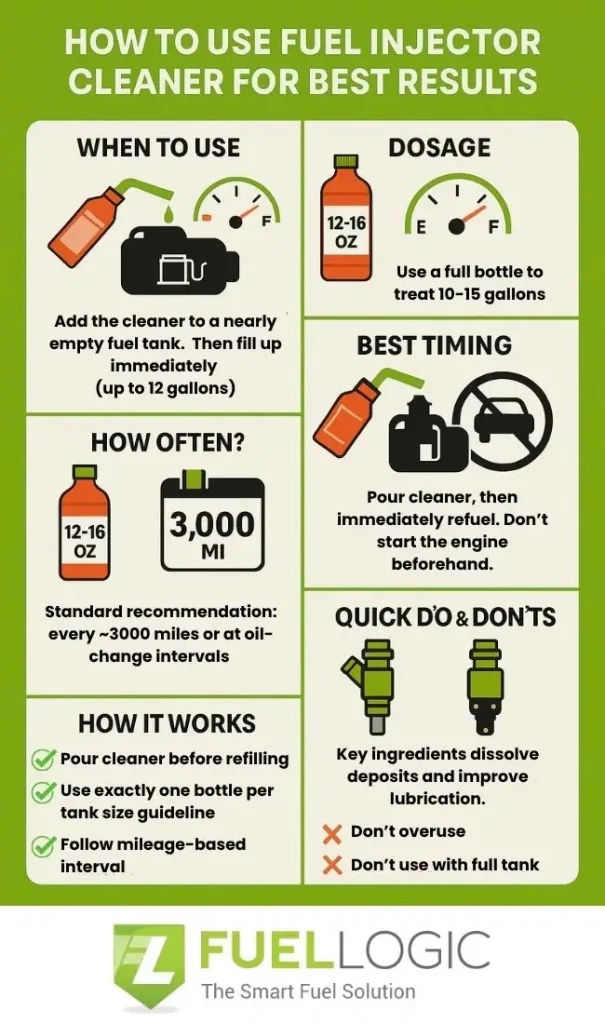
Are you noticing your car’s engine running rough or your fuel efficiency dropping? It might be time to give your fuel system some extra care.
Using a fuel system cleaner is one of the easiest ways to keep your engine running smoothly and save money at the pump. But how do you use it correctly to get the best results? You’ll discover simple steps to clean your fuel system effectively, helping your car perform better and last longer.
Keep reading to learn how a small maintenance habit can make a big difference for your vehicle.

Credit: proservicesolutions.com.au
Why Fuel System Cleaners Matter
Fuel system cleaners help keep your car’s engine clean and running well. They remove dirt and build-up inside the fuel system.
Using a fuel system cleaner can improve how your engine works and save money on repairs.
Impact On Engine Efficiency
Fuel system cleaners remove deposits that slow down your engine. Clean fuel parts help the engine burn fuel better.
A clean engine uses less fuel and runs smoother. This means better mileage and less pollution.
Common Fuel System Issues
Dirt and gum can build up in fuel injectors, fuel lines, and intake valves. This causes poor engine performance.
- Clogged fuel injectors reduce fuel flow
- Dirty intake valves lower air flow
- Deposits cause rough idling and engine knocking
- Fuel lines can get blocked, causing stalling
Benefits Of Regular Cleaning
Using fuel system cleaner regularly keeps fuel parts clear of build-up. This helps your engine last longer.
Regular cleaning reduces emissions and prevents costly repairs. It keeps your car running reliably every day.
Choosing The Right Cleaner
Using a fuel system cleaner can keep your vehicle running smoothly. Picking the right cleaner is important for the best results.
This guide helps you understand different types of cleaners and how to choose one that fits your car.
Types Of Fuel System Cleaners
Fuel system cleaners come in several forms. Each type targets specific parts of your engine.
- Fuel injector cleaners: Clean the fuel injectors to improve spray patterns.
- Intake valve cleaners: Remove deposits from intake valves for better airflow.
- Combustion chamber cleaners: Help clear carbon buildup inside the engine.
- Complete fuel system cleaners: Work on the whole fuel system for overall cleaning.
Compatibility With Your Vehicle
Not all cleaners work with every vehicle. Check if the cleaner suits your engine type and fuel system.
| Vehicle Type | Recommended Cleaner |
| Gasoline Engines | Fuel injector or complete system cleaners |
| Diesel Engines | Diesel-specific fuel system cleaners |
| Older Vehicles | Strong combustion chamber cleaners |
| Newer Vehicles | Mild cleaners safe for sensors |
Reading Product Labels
Labels show what the cleaner does and how to use it. Pay close attention to instructions and warnings.
- Check if the cleaner fits your fuel type (gasoline or diesel).
- Look for recommended engine sizes or types.
- Read the safety warnings carefully.
- Follow the dosage and usage instructions exactly.
Preparing For The Cleaning Process
Using a fuel system cleaner can help keep your engine running smoothly. Before you start, you need to prepare properly. This makes the cleaning safe and effective.
Preparation includes understanding safety rules, gathering the right tools, and knowing the best time to use the cleaner. Each step matters for good results.
Safety Precautions
Fuel system cleaners contain chemicals that can be harmful. Always work in a well-ventilated area to avoid breathing fumes. Keep away from open flames or sparks. Wear gloves and eye protection to avoid contact with skin and eyes.
- Use gloves to protect your hands
- Wear safety glasses to shield your eyes
- Work outside or in a garage with good airflow
- Keep fuel away from heat and open flames
- Store cleaner in a cool, dry place out of reach of children
Tools And Materials Needed
| Item | Purpose |
| Fuel System Cleaner | Remove deposits and improve fuel flow |
| Gloves | Protect hands from chemicals |
| Safety Glasses | Protect eyes from splashes |
| Funnel | Pour cleaner into fuel tank without spills |
| Owner’s Manual | Check vehicle-specific instructions |
When To Use The Cleaner
Use the fuel system cleaner if your engine shows signs of fuel buildup. Symptoms include rough idling, poor acceleration, or increased fuel consumption. Also, use it after driving in dusty or dirty conditions.
- If your engine hesitates or stalls
- When you notice a drop in fuel efficiency
- Every 3,000 to 5,000 miles for regular maintenance
- After refueling with low-quality gasoline
Credit: www.walmart.ca
Step-by-step Cleaning Guide
Using a fuel system cleaner helps keep your engine running smoothly. This guide shows you how to use it safely and effectively.
Follow these simple steps to add the cleaner, run your engine, and check performance.
Adding Cleaner To The Fuel Tank
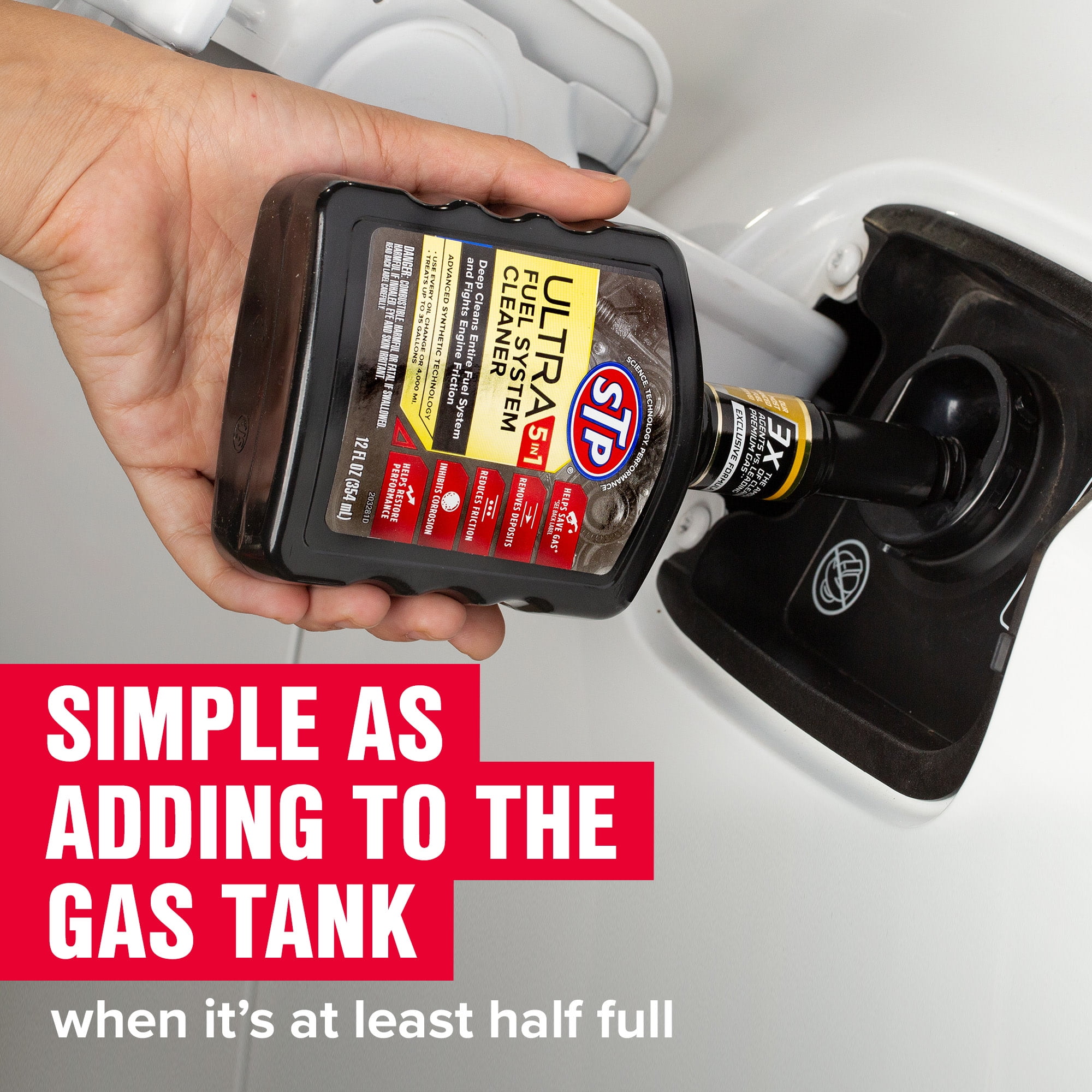
Start by choosing a fuel system cleaner that fits your vehicle’s engine type. Read the instructions on the cleaner’s bottle carefully.
- Park your vehicle on a flat surface and turn off the engine.
- Open the fuel tank cap.
- Measure the recommended amount of cleaner.
- Pour the cleaner directly into the fuel tank.
- Close the fuel tank cap tightly.
Running The Engine
After adding the cleaner, start the engine and let it run. This helps the cleaner spread through the fuel system.
- Start your vehicle and let it idle for 5 to 10 minutes.
- Drive normally for at least 15 minutes to circulate the cleaner.
- Avoid heavy acceleration or high speeds during this time.
- Refuel as usual once the cleaner is used up.
Monitoring Performance During Use
Watch for changes in how your vehicle runs after using the cleaner. Check for smoother acceleration and quieter engine noise.
| Performance Aspect | What to Look For |
|---|---|
| Engine Smoothness | Fewer jerks or stalls |
| Fuel Efficiency | Improved miles per gallon |
| Exhaust Smoke | Less visible smoke |
| Engine Noise | Reduced knocking or rattling |
Post-cleaning Tips
Using a fuel system cleaner can help your engine run better. After cleaning, it is important to know what signs show improvement. Also, keep track of maintenance to protect your engine.
This guide covers how to spot better engine performance, follow a maintenance schedule, and decide when to clean the fuel system again.
Signs Of Improved Engine Performance
After using a fuel system cleaner, watch for these changes in your engine. They show the cleaner worked well.
- Smoother engine idle with fewer vibrations
- Quicker acceleration when you press the gas
- Better fuel efficiency on your regular drives
- Less engine knocking or pinging sounds
- Reduced exhaust smoke or odors
Maintenance Schedule
Regular care keeps your fuel system clean and engine healthy. Follow a simple schedule to stay on track.
| Task | Frequency |
| Use fuel system cleaner | Every 3,000 to 5,000 miles |
| Change fuel filter | Every 20,000 to 30,000 miles |
| Inspect spark plugs | Every 30,000 miles |
| Check engine light diagnosis | As soon as it turns on |
When To Repeat The Process
Repeating fuel system cleaning depends on your engine’s needs and driving habits. Watch for signs that show it is time to clean again.
- Notice a drop in engine power or acceleration
- See a rise in fuel consumption without reason
- Experience rough idling or engine stalling
- Detect unusual engine noises or smells
- After driving in heavy traffic or dirty environments
Common Mistakes To Avoid
Using a fuel system cleaner can help maintain your vehicle’s engine. Yet, many people make simple errors. These mistakes can reduce the cleaner’s effectiveness or harm your engine.
Learn about three common mistakes to avoid. This will help you use fuel system cleaners safely and correctly.
Overusing The Cleaner
Using too much fuel system cleaner can cause damage. It may lead to clogged filters or injectors. Overuse also wastes money and may harm engine parts.
- Do not add cleaner every time you fill gas.
- Follow the product’s recommended amount per fuel tank.
- Use cleaner only as often as the instructions suggest.
Ignoring Manufacturer Recommendations
Car makers give specific advice for fuel system cleaners. Ignoring these can cause problems. Your warranty may be voided, or engine parts may wear out faster.
| Recommendation | Why It Matters |
|---|---|
| Use only approved products | Prevents damage to engine components |
| Follow cleaning intervals | Keeps engine running smoothly |
| Check fuel type compatibility | Avoids chemical reactions in fuel system |
Mixing Different Products
Mixing fuel system cleaners from different brands can cause chemical conflicts. These can reduce cleaning power or create harmful deposits.
Follow these tips to avoid mixing problems:
- Use one brand of cleaner at a time.
- Flush the fuel system before switching products.
- Read product labels for warnings about mixing.
- Ask a mechanic if unsure about product compatibility.

Credit: www.chevronlubricants.com
Frequently Asked Questions
What Is A Fuel System Cleaner Used For?
A fuel system cleaner removes deposits from fuel injectors and intake valves. It improves engine performance, fuel efficiency, and reduces emissions. Regular use keeps the fuel system clean and prevents costly repairs.
How Often Should I Use A Fuel System Cleaner?
Use a fuel system cleaner every 3,000 to 5,000 miles or as recommended. Frequent use depends on driving conditions and fuel quality. Consistent cleaning maintains optimal engine function and prevents buildup.
Can Fuel System Cleaners Damage My Engine?
When used correctly, fuel system cleaners do not harm engines. Follow product instructions and avoid overuse. High-quality cleaners are designed to safely dissolve deposits without damaging engine components.
How Do I Add A Fuel System Cleaner To My Car?
Pour the cleaner into a nearly empty fuel tank before refueling. This ensures proper mixing with gasoline. Use the full recommended amount for best results, following the product’s label instructions.
Conclusion
Using a fuel system cleaner keeps your engine running smoothly. It helps remove dirt and build-up inside the fuel system. Regular use can improve fuel efficiency and reduce emissions. Always follow the product instructions carefully for best results. Clean fuel systems mean better car performance and fewer repairs.
Try it today to keep your vehicle in good shape. Simple steps lead to a healthier engine and longer car life. Give your fuel system the care it needs.