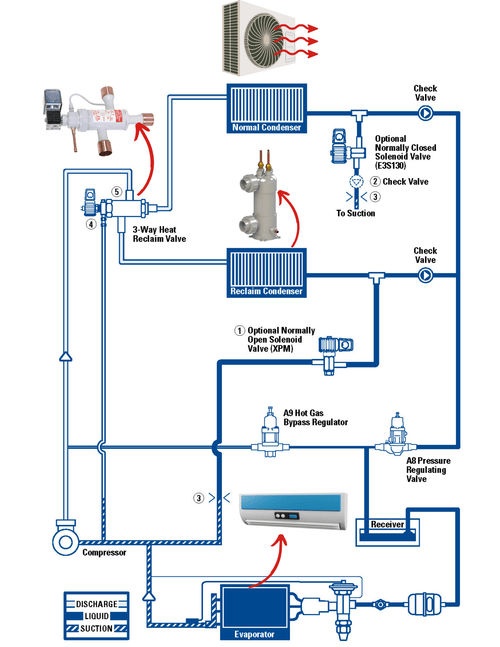
Are you looking for a way to cut energy costs and make your system more efficient? A Series Heat Reclaim System primarily recovers wasted heat, turning it into useful energy for your operations.
Imagine saving money while reducing your environmental impact—sounds like a win-win, right? You’ll discover how this system works and why it could be the smart upgrade your setup needs. Keep reading to unlock the benefits that could transform your energy use for good.
Heat Reclaim Basics
A Series Heat Reclaim System saves energy by capturing heat that would be lost. This system mainly recovers heat from air or water streams.
It helps reduce heating costs and lowers environmental impact by reusing heat in different processes.
Principles Of Heat Recovery
Heat recovery works by taking heat from warm sources and using it to warm cooler areas. This process saves energy that would otherwise be wasted.
The system uses heat exchangers to transfer heat without mixing fluids. This keeps the system clean and efficient.
- Capture heat from exhaust air or water
- Transfer heat through a heat exchanger
- Reuse heat to warm fresh air or water
- Reduce energy consumption and costs
Types Of Heat Reclaim Systems
There are several types of heat reclaim systems. Each type works best for different heat sources and uses.
Common types include air-to-air, water-to-water, and run-around coil systems.
- Air-to-Air Systems:Recover heat from warm exhaust air to preheat incoming fresh air.
- Water-to-Water Systems:Capture heat from hot water and transfer it to cold water for reuse.
- Run-Around Coil Systems:Use a fluid loop to transfer heat between two air streams in different locations.
Series Heat Reclaim System
A Series Heat Reclaim System saves energy by capturing heat from one process. It uses this heat for another process that needs warmth. This helps reduce fuel use and cuts costs.
The system works best in factories or buildings where heat is used a lot. It recovers heat from hot gases or liquids and sends it back into the system.
System Components
The Series Heat Reclaim System has several main parts. Each part plays a role in capturing and moving heat.
- Heat Exchanger: Transfers heat from hot fluid to cold fluid.
- Pumps: Move fluids through the system.
- Pipes: Carry fluids between components.
- Valves: Control the flow of fluids.
- Control Panel: Manages system operations and settings.
These components work together to recover heat efficiently and safely.
Flow And Operation
Hot fluid from a process enters the heat exchanger first. The heat passes to a cooler fluid inside the exchanger. This cooler fluid gains heat to use in another area.
The cooled fluid leaves the exchanger and returns to the process or is discharged. Pumps keep the fluids moving. Valves open or close to keep the right flow. The control panel adjusts the system to keep it working well.
- Hot fluid flows into the heat exchanger.
- Heat moves to the cooler fluid.
- Heated fluid moves to the new process.
- Cooled fluid leaves the exchanger.
- System controls adjust flow and temperature.
Primary Recovery Targets
A Series Heat Reclaim System focuses on capturing heat that would usually escape. It helps industries save energy by reusing this heat.
The main goal is to recover heat from different sources and convert it into usable energy streams. This process reduces waste and cuts energy costs.
Waste Heat Sources
Waste heat comes from machines, processes, or exhaust systems. It is heat that is not used and is lost to the environment.
Common sources include industrial furnaces, boilers, and cooling systems. Capturing this heat helps reduce overall energy use.
- Industrial ovens and furnaces
- Steam and hot water exhausts
- Air compressors and cooling towers
- Heat from chemical processes
- Flue gases from combustion
Energy Streams Recovered
The heat reclaim system turns waste heat into useful energy forms. These streams can support heating, power, or other processes.
Recovered energy can help warm buildings, generate steam, or produce electricity. This lowers the need for new fuel.
- Hot water for heating or cleaning
- Steam for power or processing
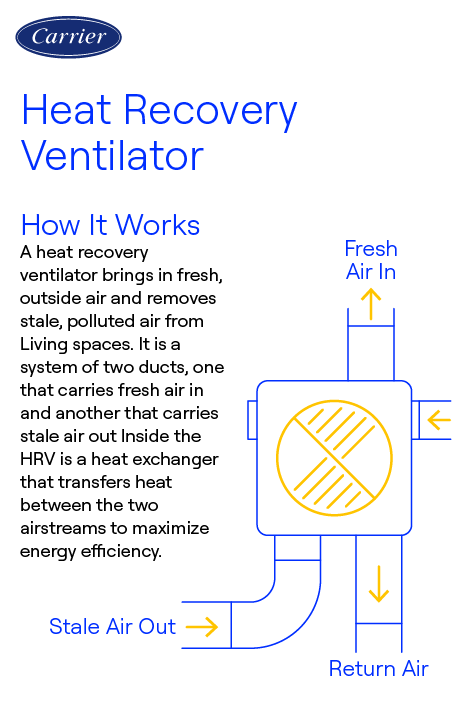
- Warm air for ventilation
- Electricity from heat engines

Credit: www.sciencedirect.com
Efficiency Maximization
An A Series Heat Reclaim System recovers waste heat to save energy. It improves overall system efficiency by reusing heat.
Maximizing efficiency helps reduce fuel use and lowers operating costs. It also decreases environmental impact.
Design Strategies
Good design makes heat reclaim systems work better. It starts with choosing the right components and layout.
System size and heat exchanger type affect how much heat is recovered. Proper insulation keeps heat losses low.
- Select heat exchangers with high heat transfer rates
- Place the system close to the heat source
- Use materials that resist corrosion and wear
- Insulate pipes and tanks to prevent heat loss
- Design for easy maintenance and cleaning
Operational Best Practices
Running the system properly keeps it efficient. Regular checks avoid problems that reduce heat recovery.
Operators should monitor temperatures and flow rates. Adjustments may be needed to keep the system balanced.
- Clean heat exchanger surfaces to remove buildup
- Check for leaks in pipes and valves often
- Maintain proper flow rates for heat transfer
- Record system data to track performance over time
- Train staff on system operation and safety
Applications And Benefits
A Series Heat Reclaim System primarily recovers heat from industrial processes. It captures wasted heat energy and uses it again.
This system helps save energy, reduce costs, and lower environmental impact. It is useful in many industries.
Industrial Use Cases
Industries use heat reclaim systems to improve energy efficiency. They recover heat from exhaust gases or hot fluids.
Common uses include heating water, preheating air, and powering other processes. This lowers fuel consumption and saves money.
- Power plants recover heat from steam and flue gases
- Chemical plants use waste heat to preheat raw materials
- Food processing recovers heat for drying and cooking
- Metal industries capture heat from furnaces and ovens
- Textile factories reuse heat for dyeing and drying
Environmental Impact
Heat reclaim systems reduce fuel use by reusing waste heat. This lowers greenhouse gas emissions and air pollution.
Using less fuel saves natural resources and cuts carbon footprints. It supports cleaner and greener industrial operations.
- Reduces carbon dioxide and other harmful gases
- Decreases need for fossil fuels
- Limits heat pollution in the environment
- Supports energy conservation efforts
- Improves overall air quality near factories

Credit: www.phcppros.com
Challenges And Solutions
A Series Heat Reclaim System primarily recovers heat from industrial processes. It helps save energy by reusing waste heat. The system faces several challenges that affect its performance and efficiency.
This article explains common issues and ways to solve them. Understanding these points can improve system operation and reduce costs.
Common Issues
One issue is fouling. Dirt and debris build up on heat exchange surfaces. This reduces heat transfer and causes higher energy use.
Another problem is corrosion. Moisture and chemicals can damage metal parts. This leads to leaks and system failure.
- Fouling lowers system efficiency
- Corrosion causes leaks and breaks
- Inadequate maintenance worsens problems
- Improper design limits heat recovery
Mitigation Techniques
Regular cleaning helps remove fouling. Scheduled maintenance keeps the system running well. This stops dirt buildup and improves heat transfer.
Using corrosion-resistant materials protects parts. Adding coatings or inhibitors also slows corrosion. Proper system design prevents many issues.
- Clean heat exchangers often
- Use corrosion-resistant metals
- Apply protective coatings
- Perform regular system checks
- Design for easy access and cleaning
Credit: www.carrier.com
Frequently Asked Questions
What Does A Series Heat Reclaim System Recover?
A series heat reclaim system primarily recovers waste heat from industrial processes. It captures thermal energy from exhaust gases or fluids. This reclaimed heat reduces energy consumption and improves overall system efficiency. It helps lower operational costs and environmental impact by recycling heat that would otherwise be lost.
How Does A Series Heat Reclaim System Improve Energy Efficiency?
The system captures and reuses heat from hot exhaust streams. This reduces the need for additional fuel or energy input. By recycling heat, it minimizes waste and enhances energy efficiency. It is especially useful in industries with continuous heat production processes.
Where Is A Series Heat Reclaim System Commonly Used?
It is commonly used in manufacturing, chemical plants, and power generation. These industries produce significant waste heat during operations. The system helps recover this heat for reuse in heating or preheating processes. This application leads to energy savings and reduced emissions.
What Are The Environmental Benefits Of Heat Reclaim Systems?
Heat reclaim systems reduce fossil fuel consumption and greenhouse gas emissions. By recycling waste heat, they lower overall energy demand. This contributes to cleaner production and sustainability goals. They help industries comply with environmental regulations and reduce their carbon footprint.
Conclusion
A series heat reclaim system mainly recovers waste heat from processes. It saves energy by reusing this heat in other parts. This reduces fuel use and lowers costs. Such systems help industries work more efficiently and protect the environment. Using heat reclaim systems can improve overall plant performance.
They offer a practical way to cut energy waste. Choosing the right system depends on specific needs and process design. Heat reclaim is a smart step toward greener, cheaper operations. Simple, effective, and beneficial for many industries.