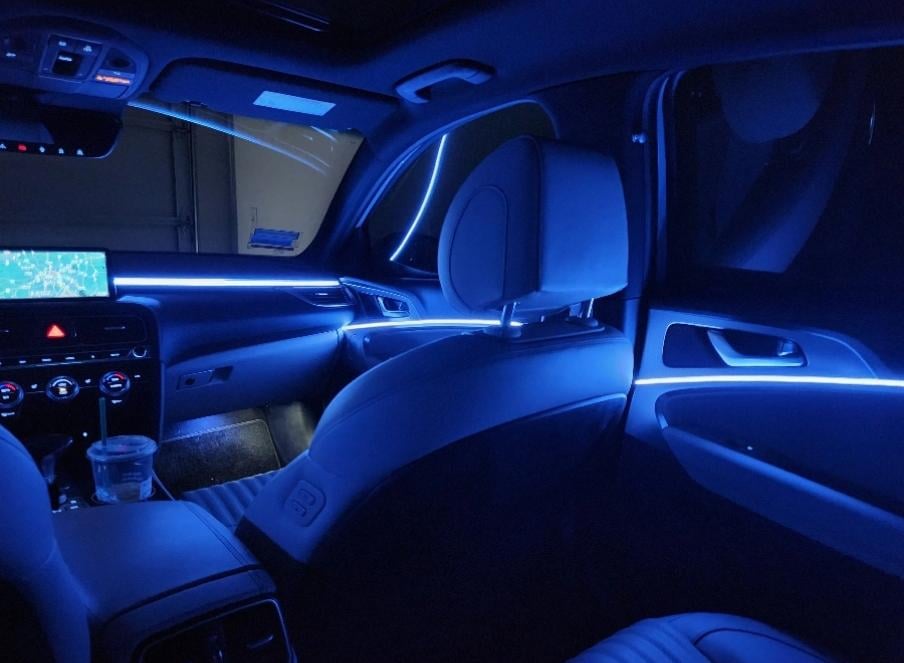
Are you thinking about adding LED lights to your car but aren’t sure if it’s allowed? You’re not alone.
Many car owners wonder if LED lights are legal, safe, or even a smart choice. Before you spend time and money, it’s important to know the facts. You’ll discover everything you need to make the right decision for your car.
Keep reading to find out how LED lights can change your driving experience—and what rules you need to follow to stay safe and legal.

Credit: www.reddit.com
Types Of Led Lights For Cars
LED lights have become popular in cars for their brightness and energy efficiency. Many drivers want to know what types of LED lights they can use in their vehicles.
This guide explains different LED light options for the inside and outside of your car. You can choose the right LED lights to fit your needs.
Interior Led Options
LED lights inside a car improve visibility and style. They use less power and last longer than regular bulbs.
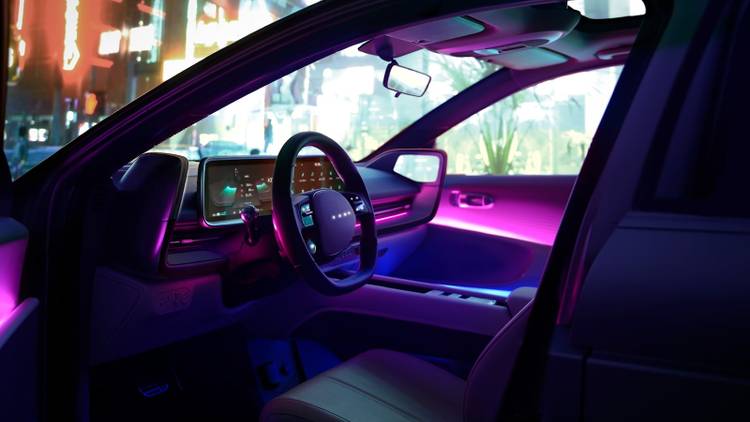
Common interior LED options include dome lights, footwell lights, and dashboard lights. These lights can often change colors to create a nice mood inside the car.
- Dome lights brighten the cabin when doors open.
- Footwell lights add soft lighting near the floor.
- Dashboard LEDs improve visibility of controls and displays.
- Strip lights offer customizable colors and effects.
Exterior Led Options
LED lights outside the car increase safety and style. They use less energy and last longer than traditional bulbs.
Exterior LED options include daytime running lights, turn signals, and accent lights. These lights make your car easier to see in different conditions.
- Daytime running lights improve daytime visibility.
- Turn signal LEDs flash brighter and faster.
- Accent lights highlight car shapes and features.
- Underbody LED kits add glow under the car.
Led Headlights And Taillights
LED headlights and taillights are popular for clear and bright illumination. They use less power and last much longer than halogen bulbs.
LED headlights offer better road visibility at night. LED taillights provide quick and bright signals to other drivers.
- LED headlights use less energy and shine brighter.
- LED taillights respond faster for safety.
- They come in various styles to fit many car models.
- Some LED kits include adaptive lighting features.

Credit: www.reddit.com
Benefits Of Led Lights In Cars
LED lights are becoming popular in cars for many reasons. They offer clear advantages over traditional bulbs.
This article explains three main benefits of LED lights for your car.
Energy Efficiency
LED lights use less energy than regular bulbs. This saves your car’s battery and fuel.
- Lower power consumption
- Reduced load on alternator
- Less heat production
- Improved fuel economy
Longevity And Durability
LED lights last much longer than traditional bulbs. They resist shocks and vibrations well.
| Feature | LED Lights | Traditional Bulbs |
| Average Lifespan | 30,000 to 50,000 hours | 1,000 to 2,000 hours |
| Durability | High | Low |
| Shock Resistance | Good | Poor |
Improved Visibility
LED lights provide brighter and clearer light. This helps drivers see better at night and in bad weather.
The sharper light improves safety for you and other road users.
Legal Rules For Car Led Lights
Car LED lights have become popular for their brightness and style. Many drivers want to know if they can use LED lights legally on their vehicles. Laws about LED lights vary and must be followed to avoid fines.
This guide covers key legal rules about LED lights. It explains headlight and taillight regulations, limits on color and brightness, and differences in local laws.
Headlight And Taillight Regulations
LED headlights and taillights must meet certain standards. They should fit properly and not blind other drivers. Many states require headlights to be white or yellow and taillights to be red.
- LED headlights must be DOT approved.
- Taillights need to be visible from a set distance.
- Fog lights have separate rules and color limits.
- License plate lights must remain white or amber.
Restrictions On Color And Brightness
LED lights with unusual colors are often illegal. Brightness must not cause glare or distraction. Colors like blue or green are usually banned on front lights.
| Light Type | Allowed Colors | Brightness Limits |
| Headlights | White, Yellow | Within 3000 lumens |
| Taillights | Red | Visible up to 500 feet |
| Turn Signals | Amber, Red | Moderate brightness |
| Interior LED Lights | Any color | No impact on driving |
Local And State Law Variations
Laws about LED lights differ across states and cities. Some places allow more color options, while others are strict. Always check local rules before installing new LED lights.
Common state law differences include:
- Allowed LED light colors and positions on the vehicle
- Maximum brightness levels
- Use of flashing or strobe LED lights
- Penalties for illegal LED light use
Credit: carbuzz.com
Installation Tips For Led Lights
LED lights can improve the look of your car. Installing them correctly is important for safety and performance.
Here are some tips to help you install LED lights in your car the right way.
Choosing The Right Led Kit
Pick an LED kit that fits your car model and lighting needs. Not all kits work with every vehicle.
Check if the kit includes all parts you need like bulbs, wiring, and connectors.
- Match the LED size with your car’s light sockets
- Look for kits with clear instructions
- Choose kits with good reviews for quality and durability
Diy Vs Professional Installation
You can install LED lights yourself if you have basic tools and skills. It saves money and time.
Professional installation ensures correct wiring and no damage to your car’s electrical system.
- DIY is good for simple plug-and-play kits
- Choose professional help for complex wiring or custom setups
- Professionals can test the lights and fix issues immediately
Safety Precautions
Always disconnect your car battery before starting the installation. This prevents electrical shocks.
Use insulated tools and avoid touching wires with wet hands.
- Follow the LED kit instructions carefully
- Check your local laws about LED colors and placements
- Test the lights after installation to make sure they work properly
Common Issues With Led Car Lights
LED lights are popular for cars because they use less energy. They also last longer than traditional bulbs.
Still, LED car lights can cause some problems. Knowing these issues helps you avoid trouble on the road.
Compatibility Problems
Not all LED lights fit well in every car. Some vehicles need special adapters to use LED bulbs. Without proper fit, the lights might not work right.
Cars with advanced systems may detect LED bulbs as errors. This can cause warning lights on your dashboard or blinking signals.
Flickering And Wiring Issues
LED lights can flicker if the wiring is not correct. This happens because LED bulbs use less power, which confuses some car circuits.
- Loose connections cause flickering
- Incorrect resistors may be needed
- Old wiring might not support LEDs
- Flashing turn signals often indicate wiring problems
Heat Management
LEDs produce less heat than bulbs but still need cooling. Poor heat management can shorten LED life and damage parts.
| Heat Issue | Effect | Solution |
| Overheating | LED fails early | Use heat sinks or fans |
| Poor Ventilation | Parts melt or warp | Install in well-ventilated areas |
| Blocked Airflow | Reduced brightness | Check placement and clear obstructions |
Maintaining Your Led Car Lights
LED car lights are durable and energy-efficient. Keeping them in good shape helps you drive safely.
Regular care and checks prevent sudden light failures and extend their lifespan.
Cleaning And Care
Clean your LED lights often to remove dirt and grime. Use a soft cloth with mild soap and water.
- Avoid harsh chemicals that can damage the lens.
- Do not use abrasive materials that scratch the surface.
- Dry lights completely to prevent moisture buildup.
- Check for cracks or fogging after cleaning.
Replacing Damaged Leds
If an LED stops working, replace it quickly to keep your lighting balanced and safe.
Use the correct type and size of LED recommended for your car model.
| Damage Type | Replacement Advice |
|---|---|
| Cracked lens | Replace the entire light unit |
| Single LED failure | Replace only the faulty LED if possible |
| Water inside light | Dry and reseal or replace unit |
Regular Inspection Tips
Check your LED lights at least once a month. Look for dimming, flickering, or color changes.
- Turn on all lights and inspect each one.
- Look for cracks or dirt on the lenses.
- Test brake and indicator lights during use.
- Replace or clean lights as needed.
- Visit a professional if you notice electrical issues.
Popular Led Light Brands
LED lights are popular for cars because they use less energy and last longer. Many brands offer LED lights for different car parts.
Choosing a good brand helps ensure your car lights are bright and safe. Some brands focus on interior lights, while others make exterior lights.
Top Interior Led Brands
Interior LED lights improve your car’s inside look. They come in many colors and brightness levels. These brands are known for quality and easy installation.
- Philips – Offers bright and energy-efficient interior LEDs.
- Auxbeam – Known for multi-color LED strips and pods.
- OPT7 – Provides full interior lighting kits for cars.
- YITAMOTOR – Popular for affordable and durable LED bulbs.
Best Exterior Led Brands
Exterior LED lights help your car stand out and improve visibility. These brands make headlights, taillights, and fog lights with strong brightness and durability.
- Osram – Offers reliable and bright LED headlights.
- Hikari – Known for powerful LED bulbs for all exterior lights.
- Morimoto – Popular for high-quality LED headlight kits.
- Nilight – Provides affordable and tough LED light bars and fog lights.
Frequently Asked Questions
Can I Legally Install Led Lights In My Car?
Yes, you can install LED lights, but laws vary by location. Check local regulations to ensure compliance, especially for colors and placement.
Are Led Lights Safe For Car Interior Use?
LED lights are safe for interiors as they produce low heat and consume less power. Use certified products to ensure safety and avoid electrical issues.
Do Led Lights Improve Car Visibility At Night?
LED lights can enhance visibility with brighter, clearer illumination. They offer better energy efficiency and longer life compared to traditional bulbs, improving nighttime driving safety.
Can Led Lights Affect My Car’s Battery Life?
LED lights use less power, so they generally do not drain the battery significantly. However, improper installation or leaving lights on can impact battery performance.
Conclusion
LED lights can be a great choice for your car’s lighting needs. They use less energy and last much longer than traditional bulbs. Many drivers enjoy the brighter, clearer light they provide. Just make sure to check local laws before installing them.
Safety and legality matter most on the road. Proper installation helps avoid electrical problems. Bright, efficient lights improve night driving and visibility. Choose LED lights that fit your vehicle’s design. Simple upgrades can make a big difference in driving comfort and style.