Are you wondering if your portable air conditioner needs Freon to keep your room cool? You’re not alone.
Many people have questions about how these machines work and what keeps them running smoothly. Understanding whether your portable AC relies on Freon can save you time, money, and frustration. Keep reading to discover the truth behind Freon and portable air conditioners—so you can make the best choice for your comfort.

Credit: www.youtube.com
How Portable Acs Work
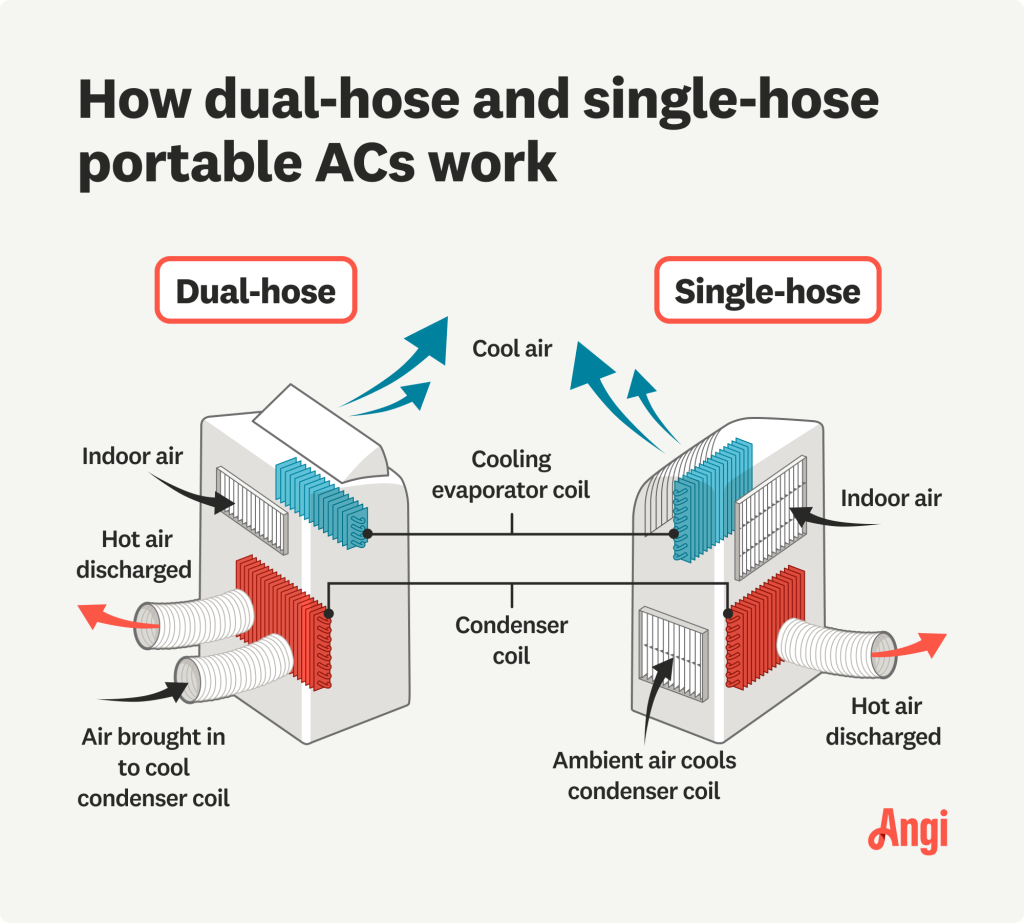
Portable air conditioners cool a room by removing heat and moisture. They use a built-in system to move warm air outside.
These units are easy to move and do not need permanent installation. They work by cycling air through cooling parts inside the machine.
Cooling Mechanism Basics
Portable ACs use a compressor to cool air. The compressor squeezes a gas to make it very hot, then cools it down quickly.
This process makes the gas cold. The cold gas absorbs heat from the room air, cooling it. A fan then blows the cold air back inside.
- Compressor increases gas pressure and temperature
- Gas cools and changes to liquid form
- Cold liquid absorbs heat from room air
- Warm gas is pushed outside through a hose
- Fan circulates cooled air inside the room
Role Of Refrigerants
Refrigerants are special liquids or gases that carry heat. They are key to the cooling process in portable ACs.
Freon is a common type of refrigerant. It moves heat from inside the room to the outside, helping the AC cool effectively.
- Refrigerants absorb heat from indoor air
- They change state between liquid and gas during cooling
- Freon is a well-known refrigerant type
- Proper refrigerant levels keep the AC working well
- Leaks or low refrigerant reduce cooling power

Credit: www.popularmechanics.com
Freon And Its Purpose
Portable air conditioners cool air using a special gas called Freon. This gas helps move heat from inside a room to outside.
Understanding Freon helps you know how portable air conditioners work. It is important for keeping your space cool.
What Is Freon?
Freon is a type of refrigerant gas used in many cooling systems. It changes between gas and liquid to move heat.
This gas is safe for machines but needs care when handled. It helps air conditioners and refrigerators work well.
Freon’s Function In Cooling
Freon absorbs heat inside the air conditioner. It turns from liquid to gas as it takes in heat from the room.
Then, Freon releases heat outside. It changes back to liquid and cools down the air in your room.
- Freon absorbs indoor heat as a liquid
- It changes to gas and carries heat away
- Freon releases heat outside as a gas
- It turns back to liquid and cools the air
Do Portable Acs Use Freon?
Many people ask if portable air conditioners need Freon. Freon is a common name for refrigerants used in cooling systems. Portable ACs do use refrigerants similar to Freon to cool the air.
These refrigerants help the AC remove heat from the room. Without them, the unit cannot cool the space effectively.
Common Refrigerants In Portable Units
Portable air conditioners use different types of refrigerants. Older units often used Freon, also known as R-22. Newer models use safer refrigerants that do less harm to the environment.
- R-410A: A popular refrigerant in many new portable ACs
- R-134a: Sometimes used in smaller portable units
- R-22 (Freon): Used in older portable air conditioners
Manufacturers choose refrigerants based on safety and cooling power. New refrigerants are better for the ozone layer.
Factory Sealed Systems
Most portable air conditioners come with factory sealed systems. This means the refrigerant is sealed inside the unit from the start. Users do not need to add or refill refrigerant.
If the sealed system leaks, a professional should fix it. Adding refrigerant yourself can be dangerous and damage the AC.
When Is Freon Needed?
Portable air conditioners use refrigerant to cool the air. Freon is a type of refrigerant used in some units. Not all portable ACs need Freon added regularly.
Freon is only needed if the refrigerant level is low. This can happen if there is a leak or damage to the system. Knowing when to add Freon helps keep your AC working well.
Signs Of Low Refrigerant
Low refrigerant causes the air conditioner to cool less effectively. You may notice the room does not get as cold as before. The AC might run longer without reaching the set temperature.
Other signs include ice buildup on the coils and strange noises from the unit. Your energy bills may also rise because the AC works harder to cool the space.
- Warm air blowing from the unit
- Longer cooling cycles
- Ice forming on the coils
- Hissing or bubbling sounds
- Higher electricity bills
Refilling And Recharging
Refilling Freon is not a simple task. It requires special tools and knowledge about refrigerants. If your AC is low on Freon, a professional should check for leaks first.
After fixing any leaks, the technician will recharge the unit with the correct amount of Freon. Overfilling or underfilling can harm your air conditioner.
- Check for leaks before refilling
- Use the right type of Freon
- Do not add Freon yourself without training
- Hire a certified technician for recharging
Environmental And Safety Concerns
Portable air conditioners often use Freon or similar refrigerants. These chemicals help cool the air but can affect the environment and health. Understanding these concerns is important for safe use and handling.
Freon is a type of chemical that can harm the earth’s atmosphere. It also requires careful handling to avoid risks. Let’s look at how Freon impacts the environment and what safe steps you should follow.
Freon’s Impact On The Environment
Freon belongs to a group called CFCs and HCFCs. These chemicals can damage the ozone layer, which protects life on Earth from harmful sunlight.
- Freon leaks cause ozone layer thinning.
- Ozone damage increases UV radiation reaching the ground.
- Increased UV radiation can cause skin cancer and harm plants.
- Freon also contributes to global warming as a greenhouse gas.
Safe Handling Practices
Handling Freon safely helps protect people and the environment. Only trained professionals should service air conditioners that use Freon.
| Safe Practice | Description |
| Proper Leak Repair | Fix leaks quickly to stop Freon release. |
| Use Protective Gear | Wear gloves and eye protection when handling Freon. |
| Recycle and Dispose | Recover and recycle Freon instead of releasing it. |
| Avoid DIY Repairs | Leave Freon handling to certified technicians. |
Alternatives To Freon In Portable Acs
Portable air conditioners often use Freon as a refrigerant. Freon can harm the environment by affecting the ozone layer. Many newer portable ACs now use safer alternatives. These options cool the air without damaging the planet.
Choosing the right refrigerant helps reduce pollution. It also makes portable ACs more energy efficient. Let’s explore some common eco-friendly refrigerants and new technologies.
Eco-friendly Refrigerants
Eco-friendly refrigerants have a lower impact on the environment. They do not deplete the ozone layer and have less global warming potential. Some popular alternatives include hydrofluoroolefins (HFOs), hydrocarbons, and natural refrigerants.
- Hydrofluoroolefins (HFOs):These refrigerants are safe and break down quickly in the air.
- Hydrocarbons:Natural gases like propane and isobutane work well as refrigerants.
- Natural Refrigerants:Substances like ammonia and carbon dioxide are environment-friendly options.
Using these refrigerants helps portable ACs lower emissions. They keep homes cool without harming nature.
Technological Innovations
New technology also improves how portable ACs work. Some models use advanced compressors and heat exchangers that need less harmful refrigerants. Others use refrigerant-free cooling methods.
- Inverter Compressors:These adjust speed to save energy and use less refrigerant.
- Thermoelectric Cooling:Uses electricity to cool without any refrigerant.
- Absorption Cooling:Uses heat instead of chemicals to cool air.
These innovations reduce the need for Freon and cut down pollution. They make portable air conditioners safer for the environment.
Maintenance Tips For Portable Acs
Portable air conditioners need regular care to work well. Proper maintenance helps keep your unit cool and efficient.
Checking important parts often can stop problems early. This saves money and extends the AC’s life.
Checking Refrigerant Levels
Portable ACs use refrigerant to cool the air. If the refrigerant is low, the unit will not cool properly.
Most portable ACs are sealed and do not need extra refrigerant added. If your AC is not cooling well, call a professional to check the refrigerant level.
- Look for signs like weak cooling or strange noises.
- Do not try to add refrigerant yourself.
- Have a technician check for leaks or damage.
Regular Servicing
Regular servicing keeps your portable AC running smoothly. Clean and check parts often to avoid breakdowns.
Schedule service before the cooling season starts. This helps the unit work at its best when you need it most.
- Clean or replace air filters every month.
- Clear dust from vents and coils.
- Check the power cord and plug for damage.
- Ensure the exhaust hose is properly attached.
- Store the unit in a dry place during winter.

Credit: www.youtube.com
Frequently Asked Questions
Do Portable Air Conditioners Use Freon Refrigerant?
Most portable air conditioners use environmentally friendly refrigerants, not traditional Freon (R-22). Newer models typically use R-410A or similar. These refrigerants are safer and more efficient, complying with modern regulations. Always check your unit’s specifications for the exact refrigerant type it uses.
Can I Refill Freon In A Portable Air Conditioner?
Portable air conditioners are sealed systems; they generally don’t require Freon refills. If cooling weakens, it’s usually due to other issues like clogged filters or leaks. Refilling refrigerant should only be done by certified technicians to avoid damage and ensure safety.
Why Do Some Portable Acs Mention Freon In Their Manuals?
Some older portable AC models mention Freon because they used R-22 refrigerant. Modern portable ACs use different refrigerants due to environmental laws. Manuals might still reference Freon for legacy reasons or when explaining refrigerant handling and servicing instructions.
Are Freon Leaks Common In Portable Air Conditioners?
Freon leaks are rare in portable air conditioners because the refrigerant is contained in sealed systems. If a leak occurs, it can cause poor cooling and requires professional repair. Regular maintenance helps prevent leaks and keeps your unit running efficiently.
Conclusion
Portable air conditioners usually come with Freon inside. This gas helps cool the air effectively. You do not need to add Freon yourself. If your unit loses cooling power, it might have a leak. In that case, a professional should check and fix it.
Regular cleaning and maintenance keep the AC working well. Knowing how your portable AC works saves you time and money. Keep your space cool and comfortable all summer long. Simple care goes a long way.