Have you ever wondered why some fishing rods feel different when you cast or fight a fish? The secret lies in something called “fishing rod action.” Understanding rod action can change the way you fish, making your experience more exciting and successful.
Whether you’re a beginner or looking to improve your skills, knowing what rod action means will help you choose the right rod and catch more fish. Keep reading, and you’ll discover how this simple concept can make a big difference in your fishing game.
Rod Action Basics
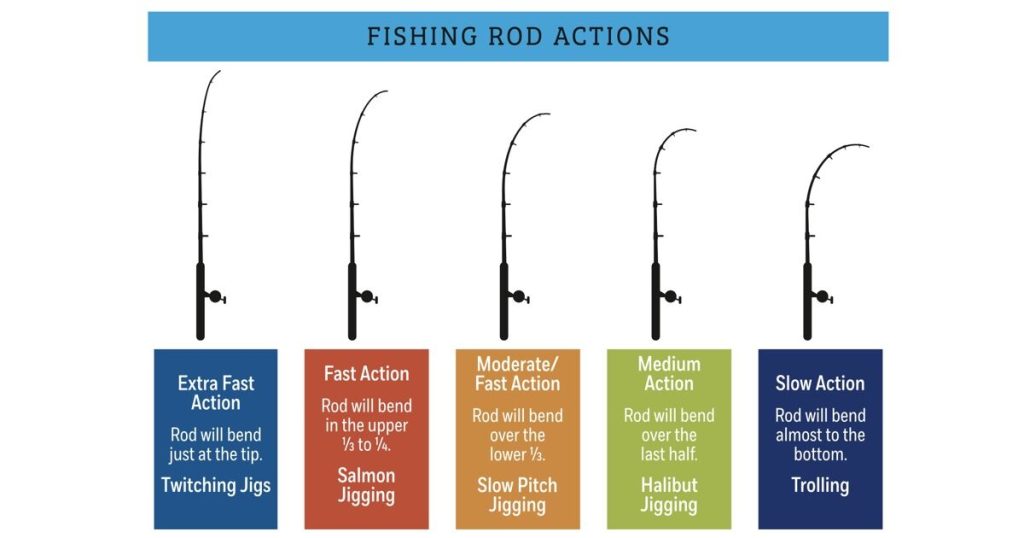
Fishing rod action describes how much and where a rod bends when pressure is applied. It affects how you cast and how you feel the fish biting. Knowing the action helps you pick the right rod for your fishing style.
Rod action is usually divided into fast, medium, and slow categories. Each type offers different bending and power traits. Learning about these can improve your fishing experience.
Fast Action Rods
Fast action rods bend mostly near the tip. This makes them very sensitive and quick to respond. They allow sharp hook sets and work well for heavy lures.
- Flex near the top 20% of the rod
- Provide quick hook sets
- Ideal for single-hook lures
- Good for fighting big fish
Medium Action Rods
Medium action rods bend from the tip to the middle. They offer a good balance between power and flexibility. These rods work well with many lure types and fishing methods.
| Feature | Description |
| Bend Area | Tip to middle of rod |
| Flexibility | Moderate |
| Best Use | Versatile for many lures |
| Hook Setting | Balanced |
Slow Action Rods
Slow action rods bend along the whole length. This makes them very flexible and good at absorbing shocks. They are best for small lures and light fishing lines.
Advantages of slow action rods:
- Gentle on light lines
- Good for casting small lures far
- Reduce line breakage
- Offer smooth fight with fish

Credit: www.reddit.com
Impact On Casting
The action of a fishing rod greatly affects casting. It controls how the rod bends and recovers during a cast.
Understanding rod action helps anglers improve their casting skills. It changes both casting distance and accuracy.
Casting Distance
Rod action influences how far you can cast your line. Fast action rods bend mostly near the tip, storing more energy.
- Fast action rods provide longer casts by releasing energy quickly.
- Medium action rods offer moderate casting distance with smoother energy release.
- Slow action rods bend deeply and cast shorter distances but provide better lure control.
Casting Accuracy
Rod action also affects how accurately you place your lure. Fast action rods allow sharper, more precise casts.
| Rod Action | Accuracy Level | Reason |
| Fast | High | Quick tip recovery improves control |
| Medium | Moderate | Balanced bend aids steady casting |
| Slow | Lower | Deep bend makes precise aiming harder |
Effect On Hook Setting
The action of a fishing rod affects how you set the hook. Rod action means how much the rod bends when pressure is applied.
A fast action rod bends near the tip. A slow action rod bends closer to the handle. This changes how you pull the hook into the fish’s mouth.
Quick Hook Sets
Fast action rods help you set the hook quickly. They react fast when you pull the line. This gives a sharp and strong hook set.
Quick hook sets work well for fish with tough mouths. The rod’s stiffness transfers energy fast to the hook.
- Rod bends mostly near the tip
- Delivers strong, sharp hook sets
- Best for quick, forceful pulls
- Good for big or hard-mouthed fish
Gentle Hook Sets
Slow action rods bend more along the whole length. They absorb the force of the pull, so the hook sets gently.
Gentle hook sets reduce the chance of tearing soft mouth fish. The rod’s flex spreads the force over time.
- Rod bends deeply along the length
- Delivers smooth, gentle hook sets
- Good for soft or small fish
- Helps avoid pulling the hook out
Choosing Rod Action By Fish Type
Fishing rod action means how much the rod bends when you pull the line. It affects how you feel the bite and control the fish.
Choosing the right rod action helps you catch different fish types better. The size and strength of the fish matter a lot.
Small Fish
For small fish, a fast or medium-fast action rod works well. These rods bend mostly near the tip. They give good sensitivity to feel light bites.
These rods help set the hook quickly without too much force. They also allow you to cast light lures easily.
- Fast action rods bend 20-30% from the tip
- Medium-fast action rods bend 30-60% of the rod
- Better for fish like trout, panfish, and small bass
- Good for light lines and small lures
Large Fish
For large fish, use medium or slow action rods. These rods bend more along the length. They absorb strong pulls and reduce line breaks.
They give better control and power to handle big fish. Slow action rods help fight fish without tiring quickly.
- Medium action rods bend 60-80% of the rod
- Slow action rods bend 80-100% of the rod
- Good for fish like catfish, pike, and large bass
- Works well with heavy lines and big lures
Rod Action And Fishing Techniques
Fishing rod action describes how a rod bends when pressure is applied. It affects how you cast, fight fish, and feel bites. Different actions suit different fishing styles.
Understanding rod action helps you pick the right rod for your fishing technique. This guide covers rod action in topwater fishing, bottom fishing, and lure fishing.
Topwater Fishing
Topwater fishing uses floating lures that stay on the surface. Fast rod action helps you react quickly to fish strikes. A fast action rod bends near the tip and stays stiff in the middle and bottom.
- Fast action rods give strong hook sets on surface bites.
- They offer better control for quick lure movements.
- These rods help detect light taps from fish on topwater lures.
Bottom Fishing
Bottom fishing targets fish near the lake or sea floor. Slow to medium rod action works best here. These rods bend more along the length, absorbing strong fish pulls.
| Rod Action | Benefit | Example |
| Slow | More bend to absorb fish pull | Catfish fishing |
| Medium | Good balance of power and flexibility | Trout or bass bottom fishing |
| Fast | Less bend, better hook setting | Not ideal for heavy bottom fish |
Lure Fishing
Lure fishing uses artificial baits to attract fish. Rod action affects lure presentation and hook setting. Medium to fast action rods are popular for this method.
Benefits of Different Rod Actions in Lure Fishing:
- Fast action:Precise lure control and quick hook sets.
- Medium action:Versatile for many lure types and fish species.
- Slow action:Soft lure presentation but weaker hook sets.
Materials Influencing Rod Action
The action of a fishing rod depends a lot on the materials used to make it. Different materials affect how the rod bends and feels during fishing.
Choosing the right rod material helps anglers fish better and enjoy their time on the water.
Graphite Rods
Graphite rods are light and very sensitive. They bend quickly and return to shape fast. This makes them great for detecting small bites.
These rods have a fast action because graphite is stiff. Anglers like them for precision and quick hook sets.
Fiberglass Rods
Fiberglass rods are heavier and more flexible than graphite. They bend more along their length, giving a slow or moderate action.
- Strong and durable
- Good for heavy lures and big fish
- Less sensitive but very tough
Composite Rods
Composite rods mix graphite and fiberglass. They balance sensitivity with strength. The action varies depending on the blend ratio.
| Material | Action Type | Best Use |
| Mostly Graphite | Fast | Light lures, quick hook sets |
| Equal Mix | Moderate | Versatile fishing |
| Mostly Fiberglass | Slow | Heavy lures, big fish |
Maintaining Your Rod’s Action
Fishing rod action affects how your rod bends and performs during use. Keeping this action consistent helps you fish better and avoid damage.
Proper care extends your rod’s life and keeps its action smooth and responsive.
Storage Tips
Store your fishing rod carefully to protect its action. Avoid leaving it in places with high heat or moisture.
- Keep rods in a cool, dry place
- Store rods vertically or hang them to avoid bending
- Use rod sleeves or cases for extra protection
- Do not lean rods against walls for long periods
Regular Inspection
Check your rod often for cracks or loose guides. Early fixes keep the rod’s action working well.
| Inspection Area | What to Look For | Action Needed |
| Rod blank | Cracks or dents | Repair or replace rod |
| Guides | Loose or bent guides | Tighten or replace guides |
| Reel seat | Loose fit | Secure reel seat |
| Handle | Wear or damage | Replace grip if needed |

Credit: anglersresource.net

Credit: www.reddit.com
Frequently Asked Questions
What Does Fishing Rod Action Mean?
Fishing rod action describes how fast and where the rod bends when pressure is applied. It affects casting, sensitivity, and hook setting.
How Does Rod Action Impact Fishing Performance?
Rod action influences casting distance, accuracy, and fish fighting ability. Faster action rods offer better sensitivity and quick hook sets.
What Are The Types Of Fishing Rod Action?
Common rod actions include fast, medium, and slow. Fast bends near the tip, slow bends throughout the rod, and medium is balanced.
Which Rod Action Suits Beginners Best?
Medium action rods are ideal for beginners due to versatility and forgiving nature. They handle various techniques and fish sizes well.
Conclusion
Choosing the right fishing rod action helps improve your fishing experience. It affects how you feel the bite and control the fish. Fast action rods bend near the tip and offer quick response. Medium and slow actions bend more, giving better control for bigger fish.
Knowing rod action helps match your style and target fish. Try different types to see what fits you best. Enjoy fishing with the right rod action for better success and fun.