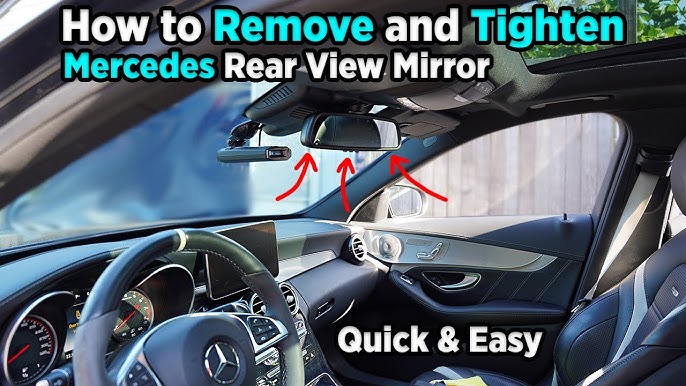
Your car mirror is cracked, loose, or just not working right—and you need it fixed fast. You rely on your mirrors every time you drive, so ignoring the problem isn’t an option.
But don’t worry, fixing your car mirror is easier than you think. You’ll discover simple, step-by-step tips to get your mirror back in perfect shape. Stick with me, and you’ll save time, money, and avoid the frustration of driving with a faulty mirror.
Ready to get started? Let’s dive in.
Tools Needed
Fixing a car mirror requires some basic tools and safety gear. Using the right equipment makes the job easier and safer.
Gather your tools before starting. This helps you work without interruptions.
Basic Repair Tools
You need a few common tools to fix a car mirror. These tools help remove and replace parts without damage.
- Screwdrivers (flat and Phillips head)
- Plastic pry tools
- Socket wrench set
- Replacement mirror or glass
- Adhesive or glue for mirrors
- Cleaning cloth
Safety Equipment
Safety is important when fixing your car mirror. Protect yourself from cuts and debris.
| Item | Purpose |
| Safety gloves | Protect hands from sharp edges |
| Safety glasses | Protect eyes from flying debris |
| Mask | Protect against dust and fumes |
Assessing Mirror Damage
Car mirrors often get damaged from daily use or accidents. Checking the mirror helps you decide if you can fix it yourself.
Careful inspection shows the type of damage and what parts need attention. This saves time and money on repairs.
Types Of Mirror Issues
Car mirrors can have different problems. Some are easy to fix, while others need replacement.
- Cracked or broken glass
- Scratched or fogged mirror surface
- Damaged mirror housing or frame
- Electrical issues in powered mirrors
- Loose or missing mirror parts
Checking For Loose Parts
Loose parts can cause the mirror to wobble or fall off. Finding these parts helps prevent further damage.
| Part | Signs of Looseness | How to Check |
| Mirror glass | Moves when touched | Gently push and wiggle the glass |
| Mirror housing | Rattling noise | Shake the housing carefully |
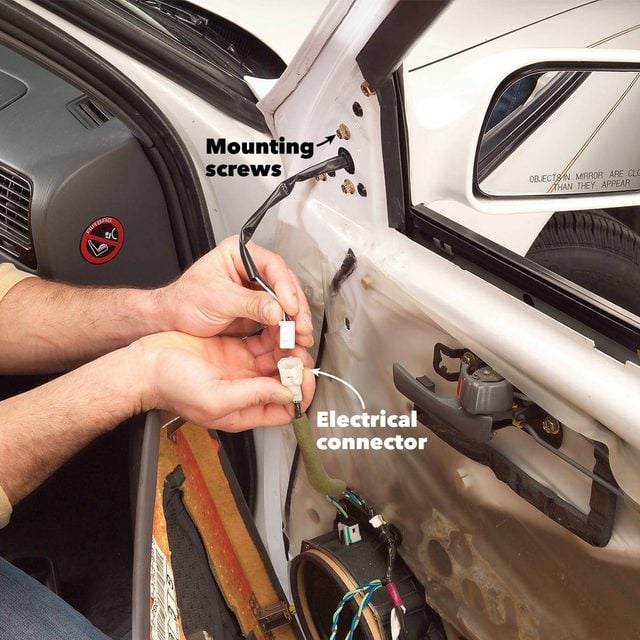
| Mounting screws | Missing or loose screws | Look for gaps or missing screws |
| Electrical connectors | Unresponsive controls | Inspect wiring under the mirror |
Removing The Broken Mirror
Removing a broken car mirror is a careful task. You need to avoid cuts and damage to the car.
This guide helps you remove the broken mirror safely and prepare for replacement.
Detaching Mirror Glass
First, protect your hands with gloves. Broken glass can cause injury.
- Use a flat plastic tool to gently pry the mirror glass from the housing.
- Work slowly around the edges to loosen the glass.
- Disconnect any electrical connectors if the mirror has heating or adjustment features.
- Remove the broken glass and dispose of it safely.
Removing Housing
The mirror housing holds the glass and connects to the car. Removing it may need tools.
| Tool | Purpose |
|---|---|
| Screwdriver | Remove screws holding the housing |
| Trim removal tool | Detach plastic clips without damage |
| Socket wrench | Loosen nuts securing the mirror assembly |
Remove screws and clips carefully. Keep all parts safe for reassembly.

Credit: www.youtube.com
Fixing Minor Mirror Issues
Car mirrors can get loose or wobble over time. Fixing small problems yourself saves money. It also keeps your mirror safe and clear.
This guide covers how to reattach loose glass and secure the mirror housing. Both are simple repairs anyone can do.
Reattaching Loose Glass
Loose mirror glass can fall out or move while driving. Fix it by following these easy steps.
- Clean the back of the mirror glass with rubbing alcohol.
- Apply strong adhesive or mirror glue evenly.
- Press the glass firmly into the housing.
- Hold it in place for several minutes to set.
- Let it dry for a few hours before using the mirror.
Securing Mirror Housing
Loose mirror housing can cause shaking or noise. Tighten or fix it to avoid bigger problems.
| Problem | Cause | Fix |
| Housing moves or wobbles | Loose screws or clips | Tighten screws or replace clips |
| Housing rattles | Broken or worn mounts | Use adhesive pads or replace mounts |
| Mirror tilts unexpectedly | Damaged adjustment mechanism | Check mechanism and repair or replace |
Replacing The Mirror Glass
Replacing the mirror glass on your car is a simple fix that can improve safety. Damaged mirrors reduce visibility and should be replaced quickly.
This guide covers how to choose the right replacement glass and install it properly. Follow these steps to restore your car mirror.
Choosing Replacement Glass
Choose a mirror glass that fits your car model and mirror type. Check for features like heating or auto-dimming if your original mirror had them.
- Measure the size of your broken mirror glass.
- Check if you need flat, convex, or aspheric glass.
- Look for heated or non-heated glass options.
- Buy from a trusted auto parts store or online retailer.
- Compare prices and read reviews before buying.
Installation Steps
Follow these steps to remove the old glass and install the new one safely and securely.
- Wear gloves to protect your hands from broken glass.
- Use a flat tool to carefully pry out the broken glass pieces.
- Clean the mirror housing to remove dirt and adhesive residue.
- Apply a suitable adhesive or double-sided tape to the back of the new glass.
- Align the new mirror glass carefully and press it into place.
- Hold the glass firmly for a few minutes to ensure strong adhesion.
- Test the mirror for stability and adjust if needed.
| Tool | Purpose |
| Gloves | Protect hands from cuts |
| Flat pry tool | Remove broken glass safely |
| Cleaning cloth | Clean mirror housing |
| Adhesive or double-sided tape | Attach new mirror glass |

Credit: www.youtube.com
Adjusting Mirror Position
Proper mirror adjustment helps you see clearly while driving. It reduces blind spots and improves safety. This guide covers manual and power mirror adjustments.
Learn how to adjust mirrors by hand and how to calibrate power mirrors for better vision.
Manual Adjustment
Manual mirrors need to be moved by hand to get the right angle. You can adjust both side mirrors and the rearview mirror this way.
- Sit in your normal driving position.
- Reach out and gently move the mirror glass.
- Adjust the left and right mirrors so you see the side of your car and the road behind.
- Set the rearview mirror to show the entire back window.
- Check your mirror angles before driving.
Power Mirror Calibration
Power mirrors use electronic controls to change position. Calibration helps the mirror respond correctly to these controls.
| Calibration Step | Description |
| Turn ignition on | Switch your car’s ignition to the “on” position without starting the engine. |
| Use mirror controls | Press the buttons to move the mirror to all edges and center it. |
| Reset mirror position | Hold the calibration button (if available) for 5 seconds to reset. |
| Test mirror movement | Move the control switch to check all directions respond smoothly. |
Testing Mirror Functionality
Testing your car mirror helps ensure it works correctly for safe driving. You can check the mirror’s stability and view quality.
Follow simple checks to confirm the mirror does not move out of place and shows a clear image of the road behind you.
Checking Stability
Check if the mirror stays firmly in place when you adjust it. A loose mirror can be dangerous while driving.
- Gently push the mirror in different directions.
- Listen for any rattling sounds.
- Adjust the mirror using the controls to see if it holds its position.
- Look for cracks or damage on the mounting area.
- Tighten screws or replace clips if the mirror feels loose.
Ensuring Clear View
A clear mirror lets you see traffic and obstacles easily. Clean and check the glass for any damage.
| Check Point | What to Look For |
| Mirror Glass | Clean and free of cracks or fogging |
| Reflective Surface | Bright and shows accurate images |
| Adjustment Range | Mirror moves smoothly and covers blind spots |
| Obstructions | No dirt, stickers, or objects blocking view |
Preventive Maintenance Tips
Car mirrors are important for safe driving. Keeping them in good shape helps you avoid accidents.
Simple care steps can stop mirror damage. These tips save money and keep your mirrors clear.
Regular Cleaning
Clean your car mirrors often to keep them clear. Dirt and dust can block your view.
Use a soft cloth and mild soap. Avoid harsh chemicals that can damage the mirror surface.
- Use a microfiber cloth to avoid scratches
- Apply gentle soap with water
- Dry mirrors with a clean, soft cloth
- Clean both sides of the mirror
Avoiding Damage
Protect your mirrors from impacts. Park in safe spots to reduce the chance of hits.
Fold your mirrors when parking in tight places. This helps prevent scratches and cracks.
- Fold mirrors in narrow parking spaces
- Do not hang heavy items on mirrors
- Check mirrors for loose parts regularly
- Avoid hitting the mirror against walls or poles
Credit: www.familyhandyman.com
Frequently Asked Questions
How Do I Fix A Broken Car Mirror At Home?
To fix a broken car mirror at home, clean the area first. Use epoxy or strong adhesive to reattach the mirror glass. For severe damage, replace the entire mirror assembly. Always wear gloves and handle glass carefully to avoid injury.
What Tools Are Needed To Repair A Car Mirror?
Common tools for car mirror repair include a screwdriver, adhesive glue, replacement glass, and cleaning materials. Some repairs may require pliers or a heat gun. Having the right tools ensures a secure and professional fix.
How Long Does It Take To Fix A Car Mirror?
Fixing a car mirror usually takes 30 minutes to an hour. Replacement of the mirror glass is quicker than replacing the whole assembly. Time may vary depending on the damage and your repair skills.
Can I Drive With A Broken Car Mirror?
Driving with a broken car mirror is unsafe and often illegal. It reduces your visibility and increases accident risk. Fix or replace the mirror promptly to ensure safety and comply with traffic laws.
Conclusion
Fixing a car mirror is easier than you might think. Small cracks or loose parts can be handled with simple tools. Taking care of your mirror keeps you safe on the road. Regular checks help spot problems early. A working mirror improves your driving confidence.
Don’t wait for damage to get worse. Repairing it yourself saves time and money. Always follow safety steps to avoid mistakes. With patience, you can restore your mirror quickly. Stay alert and keep your car in good shape.